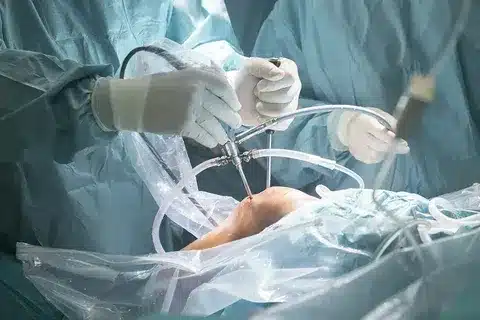
Understanding your potential life expectancy after bladder removal surgery is essential. We’ll look at what affects life expectancy. This includes the cancer’s stage and how well treatments work. Diagnostic questions: Does a CT scan detect tumors effectively? We explain the accuracy of imaging tests compared to visual exams for bladder cancer.
Key Takeaways
- Bladder removal surgery is a major treatment for bladder cancer.
- Life expectancy after surgery depends on several factors, including cancer stage.
- Understanding these factors can help patients make informed decisions.
- Advances in medical technology improve treatment outcomes.
- Patient support is key for recovery and well-being.
Understanding Bladder Removal Surgery
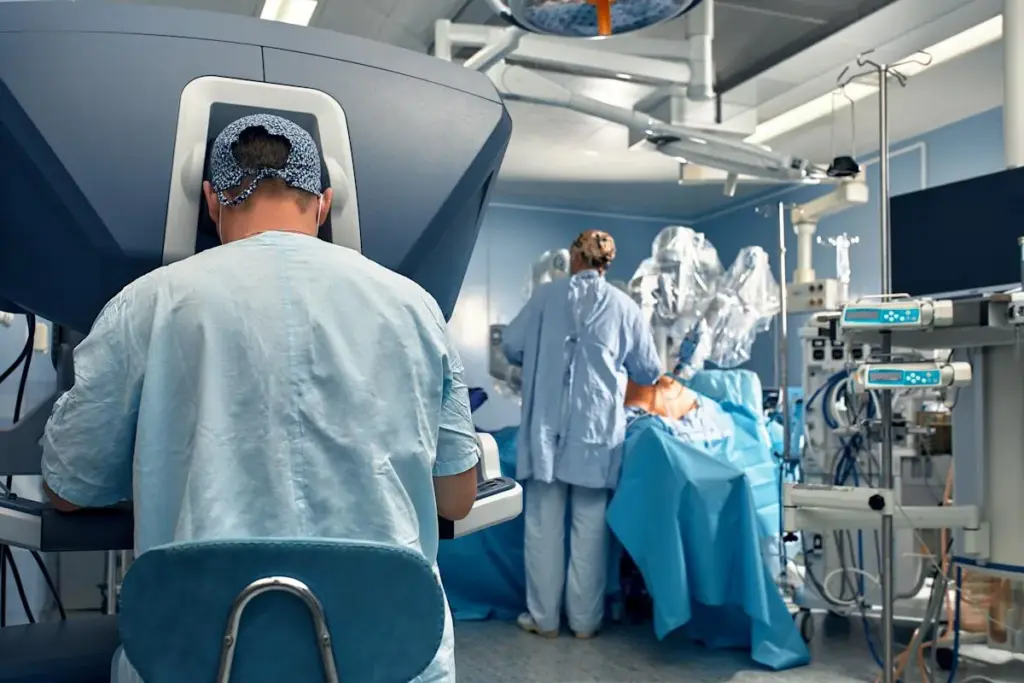
Cystectomy, or bladder removal surgery, is a complex operation. It treats conditions like bladder cancer and severe bladder diseases. The surgery removes the bladder and sometimes nearby organs or tissues.
What is Bladder Removal Surgery?
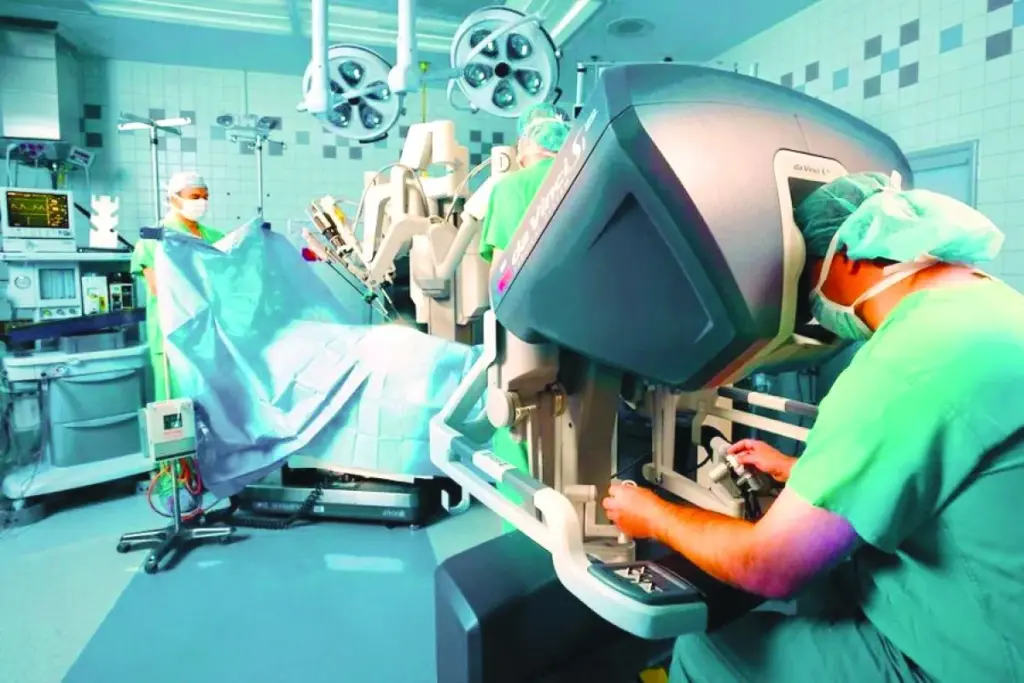
Bladder removal surgery, known as cystectomy, is a major surgery. It removes the bladder. This is often needed for patients with invasive bladder cancer or when other treatments fail. The surgery’s method depends on the patient’s condition and disease extent.
Types of Bladder Removal Surgery
There are two main types of bladder removal surgery: partial cystectomy and radical cystectomy. Partial cystectomy removes the diseased part of the bladder. Radical cystectomy removes the whole bladder and sometimes nearby organs or lymph nodes. The choice depends on the disease’s extent and location.
- Partial Cystectomy: Removing the diseased portion of the bladder.
- Radical Cystectomy: Removing the entire bladder and potentially surrounding organs or lymph nodes.
Reasons for Undergoing the Surgery
Bladder removal surgery is often for patients with bladder cancer. A urologist uses cystoscopy to check if surgery is needed. Cystoscopy uses a thin tube with a camera to see inside the bladder.
Knowing why bladder removal surgery is needed and the available procedures helps patients make informed choices. It’s important to talk about options and outcomes with a healthcare provider.
Recovery Process After Bladder Removal
Recovering from bladder removal surgery is a big deal. It involves taking care of yourself right after surgery and planning for the long term. Knowing what to expect is key.
Immediate Post-Surgery Care
Right after surgery, you’ll be watched closely in the hospital. Post-surgery care is all about managing pain, preventing infections, and making sure your new setup works right.
- Doctors will give you pain management meds to help with pain.
- Monitoring for infection is a big deal, with an eye out for fever or odd wound discharge.
- Your new urinary setup will be closely watched to avoid problems.
One patient said, “The care I got right after surgery was top-notch. The team was super attentive, which really helped my recovery.”
“The support from the healthcare team during the initial recovery phase was invaluable. It helped me navigate the challenges of post-surgery care.” –
A patient recovering from bladder removal surgery
Long-term Recovery Expectations
Over time, you’ll get back to doing things you love, but it takes different amounts of time for everyone. Follow-up care is key to keep an eye on how you’re healing and catch any issues early.
|
Recovery Aspect |
Short-term Expectations |
Long-term Expectations |
|---|---|---|
|
Physical Activity |
Limited mobility, gradual increase in activity |
Return to normal or near-normal physical activity |
|
Diet |
Initial dietary restrictions, gradual normalization |
Balanced diet, possible lifelong dietary changes |
|
Urinary Function |
Adjustment to urinary diversion or reconstruction |
Adaptation to new urinary function, possible lifestyle changes |
It’s also good to know about long-term complications like metabolic changes or issues with your urinary setup. Regular check-ups with your doctor are vital for managing these risks.
Having a strong support system is also super important. It makes a big difference in how well you recover and how you feel overall.
Life Expectancy Factors Post-Surgery
It’s important to know what affects life expectancy after bladder removal surgery. This includes health and lifestyle factors. Both patients and healthcare providers need to understand this.
Impact of Underlying Health Conditions
Health conditions before surgery can greatly affect life expectancy. Issues like diabetes, heart disease, and others can make recovery harder. They can also impact how long you live.
Table 1: Common Underlying Health Conditions Affecting Life Expectancy
|
Condition |
Impact on Life Expectancy |
|---|---|
|
Diabetes |
Increases the risk of complications and reduces life expectancy if not well-managed. |
|
Heart Disease |
Can lead to cardiovascular events, impacting overall survival. |
|
Chronic Kidney Disease |
May require dialysis or transplantation, affecting life expectancy. |
This highlights the importance of managing underlying health conditions to improve life expectancy post-surgery.
Importance of Regular Check-ups
Regular check-ups are critical after bladder removal surgery. They help monitor health and catch problems early. This can improve outcomes.
- Regular imaging tests, such as CT scans, to monitor for cancer recurrence.
- Follow-up appointments with healthcare providers to assess overall health.
- Laboratory tests to check for signs of complications or disease progression.
Keeping up with regular check-ups can greatly improve life expectancy and quality of life after surgery. Healthcare professionals stress the importance of early detection and management of complications for better patient outcomes.
Complications Associated with Bladder Removal
Bladder removal surgery is a lifesaving procedure but comes with complications. It’s important to know both immediate and long-term effects. This helps patients understand what to expect.
Common Surgical Complications
Any major surgery, like bladder removal, can have complications. Here are some common ones:
- Infection: Infection risk is present with any surgery. We take strict precautions to avoid it.
- Bleeding: Bleeding can happen during or after surgery. We closely monitor to manage it.
- Damage to surrounding organs: The bladder’s close location to other organs increases damage risk during surgery.
Long-term Complications to Watch For
After recovery, patients may face long-term issues. It’s important to know about these:
- Metabolic changes: Removing the bladder can affect nutrient processing, leading to metabolic problems.
- Osteoporosis: It can also affect calcium and vitamin D absorption, raising osteoporosis risk.
- Potential for tumor recurrence: Cancer patients may face tumor return risk. Regular check-ups are key.
The bladder biopsy is vital for monitoring complications, like tumor recurrence. Regular tests help catch issues early.
Knowing about these complications and following up closely can greatly improve life after surgery. We stress the need for thorough post-surgery care to manage these issues well.
Dietary Considerations After Surgery
Recovering from bladder removal surgery means making smart food choices. Eating right can help your body heal faster and stay healthy.
Nutritional Adjustments
Patients need to change their diet after surgery. These changes help with recovery:
- Eat more high-fiber foods like fruits, veggies, and whole grains to avoid constipation.
- Choose lean proteins like chicken, fish, and beans to help your body fix itself.
- Stay away from foods with a lot of sugar and salt to avoid problems.
Staying Hydrated
Drinking enough water is key after surgery. It helps get rid of bad stuff and aids in healing. Here’s what to do:
- Drink at least 8-10 glasses of water every day.
- Don’t drink things that dry you out, like coffee and alcohol.
Remember, everyone’s needs are different. Talking to a doctor or nutritionist can help you get the right diet for you.
|
Dietary Component |
Recommended Changes |
Benefits |
|---|---|---|
|
Fiber Intake |
Increase consumption of fruits, vegetables, and whole grains. |
Prevents constipation, supports digestive health. |
|
Protein Intake |
Consume lean proteins like poultry, fish, and legumes. |
Supports tissue repair and healing. |
|
Hydration |
Drink at least 8-10 glasses of water per day. |
Flushes out toxins, supports recovery. |
Psychological Impact of Bladder Removal
Bladder removal surgery is lifesaving for many but can deeply affect the mind. The choice to have this surgery can lead to strong emotions.
Understanding Emotional Reactions
Patients often feel anxious, depressed, and unsure about their future. These feelings can be strong and may need help from mental health experts. The emotional impact of bladder removal surgery is as big as the physical challenges.
Some common emotional reactions include:
- Fear of the unknown: Worries about the surgery’s outcome and future health.
- Loss of identity: Changes in bodily functions can affect self-esteem.
- Anxiety about lifestyle adjustments: Concerns about managing daily life post-surgery.
Seeking Mental Health Support
It’s key for patients to get mental health support to face these challenges. We suggest finding professionals who help patients through big medical procedures.
|
Mental Health Support Options |
Description |
Benefits |
|---|---|---|
|
Counseling |
One-on-one or group therapy sessions |
Provides emotional support and coping strategies |
|
Support Groups |
Connecting with others who have undergone similar experiences |
Offers a sense of community and understanding |
|
Mindfulness and Relaxation Techniques |
Methods such as meditation and deep breathing exercises |
Helps reduce stress and anxiety |
Lifestyle Adjustments After Bladder Removal
After bladder removal surgery, patients must make big lifestyle changes. These changes help manage their condition and improve their life quality. The specific adjustments depend on the patient’s health, the surgery type, and personal choices.
Modifications in Physical Activity
Physical activity is key for health, even after bladder removal surgery. Patients should slowly get back to their usual activities. But, they might need to adjust the type and intensity of these activities.
Starting with low-impact exercises like walking or swimming is a good idea. These activities boost heart health without straining the body too much.
|
Activity Type |
Recommended After Surgery |
Intensity Level |
|---|---|---|
|
Walking |
Yes |
Low |
|
Swimming |
Yes |
Low-Moderate |
|
Cycling |
Generally recommended |
Moderate |
|
Running |
Not initially recommended |
High |
Changes to Daily Routines
Patients also need to change their daily routines after surgery. This includes diet, fluid intake, and bowel habits adjustments.
For example, they might need to irrigate their ileal conduit or catheterizable pouch often. This helps prevent infections and ensures proper function.
Understanding Cystoscopy and Discomfort
Cystoscopy lets doctors see inside the bladder. It’s not directly related to bladder removal but might be part of follow-up care.
Many patients wonder if a cystoscopy hurts. Usually, it’s done with local anesthesia or sedation to reduce pain. Some might feel mild discomfort or pressure, but it’s short-lived.
Alternatives to Bladder Removal
Choosing to have bladder removal surgery is a big decision. Luckily, there are non-surgical treatments that might be a good alternative. It’s important to look at all options to make the best choice for your health.
Non-Surgical Treatment Options
For many, non-surgical treatments can manage conditions that might need bladder removal. These options include:
- Medications: To manage symptoms and underlying conditions.
- Lifestyle Changes: Dietary adjustments and pelvic floor exercises can significantly impact symptom management.
- Minimally Invasive Procedures: Techniques such as bladder instillations or nerve stimulation therapy.
These treatments can be customized to fit your specific needs. This offers a personalized care approach.
When to Consider Alternatives
Think about alternative treatments if your condition isn’t severe or if surgery is risky. Talk to your healthcare provider about:
- The severity of your condition and whether it can be managed with less invasive methods.
- Your overall health and how it might impact your surgery or recovery.
- The benefits and risks of alternative treatments.
By weighing these factors, you can make a well-informed decision. This might help you avoid bladder removal surgery.
It’s vital to work closely with your healthcare team to find the best treatment. We aim to support and guide you through these choices.
Support Systems for Patients
Patients who have their bladder removed find great help from support systems. These systems are key in tackling the many challenges of recovery.
Involvement of Caregivers
Caregivers are very important for patients after bladder removal surgery. They offer emotional support, help with daily tasks, and manage medicines.
Key Responsibilities of Caregivers:
- Assisting with personal care and hygiene
- Managing medication and treatment plans
- Providing emotional support and companionship
- Helping with dietary needs and nutrition
Support Groups and Resources
Support groups give patients and caregivers a place to share and find comfort. They know they’re not alone.
“Being part of a support group was a turning point in my recovery. It helped me understand that there were others going through similar challenges.” –
A patient testimonial
There are many resources available, like online forums, counseling, and educational materials. They help patients on their journey.
Here’s a look at the different parts of support systems:
|
Support System |
Description |
Benefits |
|---|---|---|
|
Caregivers |
Individuals providing daily care and support |
Emotional support, assistance with daily tasks |
|
Support Groups |
Communities sharing experiences and advice |
Comfort, advice, sense of community |
|
Online Resources |
Educational materials, forums, and counseling services |
Accessibility, variety of information, professional guidance |
Personal Stories: Life After Bladder Removal
Having a bladder removed is a big change in life. It brings new challenges and learning opportunities. We hear from people who have gone through this surgery, sharing their stories and lessons.
Patient Testimonials
Patients talk about their struggles and victories. For example, one person said,
“The first few months were hard, but I got used to my new way of going to the bathroom. It’s been a journey of finding myself and staying strong.”
Their stories show how vital support and understanding are after surgery.
Important points patients mention include:
- The need for detailed care and advice after surgery
- How diet affects their health
- The help of support groups for emotional and practical support
Lessons Learned From Experiences
Patients who had their bladders removed share important lessons. They stress the need to be adaptable and resilient. They’ve learned to face new challenges, like managing their new urinary system and dealing with emotional changes.
These stories also show how important it is to have caring healthcare providers. One patient said, “A kind healthcare team made a huge difference in my recovery and adjusting to my new life.”
Key lessons from these experiences are:
- The value of a strong support network
- The need for care plans tailored to each person
- The importance of connecting with others who have gone through similar things
Prognosis and Future Outlook
Knowing what to expect after bladder removal surgery is key for patients. It helps them understand their situation better and make smart choices about their health. We’ll look at what affects life expectancy and how care after surgery is getting better.
Factors Influencing Life Expectancy
Several things can change how long someone lives after bladder removal surgery. These include their overall health and how far the cancer has spread. People with other health issues or more advanced cancer might have a tougher time.
Improving Post-Surgery Care
Recent improvements in care after surgery are making a big difference. New surgical methods, better treatments like chemotherapy and radiation, and faster recovery plans are helping patients. Also, more support services are available to help with recovery.
As research keeps moving forward, we’ll see even more progress in treating bladder removal surgery outcomes. Keeping up with the latest in care can help patients recover better and live a healthier life.
FAQ
What is bladder removal surgery?
Bladder removal surgery, also known as cystectomy, is a procedure to remove the bladder. It’s often done to treat bladder cancer. We do this surgery with great care, knowing it’s a big deal for patients.
Why would a urologist do a cystoscopy?
A urologist does a cystoscopy to look inside the bladder and urethra. They check for things like cancer or stones. This helps us find and keep an eye on bladder problems.
Does a cystoscopy hurt?
A cystoscopy might hurt a bit, but we make it less painful. We use local anesthesia or sedation to make it more comfortable for our patients.
Will cancer show on an X-ray?
Some cancers might show up on an X-ray, but it depends on the cancer type and where it is. We use tests like CT scans to help diagnose and monitor cancer.
Can a urine test detect cancer?
Yes, some urine tests can find cancer, like bladder cancer. They look for specific markers or changes in the urine. But we use many tools to confirm cancer.
What are the dietary considerations after bladder removal surgery?
After surgery, we suggest changing your diet to manage risks and support your health. Drinking plenty of water is also key. We guide you on the best ways to stay hydrated.
How does bladder removal surgery impact life expectancy?
Life expectancy after surgery varies. It depends on your health, the cancer stage, and overall health. We keep a close eye on our patients’ health to address any issues and improve their care.
What are the possible complications of bladder removal surgery?
Bladder removal surgery can have risks, both short-term and long-term. We tell our patients about these risks and work to reduce them. This includes careful planning and post-operative care.
How can patients cope with the psychological impact of bladder removal surgery?
We know surgery can affect your emotions. Understanding your feelings and seeking mental health support is important. It helps you deal with this tough time.
Are there alternatives to bladder removal surgery?
Sometimes, there are non-surgical treatments. We talk about these options with our patients. We help them choose the best treatment for their situation.
What lifestyle adjustments are necessary after bladder removal surgery?
Patients may need to change their physical activity and daily routines after surgery. We guide you on these changes. This helps you adapt and keep a good quality of life.
How important are support systems for patients undergoing bladder removal surgery?
Support from caregivers, support groups, and resources is very important. We encourage our patients to use these systems. They help a lot during recovery and beyond.
National Center for Biotechnology Information. Evidence-Based Medical Insight. Retrieved from https://pubmed.ncbi.nlm.nih.gov/14963349/[5