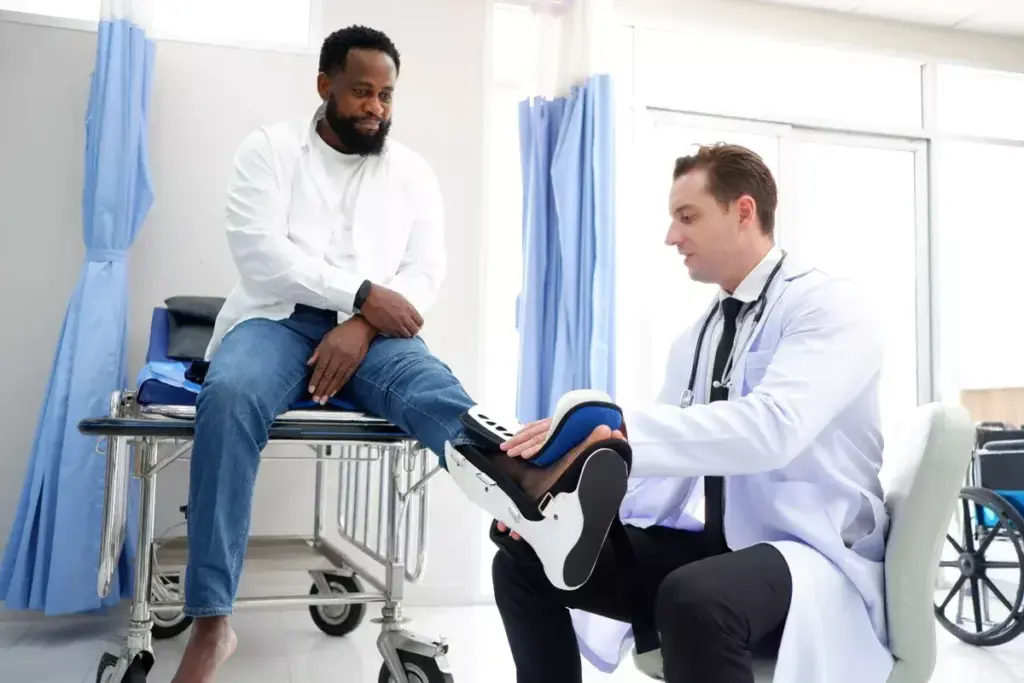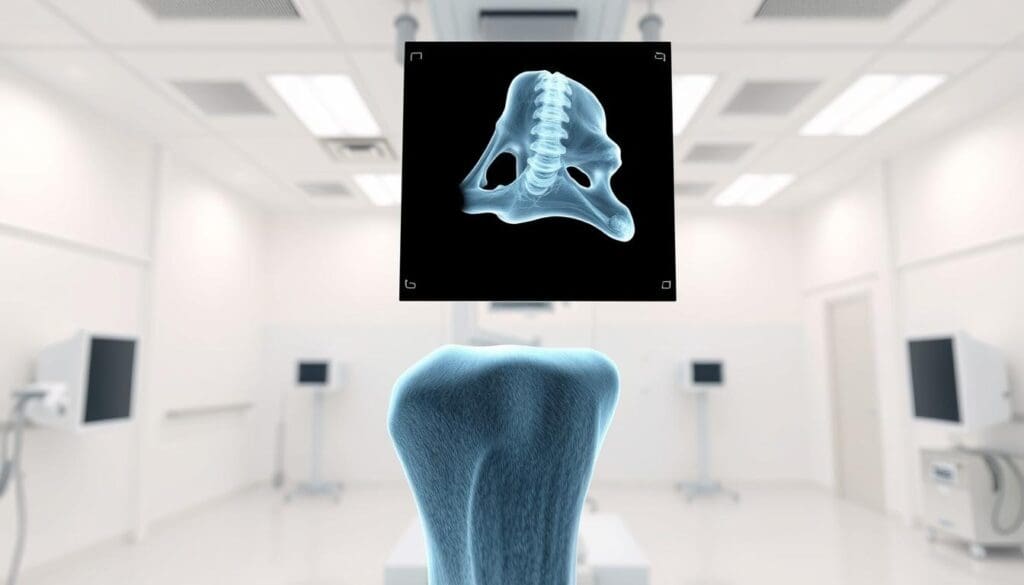
When it comes to diagnosing bone fractures, advanced imaging technologies play a vital role. At Liv Hospital, we use state-of-the-art CT scans to provide clear and detailed images of the body’s internal structures.
Many patients ask, “does a CT scan show broken bones?” The answer is yes—CT scans are highly effective in detecting fractures. They offer more detail than standard X-rays, showing not only the bones but also the surrounding muscles, fat, and organs. This helps doctors develop precise and personalized treatment plans.
By using CT scans, we ensure our patients receive accurate diagnoses and the best possible care for their injuries. At Liv Hospital, we’re committed to providing world-class healthcare with expert support and guidance.
Key Takeaways
- CT scans provide highly detailed images for diagnosing bone fractures.
- They offer a more complete view than traditional X-rays.
- CT scans help in creating personalized treatment plans.
- Liv Hospital uses the latest CT scan technology.
- Advanced imaging supports top-notch healthcare delivery.
The Science Behind CT Scan Technology for Bone Imaging
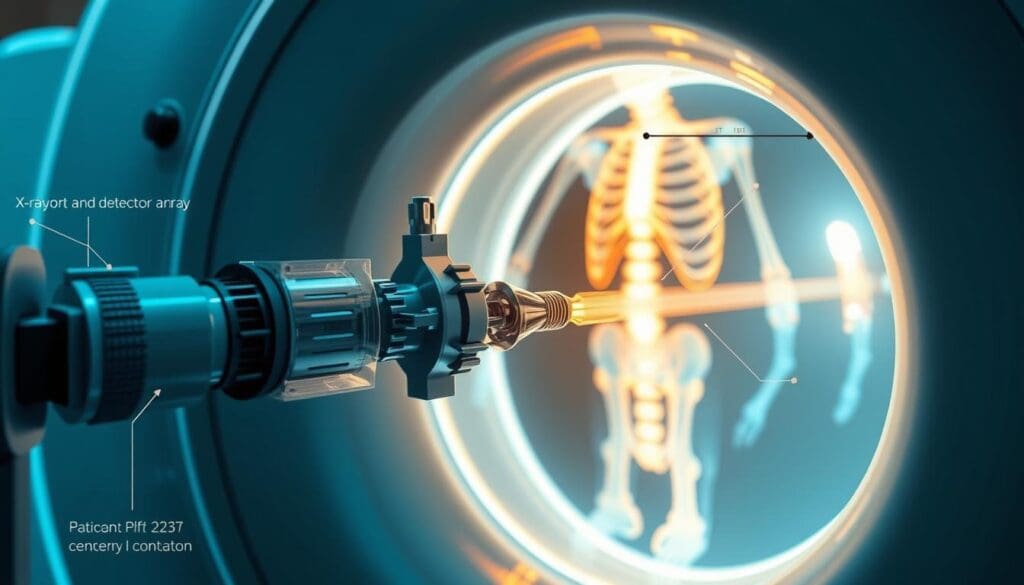
CT scan technology uses X-ray beams to capture detailed images of bones. It’s key for spotting bone fractures and injuries.
How CT Creates Cross-Sectional Images
CT scans make detailed images by combining X-rays from different angles. An X-ray source and detectors move around the patient. Then, a computer turns this data into images.
The Role of X-ray Beams in CT Scanning
X-ray beams are essential in CT scans. As the X-ray tube moves, it sends beams through the body. This captures data on tissue density, including bones, helping spot fractures.
Digital Processing and 3D Reconstruction
After capturing data, advanced tech is used to make images. This includes creating 3D bone models. These detailed images help doctors plan surgeries better.
| Feature | Description | Benefit |
| Cross-sectional Imaging | Captures detailed images of bone structures from multiple angles | Accurate diagnosis of complex fractures |
| X-ray Beams | Pass through the body, capturing tissue density data | Identifies fractures and assesses severity |
| 3D Reconstruction | Creates three-dimensional models of bone structures | Enhances surgical planning and treatment |
Understanding CT scan technology shows its importance in diagnosing and treating bone fractures.
Does a CT Scan Show Broken Bones? Understanding Its Diagnostic Power
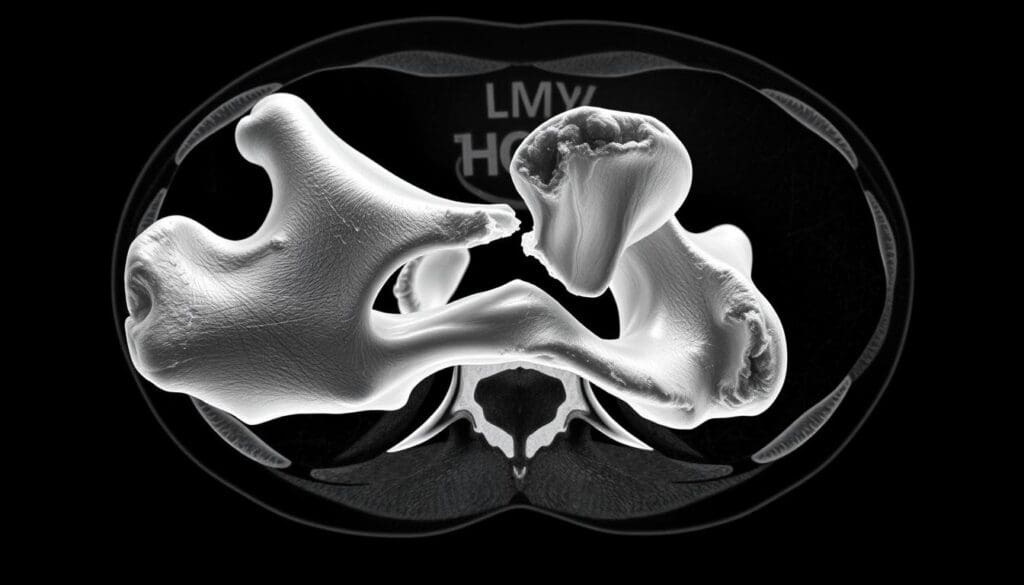
CT scans are key in showing broken bones. They give us clear images of bones, helping us spot fractures. This is vital for diagnosing bone injuries.
The 98% Accuracy Rate in Fracture Detection
Research shows CT scans can find fractures with 98% accuracy. This makes them a top choice for doctors. Their ability to show detailed bone images is why they’re so reliable.
CT scans help us see the fine details of bone fractures. This leads to more accurate diagnoses and treatment plans. Their high accuracy in finding fractures is why they’re so important in medicine.
Visualizing Bone Structure in Multiple Planes
CT scans can show bone structure in different planes. Unlike X-rays, which only show two dimensions, CT scans give us a three-dimensional view. This lets us see the fracture from all sides.
Seeing bone structures in multiple planes helps us understand the fracture better. It’s key for planning the right treatment.
Detecting Fractures Invisible to Other Imaging Methods
CT scans are great at finding fractures that other methods can’t see. They can spot hairline or stress fractures that X-rays miss. This makes them very useful for accurate diagnoses.
We often use CT scans to find fractures that aren’t obvious with other tests. Their ability to find even small fractures makes them essential in diagnosing bone injuries.
CT Scans vs. Traditional X-rays for Bone Fracture Diagnosis
CT scans and X-rays are both used in medical imaging. They have different advantages for detecting bone fractures. We’ll look at the differences to help you understand when to use each.
Comparing Sensitivity and Specificity
When diagnosing bone fractures, sensitivity and specificity are key. CT scans are more sensitive and specific than X-rays, which is great for complex or small injuries. They offer detailed cross-sectional images of bones, leading to more accurate diagnoses.
In a clinical setting, CT scans can spot fractures X-rays miss. This is true for complex areas like the spine or pelvis. A study showed CT scans found fractures in 98% of cases, while X-rays found them in 80%.
When X-rays Are Insufficient for Diagnosis
X-rays might not be enough for diagnosing some fractures. For example, hairline or stress-related fractures are hard to see on X-rays. Also, fractures in complex areas are tough to assess with X-rays alone. In these cases, a CT scan offers a clearer view, aiding in accurate diagnoses.
CT scans are also preferred in trauma cases or when there’s suspicion of multiple fractures. They quickly and accurately assess injury extent.
Cost-Benefit Analysis of Advanced Imaging
CT scans are pricier than X-rays, but their accuracy can lead to better patient outcomes. This can also reduce long-term healthcare costs. By providing precise diagnoses, CT scans can avoid unnecessary surgeries or treatments, benefiting both patients and the healthcare system.
Considering the costs and benefits, CT scans are often justified for diagnosing bone fractures. This is true when the fracture’s complexity or the patient’s condition requires advanced imaging.
Types of Bone Fractures Best Detected by CT Scans
Bone fractures vary in type, and CT scans are great at finding the tricky ones. They give us detailed images for diagnosing and treating many fractures.
Complex and Comminuted Fractures
CT scans are top-notch for spotting complex and comminuted fractures. These are tough to see with regular X-rays because of overlapping bone pieces. CT scans give us clear images for better diagnosis and treatment.
- Complex fractures have many pieces and need precise images for surgery planning.
- Comminuted fractures break bones into several pieces, making CT scans key for fracture extent assessment.
Hairline and Stress Fractures
Hairline and stress fractures are small bone cracks hard to spot with X-rays. CT scans are more sensitive in finding these tiny fractures, like in the tibia or foot bones.
- Hairline fractures are fine cracks from sudden impact or repeated stress.
- Stress fractures happen over time from repeated stress, common in athletes.
Fractures in Anatomically Complex Areas
Fractures in hard-to-reach spots, like the pelvis, spine, or face, are hard to diagnose and treat. CT scans give us detailed views of these areas. This helps doctors accurately assess and plan treatment.
We count on CT scans to help us diagnose and treat complex fractures. This ensures our patients get the best care.
The CT Scan Process for Suspected Bone Fractures
If you’re getting a CT scan for a possible fracture, knowing what to expect can ease your worries. We’ll explain the steps from getting ready to the actual scan.
Patient Preparation and Positioning
You’ll need to take off any metal items like jewelry or glasses before the scan. This is because metal can mess with the images. You might also have to wear a hospital gown. Sometimes, a contrast dye is used to make certain parts clearer. Our team will help you get ready and make sure you’re comfortable.
Duration and Experience During the Scan
The CT scan is usually very quick, lasting just a few minutes. You’ll lie on a table that moves into the scanner. You must stay very quiet and not move during the scan. The machine will move around you, taking pictures from different sides. For more details on what happens during a CT scan for bone fractures, check out our guide on CT scans for bone fractures.
Radiation Considerations and Safety Protocols
CT scans do involve some radiation, but we control the dose to keep you safe. Our place follows strict rules to make sure the scan’s benefits are worth the risk. We use the least amount of radiation needed to get clear images. You can trust that we’re looking out for your safety every step of the way.
How Radiologists Interpret Bone Fracture CT Scans
Radiologists use CT scans to accurately diagnose bone fractures. This is key for planning the right treatment. They look for specific signs to confirm a fracture’s presence and severity.
Identifying Fracture Lines and Patterns
Radiologists focus on finding fracture lines and patterns in CT scans. They look for breaks in the bone structure, seen as lines or fragments. The fracture’s pattern helps understand its severity and possible complications.
A study on PubMed Central shows how vital accurate fracture detection is with CT scans.
Assessing Displacement and Angulation
Radiologists also check the displacement and angulation of bone fragments. Displacement shows how far out of place the fragments are. Angulation is the angle between the fragments. This info is key for choosing the right treatment.
Here’s a table showing different fracture types based on displacement and angulation:
| Fracture Type | Displacement | Angulation |
| Non-displaced | Minimal | None |
| Displaced | Significant | Variable |
| Comminuted | Multiple fragments | Variable |
Evaluating Surrounding Soft Tissue Damage
Radiologists also check soft tissue around the fracture for damage or inflammation. They look for swelling, hematoma, or injuries to muscles, tendons, or ligaments. Knowing the extent of soft tissue damage helps in making a complete treatment plan.
By closely examining CT scans, radiologists give detailed info on bone fractures. They provide insights on location, severity, and soft tissue damage. This info is essential for making treatment decisions and improving patient outcomes.
CT Scans for Specific Body Regions
CT scans are key in finding fractures in different parts of the body. They give detailed images that help doctors see complex areas clearly.
Broken Ankle CT Scan Analysis
A broken ankle CT scan helps doctors see complex ankle fractures. It shows how bad the fracture is and if bones are out of place.
For example, a CT scan can show:
- The number and location of fracture lines
- The degree of displacement or angulation of bone fragments
- Involvement of surrounding soft tissues
This info is key for deciding the best treatment, like surgery or not.
CT Scan of the Leg for Complex Fractures
A CT scan of the leg is great for complex fractures not seen on X-rays. It shows the tibia and fibula clearly, helping doctors understand the fracture.
Using a CT scan for leg fractures has many benefits, such as:
- Accurate measurement of fracture displacement
- Identification of comminuted fractures
- Visualization of soft tissue damage
Pelvic and Acetabular Fracture Assessment
CT scans are very helpful for pelvic and acetabular fractures. The pelvis’s complex shape makes it hard to diagnose and treat with regular imaging.
A bone CT scan can:
- Provide detailed images of the fracture pattern
- Help in planning surgical interventions
- Assist in evaluating the integrity of the acetabulum
Facial and Orbital Bone Fracture Imaging
For facial and orbital bone fractures, CT scans give high-resolution images. These images are vital for diagnosis and treatment planning. They can spot small fractures missed by other methods.
The detailed info from a facial bone CT scan includes:
- The extent of fracture displacement
- Involvement of surrounding structures like sinuses or orbits
- Presence of any foreign bodies
This info is critical for maxillofacial surgeons to plan surgery. It helps restore function and looks to the affected area.
CT Scan vs. MRI for Bone Fracture Diagnosis
Two imaging methods are key in diagnosing bone fractures: CT scans and MRI. Each has its own benefits and is used in various situations for accurate diagnoses.
When Does MRI Show Bone Fractures?
MRI is great for finding fractures that X-rays or CT scans can’t see, like occult fractures or soft tissue damage. It shows both bone and soft tissue clearly, which is important for complex injuries.
It’s also very useful when a fracture also hurts ligaments or tendons. MRI can see these soft tissues very well.
CT Advantages for Acute Fracture Detection
CT scans are better for finding acute fractures, like those in the pelvis or spine. They give detailed images that help doctors see how bad the fracture is.
They’re often used in emergencies because they can quickly find fractures and help doctors act fast.
Complementary Roles in Comprehensive Diagnosis
CT scans are good at showing bone details, but MRI gives info on soft tissues. Together, they give a full picture of the injury, helping plan treatment.
We often use both CT scans and MRI together. This way, we make sure we understand the patient’s injury fully, which helps in choosing the best treatment.
How Bone CT Scans Guide Surgical Planning and Treatment
CT scans are key in giving detailed images for surgeons to plan and treat bone fractures. They are very important in understanding how complex a fracture is. This helps in creating the best surgical plan.
Preoperative Assessment and Strategy
Before surgery, CT scans help doctors see how bad the fracture is and plan the best way to fix it. Detailed 3D images let surgeons look closely at the fracture. They can then choose the best surgery and think about any possible problems.
3D Modeling for Complex Reconstructions
For hard fractures, 3D modeling from CT scans is very helpful. It lets surgeons see the fracture in 3D. This makes it easier to plan complex repairs. It’s great for fractures that are hard to fix because of their shape.
Intraoperative Navigation Using CT Data
During surgery, CT data helps guide the surgeon. It helps place and hold bone pieces in the right spot. This makes the surgery more precise, leading to better results.
Monitoring Fracture Healing Through Follow-up Imaging
After surgery, CT scans check how the fracture is healing. This lets doctors see if the treatment is working. They can then change the treatment plan if needed.
| Aspect | Preoperative | Intraoperative | Postoperative |
| Role of CT Scan | Assessment and planning | Navigation and alignment | Monitoring healing |
| Benefits | Detailed 3D images for complex fractures | Real-time guidance for precise alignment | Assessment of fracture healing and treatment adjustment |
Using bone CT scans, doctors can make surgeries for bone fractures more accurate and effective.
Conclusion: Advancing Bone Fracture Diagnosis Through CT Technology
CT scans play a key role in finding bone fractures. This technology has changed how we diagnose orthopedic issues. It gives us detailed images, helping us spot fractures in hard-to-reach areas.
Thanks to CT scans, doctors can now diagnose and treat bone fractures more accurately. This leads to better care for patients. The scans show the full extent of the fracture, helping doctors plan surgeries and track healing.
As we keep improving bone fracture diagnosis with CT scans, we can give better care to those with complex fractures. The answer to whether a CT scan can show broken bones is a clear yes. This technology is essential in orthopedic care.
FAQ
Will a CT scan show broken bones?
Yes, CT scans are very good at finding broken bones and fractures. They show detailed images from different angles, helping spot even complex fractures.
Does a CT scan show bone fractures more accurately than an X-ray?
Usually, CT scans are more precise than X-rays in finding bone fractures. This is because they give a clearer view of the bone structure.
Can a CT scan detect hairline fractures?
Yes, CT scans can find hairline fractures that X-rays might miss. Their high sensitivity makes them great for spotting small fractures.
How does a CT scan work to show bone fractures?
CT scans use X-rays and digital tech to make detailed bone images. They take many images from different sides, then put them together into cross-sections.
Is a CT scan better than an MRI for detecting acute bone fractures?
For quick and accurate fracture detection, CT scans are often the better choice. MRI is better for looking at soft tissues.
Can a CT scan be used to monitor fracture healing?
Yes, CT scans can track how fractures are healing. They show detailed images that help see how well the bone is repairing itself.
Are CT scans safe for diagnosing bone fractures?
CT scans use radiation, but they are usually safe for finding complex fractures. We follow strict safety rules to keep exposure low.
How long does a CT scan take for diagnosing a bone fracture?
Scanning itself takes just a few minutes. But getting ready and finding the right position can add to the time at the imaging center.
Can CT scans detect fractures in anatomically complex areas?
Yes, CT scans are great for finding fractures in hard-to-reach places like the pelvis, acetabulum, and facial bones. They provide the detailed images needed.
Do CT scans provide 3D images of bone fractures?
Yes, CT scans can be turned into 3D models through digital processing. These models are very helpful for planning surgery and understanding complex fractures.
How do radiologists interpret CT scans for bone fractures?
Radiologists look at the images to spot fracture lines, check for displacement, and see any soft tissue damage. They give a full diagnosis.
Are CT scans used for guiding surgical planning for bone fractures?
Yes, CT scans are key in planning surgery for fractures. They help create detailed 3D models and assess how complex the fracture is.
Reference
- Sadozai, Z., Davies, R., & Warner, J. (2016). The sensitivity of CT scans in diagnosing occult femoral neck fractures. Injury, 47(12), 2769–2771. https://pubmed.ncbi.nlm.nih.gov/27771042/
- Haims, A. H., Wang, A., Yoo, B. J., & Porrino, J. (2021). Negative predictive value of CT for occult fractures of the hip and pelvis with imaging follow-up. Emergency Radiology, 28(2), 259–264. https://pubmed.ncbi.nlm.nih.gov/32844321/