
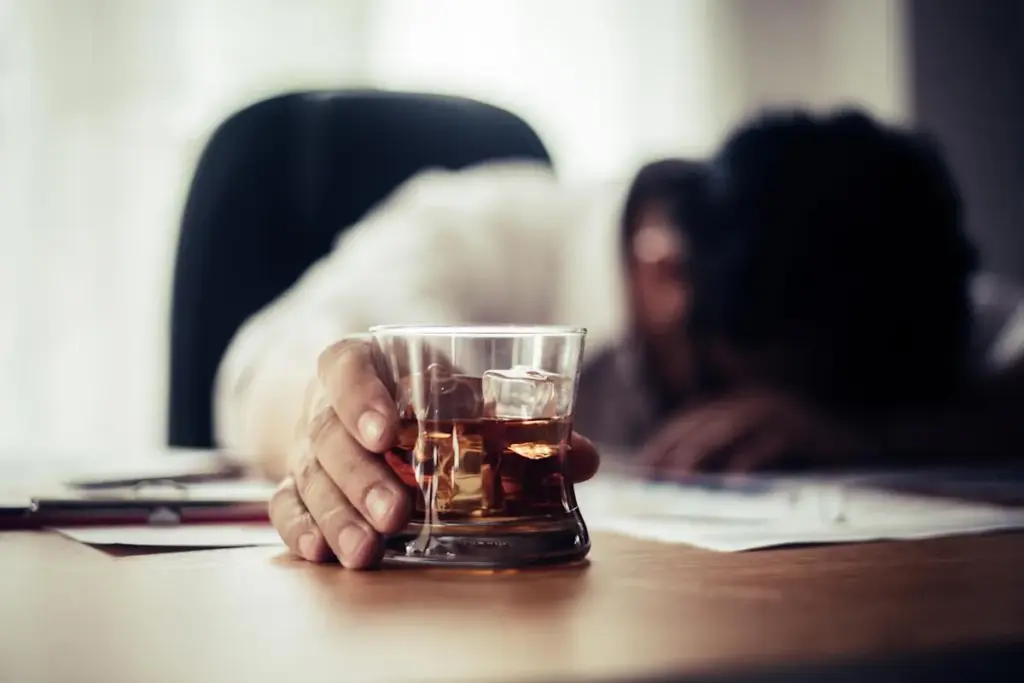
Many people wonder if their anxiety symptoms are linked to alcohol consumption. The answer is not a simple yes or no. Studies show that alcohol and anxiety disorders affect each other in a complex way.
It’s important to understand this complex link for those who experience panic attacks or anxiety after drinking. To tackle alcohol-related anxiety, we need a complete approach.
Key Takeaways
- Drinking alcohol can cause new anxiety and make existing symptoms worse.
- The link between alcohol and anxiety is complex and goes both ways.
- Heavy drinking regularly can lead to anxiety disorders.
- Alcohol can make anxiety and panic attacks worse.
- Drinking less can help reduce anxiety symptoms.
The Complex Relationship Between Alcohol and Anxiety

Alcohol use disorders and anxiety disorders are closely linked. Having one can increase the risk of getting the other. We’ll dive into how alcohol and anxiety affect each other.
Understanding the Bidirectional Connection
The link between alcohol and anxiety is a cycle. Drinking can seem to ease anxiety at first, but it can make it worse. People with anxiety might turn to alcohol to cope, which can lead to alcohol addiction.
Statistics on Comorbidity Rates
Studies show that having one condition raises the risk for the other. About 10-40% of alcoholics have anxiety disorders. Also, 10-20% of those with anxiety turn to alcohol or drugs.
| Condition | Comorbidity Rate | Description |
| Alcoholism | 10-40% | Experience panic-related anxiety disorders |
| Anxiety Disorders | 10-20% | Abuse alcohol or other substances |
It’s key to understand how alcohol and anxiety are connected. This knowledge helps in creating better treatments. Healthcare professionals can tackle these issues more effectively by knowing about their interplay.
How Does Alcohol Cause Anxiety?
Alcohol and anxiety are linked because alcohol changes brain chemistry, affecting GABA levels. It impacts the brain in several ways, causing both immediate and lasting anxiety effects.
Short-Term Effects: Initial Relaxation
At first, alcohol can make you feel relaxed by boosting GABA, a key neurotransmitter. This can make it seem like a good way to handle anxiety. But, this calm feeling doesn’t last and can actually make anxiety worse.
Key short-term effects include:
- Initial relaxation due to GABA stimulation
- Reduced inhibitions and anxiety
- Potential for increased anxiety upon withdrawal
Long-Term Impact: GABA Depletion
Drinking a lot over time can lower GABA levels, affecting anxiety. Without enough GABA, the nervous system can get too active. This can lead to more tension and panic attacks. It also makes people more likely to develop anxiety disorders.
The long-term effects of alcohol on GABA include:
- GABA depletion
- Increased anxiety and tension
- Higher risk of panic attacks and anxiety disorders
Alcohol’s Effect on the Amygdala
Alcohol also changes the amygdala, the part of the brain that handles negative feelings. Drinking a lot can make the amygdala more sensitive to stress. This can lead to more anxiety and even anxiety disorders.
The impact on the amygdala includes:
- Increased reactivity to stress
- Enhanced negative emotional processing
- Potential for heightened anxiety levels
Knowing how alcohol causes anxiety is key to treating alcohol-related anxiety. By understanding how alcohol affects the brain, we can find better ways to treat and prevent anxiety.
Alcohol and Panic Attacks: The Connection
The link between drinking alcohol and panic attacks is complex. Alcohol might seem to calm anxiety at first. But it can actually make panic attacks worse or even start them in some people.
Triggers for Alcohol-Induced Panic Attacks
Several things can make you more likely to have panic attacks after drinking. These include:
- The amount and how often you drink
- How your body reacts to alcohol
- Any mental health issues, like anxiety disorders
- Genetic factors that might make you more prone to anxiety or panic
Drinking alcohol can calm you down at first. But as your body gets rid of it, you might feel more anxious. This can lead to panic attacks.
Withdrawal Symptoms and Panic Episodes
Stopping alcohol use can also lead to panic attacks. When your body stops getting alcohol, it can feel anxious and might have panic episodes.
Going through withdrawal many times can change your brain. It makes you more likely to have panic attacks. Drinking a lot can also harm the part of your brain that handles negative feelings, making panic attacks more likely.
- The role of GABA depletion in alcohol-induced panic attacks
- The impact of chronic alcohol use on the amygdala and emotional regulation
- The possible increase in anxiety sensitivity from repeated withdrawal episodes
Understanding these factors helps us see how drinking and panic attacks are connected. This knowledge can guide us in finding ways to reduce this risk.
Conclusion
It’s important to understand how alcohol and anxiety are connected. We’ve seen how drinking can make anxiety worse and even cause panic attacks. This shows a strong link between the two.
Can drinking alcohol lead to general anxiety disorder? Yes, it can. Many people find that alcohol makes them anxious. Even a little wine can cause anxiety in some, making us wonder if wine can lead to anxiety too.
Alcohol affects our brain’s chemistry and areas like the amygdala. Knowing this helps us see why it can cause anxiety. It’s key for those with anxiety to be aware of alcohol’s risks.
If you’re dealing with anxiety or panic attacks linked to drinking, get help. Knowing the dangers and taking action can help protect your mental health.
FAQ
Can alcohol cause general anxiety disorder?
Yes, drinking can lead to general anxiety disorder. We’ll look into how alcohol and anxiety are linked. This includes how alcohol can make anxiety worse.
Does alcohol cause panic attacks?
Alcohol can cause panic attacks, mainly during withdrawal or with too much drinking. We’ll dive into the link between alcohol and panic attacks. This includes the brain changes that happen.
Can drinking cause panic attacks?
Yes, drinking can cause panic attacks, mostly in those who are anxious or have panic disorder. The link between alcohol and panic attacks is complex. It involves many factors.
Can alcohol trigger anxiety?
Alcohol can trigger anxiety, mainly with too much drinking or during withdrawal. We’ll talk about how alcohol leads to anxiety. This includes its immediate effects and how it changes GABA levels over time.
What is the relationship between alcohol and anxiety disorders?
Alcohol use disorders often go hand in hand with anxiety disorders. This shows a complex relationship between the two. We’ll share statistics to show how common this is.
Can alcohol affect anxiety?
Yes, alcohol can impact anxiety, in both good and bad ways. It might relax you at first but can make anxiety worse over time.
Is there a link between beer and anxiety?
Beer, like other alcohol, can lead to anxiety, mainly with too much drinking. The connection between beer and anxiety depends on drinking habits and anxiety risk.
Can wine cause anxiety?
Wine, like other alcohol, can cause anxiety, mainly with too much drinking. The ways wine causes anxiety are similar to other alcohol types.
Can alcohol cause anxiety attacks?
Yes, alcohol can lead to anxiety attacks, mainly during withdrawal or with too much drinking. We’ll explore what triggers these attacks. We’ll also look at how withdrawal symptoms play a role.
References:
National Center for Biotechnology Information. Evidence-Based Medical Guidance. Retrieved from https://pubmed.ncbi.nlm.nih.gov/22429949/