

Have you taken antibiotics and then got thrush or nasal candidiasis? You’re not alone. Antibiotic use is a common cause of Candida overgrowth. Yet, many patients and healthcare providers miss this link.
At Liv Hospital, we focus on understanding medication side effects and providing full care. Antibiotics kill both good and bad bacteria. But fungi like Candida keep growing. Research from the University of Melbourne shows antibiotics cause an imbalance. This leads to yeast overgrowth, often in the mouth or nasal passages.
Key Takeaways
- Antibiotic use can lead to Candida overgrowth by disrupting the natural microbiome.
- Candida is a yeast that normally resides on the skin and in the mouth, digestive tract, and vagina.
- Thrush or nasal candidiasis can occur when Candida multiplies freely due to antibiotic use.
- Understanding the connection between antibiotic use and Candida overgrowth is key for full care.
- Research supports the link between antibiotic use and imbalance in the microbiome.
The Connection Between Antibiotics and Fungal Overgrowth

Antibiotics are meant to fight bacterial infections. But they can also upset the balance between fungi and bacteria in our bodies. This can cause fungi, like Candida albicans, to grow too much. This fungus is usually found in our noses and other mucous membranes.
When we take antibiotics, they kill not just the bad bacteria but also the good ones. This lets fungi like Candida albicans grow out of control. This can cause infections such as thrush or nasal candidiasis.
How Antibiotics Disrupt the Natural Microbiome
Our bodies have a complex mix of microbes that are vital for our health. Antibiotics change this mix by killing bacteria. This can help fight infections but also lets fungi grow more easily.
Studies show that antibiotics can make Candida grow more. This can lead to infections. For example, up to 96 percent of chronic sinus infections might be caused by fungi, with Candida albicans being a common cause.
Long-term Effects of Antibiotic Use on Bacterial Balance
Using antibiotics a lot can change our body’s bacterial balance for good. This makes it harder for our body to keep fungi in check.
| Effects of Antibiotic Use | Short-term | Long-term |
| Bacterial Reduction | Immediate reduction in both harmful and beneficial bacteria | Potential for long-term imbalance in microbiome |
| Fungal Growth | Initial increase in fungal colonization | Increased risk of chronic fungal infections |
| Health Implications | Risk of developing thrush or nasal candidiasis | Potential for recurring infections and other complications |
For more info on managing and preventing Candida overgrowth, check out Prospect Medical’s Candida resource.
Candida in Nose and Oral Cavity: Recognizing the Problem
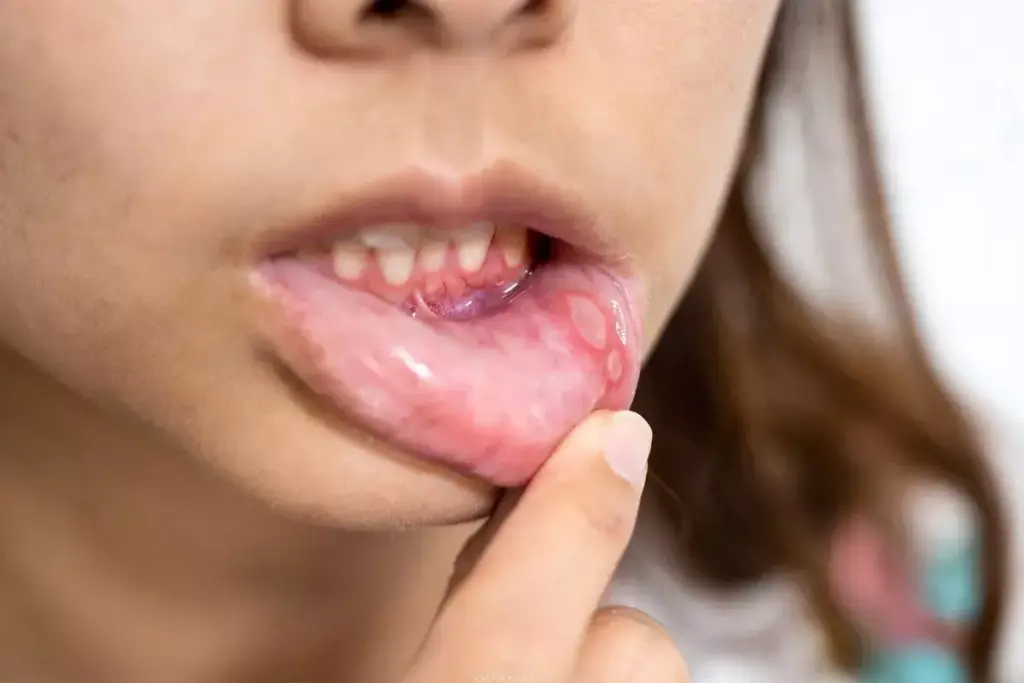
It’s important to know how antibiotics can lead to Candida overgrowth in the nose and mouth. Candida albicans is a fungus found on our skin and mucous membranes. But, when antibiotics upset the balance, Candida can grow too much, causing infections like thrush.
Nasal Candidiasis: Symptoms and Prevalence
Nasal candidiasis happens when Candida grows too much in the nose. Symptoms include constant nasal congestion, postnasal drainage, and a feeling of cotton in the nose. Candida infections are a big worry for people with weak immune systems or those on long antibiotic treatments.
While not as well-studied as other candidiasis types, nasal candidiasis is a concern for those at risk. We’ll look into the latest research to understand this issue better.
Research on Fungal Sinus Infections
Fungal sinus infections, like those from Candida, are becoming more of a concern. Studies show they’re a big cause of sinusitis, mainly in those with chronic sinusitis or after sinus surgery. The symptoms can be hard to tell apart from bacterial sinusitis.
It’s key to diagnose and treat fungal sinus infections properly. This might involve antifungal meds or surgery to remove fungal debris.
| Symptoms | Prevalence | Treatment Options |
| Nasal congestion, postnasal drainage, cottony feeling in the nose | More common in individuals with compromised immune systems or prolonged antibiotic use | Antifungal medications, improved oral hygiene, probiotics |
| Thrush: white patches, redness, soreness in the mouth | Common in individuals with weakened immune systems, diabetes, or using inhalers | Antifungal mouthwashes, lozenges, or systemic antifungals |
Thrush Without White Patches: Hidden Symptoms
Thrush is often seen with white patches in the mouth. But, it can also show without these signs. Some people might feel a cottony texture, taste loss, or mouth soreness. Spotting these hidden signs is key, mainly for those at risk from antibiotics or other factors.
We need to watch for thrush in different ways. This means being on the lookout for symptoms that aren’t obvious and considering the patient’s overall health.
Conclusion: Managing and Preventing Antibiotic-Induced Candida Overgrowth
It’s important to know how antibiotics can affect our health. They can upset the balance of good bacteria in our bodies. This can lead to fungal infections like thrush and nasal candidiasis.
To avoid these problems, we need to keep our microbiome in balance. Using antifungal creams or medications can help treat candidiasis. Probiotics might also help with oral thrush. People taking antibiotics should be careful and take steps to prevent issues.
Can antibiotics cause thrush? Yes, they can, and it’s more common in adults. Knowing the connection between antibiotics and thrush helps prevent oral candidiasis after antibiotics. By staying informed and proactive, we can lower our risk of getting thrush.
By managing antibiotics wisely and keeping our microbiome healthy, we can lower the risk of candida overgrowth. This helps us stay healthy and well overall.
FAQ:
Can antibiotics cause thrush?
Yes, antibiotics can disrupt normal microbial balance, allowing Candida overgrowth that leads to thrush.
Can you have thrush without white patches?
Yes, early Candida infections may cause soreness, burning, or redness without visible white patches.
Do antibiotics cause Candida overgrowth in the nose?
Yes, antibiotics can reduce beneficial bacteria in the nasal passages, allowing Candida to multiply.
Can you get thrush from antibiotics?
Yes, especially broad-spectrum antibiotics that disturb normal bacterial flora, increasing the risk of Candida infections.
Does thrush cause mucus in the throat?
Thrush can lead to thick mucus or a coated feeling in the throat due to fungal overgrowth.
Can antibiotics cause oral candidiasis?
Yes, antibiotic use can trigger oral candidiasis by disrupting the balance of mouth bacteria.
How can I prevent antibiotic-induced Candida overgrowth?
Take antibiotics only as prescribed, maintain good oral hygiene, and consider probiotics to support healthy microbial balance.
What are the symptoms of nasal candidiasis?
Symptoms include nasal irritation, burning, congestion, crusting, and sometimes a white coating in the nostrils.
Can probiotics help prevent thrush after antibiotics?
Yes, probiotics can help restore healthy microbial balance and reduce the risk of Candida overgrowth.
References:
National Center for Biotechnology Information. Evidence-Based Medical Insight. Retrieved from https://pmc.ncbi.nlm.nih.gov/articles/PMC9531752/