Astigmatism is a common eye problem that affects millions. It happens when the cornea is not shaped right. This can make vision blurry and sometimes cause double vision. We’ll look into how astigmatism and double vision are linked, so you know more about it.
Not everyone with astigmatism sees double. But, if it’s not treated or is very bad, it can cause double vision in one eye. Our eye doctors do detailed checks to find out why you’re seeing things differently. Then, they suggest treatments that fit your needs.
Key Takeaways
- Astigmatism is a common eye condition that can cause blurry vision.
- Uncorrected or severe astigmatism can lead to double vision.
- Our eye care professionals provide personalized treatment plans.
- Thorough evaluations are conducted to determine the underlying cause of vision problems.
- Understanding the connection between astigmatism and double vision is key to keeping your eyes healthy.
Understanding Astigmatism: The Basics

Astigmatism is a vision problem caused by an irregularly shaped cornea or lens. This irregular shape stops light from focusing right on the retina. This leads to blurry vision at all distances.
What Is Astigmatism?
Astigmatism happens when the cornea or lens isn’t perfectly round. Normally, these parts of the eye are round, letting light focus well on the retina. But with astigmatism, the shape is off, causing blurry vision.
How Common Is Astigmatism?
Astigmatism is quite common. It can happen alone or with other vision issues like nearsightedness or farsightedness. Many people have some degree of astigmatism.
Prevalence of Astigmatism | Age Group |
30% | Children under 18 |
40% | Adults 18-40 |
50% | Adults over 40 |
Types of Astigmatism
Astigmatism can be different types based on the shape and other vision problems.
- Regular Astigmatism: The most common, with a consistent, irregular shape.
- Irregular Astigmatism: Less common, often from injury or keratoconus, with an unpredictable shape.
- Myopic Astigmatism: When one or both meridians are nearsighted.
- Hyperopic Astigmatism: When one or both meridians are farsighted.
- Mixed Astigmatism: When one meridian is nearsighted and the other is farsighted.
How Astigmatism Develops and Changes

Astigmatism can start at any age, and knowing how it changes is key to managing it. It happens when the cornea or lens is not round, causing blurry or distorted vision. This can really affect someone’s life, so it’s important to understand how it develops and changes.
Congenital vs. Acquired Astigmatism
Astigmatism can be either congenital or acquired. Congenital astigmatism is present from birth, often due to genetics. Acquired astigmatism, on the other hand, develops later in life. It can be caused by eye injuries, certain diseases, or improper contact lens use.
Studies show that many children are born with astigmatism. Acquired astigmatism can happen for many reasons, including:
- Eye surgeries or injuries
- Certain eye diseases like keratoconus
- Improperly fitted or used contact lenses
Can You Develop Astigmatism Later in Life?
Yes, you can get astigmatism later in life. Eye diseases, injuries, or surgeries can cause it. For example, cataract surgery might lead to astigmatism if the cornea is affected.
Also, as we age, our cornea or lens shape can change. This can lead to astigmatism.
Factors That May Worsen Astigmatism
Several things can make astigmatism worse, including:
Factor | Description | Impact on Astigmatism |
Eye Diseases | Conditions like keratoconus can significantly affect the cornea’s shape. | Can lead to increased astigmatism |
Eye Injuries | Trauma to the eye can alter the cornea’s or lens’s shape. | May cause or worsen astigmatism |
Improper Contact Lens Use | Incorrectly fitted or used contact lenses can exert pressure on the cornea. | Can lead to astigmatism or make it worse |
An eye care professional notes, “Knowing what causes astigmatism is key to managing it. Regular eye exams can catch astigmatism early, allowing for timely treatment.”
“The shape of the cornea or lens is critical for vision. Changes in shape, due to genetics or later in life, can greatly affect vision.” — Eye Care Specialist
In summary, astigmatism can start or change at any age due to many factors. Understanding these factors is vital for managing the condition well.
Common Symptoms of Astigmatism
Astigmatism can cause many symptoms that make daily life harder. Knowing these symptoms helps you find the right treatment.
Blurry Vision and Visual Distortion
Blurry vision is a big symptom of astigmatism. It makes it hard to see details, whether you’re reading or driving.
It can also make things look wrong or distorted. This can happen with both close and far objects.
Eye Strain and Headaches
Astigmatism can lead to eye strain and headaches. This is because your eyes work harder to focus. Long periods of looking at things can cause eye and head pain.
Squinting and Night Vision Problems
People with astigmatism often squint to see better. They also have trouble seeing at night. This makes driving or walking in the dark harder.
Does Astigmatism Cause Dizziness?
Astigmatism mainly affects your vision. But, it might also cause dizziness. The way astigmatism distorts vision can make it hard to balance, leading to dizziness.
Symptom | Description | Impact on Daily Life |
Blurry Vision | Distorted vision at all distances | Difficulty with reading, driving, and other activities |
Eye Strain | Discomfort due to focusing effort | Fatigue, headaches |
Squinting | Attempting to see more clearly | Temporary relief, but ongoing strain |
Night Vision Problems | Difficulty seeing in low light | Challenges with driving or navigating at night |
Does Astigmatism Cause Double Vision?
The link between astigmatism and double vision is complex. Astigmatism happens when the eye’s cornea or lens is not shaped right. This leads to blurry or distorted vision. But, the connection to double vision is not always clear.
The Relationship Between Astigmatism and Diplopia
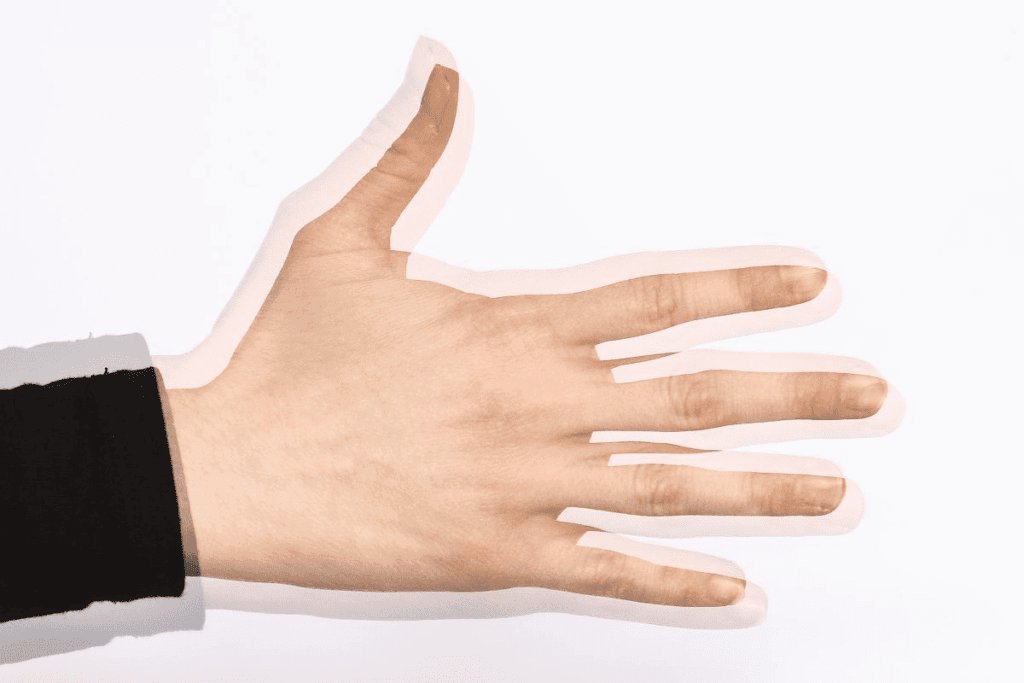
Astigmatism can cause double vision in one eye, known as monocular diplopia. This happens when the eye’s shape distorts light. Unlike double vision from eye misalignment, monocular diplopia is about the eye’s optical issues.
Monocular diplopia from astigmatism is rare. It usually happens with high astigmatism levels. The eye sees light focused at two points, causing double vision.
When Astigmatism May Lead to Double Vision
Astigmatism can cause double vision under specific conditions. These include:
- High levels of astigmatism: Significant irregular curvature can cause noticeable distortion.
- Irregular astigmatism: Uneven curvature of the cornea or lens can lead to complex optical aberrations.
- Co-existing eye conditions: Presence of other eye conditions, such as cataracts or keratoconus, can exacerbate visual disturbances.
In these cases, glasses or contact lenses can help. They improve vision and may reduce double vision.
Research on Astigmatism and Monocular Diplopia
Studies have looked into astigmatism and double vision. Astigmatism often causes visual distortion but rarely double vision. Yet, significant or irregular astigmatism can lead to double vision.
One study found that monocular diplopia is more common in those with high astigmatism, mainly irregular astigmatism. Another study stressed the need for thorough eye exams. This is to find the cause of double vision, as it can stem from many eye issues.
It’s key to understand how astigmatism and double vision are connected. Astigmatism can cause monocular diplopia. But, other causes must be ruled out with a detailed eye exam.
Experiencing Vision with Astigmatism
Living with astigmatism means seeing the world in a different way. Objects might look blurry or distorted. This can make everyday activities harder.
What Vision with Astigmatism Looks Like
People with astigmatism see the world in unique ways. Everything can look blurry, and images may be distorted. Lines and edges might seem irregular.
For example, someone with astigmatism might find street signs hard to read. Driving at night can be even tougher because of glare from lights.
Mild vs. Severe Astigmatism Visual Experiences
The level of astigmatism affects how much it impacts vision. Mild astigmatism might cause slight blurriness. But severe astigmatism can lead to more serious vision problems.
Aspect of Vision | Mild Astigmatism | Severe Astigmatism |
Visual Clarity | Slightly blurry | Significantly blurry or distorted |
Daily Impact | Minimal impact on daily tasks | Significant challenges in daily activities like reading or driving |
Corrective Measures | May require glasses or contacts for correction | Often requires stronger corrective lenses or surgical intervention |
How Astigmatism Affects Daily Activities
Astigmatism can make daily tasks harder. It affects everything from reading to driving at night. The impact depends on how severe the astigmatism is.
For instance, it can be tough to read small text or see things far away. This can cause eye strain and headaches, making life more difficult.
Wearing glasses or contact lenses can help a lot. They improve how clearly you can see and reduce eye strain. In some cases, surgery might be an option to fix astigmatism for good.
Monocular vs. Binocular Double Vision
Monocular and binocular double vision are key terms in eye care. They help doctors figure out what’s wrong and how to fix it. Double vision makes simple tasks hard, so knowing the cause is key.
Understanding Monocular Diplopia
Monocular diplopia means seeing double with one eye. It can happen due to astigmatism, cataracts, or eye problems. Astigmatism makes light focus in two places, causing blurry or double vision.
Monocular diplopia’s signs include:
- Seeing double even with the other eye closed
- Often linked to eye strain or tired eyes
- Can stem from various eye issues, like astigmatism
Understanding Binocular Diplopia
Binocular diplopia happens when both eyes are open but goes away with one eye closed. It’s usually due to eye misalignment. This can be from muscle or nerve problems.
Binocular diplopia’s main traits are:
- Double vision that gets better or goes away with one eye covered
- Linked to eye alignment or movement issues
- Can be caused by neurological or muscle disorders
How to Tell the Difference
Telling monocular from binocular double vision is easy. Just cover one eye and then the other. If double vision stays with one eye covered, it’s monocular. If it gets better or goes away, it’s binocular.
Knowing the difference is vital for doctors to treat eye problems right. By figuring out if it’s monocular or binocular, they can find the cause and plan treatment.
Other Common Causes of Double Vision
Double vision can be scary, and knowing why it happens is key. Astigmatism is one reason, but other eye problems and health issues can also cause it.
Dry Eyes and Corneal Conditions
Dry eyes and corneal issues often lead to double vision. Dry eye happens when the eyes don’t make enough tears or when the tears are bad. This causes eye pain and vision problems. Corneal conditions like keratoconus, where the cornea gets thin and bulges, can also cause double vision. This is because the irregular shape of the cornea affects how light enters the eye.
Cataracts and Lens Problems
Cataracts, which cloud the lens in the eye, can cause double vision and other vision issues. The lens is important for focusing light on the retina. Any clouding or distortion can lead to vision problems. Lens problems, like lens subluxation (where the lens is out of place), can also cause double vision.
Neurological Conditions
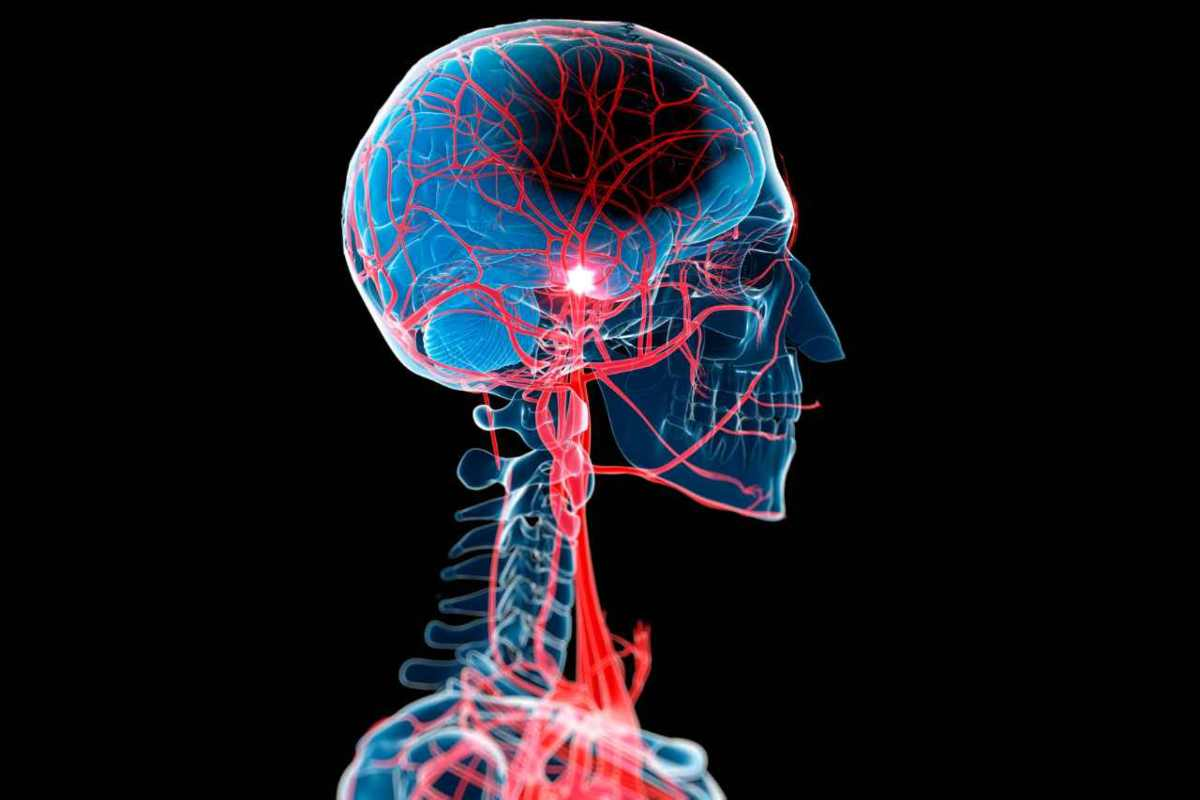
Neurological conditions can greatly affect vision, including causing double vision. Multiple sclerosis, which affects the central nervous system, can damage nerves controlling eye movements. This leads to double vision. Other conditions like stroke or brain tumors can also affect vision by impacting the brain’s ability to process visual information.
Eye Muscle Disorders
Eye muscle disorders, such as strabismus (crossed eyes) or ophthalmoplegia (weakness or paralysis in the eye muscles), can cause double vision. These conditions affect how the eyes align or move. This makes it hard for the brain to combine images from both eyes into one clear picture.
It’s important to understand these causes to get the right treatment. If you’re seeing double, see an eye care professional. They can find out why and help fix it.
Diagnosing Astigmatism and Double Vision
A thorough eye check is key to spotting astigmatism and its effects, like double vision. Tests are set up to check the eyes’ health and vision quality.
Comprehensive Eye Examination
Starting with a detailed eye check is the first step for finding astigmatism. This check includes tests for how well you see, the cornea’s shape, and other eye issues. Visual acuity tests see how well you can spot objects at various distances. We also do a refraction test to find the right lens for you.
Specific Tests for Astigmatism
Tests like corneal topography and keratometry are used for astigmatism. They map the cornea’s surface and measure its curve. These help us see how much astigmatism you have and how it affects your vision.
- Corneal Topography: Gives detailed images of the cornea’s surface.
- Keratometry: Measures the cornea’s curve.
- Refraction Test: Finds the right lens for you.
When to See an Eye Doctor
If you notice blurry vision, eye strain, or double vision, see an eye doctor. Early treatment can greatly improve your life. Regular eye exams are also important for eye health, even without symptoms.
“Regular eye exams are vital for detecting eye problems early, including astigmatism. Early detection allows for timely intervention, which can prevent complications and improve treatment outcomes.”
Treatment Options for Astigmatism-Related Double Vision
Double vision from astigmatism can really mess up your day. But, there are many ways to fix it. Astigmatism can cause double vision, but there are good treatments available.
Corrective Eyeglasses
Corrective eyeglasses are a common fix for double vision from astigmatism. These glasses correct the eye’s shape that causes astigmatism. They help light focus right, making double vision go away.
Eye doctors pick glasses based on how bad the astigmatism is and what you need. They also think about what you like. Glasses can be thin and light or strong and durable.
Contact Lenses for Astigmatism
If you don’t like glasses, contact lenses are another choice. Toric lenses are made for astigmatism. They have different powers for each part of the lens.
Contact lenses give clear vision and come in different types. But, it’s important to clean them right to avoid problems.
Refractive Surgery Options
Refractive surgery is an option for some to fix astigmatism and double vision. LASIK reshapes the cornea to focus light better.
Refractive surgery works well, but think about the risks and talk to a skilled eye surgeon first.
Managing Double Vision with Glasses
In some cases, managing double vision with special glasses works. Prism lenses can make the images from each eye line up, reducing double vision.
Eye doctors can make glasses just for you. They help manage double vision from astigmatism.
Conclusion
Astigmatism is a common eye condition that can cause blurry vision and sometimes double vision. It’s important to know if astigmatism can lead to double vision. This is key for those who see things unclear or double.
In this article, we’ve looked at how astigmatism and double vision are connected. We’ve talked about how astigmatism develops and its symptoms. We’ve also discussed the different ways to treat it.
Whether astigmatism causes double vision is a complex question. The answer varies from person to person. Studies show that astigmatism can cause double vision in one eye. But other eye problems or brain issues can also be involved.
Managing astigmatism and double vision is doable with the right care. You can try glasses, contacts, or even surgery. Knowing the reasons for double vision and getting the right treatment can help. This way, people with astigmatism can feel better and live better lives.
FAQ
Can astigmatism cause double vision?
Yes, astigmatism can cause double vision, also known as diplopia. This happens when the cornea or lens is not shaped right. It makes light focus wrong on the retina, leading to double vision.
What is the difference between monocular and binocular double vision?
Monocular double vision is when you see double in one eye. It’s often due to astigmatism or other eye issues. Binocular double vision is when your eyes don’t line up right. It usually goes away when you close one eye.
How is astigmatism-related double vision diagnosed?
Doctors use a full eye exam to find astigmatism-related double vision. They do tests like refraction and corneal topography. These tests show if you have astigmatism and how it affects your vision.
Can astigmatism cause dizziness?
Astigmatism itself might not cause dizziness. But, the vision problems it brings can make you feel dizzy or off-balance. This is more likely if you don’t get it treated.
What are the treatment options for astigmatism-related double vision?
To fix double vision from astigmatism, you can try glasses, contact lenses, or surgery. These options can fix the astigmatism. This makes double vision go away.
Can you develop astigmatism later in life?
Yes, you can get astigmatism later in life. It can happen from eye injuries, certain health issues, or just getting older.
Does astigmatism cause blurry vision?
Yes, astigmatism can make everything blurry. This is because the cornea or lens is not shaped right. It stops light from focusing right on the retina.
How does astigmatism affect daily activities?
Astigmatism can make everyday tasks hard. It can mess up reading, driving, and watching TV. This is because your vision is blurry or distorted.
Can astigmatism be corrected with glasses?
Yes, glasses can fix astigmatism. They have a special lens that helps correct the shape of your cornea or lens. This makes your vision clearer.
Is double astigmatism a common condition?
Double astigmatism is not as common as regular astigmatism. It happens when both the cornea and lens are irregular. It often needs more complex treatment.
References
National Center for Biotechnology Information. Evidence-Based Medical Guidance. Retrieved from https://www.ncbi.nlm.nih.gov/pmc/articles/PMC10045990/