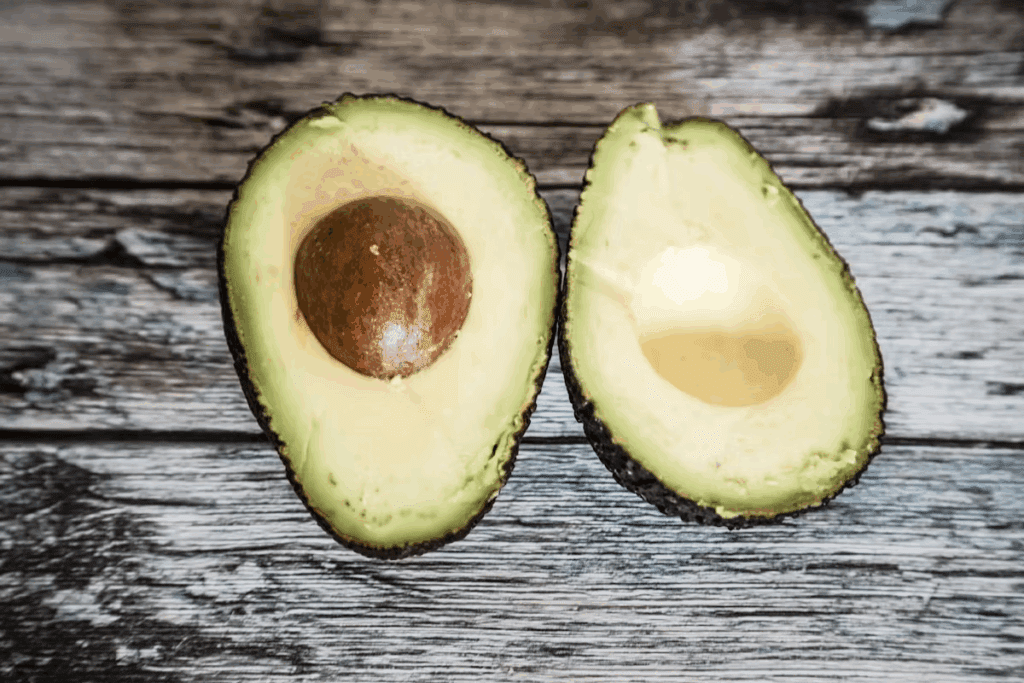
Contrary to common concerns, avocados are cholesterol-free. Recent research shows they have no dietary cholesterol. But, they are full of heart-healthy monounsaturated fats and bioactive compounds does avocado have cholesterol.
At Liv Hospital, we focus on teaching nutrition based on solid evidence. We want to help patients make informed choices about foods that are good for their hearts. Avocados are packed with nutrients and can make you feel full, which is great for managing weight.
The special mix of nutrients in avocados can actually lower bad cholesterol levels. We aim to give our patients top-notch care and support. This includes teaching them about the benefits of foods like avocados.
Key Takeaways
- Avocados are cholesterol-free and rich in heart-healthy monounsaturated fats.
- The nutrient profile of avocados can help lower bad cholesterol levels.
- Avocados provide a feeling of fullness and satisfaction, supporting weight management.
- Incorporating avocados into your diet can be beneficial for cardiovascular health.
- Evidence-based nutrition education is key for making smart food choices.
The Truth About Avocados and Cholesterol

Avocados and cholesterol have a more complex relationship than you might think. It’s time to clear up some myths. Fatty foods often get a bad rap for heart health and cholesterol. But, not all fats are the same, and avocados show how a fatty food can be good for your heart.
Common Misconceptions About Fatty Foods
Many believe eating fatty foods always raises cholesterol. But, studies show dietary cholesterol affects blood cholesterol differently. Foods high in saturated and trans fats really raise blood cholesterol. Avocados, with their unsaturated fats, can actually improve cholesterol levels.
Medical Expert. La Puma, a top nutrition expert, once said,
“Avocados are a nutrient-dense food, providing a rich source of monounsaturated fats, fiber, and various essential vitamins and minerals.”
This quote shows the nutritional value of avocados and their health benefits.
Understanding Dietary vs. Blood Cholesterol
It’s important to know the difference between dietary and blood cholesterol. Dietary cholesterol is what we eat, while blood cholesterol is in our blood. While some foods like egg yolks have a lot of dietary cholesterol, avocados don’t have any.
The real issue is the types of fats we eat. Avocados are full of monounsaturated fats. These fats can lower bad cholesterol and possibly raise good cholesterol.
By understanding dietary and blood cholesterol, and choosing the right fats, we can improve our heart health. Avocados, despite being fatty, can be a great part of a heart-healthy diet.
Nutritional Profile of Avocados

Avocados are packed with nutrients, including healthy fats, vitamins, and minerals. This makes them a favorite among those who care about their health.
Fat Content Breakdown
Avocados are known for their fat content. But, not all fats are the same. Most of the fat in avocados is monounsaturated, which is good for you. Monounsaturated fats can lower bad cholesterol levels and may reduce heart disease risk.
Here’s what you find in a typical avocado:
- Monounsaturated fats: about 10 grams per medium avocado
- Polyunsaturated fats: around 1.5 grams per medium avocado
- Saturated fats: roughly 2.5 grams per medium avocado
Essential Vitamins and Minerals
Avocados are full of important vitamins and minerals. They include:
- Potassium: helps keep blood pressure healthy
- Vitamin C: boosts the immune system and helps with collagen
- Vitamin E: protects cells from harm
- Folate: essential for cell growth and red blood cells
Fiber Content and Its Importance
Avocados are a great source of dietary fiber. A medium avocado has about 10 grams of fiber, which is 40% of what you need daily.
The fiber in avocados is key for:
- Keeping your digestive system healthy
- Lowering cholesterol by removing bile acids
- Helping you feel full, which can help with weight control
In summary, avocados are a great addition to a healthy diet. They offer many benefits for heart health and overall well-being.
Does Avocado Have Cholesterol? The Simple Answer
Many people wonder if avocados have cholesterol because they are high in fat. We’re here to clear up this common myth.
Plant Foods and Cholesterol Production
Avocados, being plant-based, don’t produce cholesterol. Cholesterol is mainly found in animal products like meat, eggs, and dairy. Plants, including avocados, make fats that are good for us.
To understand why avocados are cholesterol-free, let’s look at the difference between plant and animal fats. Plants make unsaturated fats, which are healthier. On the other hand, animal products have saturated fats and cholesterol.
Why People Confuse Avocado Fat with Cholesterol
People often mix up avocado fat and cholesterol because both are linked to heart health. But they’re different. Avocados have healthy fats that can lower bad cholesterol. In contrast, animal products can raise blood cholesterol levels in some people.
Nutrient | Avocados (1 medium) | Chicken Egg (1 large) |
Cholesterol | 0 mg | 186 mg |
Total Fat | 32 g | 5 g |
Saturated Fat | 4.8 g | 1.5 g |
The table shows avocados have no cholesterol, unlike animal products like eggs. Avocado fats are mostly unsaturated. These fats can improve heart health by lowering bad cholesterol levels.
How Avocados Actually Affect Your Cholesterol Levels
Studies show that adding avocados to your diet can improve your cholesterol levels. This is because they are full of healthy fats, fiber, and important vitamins and minerals.
Avocados are good for your heart, mainly because of their healthy fats. These fats help lower bad cholesterol, or LDL, which can lower heart disease risk.
Research on Avocados and LDL Reduction
Many studies have looked at how avocados affect LDL cholesterol. They found that the healthy fats in avocados can lower LDL. This helps reduce the risk of heart disease.
A review of clinical trials showed that eating avocados can lower LDL cholesterol. This is because they replace bad fats with good ones, improving your lipid profile.
“The inclusion of avocado in the diet can be an effective strategy for improving cardiovascular health by reducing LDL cholesterol levels.”
Nutrition Research Review
Study | LDL Reduction | Duration |
Clinical Trial 1 | 10% | 6 weeks |
Clinical Trial 2 | 12% | 12 weeks |
Meta-Analysis | 8% | Varied |
Impact on HDL (Good) Cholesterol
Avocados may also boost HDL (good) cholesterol levels. Research shows that their nutrients can increase HDL. This is good for your heart.
A study in a nutrition journal found that avocado eaters had higher HDL cholesterol. Higher HDL levels mean a lower risk of heart disease.
In summary, avocados are great for managing cholesterol levels. They can lower LDL and raise HDL, helping keep your heart healthy.
The Science Behind Avocado’s Cholesterol-Lowering Effects
Avocados have monounsaturated fats, fiber, and plant sterols. These work together to improve heart health. Knowing how they function helps us see the benefits of avocados for cholesterol management.
Monounsaturated Fatty Acids Explained
Monounsaturated fatty acids (MUFAs) are found in avocados. They are good fats that help lower bad cholesterol and keep good cholesterol levels stable. They make LDL particles less harmful.
MUFAs play a big role in managing cholesterol. They not only lower bad cholesterol but also support heart health. Eating avocados can help lower heart disease risk.
Fiber’s Role in Cholesterol Management
Avocados are full of dietary fiber, which is key for cholesterol control. Fiber binds to bile acids and helps remove them, making the liver use more cholesterol. This lowers cholesterol levels in the blood.
The soluble fiber in avocados forms a gel-like substance in the gut. This slows down cholesterol absorption into the blood. It helps improve cholesterol profiles.
Nutrient | Function | Impact on Cholesterol |
Monounsaturated Fatty Acids | Modifies LDL particles | Reduces LDL, Maintains/Increases HDL |
Dietary Fiber | Binds to bile acids, slows cholesterol absorption | Lowers circulating cholesterol levels |
Plant Sterols | Inhibits cholesterol absorption | Reduces LDL cholesterol |
Plant Sterols and Bioactive Compounds
Avocados have plant sterols that block cholesterol absorption. This lowers LDL cholesterol. They also have antioxidants and polyphenols for extra health benefits.
The mix of nutrients in avocados makes them great for heart health. Understanding their science helps us choose better for our hearts.
2023 Research: Latest Findings on Avocados and Cholesterol
Recent studies have given us new insights into avocados and cholesterol. They show how avocados can help our heart health. This is based on research from 2023.
Systematic Review and Meta-Analysis Results
A review of studies on avocados found interesting results. It looked at how avocados affect our cholesterol levels. The research came from many clinical trials.
Key findings from the meta-analysis include:
- A significant reduction in total cholesterol levels among avocado consumers
- A notable decrease in LDL (bad) cholesterol
- No significant change in HDL (good) cholesterol levels
Comparing Avocado Consumers to Control Groups
Studies have shown how avocados can benefit our health. They found that people who eat avocados have better cholesterol levels. This is compared to those who don’t eat avocados.
Group | Total Cholesterol | LDL Cholesterol | HDL Cholesterol |
Avocado Consumers | 185 mg/dL | 105 mg/dL | 50 mg/dL |
Control Group | 205 mg/dL | 125 mg/dL | 48 mg/dL |
The table shows the difference in cholesterol levels. It shows the benefits of eating avocados.
These results support adding avocados to a heart-healthy diet. Health experts around the world agree.
Penn State Research: Avocados and Diet Quality
Recent studies from Penn State have shown how avocados can boost diet quality. They looked into how adding avocados to our meals can improve nutrition.
Improvement in Overall Diet Quality Scores
The Penn State study found a strong link between eating avocados and better diet scores. People who ate avocados often saw their diet quality go up. This was based on well-known nutritional standards.
Nutritional Benefits: Avocados are packed with good fats, fiber, and vitamins and minerals. These nutrients help make diets better.
Nutrient | Avocado Contribution | Impact on Diet Quality |
Monounsaturated Fats | High content | Improves heart health |
Fiber | Rich source | Enhances digestive health |
Vitamins and Minerals | Diverse profile | Supports overall nutritional balance |
Long-term Benefits of Regular Consumption
Eating avocados regularly can bring long-term health perks. The Penn State research shows that eating avocados often can help heart health and lower disease risk.
The study backs up the idea of adding avocados to a balanced diet. It shows they can help improve health over time. As we learn more about avocados, it’s clear they’re good for our diet and health.
Avocados vs. Other Foods for Cholesterol Management
When we talk about diet and cholesterol, avocados are a key player. They offer a natural way to manage cholesterol levels. But how do they compare to other healthy fats and medications?
Comparing Avocados to Other Healthy Fats
Avocados are full of monounsaturated fats. These fats help lower bad cholesterol and raise good cholesterol. Other foods like nuts, seeds, and olive oil also have healthy fats. But, they differ in nutritional content and cholesterol effects.
- Nuts and seeds are full of healthy fats and fiber but have more calories than avocados.
- Olive oil is rich in monounsaturated fats but lacks avocado’s fiber.
- Fatty fish, like salmon, have omega-3 fatty acids. These fats affect cholesterol differently than avocado’s monounsaturated fats.
It’s important to look at the nutritional value of each food. A balanced diet with various healthy fats supports cholesterol management.
Avocados vs. Cholesterol-Lowering Medications
For those with high cholesterol, medications like statins are often used. They reduce cholesterol production in the liver. But, they can have side effects and aren’t for everyone.
Avocados offer a natural choice for managing cholesterol. Studies show they can lower bad cholesterol and improve heart health. Yet, for very high cholesterol, medication might be needed.
Key differences between avocados and cholesterol-lowering medications:
- Avocados change diet, while medications alter cholesterol production or absorption.
- Avocados have fewer side effects than cholesterol medications.
- Avocados offer more nutritional benefits than just cholesterol management.
Creating a Balanced Approach
Managing cholesterol well often means a mix of diet, lifestyle, and sometimes medication. Adding avocados to a heart-healthy diet is a smart move.
To balance your diet for cholesterol management:
- Eat a variety of fruits and vegetables.
- Choose whole grains over refined ones.
- Add healthy fats like those in avocados, nuts, and olive oil.
- Limit saturated and trans fats.
- Work with a healthcare provider or dietitian for a personalized plan.
By taking a holistic approach to cholesterol management, you can make better diet and lifestyle choices. This supports your heart health.
Incorporating Avocados Into a Heart-Healthy Diet
Avocados are packed with nutrients that help keep your heart healthy. They are full of monounsaturated fats, fiber, and vitamins and minerals. These nutrients are great for your heart.
Optimal Serving Size and Frequency
To get the most from avocados, know the right serving size. A serving is about one-fifth of a medium avocado, or 50 grams. This is roughly 1.7 ounces.
Eating one to two servings of avocado daily is best. It helps manage cholesterol and supports heart health.
Serving Size | Nutritional Benefits |
1/5 medium avocado (50g) | 100 calories, 10g fat (mostly monounsaturated), 3g fiber |
1 medium avocado (136g) | 322 calories, 29g fat (mostly monounsaturated), 10g fiber |
Creative Ways to Add Avocados to Meals
Avocados are very versatile. You can add them to many dishes. Here are some ideas:
- Add sliced avocado to sandwiches and wraps for extra creaminess.
- Use avocado as a topping for salads, soups, and omelets.
- Make guacamole as a dip for vegetables or whole-grain crackers.
- Incorporate avocado into smoothies for a creamy texture.
- Use avocado oil for cooking due to its high smoke point and heart-healthy fats.
Healthy Avocado Recipes for Cholesterol Management
Here are some avocado recipes that help manage cholesterol:
- Avocado and Egg Breakfast Toast: Toast whole-grain bread, mash an avocado, and top with a fried or poached egg.
- Grilled Chicken and Avocado Salad: Combine grilled chicken, diced avocado, cherry tomatoes, and mixed greens, dressed with a light vinaigrette.
- Avocado Soup: Blend cooked avocado with chicken or vegetable broth, and season with herbs and spices.
Adding avocados to your diet in different ways can boost your heart health. It also helps manage cholesterol levels.
Potential Considerations When Consuming Avocados
Avocados are good for you, but there are things to think about before eating them. They are full of nutrients and offer many health benefits. Yet, it’s important to be aware of certain aspects to get the most health benefits.
Caloric Density and Weight Management
Avocados have a lot of calories because they are high in fat. A medium avocado has about 320 calories. Moderation is key when adding avocados to your diet for weight management.
Avocado Size | Approximate Calories |
Small | 240 |
Medium | 320 |
Large | 400 |
A study in the Journal of the American Osteopathic Association showed that eating avocados can help keep a healthy weight. But, because they are high in calories, it’s important to control how much you eat.
“The key to benefiting from avocados while managing weight is to be mindful of portion sizes and overall dietary balance.”
Individual Health Conditions and Allergies
Avocados are usually safe to eat, but some people need to be careful. If you have certain health conditions or allergies, you should know the risks of eating avocados.
- People with latex allergies might also react to avocados because of similar proteins.
- Those with irritable bowel syndrome (IBS) might have bad reactions to avocados.
Avocados are good for your heart, but if you have special dietary needs, talk to a doctor or dietitian. They can help you figure out the best way to eat avocados for your health.
Conclusion: Embracing Avocados for Heart Health
Avocados are great for a heart-healthy diet. They offer many benefits for managing cholesterol and improving heart health. Adding avocados to your meals is a smart way to keep your heart in good shape.
Using avocados in your diet can really help with cholesterol levels. They have healthy fats, fiber, and plant sterols. These nutrients help lower bad cholesterol and boost heart health.
We suggest adding avocados to your meals often. They are not only good for you but also tasty. Enjoying avocados can help you live a healthier life and support your heart health.
FAQ
Does avocado contain cholesterol?
No, avocados do not contain cholesterol. They are full of monounsaturated fats, which are good for your heart.
Can avocados raise your cholesterol levels?
No, avocados won’t raise your cholesterol levels. In fact, studies show they might lower bad cholesterol and raise good cholesterol.
Are avocados high in cholesterol?
No, avocados are not high in cholesterol. They come from plants, and cholesterol is mostly found in animal products.
How do avocados affect cholesterol levels?
Avocados can improve your cholesterol by lowering bad cholesterol and possibly raising good cholesterol. This is thanks to their fats, fiber, and other good stuff.
Is it healthy to eat avocados daily?
Yes, eating avocados every day can be good for you. They’re full of nutrients and support heart health.
Can I eat avocados if I have high cholesterol?
Yes, avocados are great for people with high cholesterol. They’re packed with nutrients that help your heart and can improve cholesterol levels.
Do avocados have any impact on HDL cholesterol?
Research shows avocados might increase HDL (good) cholesterol. They also lower LDL (bad) cholesterol, which is good for your heart.
Are there any other drawbacks to consuming avocados?
While avocados are good for you, they’re high in calories. Be careful with how much you eat, and think about your health and allergies.
How can I incorporate avocados into my diet for heart health?
You can add avocados to salads, sandwiches, and smoothies. They’re also great in recipes. Just eat them in moderation.
Can avocados replace cholesterol-lowering medications?
Avocados are good for your heart and can help with cholesterol. But, they shouldn’t replace your doctor’s medications without talking to them first.
Do avocados contain any other nutrients beneficial for heart health?
Yes, avocados have lots of nutrients like fiber, potassium, and vitamins. These help your heart, along with their healthy fats.
References
National Center for Biotechnology Information. Evidence-Based Medical Guidance. Retrieved from https://www.ncbi.nlm.nih.gov/pmc/articles/PMC3839586/