
Many people start their day with a cup of coffee. But does it affect colon health? New studies are changing what we thought we knew. Does coffee cause cancer in the colon? Learn amazing scary news and discover powerful ways to use caffeine for your vital digestive health.
A big study looked at over 3 million people. It found that coffee drinkers were 17% less likely to get colorectal cancer than those who didn’t drink coffee. This is good news for our colon health.
Key Takeaways
- Moderate coffee consumption may lower the risk of colon cancer.
- Recent studies contradict the myth that coffee is bad for colon health.
- A meta-analysis of over 3 million subjects showed a 17% lower risk of colorectal cancer in coffee drinkers.
- Coffee’s impact on colon health is a significant area of ongoing research.
- The relationship between coffee consumption and reduced colorectal cancer risk is a promising finding.
The Coffee-Colon Connection: Separating Fact from Fiction
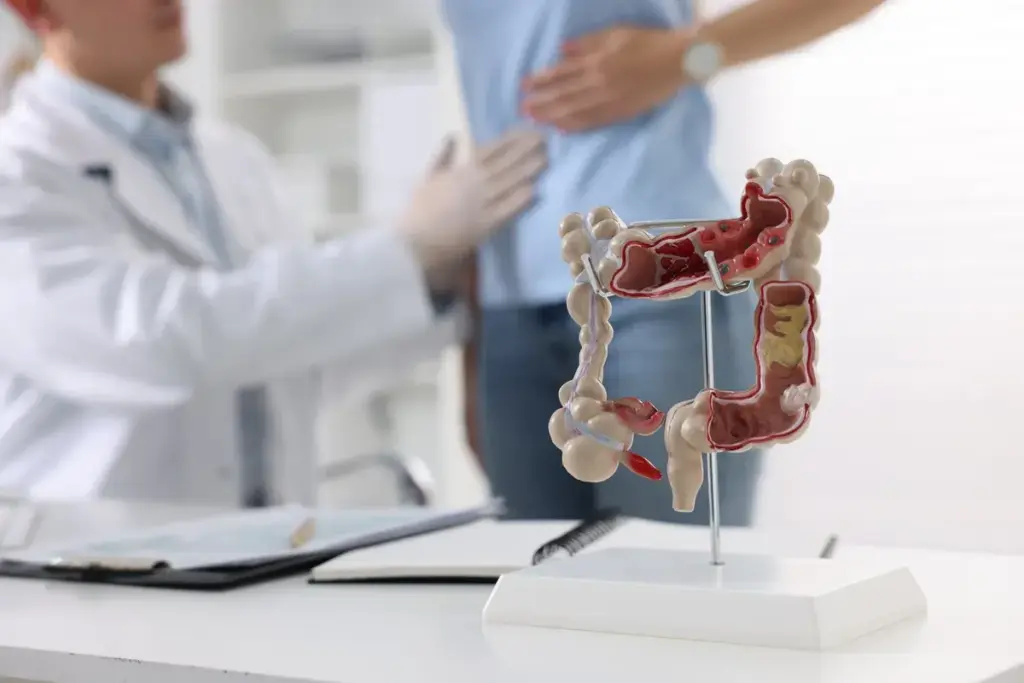
The link between coffee and colon health is often debated. Many think drinking coffee harms the colon, while others see its health benefits.
Common Misconceptions About Coffee and Digestive Health
Some believe coffee causes cancer, like colon cancer. But, many studies have looked into this. They found that drinking coffee in moderation might actually lower colon cancer risk.
The worry that coffee can cause cancer is common. Yet, it’s key to look at the science behind it.
Why Coffee Has Been Wrongly Vilified
Coffee gets a bad rap for possibly speeding up bowel movements and causing stomach issues. But, for many, drinking coffee in moderation is safe. It might even help with digestive health.
Research shows coffee has compounds that could protect against diseases like colon cancer. So, is drinking coffee bad for everyone? It depends on how well your body handles it.
In summary, the relationship between coffee and the colon is more nuanced than we think. By sorting out truth from myth, we can grasp how coffee affects our digestive system. Drinking 3-4 cups of coffee a day is usually safe and might even protect against colon cancer.
Understanding How Coffee Interacts With Your Digestive System
Coffee is a favorite drink worldwide. Its impact on digestion is something we should look into. Coffee has many compounds that can affect our digestive system.
Coffee’s Active Compounds and Their Effects

Coffee has caffeine, polyphenols, and other nutrients. Caffeine is key because it helps move the bowels. Polyphenols might also help our gut health by fighting off harmful substances.
Coffee’s compounds can make our colon move more. This is why many people feel like they need to go after drinking coffee. Researchers are studying how this happens, but it’s clear coffee affects our digestion a lot.
The Journey of Coffee Through Your Digestive Tract
Coffee starts in our mouth, mixed with saliva. Then, it goes to the stomach where acids break it down. Most of coffee’s nutrients are absorbed in the small intestine.
|
Digestive Stage |
Coffee’s Interaction |
|---|---|
|
Mouth |
Coffee is mixed with saliva |
|
Stomach |
Gastric acids interact with coffee’s compounds |
|
Small Intestine |
Majority of coffee’s absorption occurs |
Knowing how coffee affects our digestion helps us understand its health benefits. By learning about coffee’s journey, we can make better choices about how much we drink.
Does Coffee Cause Cancer? Examining the Scientific Evidence
Coffee has been questioned for its possible link to cancer. But what does science really say? Many studies have looked into if coffee can cause cancer, focusing on its possible harmful effects.
Debunking the Coffee-Cancer Myth
The idea that coffee causes cancer is mostly wrong, science shows. Many studies have checked if coffee is linked to cancer. They found no strong proof that coffee increases cancer risk. In fact, some studies say coffee might even help your health a bit.
Recent research shows that coffee’s caffeine and other parts might protect against some cancers.
Meta-Analysis Results From 3 Million Subjects
A big study with over 3 million people found a 17% lower risk of colorectal cancer in coffee drinkers. This study is strong evidence that coffee doesn’t raise cancer risk. Instead, it might help protect against colorectal cancer.
This study backs up other research. It says drinking coffee in moderation might help lower cancer risk. But, how coffee affects each person can differ. So, we need more research to understand its full impact.
Coffee and Cancer: The Surprising Protective Effects
Research on coffee’s health benefits has found a link to lower cancer risk. It seems coffee might help prevent some cancers, like colorectal cancer.
How Coffee May Help Prevent Colorectal Cancer
Studies show coffee can lower the risk of colorectal cancer. The exact reasons are not clear, but coffee’s antioxidants and insulin sensitivity might help. Coffee’s active compounds could also affect the gut microbiota, aiding in cancer prevention.
This benefit is not just for some people. It’s for many, which is good news. Colorectal cancer is a common cancer worldwide.
The Dose-Response Relationship: Benefits of 3+ Cups Daily
Research has looked into how much coffee is needed to lower cancer risk. Drinking three or more cups of coffee daily can lower the risk of colorectal cancer by 22%. This shows that more coffee might mean more protection.
While we’re not sure of the exact amount, drinking a lot of coffee seems to help. It could be a big step in fighting colorectal cancer.
Is Drinking Coffee Bad for Colon Motility?
Understanding how coffee affects colon motility can help us see its benefits for digestion. Coffee has been studied for its impact on the digestive system, including its ability to stimulate bowel movements.
Coffee as a Natural Stimulant for Bowel Movements
Coffee can trigger the gastrocolic reflex, a natural process that moves food through the digestive system. This reflex is key for regular bowel movements. Coffee’s active compounds, like caffeine, are important in this process.
A study in the Journal of Clinical Gastroenterology showed coffee can boost colonic motility. This helps with bowel movements, which is good for those with constipation.
“Coffee drinking can stimulate colonic motor activity, which may help in the management of constipation.”
How Coffee Helps Prevent Constipation
Drinking coffee regularly can help avoid constipation by encouraging bowel movements. The gastrocolic reflex coffee triggers helps food move through the digestive system better.
|
Effect |
Description |
|---|---|
|
Gastrocolic Reflex Stimulation |
Coffee stimulates the natural reflex that helps move food through the digestive system. |
|
Increased Colonic Motility |
Coffee consumption can increase the movement of the colon, aiding in bowel movements. |
|
Constipation Prevention |
Regular bowel movements stimulated by coffee can help prevent constipation. |
In conclusion, coffee’s impact on colon motility is mostly positive. It acts as a natural stimulant for bowel movements and helps prevent constipation. Drinking coffee in moderation can be part of a healthy digestive routine.
Coffee and Your Gut Microbiome: The Bacterial Benefits
Research shows that coffee might help keep your gut microbiome healthy. The gut microbiome is a mix of bacteria that affects our health in many ways. It helps with digestion and boosts our immune system. Coffee might play a big role in keeping this balance right.
Coffee seems to help the good bacteria in our gut grow. It’s found to boost Bifidobacteria, which is good for our health.
How Coffee Promotes Beneficial Bifidobacteria
Drinking coffee can make more Bifidobacteria in our gut. This is good because Bifidobacteria helps keep our gut healthy and strong. They also help our immune system and make vitamins. Coffee’s prebiotic effects might help grow these beneficial bacteria.
“The prebiotic effects of coffee may contribute to its beneficial impact on the gut microbiome.”
The Prebiotic Potencial of Coffee Compounds
Coffee has compounds that might help our gut health. These include polyphenols and other nutrients. They help the good bacteria in our gut grow and work better. This makes coffee a good choice for our gut health.
In short, coffee and our gut microbiome have a complex relationship. Coffee might help the good bacteria grow and act as a prebiotic. This means it could be good for our gut health. As scientists learn more, coffee lovers might enjoy their coffee even more for its health benefits.
Regular vs. Decaf: Is Decaf Coffee a Laxative Too?
Choosing between regular and decaf coffee often sparks debate about their digestive health effects. Both types have been studied for their impact on the colon. The results might surprise coffee enthusiasts.
Comparing Digestive Effects of Caffeinated and Decaffeinated Coffee
Studies show that both regular and decaf coffee can help with bowel movements. But, they work in different ways. Regular coffee’s caffeine is well-known for its effects, but decaf coffee also has a laxative effect, just less so.
A study in the Journal of Clinical Gastroenterology found that decaf coffee increases rectal activity. This suggests other compounds in coffee, not just caffeine, contribute to its laxative properties.
A gastroenterology expert notes, “Decaf coffee’s similar effect on bowel movements as regular coffee shows other compounds in coffee are important for digestion.” Coffee has over 1,000 compounds, many of which are good for health.
|
Coffee Type |
Laxative Effect |
Colon Health Benefits |
|---|---|---|
|
Regular Coffee |
Strong |
High |
|
Decaf Coffee |
Moderate |
High |
Why Decaf Stil Offers Colon Health Benefits
Decaf coffee keeps many of the good compounds found in regular coffee. It has antioxidants and polyphenols that help colon health. Decaffeination removes some compounds, but not all, so decaf coffee is good for health too.
Decaf coffee’s key benefits for colon health include:
- Reduced risk of colorectal cancer
- Promotion of beneficial gut bacteria
- Anti-inflammatory effects
Switching to decaf coffee doesn’t mean losing colon health benefits. Whether you like regular or decaf, coffee can be good for your digestive health.
Coffee Risks: When to Limit Your Consumption
It’s important to know the risks of drinking too much coffee. Coffee is good for many people, but some should drink less. This is because of different reasons.
Individual Sensitivity Factors
How you react to coffee can vary a lot. Some people get jitters or feel anxious even with a little coffee. Genetic differences in how you break down caffeine also play a role.
Things like age, weight, and health can change how coffee affects you. For example, older people or those who are lighter might need to watch their coffee intake more closely.
Medical Conditions That May Worsen With Coffee
Some health issues can get worse with coffee. For instance, if you have hypertension or heart disease, caffeine can raise your heart rate and blood pressure. Coffee can also make symptoms of gastroesophageal reflux disease (GERD) worse.
|
Medical Condition |
Potential Effect of Coffee |
Recommended Action |
|---|---|---|
|
Hypertension |
Increased blood pressure |
Limit coffee intake, monitor blood pressure |
|
GERD |
Worsening of reflux symptoms |
Avoid coffee or switch to decaf |
|
Anxiety Disorders |
Increased anxiety |
Reduce or avoid caffeinated coffee |
If you have a health condition, talk to your doctor about how much coffee is safe. Knowing these risks helps you enjoy coffee without harming your health.
Is Coffee Bad for the Prostate? Understanding the Connection
There’s a lot of talk about coffee and prostate health. Research is looking into how coffee affects our health, including the prostate. It’s important to understand this connection.
Coffee Consumption and Prostate Health Research
Research has found that coffee might be good for the prostate. It’s about how coffee’s compounds affect prostate health.
Coffee’s Active Compounds: Coffee has many nutrients like caffeine and polyphenols. These might help the prostate stay healthy by fighting off inflammation and damage.
Differentiating Between Prostate and Colon Concerns
It’s important to know how coffee affects the prostate and colon differently. Coffee’s impact on these areas can vary. Knowing this helps us make better choices about drinking coffee.
|
Health Aspect |
Coffee’s Impact |
|---|---|
|
Prostate Health |
Potential benefits due to antioxidant and anti-inflammatory effects |
|
Colon Health |
Stimulates bowel movements, potentially reducing the risk of colon cancer |
In summary, coffee might not be bad for the prostate. In fact, it could have some benefits. But, how we react to coffee can differ. Always talk to a doctor about your diet and health.
Coffee Preparation Methods and Their Impact on Digestive Health
The way you make your coffee can really affect your digestive system. Different brewing methods change the coffee’s chemical makeup. This changes how it works in your body.
Filtered vs. Unfiltered: Which Is Better for Your Colon?
Studies show that how you brew your coffee can affect its health perks. Unfiltered coffee, like French press, has more diterpenes. These might raise your cholesterol levels. But, filtered coffee has fewer of these compounds.
|
Coffee Preparation Method |
Impact on Digestive Health |
|---|---|
|
Filtered Coffee |
Lower diterpene levels, potentially safer for cholesterol |
|
Unfiltered Coffee (e.g., French Press) |
Higher diterpene levels, may increase cholesterol |
How Additives Affect Coffee’s Digestive Benefits
Adding things like sugar, cream, and syrup can change coffee’s health benefits. High-calorie extras can cause weight gain and metabolic problems. This might cancel out coffee’s good effects.
“The addition of large amounts of sugar and cream can negate the health benefits associated with moderate coffee consumption.”
Nutrition Expert
To get the most health benefits from coffee, drink it plain or with just a little bit of something extra. Knowing how brewing methods and additives affect coffee’s health can help you choose better.
Can Coffee Give You Cancer? Addressing Common Fears
Coffee has been under the microscope for its possible link to cancer. But what does science really say? Many coffee lovers worry that it might cause cancer.
Historical Claims About Coffee Causing Cancer
Old studies hinted at a link between coffee and cancer. But these early studies often ignored other factors like smoking or diet.
People worried that coffee could lead to cancers of the pancreas, breast, and colon. But newer, more detailed studies have shown these fears are unfounded.
Current Scientific Consensus on Coffee and Cancer Risk
Today, science says moderate coffee drinking doesn’t raise cancer risk. Some studies even suggest it might protect against certain cancers.
A detailed look at over 20 studies found no link between coffee and most cancers. In fact, some research shows coffee might lower the risk of liver and colorectal cancer.
|
Cancer Type |
Coffee Consumption Association |
|---|---|
|
Liver Cancer |
Reduced Risk |
|
Colorectal Cancer |
Reduced Risk |
|
Pancreatic Cancer |
No Significant Association |
In summary, while old claims about coffee and cancer were scary, today’s science says moderate coffee drinking is safe.
Coffee and Other Digestive Conditions
Coffee’s effect on digestive health is a topic of much research. It’s important to look at how it affects specific conditions, not just the colon.
Effects on Inflammatory Bowel Diseases
Inflammatory bowel diseases (IBD) like Crohn’s and ulcerative colitis affect the gut. Research shows mixed results on coffee’s impact. Some studies say moderate coffee might not make symptoms worse and could even help. But others warn it could trigger or worsen symptoms in some.
A study in the Journal of Crohn’s and Colitis found coffee might lower the risk of needing a colectomy in ulcerative colitis patients. Yet, it also linked high coffee intake to a higher risk of osteoporosis. This is a worry for IBD patients, who might already face bone loss.
Relationship With Irritable Bowel Syndrome
Irritable Bowel Syndrome (IBS) is a common digestive issue. It can be influenced by what we eat, including coffee. Some IBS patients say coffee makes their symptoms worse, while others don’t notice a difference.
A survey showed about 40% of IBS patients blame coffee for their symptoms. But it’s key to remember that everyone reacts differently to coffee. What bothers one person might not affect another.
|
Condition |
Potential Effect of Coffee |
Individual Variability |
|---|---|---|
|
Inflammatory Bowel Diseases |
May not exacerbate symptoms; potentially beneficial |
High; some may experience worsened symptoms |
|
Irritable Bowel Syndrome |
Can trigger symptoms in some individuals |
High; trigger or no effect |
To understand coffee’s effect on digestive issues, we must consider individual differences. Keeping a food and symptom diary can help track how coffee affects each person.
Optimal Coffee Consumption for Colon Health
To get the most from coffee for colon health, knowing how much to drink is key. Research has looked into how much coffee is best for health benefits without risks.
Recommended Daily Intake Based on Research
Studies suggest drinking 3 to 4 cups of coffee a day is good for the colon. A big study with over 3 million people found regular coffee drinkers had less colorectal cancer. More coffee seems to offer more protection.
|
Coffee Consumption Level |
Colorectal Cancer Risk Reduction |
|---|---|
|
1 cup/day |
5% |
|
3 cups/day |
15% |
|
5 cups/day |
23% |
Best Practices for Maximizing Benefits and Minimizing Risks
To get the most from coffee, follow some tips. Drink filtered coffee to cut down on cholesterol-raising compounds. Also, watch out for sugar and cream, as they can undo the good. Too much coffee can be bad.
Knowing the right amount of coffee and following best practices can help. This way, you can enjoy coffee’s health benefits without the downsides.
Conclusion
Moderate coffee drinking can be good for your colon health. Studies show that coffee’s compounds help with digestion. They can make bowel movements better and support good gut bacteria. Coffee can be part of a healthy diet and lifestyle. It may help protect against colorectal cancer. It also helps with gut motility and balance. It’s important to know how coffee affects you personally. Some people might be sensitive or have health issues. Being careful with how you drink coffee can help you enjoy its benefits. Adding coffee to a healthy lifestyle can be beneficial. It helps support colon health and lowers the risk of certain diseases.
FAQ
Is coffee bad for my colon?
No, coffee is not bad for your colon. It might even help by reducing cancer risk and improving bowel movements.
Can coffee cause cancer?
No, coffee does not cause cancer. Studies have shown no link between coffee and cancer. In fact, it might protect against some cancers, like colorectal cancer.
Is decaf coffee a laxative?
Yes, decaf coffee can be a laxative, but not as strong as caffeinated coffee. It has compounds that can help with bowel movements.
Does caffeine cause cancer?
No, caffeine does not cause cancer. Research has found it’s safe in moderation.
Is coffee bad for the prostate?
The link between coffee and prostate health is unclear. Some studies suggest it’s safe in moderation, but more research is needed.
How does coffee preparation method impact digestive health?
Coffee preparation affects its digestive effects. Filtered coffee might be better for cholesterol than unfiltered. Both can help with bowel movements and colon health.
Can additives in coffee affect its digestive benefits?
Yes, additives like sugar and cream can reduce coffee’s benefits. Drinking it black or with little additives is best for colon health.
How much coffee is optimal for colon health?
Drinking three or more cups daily might reduce cancer risk. But, everyone’s sensitivity to coffee is different.
Can coffee worsen inflammatory bowel diseases or irritable bowel syndrome?
Coffee might make symptoms worse for some with these conditions. But, effects vary greatly from person to person. Some can handle it in moderation.
Are there any risks associated with coffee consumption?
While safe in moderation, too much coffee can cause jitteriness and insomnia. It might also worsen certain health conditions.
Is there a recommended daily intake of coffee for colon health benefits?
There’s no one recommendation, but 3-4 cups daily might be beneficial. Consider your own factors, though.