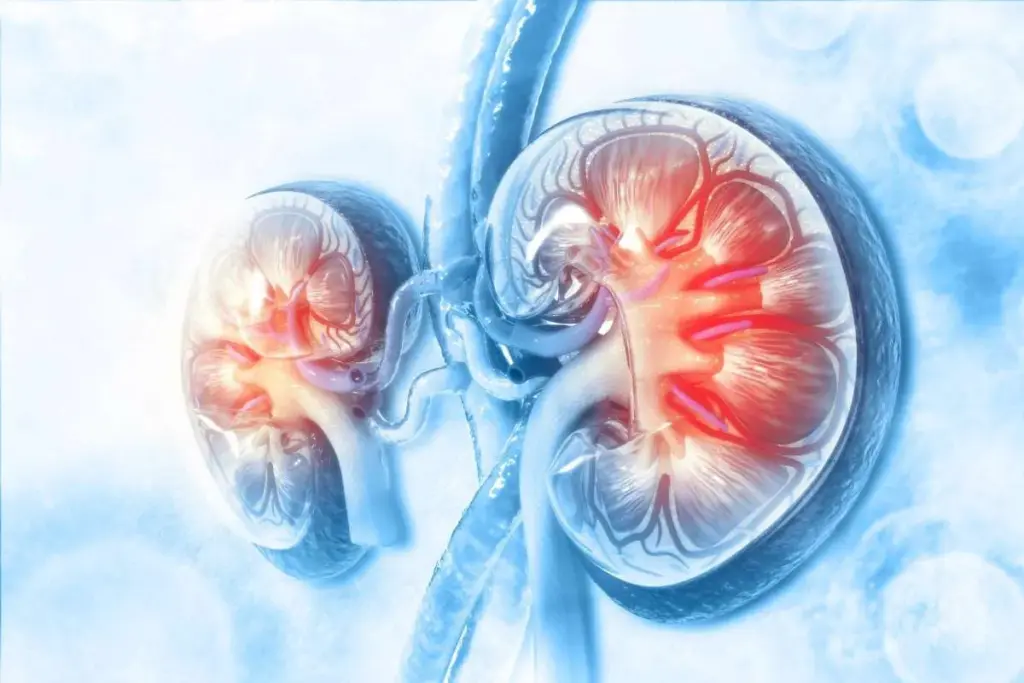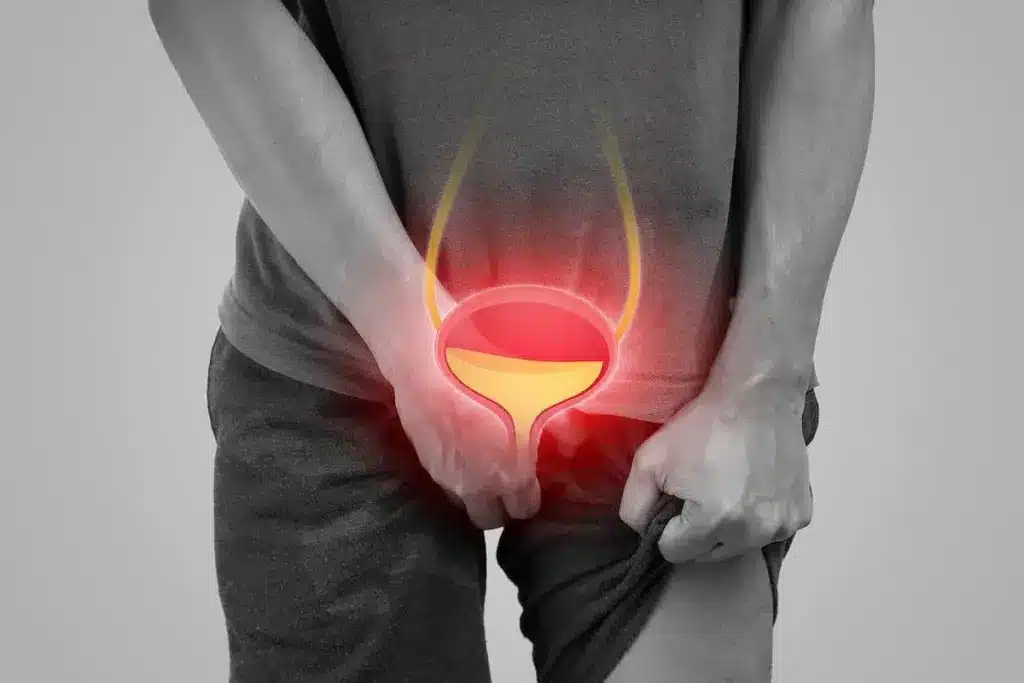
As people age, their urinary system undergoes significant changes, including hormonal balance changes that can affect bladder control. D-Mannose, a naturally occurring sugar found in fruits like cranberries, has gained popularity as a supplement to support urinary tract health. One common concern among individuals considering D-Mannose is whether it affects urination frequency.
D-Mannose is often used to promote a healthy urinary system, but its impact on urination frequency is not well understood. This section will explore the relationship between D-Mannose and urination, providing insight into its potential effects.
Does D-Mannose make you urinate more? No, it cleanses. Vitamin D is vital. Get best bladder info. Proper nutrients prevent dangerous leaks.
Key Takeaways
- D-Mannose is a natural sugar that supports urinary tract health.
- Hormonal changes can affect bladder control and urination frequency.
- D-Mannose may have a positive impact on urinary health.
- The relationship between D-Mannose and urination frequency is being explored.
- D-Mannose is found in fruits like cranberries.
Understanding D-Mannose: What Is It?

To comprehend the effects of D-Mannose on urination, it’s vital to understand its origins and how it functions within the human body. D-Mannose is a naturally occurring sugar that has been recognized for its role in supporting urinary tract health.
What Are D-Mannose and Its Sources?
D-Mannose is found in various fruits and plants, with cranberries being one of the richest sources. Other sources include apples, oranges, and peaches. The sugar is also available as a dietary supplement in powder or capsule form.
- Cranberries
- Apples
- Oranges
- Peaches
These fruits are not only a natural source of D-Mannose but also provide other essential nutrients that support overall health.
How D-Mannose Works in the Body
D-Mannose works by preventing bacterial adhesion to the bladder and urinary tract walls. When taken orally, it’s absorbed into the bloodstream and then excreted into the urinary tract, where it can bind to bacteria, helping to prevent infections. This mechanism is crucial for maintaining urinary tract health and potentially reducing the frequency of urination caused by infections.
The role of D-Mannose in urinary tract health is significant because it:
- Prevents bacterial adhesion
- Supports the body’s natural defense mechanisms
- May reduce the risk of urinary tract infections
The Connection Between D-Mannose and Urination

The relationship between D-Mannose supplementation and urination frequency has sparked interest among individuals considering this supplement. As people explore the potential benefits of D-Mannose for urinary health, understanding its effects on urination is crucial.
D-Mannose is known for its role in preventing bacterial adhesion in the urinary tract. However, its influence on urination frequency is a topic of ongoing discussion. Some individuals report an increase in urination after taking D-Mannose, while others notice no significant difference.
Does D-Mannose Increase Urinary Frequency?
Research into the effects of D-Mannose on urinary frequency is ongoing. Some studies suggest that D-Mannose may help in reducing the incidence of urinary tract infections (UTIs) by preventing bacterial colonization. However, its direct impact on urinary frequency is less clear.
A key consideration is that D-Mannose is not significantly metabolized by the body and is instead excreted in the urine. This characteristic has led some to speculate that it might influence urination patterns. Nonetheless, concrete evidence linking D-Mannose directly to increased urinary frequency is limited.
“While D-Mannose is generally considered safe, its effects on urinary frequency can vary among individuals. More research is needed to fully understand its impact.”
What Research Says About D-Mannose Effects
Studies examining the effects of D-Mannose have primarily focused on its efficacy in preventing UTIs. A review of existing research reveals that D-Mannose may contribute to urinary health by reducing the occurrence of UTIs, but its specific influence on urination frequency remains a subject for further investigation.
It’s also worth noting that factors such as hydration levels and individual health conditions can influence urinary frequency. Therefore, when assessing the impact of D-Mannose on urination, it’s essential to consider these variables.
In conclusion, while D-Mannose is recognized for its potential benefits in supporting urinary health, more comprehensive research is needed to definitively determine its effects on urinary frequency.
Benefits of D-Mannose for Urinary Health
Beyond its impact on urination, D-Mannose is recognized for its broader benefits to overall urinary health and wellbeing. Its role in maintaining a healthy urinary tract makes it a valuable supplement for those looking to support their urinary health.
How D-Mannose Supports Bladder Health
D-Mannose is believed to support bladder health by preventing bacteria from adhering to the bladder and urinary tract walls. This mechanism is crucial in reducing the risk of urinary tract infections (UTIs), which are often caused by bacterial adhesion. By maintaining a clean and healthy bladder environment, D-Mannose contributes to overall urinary health.
“The ability of D-Mannose to prevent bacterial adhesion makes it a potentially valuable supplement for UTI prevention.” – An Urologist.
Other Health Benefits Beyond Urination
Apart from its urinary health benefits, D-Mannose may have other health benefits. Some studies suggest that it could play a role in supporting the immune system and potentially reducing the severity of certain conditions. While more research is needed, the existing evidence is promising.
- Supports immune function
- May reduce the severity of certain infections
- Contributes to overall wellbeing
In conclusion, D-Mannose offers a range of benefits for urinary health, from supporting bladder health to potentially reducing the risk of UTIs. Its broader health benefits make it a supplement worth considering for overall wellbeing.
Factors Influencing Urination Frequency
Several factors can impact how often we urinate, ranging from our hydration levels to the foods we eat. Understanding these factors is essential for maintaining good urinary health and addressing any issues related to urination frequency.
Hydration and Its Role in Urination
Adequate hydration is crucial for urinary health. It helps to flush out bacteria and other pathogens from the urinary tract, reducing the risk of infections. When we are well-hydrated, our bodies produce more urine, which can lead to more frequent urination. However, this is a sign of a healthy urinary system.
On the other hand, inadequate hydration can lead to concentrated urine, which may irritate the bladder and cause more frequent urination. It’s a delicate balance: drinking enough water is essential, but overhydration can also lead to frequent trips to the bathroom.
|
Hydration Level |
Effect on Urination |
|---|---|
|
Adequate Hydration |
Flushes out bacteria, reduces infection risk |
|
Inadequate Hydration |
Concentrated urine, potential bladder irritation |
|
Overhydration |
Frequent urination due to excess fluid |
Dietary Influences on Bladder Activity
Dietary choices also play a significant role in urination frequency. Certain foods and beverages can irritate the bladder, leading to more frequent urination. For example, caffeine and alcohol are known diuretics, meaning they increase urine production and can lead to more frequent trips to the bathroom.
Other dietary factors that can influence bladder activity include spicy foods, acidic foods, and foods high in sugar. Some people may also experience sensitivity to certain foods, which can affect their urinary health.
- Caffeine and alcohol: Known diuretics that increase urine production.
- Spicy and acidic foods: Can irritate the bladder, leading to frequent urination.
- Foods high in sugar: May affect urinary health and frequency.
Maintaining a balanced diet and being mindful of how different foods affect your urinary health can help manage urination frequency. It’s also important to note that individual reactions to foods can vary greatly, so it’s helpful to keep a food diary to track any correlations between diet and urinary symptoms.
Vitamins and Supplements for Overactive Bladder
Managing overactive bladder can be challenging, but certain vitamins and supplements may offer relief. Individuals experiencing overactive bladder symptoms can benefit from understanding how different nutrients impact their condition.
The Role of Vitamin D in Bladder Control
Vitamin D is known for its role in maintaining bone health, but research suggests it may also play a part in bladder control. Studies have indicated that Vitamin D deficiency could be linked to an increased risk of bladder dysfunction, including overactive bladder symptoms. Ensuring adequate Vitamin D levels through sun exposure, diet, or supplementation might help in managing bladder control issues.
Other Supplements to Consider
Apart from Vitamin D, several other supplements may help alleviate overactive bladder symptoms. These include:
- Magnesium: Helps in muscle relaxation and nerve function, potentially reducing bladder spasms.
- Omega-3 fatty acids: May reduce inflammation and improve overall bladder health.
- Probiotics: Supports gut health, which is linked to urinary tract health.
It’s essential to consult with a healthcare professional before adding any supplements to your regimen, as they can interact with medications or have side effects.
Comparing D-Mannose to Other Treatments
For those dealing with urinary health concerns, understanding the differences between D-Mannose, cranberry extract, and prescription medications is crucial. Each of these options has its unique benefits and potential drawbacks.
D-Mannose vs. Cranberry Extract
D-Mannose and cranberry extract are both popular supplements used to support urinary health. While they share some similarities, they work in different ways. D-Mannose is a type of sugar that helps prevent bacteria from adhering to the bladder and urinary tract walls, whereas cranberry extract is thought to prevent bacterial adhesion through its proanthocyanidins content.
Key differences:
- Mechanism of Action: D-Mannose directly prevents bacterial adhesion, whereas cranberry extract may work through its antioxidant properties.
- Efficacy: Some studies suggest D-Mannose may be more effective in preventing UTIs due to its direct action.
- Side Effects: Both are generally safe, but D-Mannose is less likely to cause stomach upset compared to cranberry extract.
|
Supplement |
Mechanism of Action |
Efficacy in UTI Prevention |
Common Side Effects |
|---|---|---|---|
|
D-Mannose |
Prevents bacterial adhesion |
High |
Rare, generally mild |
|
Cranberry Extract |
Antioxidant properties, may prevent bacterial adhesion |
Moderate |
Stomach upset, diarrhea |
Prescription Medications for Overactive Bladder
Prescription medications are often prescribed for overactive bladder and other urinary health issues. These can include anticholinergics, beta-3 adrenergic agonists, and others. While effective, they can have significant side effects and may not be suitable for everyone.
Comparison with D-Mannose:
- Side Effect Profile: Prescription medications can have more severe side effects compared to D-Mannose.
- Efficacy: Prescription medications are often more potent and can provide quicker relief, but D-Mannose offers a more natural alternative with fewer risks.
- Cost and Accessibility: D-Mannose is generally available over-the-counter and may be more affordable than prescription medications.
In conclusion, when comparing D-Mannose to cranberry extract and prescription medications, individuals should consider their specific needs, the nature of their urinary health issues, and the potential benefits and drawbacks of each treatment option.
Potential Side Effects of D-Mannose
Understanding the potential side effects of D-Mannose is crucial for safe and effective use. While generally considered safe, D-Mannose can cause adverse effects in some individuals.
Common Side Effects to Be Aware Of
Most people tolerate D-Mannose well, but some may experience gastrointestinal side effects. Common issues include:
- Gastrointestinal upset: Symptoms like bloating, gas, or diarrhea can occur.
- Nausea: Some users may feel nauseous, especially when taking high doses.
These side effects are typically mild and temporary, resolving on their own once the body adjusts to the supplement.
|
Side Effect |
Frequency |
Management |
|---|---|---|
|
Gastrointestinal upset |
Common |
Reduce dosage or take with food |
|
Nausea |
Less common |
Take with meals or consider a lower dose |
When to Consult a Healthcare Professional
If you experience any severe or persistent side effects, it’s essential to consult a healthcare professional. They can provide guidance on whether to continue using D-Mannose or explore alternative treatments.
Signs that you should seek medical advice include:
- Persistent gastrointestinal issues
- Severe allergic reactions
- Interactions with other medications
Your healthcare provider can help you weigh the benefits and risks of D-Mannose and ensure it’s safe for your specific health needs.
Personal Experiences with D-Mannose
The impact of D-Mannose on urinary health is a story told by many, with experiences ranging from significant relief to challenging side effects. As individuals share their personal stories, a broader understanding of D-Mannose’s effects emerges.
User Testimonials
Many users have reported positive outcomes when using D-Mannose for urinary health issues. For instance, Sarah Johnson, a 35-year-old mother of two, shared her experience:
“After taking D-Mannose for three months, I noticed a significant reduction in UTIs. It’s been a game-changer for my family and me.”
Suchsuccess storieshighlight the potential benefits of D-Mannose.
However, not all experiences are the same. Some users have encountered challenges, such as gastrointestinal discomfort or the need for continuous supplementation. Mark Davis, a 42-year-old user, noted:
“While D-Mannose helped with my urinary issues, I experienced some stomach upset. It’s a trade-off I’m willing to make for the benefits I’ve seen.”
D-Mannose: Success Stories and Challenges
The success stories surrounding D-Mannose often involve individuals who have seen a significant reduction in urinary tract infections (UTIs) and other urinary health issues. These stories are compelling and suggest that D-Mannose can be an effective supplement for many.
On the other hand, some users face challenges, such as maintaining the supplement regimen over time or dealing with side effects. It’s essential to weigh these factors when considering D-Mannose. A balanced view includes both the successes and the challenges, providing a comprehensive understanding of what to expect.
To summarize, user testimonials for D-Mannose reveal a mixed but generally positive picture. While many experience significant benefits, others encounter challenges. The key is understanding how D-Mannose might fit into your health regimen.
- Consider your health history and current health status.
- Consult with a healthcare professional before starting D-Mannose.
- Monitor your body’s response to the supplement.
By taking these steps, you can make an informed decision about using D-Mannose for your urinary health.
Best Practices for Using D-Mannose
To maximize the potential benefits of D-Mannose, it’s essential to follow best practices for its use. This includes being mindful of the recommended dosage and timing of supplementation, as well as incorporating lifestyle tips that support urinary health.
Optimizing Dosage and Timing
The recommended dosage of D-Mannose varies, but typically ranges from 500mg to 2g per day. Timing is also crucial; taking D-Mannose with water can help maintain its efficacy. Consistency is key to experiencing the benefits of D-Mannose for urinary health.
Lifestyle Tips for Urinary Well-being
In addition to D-Mannose supplementation, certain lifestyle adjustments can enhance urinary health. Staying hydrated, practicing good hygiene, and avoiding irritants can help maintain a healthy urinary tract. A balanced diet rich in fruits, vegetables, and whole grains also supports overall well-being, potentially reducing the risk of skin elasticity loss and promoting a healthy liver aging process.
By combining D-Mannose with these lifestyle tips, individuals can take a comprehensive approach to managing urinary health and promoting overall wellness.
FAQ
Does D-Mannose cause frequent urination?
Some individuals may experience an increase in urination after taking D-Mannose, while others may not notice any difference. Research suggests that D-Mannose works by preventing bacterial adhesion to the bladder and urinary tract walls, which may not directly affect urination frequency.
Is D-Mannose safe for long-term use?
D-Mannose is generally considered safe for long-term use, but it’s essential to consult with a healthcare professional before starting any supplement regimen, especially if you have underlying health conditions or take medications.
Can D-Mannose help with urinary tract infections (UTIs)?
Yes, D-Mannose may help prevent UTIs by preventing bacterial adhesion to the urinary tract walls. However, if you’re experiencing symptoms of a UTI, it’s crucial to consult with a healthcare professional for proper diagnosis and treatment.
How does D-Mannose compare to cranberry extract for urinary health?
Both D-Mannose and cranberry extract may support urinary health, but they work in different ways. D-Mannose prevents bacterial adhesion, while cranberry extract may help prevent bacteria from adhering to the bladder and urinary tract walls. More research is needed to compare their effectiveness.
Can I take D-Mannose with other supplements or medications?
It’s generally recommended to consult with a healthcare professional before taking D-Mannose with other supplements or medications to avoid potential interactions or side effects.
How long does it take to notice the effects of D-Mannose?
The time it takes to notice the effects of D-Mannose can vary depending on individual factors, such as the severity of urinary health issues and overall health. Some people may experience benefits within a few days, while others may need to take it for several weeks.
Can D-Mannose help with overactive bladder symptoms?
While D-Mannose is primarily used to support urinary tract health, some individuals may experience a reduction in overactive bladder symptoms. However, more research is needed to confirm its effectiveness for this specific condition.
Are there any potential side effects of taking D-Mannose?
D-Mannose is generally considered safe, but some individuals may experience gastrointestinal upset, such as bloating or gas. If you experience any adverse effects, it’s recommended to consult with a healthcare professional.
Can D-Mannose affect hormonal balance or the endocrine system?
There is limited research on the direct impact of D-Mannose on hormonal balance or the endocrine system. However, maintaining overall urinary health may have a positive effect on overall well-being, including hormonal balance.
How does aging affect urinary health, and can D-Mannose help?
Aging can lead to a decline in urinary health due to factors like reduced bladder capacity, weakened pelvic muscles, and increased risk of UTIs. D-Mannose may help support urinary health in older adults by preventing bacterial adhesion and reducing the risk of UTIs.
Reference
National Center for Biotechnology Information. Evidence-Based Medical Insight. Retrieved from https://pubmed.ncbi.nlm.nih.gov/24756092/