
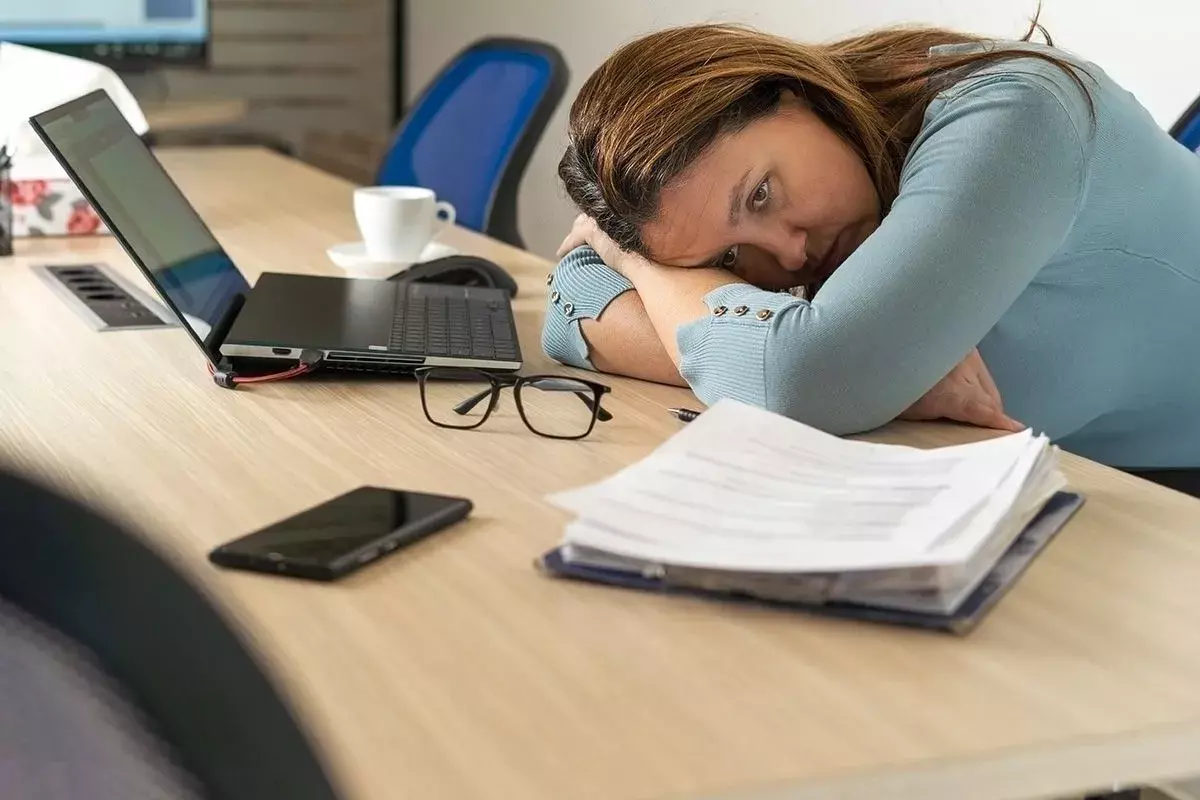
Feeling extremely tired is common for those with depression. This tiredness is different from regular fatigue. It affects both body and mind, making simple tasks seem too hard.
At Liv Hospital, we understand the deep connection between depression feeling tired and major depressive disorder. Studies show that up to 90% of people with depression feel very tired. This tiredness can last even after other symptoms get better.
It’s important to know the physical and mental signs of depression-related fatigue. We’ll look into why depression leads to such severe tiredness. This includes how neurotransmitter imbalances and sleep problems play a role.
Key Takeaways
- Depression often brings significant fatigue, affecting up to 90% of people with major depressive disorder.
- Depression-related fatigue can last even after other symptoms improve.
- Neurotransmitter imbalances and sleep problems contribute to depression-related fatigue.
- Understanding the physical and mental symptoms of depression-related fatigue is key to managing it.
- Liv Hospital is dedicated to providing full care for those with depression and related fatigue.
The Overwhelming Nature of Depression-Related Fatigue

Depression can make you feel extremely tired. It’s not just feeling a bit worn out. It’s a deep exhaustion that affects both your body and mind. Even simple tasks seem too hard to do.
The 90% Connection: How Common is Fatigue in Depression?
Fatigue is a common symptom of depression. About 90% of people with depression feel tired all the time. This tiredness can make it hard to do daily tasks, connect with others, and enjoy life.
- Reduced energy levels
- Increased sleepiness
- Difficulty concentrating
- Lack of motivation
It’s important to understand how common fatigue is in depression. Fatigue is not just a minor side effect. It’s a key symptom that needs attention.
Beyond Just Being Tired: Physical Symptoms of Depression Exhaustion
Depression-related fatigue has many physical symptoms. People often feel:
- Muscle weakness: Feeling too tired to do everyday things.
- Sluggishness: Feeling slow and tired all the time.
- Chronic pain: Ongoing pain that makes you feel even more tired.
- Nonrestorative sleep: Waking up feeling just as tired as when you went to bed.
These physical symptoms can be as tough as the mental symptoms of depression. They create a complex problem that affects your overall health.
Mental Fog: Cognitive Impacts of Depression-Related Fatigue
Depression-related fatigue also affects your mind. People often have:
- Brain fog: Trouble focusing and making decisions.
- Lack of motivation: Struggling to start or finish tasks.
- Slowed thinking: Feeling mentally slow.
These mental symptoms can make it hard to live your daily life. They can affect your ability to work, be productive, and socialize.
Can Depression Make You Tired? The Science Behind the Exhaustion

Depression changes our bodies in ways that make us very tired. This tiredness is not just feeling sad. It’s a mix of physical and mental changes.
Neurotransmitter Imbalances: How Serotonin, Dopamine, and Norepinephrine Affect Energy
Depression makes us tired because of neurotransmitter imbalances. Serotonin, dopamine, and norepinephrine control our mood, motivation, and energy. When they’re off balance, we feel very tired.
Serotonin is key. It helps us sleep, eat, and feel good. When serotonin is low, we get tired and have less energy.
| Neurotransmitter | Function | Impact on Energy |
| Serotonin | Regulates mood, sleep, and appetite | Lower levels can lead to fatigue |
| Dopamine | Involved in motivation and reward | Imbalances can cause lack of motivation and energy |
| Norepinephrine | Plays a role in attention and arousal | Disruptions can result in decreased alertness |
The Vicious Cycle of Sleep Disruption in Depression
Depression messes with our sleep, causing insomnia or too much sleep. This messes up our energy and makes depression worse.
Studies show people with depression often can’t sleep well. This makes them even more tired. Fixing sleep problems is key to fighting depression fatigue.
The Inflammatory Connection: How Depression Triggers Physical Fatigue
Depression makes our bodies inflamed, leading to tiredness. This inflammation comes from our body’s stress response to depression. It releases cytokines that make us feel very tired.
Knowing about this inflammation helps us find new ways to treat depression fatigue. We can work on reducing inflammation and boosting energy.
Conclusion: Finding Relief from Depression-Related Exhaustion
Depression-related fatigue is a big problem for many people. It affects almost 90% of those with major depressive disorder. Knowing that depression can make you tired is key to solving this issue.
Managing this fatigue needs a few steps. These include regular exercise, better sleep, and a healthy diet. By making these lifestyle changes and getting professional help, you can find relief.
Getting better from depression-related exhaustion is possible. For more tips on managing this fatigue, check out Susan L. Hollander PhD’s website. It offers great advice on dealing with depression-related exhaustion. With the right treatment, you can boost your energy and improve your life.
FAQ
Does depression cause fatigue?
Yes, depression often leads to feeling very tired. About 90% of people with major depression feel this way. It can be a hard symptom to deal with.
Why does depression make you feel tired all the time?
Depression can make you tired because of several reasons. These include imbalances in brain chemicals, sleep problems, and inflammation. These issues can stop your body from making energy, making you feel very tired.
Can depression cause physical symptoms like muscle weakness?
Yes, depression can make you feel weak and tired. It can also cause chronic pain and affect your appetite and sleep. These symptoms can make you feel even more tired and less energetic.
How does depression affect cognitive function and motivation?
Depression can make it hard to think clearly and feel motivated. It can also make it tough to focus. These problems can make everyday tasks seem overwhelming.
Is fatigue a normal symptom of depression?
Yes, feeling very tired is a common symptom of depression. About 90% of people with depression feel this way. It can be a very hard symptom to deal with.
Can managing sleep help alleviate depression-related fatigue?
Yes, getting better sleep is key to fighting depression-related fatigue. Try to sleep at the same time every night. Make your bedroom a sleep-friendly space. Avoid activities that get you excited before bed.
Are there any lifestyle changes that can help manage depression-related fatigue?
Yes, there are many ways to fight depression-related fatigue. Regular exercise, eating well, managing stress, and getting help when needed are all important. These changes can help you feel better.
How do neurotransmitter imbalances contribute to depression-related fatigue?
Imbalances in brain chemicals like serotonin and dopamine can make you feel tired. These imbalances can also affect your mood and energy. They play a big role in how you feel and how much energy you have.
References
National Health Service (NHS). Gastrojejunostomy (GJ) Bypass: Procedure, Weight Loss, and Blockage Relief. Retrieved from https://www.gosh.nhs.uk/conditions-and-treatments/procedures-and-treatments/gastrojejunostomy-transgastric-jejunal-feeding-device-care/



 Departments
 Related Videos
 Our Doctors
 News
News