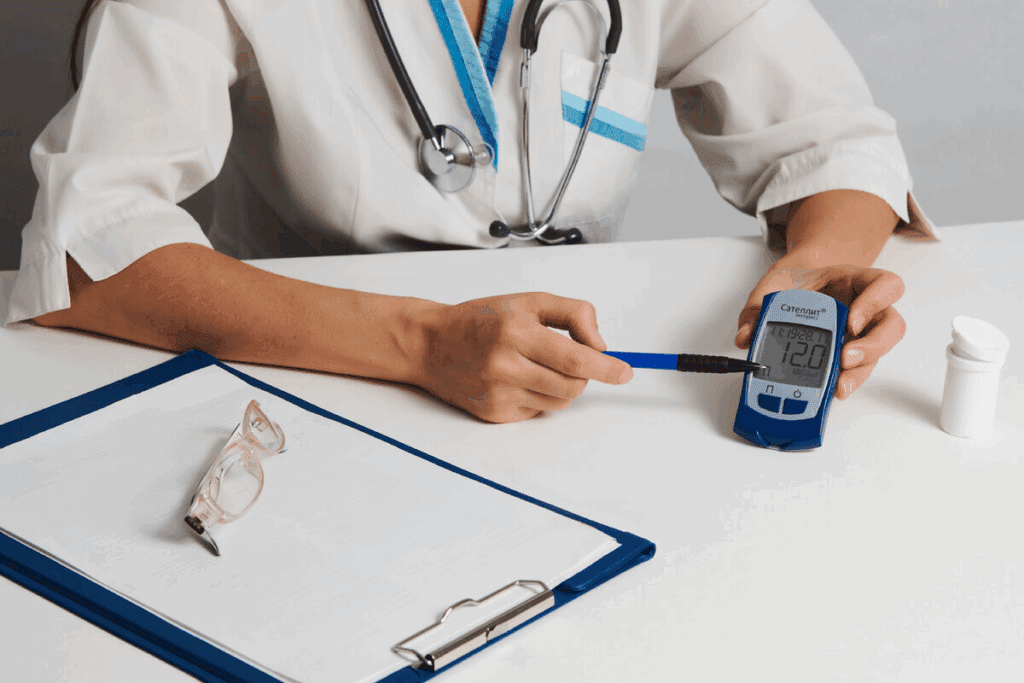
Millions worldwide think Type 2 diabetes means a life of medication. But, new research shows this isn’t true for many.
Studies show that up to 61 percent of patients can fully reverse diabetes. This happens with the right lifestyle changes like diet and exercise.
Gerald I. Shulman, MD, PhD, says, “Reversing insulin resistance means reversing type 2 diabetes.” We think lifestyle changes can really help manage and even reverse this condition.
Get the definitive answer:does diabetes go away (Type 2)? Learn how diet and exercise can lead to remission and effectively reverse symptoms.
Key Takeaways
- Type 2 diabetes can be reversed through lifestyle changes.
- Intensive lifestyle interventions, including diet and exercise, can lead to complete diabetes remission.
- Reversing insulin resistance is key to reversing type 2 diabetes.
- Lifestyle changes can have a significant impact on managing and reversing diabetes.
- Up to 61 percent of patients can achieve complete diabetes remission through lifestyle changes.
Understanding Diabetes: Types and Progression
It’s important to understand diabetes well to manage it effectively. Diabetes is not just one disease but a group of metabolic disorders. These disorders are marked by high blood sugar levels.
Type 1 vs. Type 2 Diabetes
Type 1 diabetes is an autoimmune condition. It happens when the body’s immune system attacks the insulin-producing cells in the pancreas. This results in no insulin production.
Type 2 diabetes is different. It’s caused by insulin resistance, where the body’s cells don’t respond well to insulin. Over time, the pancreas may not produce enough insulin.
Knowing the difference between Type 1 and Type 2 diabetes is key. Type 1 diabetes often needs insulin therapy. Type 2 diabetes can be managed with lifestyle changes like diet and exercise.
The Progressive Nature of Untreated Diabetes
If diabetes is not treated, it can cause serious problems. The disease gets worse over time, leading to high blood sugar levels. This can damage organs and tissues.
Untreated diabetes can lead to heart disease, kidney failure, and nerve damage. These are serious complications.
- Cardiovascular disease
- Kidney damage (nephropathy)
- Nerve damage (neuropathy)
- Vision problems (retinopathy)
Risk Factors and Early Warning Signs
Knowing the risk factors and early signs is key for early treatment. Risk factors include obesity, lack of exercise, a diet high in sugar and unhealthy fats, and a family history of diabetes. Early signs include increased thirst and urination, fatigue, and blurred vision.
- Family history of diabetes
- Obesity or being overweight
- Physical inactivity
- Certain ethnic backgrounds
- History of gestational diabetes or delivering a baby over 4 kg
According to Emory Healthcare, prediabetes is when blood sugar is higher than normal but not high enough for Type 2 diabetes. Recognizing these signs can help prevent diabetes or its complications.
The Paradigm Shift: From Management to Reversal
The medical world is changing how it treats diabetes. Now, reversing diabetes is seen as a real possibility. For years, doctors mainly used medicine to control blood sugar. But now, they’re seeing how lifestyle changes can also play a big role in managing and even reversing type 2 diabetes.
Traditional Medication-Centered Approaches
For a long time, doctors mainly used medicine to manage diabetes. These medicines help control blood sugar but don’t always fix the problem. Osama Hamdy, a doctor at the Joslin Diabetes Center, says, “Type 2 diabetes is driven by largely reversible metabolic abnormalities.” This shows we might need a more complete way to treat diabetes.
“Type 2 diabetes is driven by largely reversible metabolic abnormalities.” –
Osama Hamdy, Joslin Diabetes Center
Emergence of Lifestyle-Based Interventions
Lately, we’ve learned how important lifestyle changes are in fighting diabetes. This includes eating better, moving more, and other habits that tackle the diabetes causes. Many people have seen big improvements, even going into remission.
Now, we know that lifestyle changes can be a strong ally against diabetes. By making healthy choices like eating right, exercising, and living well, people can even reverse their diabetes diagnosis. This new focus on lifestyle changes is a big step forward in diabetes care, giving hope to those with the condition.
Does Diabetes Go Away Completely?
The idea of reversing diabetes has sparked a lot of debate. It’s important to understand the terms reversal, remission, and cure. This will help us see what’s possible with diabetes treatment.
Defining “Reversal” vs. “Remission” vs. “Cure”
The terms “reversal,” “remission,” and “cure” mean different things in diabetes. Remission means your blood sugar levels are back to normal without medication. Sun Kim, an endocrinologist at Stanford University, says diabetes is in remission when your blood sugar is below the normal range for three months without medication.
A diabetes cure means the disease is gone for good. Reversal means the disease is gone, but it could come back if you don’t keep up with healthy habits.
| Term | Definition |
|---|---|
| Remission | Glucose levels return to normal or near-normal without diabetes medication for at least three months. |
| Cure | Permanent resolution of diabetes. |
| Reversal | Disease has been reversed, but risk of return remains if lifestyle changes are not maintained. |
Is Type 1 Diabetes Reversible?
Type 1 diabetes is when your body attacks the cells that make insulin. Right now, Type 1 diabetes can’t be reversed. The damage to the pancreas can’t be fixed with today’s technology.
Can Type 2 Diabetes Return After Remission?
Type 2 diabetes is about your body not using insulin well. It can go into remission with big changes in your lifestyle. But, it might come back if you don’t keep up with those changes.
It’s key to keep making healthy choices to stay in remission. This helps prevent Type 2 diabetes from coming back.
The Science Behind Diabetes Reversal
Reversing diabetes involves several steps. These include improving insulin resistance, beta cell function, and reducing visceral fat. Knowing how these work is key to finding effective ways to reverse diabetes.
Insulin Resistance and Beta Cell Function
Insulin resistance happens when the body’s cells don’t respond well to insulin. This makes it hard for glucose to get into cells. It also puts more work on the pancreas, mainly the beta cells that make insulin.
As insulin resistance gets worse, beta cells get tired. They make less insulin, causing blood sugar levels to rise.
Fixing insulin resistance is a big part of beating diabetes. Research shows losing a bit of weight can make cells more responsive to insulin. Gerald I. Shulman, a top expert, says losing a little weight can reverse insulin resistance. This helps beta cells work better.
The Role of Visceral Fat in Diabetes
Visceral fat is fat around the belly organs. It’s active and releases substances that cause insulin resistance. Losing visceral fat through diet and exercise is key to better insulin sensitivity and reversing diabetes.
Metabolic Adaptations During Lifestyle Changes
Healthy habits like a good diet and exercise make the body change in good ways. These changes include better insulin sensitivity and muscles taking up more glucose. They also help with fat metabolism.
These improvements help control blood sugar and improve overall health. They help reverse diabetes.
Understanding how diabetes reversal works helps us see why a full approach is needed. This includes diet, exercise, and lifestyle changes. This knowledge lets people take charge of their health and work on reversing their diabetes.
Clinical Evidence Supporting Diabetes Reversal
Reversing diabetes through lifestyle changes is becoming more popular. This is thanks to strong clinical evidence. Recent studies have shown that intensive lifestyle changes can lead to diabetes remission.
Significant Remission Rates in Intensive Programs
Intensive lifestyle programs have shown great success in reversing diabetes. Studies have found that up to 61% of participants in these programs achieve remission. This shows the power of lifestyle changes.
- Structured dietary changes
- Regular physical activity
- Continuous monitoring and support
These programs often include diet changes, more exercise, and ongoing support. This leads to better insulin sensitivity and glucose metabolism.
Long-Term Efficacy of Diabetes Reversal
Long-term studies have also confirmed the success of lifestyle interventions. They show that sticking to lifestyle changes can keep diabetes remission going. This is key for long-term health.
- Long-term adherence to lifestyle changes
- Sustained improvements in insulin sensitivity
- Reduced risk of diabetes-related complications
This highlights the need for long-term lifestyle changes for lasting diabetes reversal.
Comparing Lifestyle Interventions to Medication
Lifestyle interventions often outperform medication in managing diabetes. They tackle the root causes of diabetes, like insulin resistance. This is different from just treating symptoms.
Lifestyle interventions have several benefits:
- Improved insulin sensitivity
- Enhanced glucose metabolism
- Reduced reliance on medication
By making big lifestyle changes, people can often get better results than with medication alone.
Weight Loss as a Primary Mechanism
Modest weight loss can greatly improve insulin sensitivity. This is key for managing and reversing diabetes. Losing weight, mainly around the belly, helps our bodies use insulin better.
The 7% Rule: How Modest Weight Loss Improves Insulin Sensitivity by 57%
Studies show losing just 7% of body weight can boost insulin sensitivity by 57%. This is a big deal because it shows you don’t need to lose a lot of weight to see health gains. Osama Hamdy says this weight loss can be a game-changer for people with diabetes.
Improvements in insulin sensitivity come from losing visceral fat. This fat is active and makes insulin resistance worse. By losing weight, we cut down on this bad fat, making our insulin work better.
Fat Loss vs. Muscle Preservation
It’s important to know the difference between losing fat and keeping muscle. Losing fat, like belly fat, is good. But keeping muscle is also key. Muscle helps our bodies use glucose better, which improves insulin sensitivity.
A good weight loss plan should aim to lose fat and keep muscle. This means doing strength training and eating enough protein.
Sustainable Weight Management Strategies
Real weight loss isn’t about quick fixes or trendy diets. It’s about making lasting lifestyle changes. This includes eating better, moving more, and changing habits for a healthy weight.
- Eating a balanced diet rich in vegetables, fruits, whole grains, and lean proteins
- Engaging in regular physical activity, including both aerobic exercise and resistance training
- Monitoring progress and making adjustments as needed
By sticking to sustainable weight loss plans, people can lose weight and get healthier. This also lowers the risk of diabetes complications.
Dietary Approaches for Reversing Diabetes
Diet is key in managing and possibly reversing diabetes. Different methods show great promise. Dariush Mozaffarian says losing weight, reducing stress, eating healthier, and being more active can help.
Low-Carbohydrate and Ketogenic Diets
Low-carb and ketogenic diets are getting attention for diabetes management. They cut down carbs to lower blood sugar and boost insulin sensitivity.
Benefits: They lead to weight loss, better blood sugar control, and less need for medication.
Potential Drawbacks: They can be hard to follow and might harm gut health if not done right.
| Dietary Approach | Key Features | Benefits for Diabetes |
|---|---|---|
| Low-Carbohydrate | Reduced carb intake | Improved blood sugar control |
| Ketogenic | High fat, low carb | Weight loss, improved insulin sensitivity |
Plant-Based and Mediterranean Approaches
Plant-based and Mediterranean diets are full of fruits, veggies, whole grains, and healthy fats. They help manage blood sugar and improve health.
Benefits: They’re packed with antioxidants, fiber, and healthy fats. They help with insulin sensitivity and lower chronic disease risk.
Potential Drawbacks: They require big changes in eating habits. There’s a risk of nutrient deficiencies if not planned well.
Intermittent Fasting and Time-Restricted Eating
Intermittent fasting and time-restricted eating involve alternating eating and fasting. They help with weight loss and improve metabolic health.
Benefits: They lead to weight loss, better insulin sensitivity, and more autophagy.
Potential Drawbacks: They might not work for everyone, mainly those with health issues. They can be hard to stick to.
Many diets can help reverse diabetes, and the right one depends on personal preferences and health. Always talk to a healthcare provider before changing your diet.
Key Nutritional Principles for Blood Sugar Control
Understanding key nutritional principles is the first step to managing blood sugar. What we eat greatly affects our blood sugar levels. Making smart food choices is key to managing diabetes.
Foods That Spike Blood Sugar and Why They Matter
Some foods can quickly raise blood sugar, which is a big concern for people with diabetes. Refined carbohydrates, like white bread and sugary snacks, are quickly broken down. This leads to a fast increase in blood glucose.
Elizabeth Vaughan recommends eating whole grains instead of refined ones. This can help prevent blood sugar spikes.
Protein, Healthy Fats, and Complex Carbohydrates
Eating protein, healthy fats, and complex carbohydrates helps control blood sugar. Protein takes longer to digest, which slows down glucose release. Healthy fats, found in foods like avocados and nuts, make you feel full and help regulate blood sugar.
Complex carbohydrates, like whole grains, vegetables, and legumes, are digested slowly. This prevents sudden spikes in blood glucose.
The Glycemic Index and Glycemic Load
Knowing the glycemic index (GI) and glycemic load (GL) helps control blood sugar. The GI shows how quickly foods raise blood sugar. The GL considers the amount of carbs in a serving.
Foods with low GI and GL, like most vegetables and whole grains, are better. They cause a gradual increase in blood sugar.
| Food | Glycemic Index (GI) | Glycemic Load (GL) |
|---|---|---|
| White Bread | 70-80 | 10-12 |
| Whole Wheat Bread | 30-40 | 6-8 |
| Apple | 38 | 6 |
| Carrot | 32 | 2 |
By applying these nutritional principles, managing blood sugar becomes easier. It’s about making smart choices and eating a balanced diet with whole foods.
Effective blood sugar control comes from understanding nutrition and making smart food choices. Focus on whole foods, be aware of the glycemic index and load, and balance protein, healthy fats, and complex carbohydrates. This way, individuals can manage their diabetes effectively.
“The key to managing blood sugar is not just about cutting out certain foods, but about creating a balanced and sustainable eating plan that works for you.”
— Elizabeth Vaughan
Exercise Protocols That Enhance Insulin Sensitivity
Exercise is key to reversing diabetes. It helps lose weight and makes muscles stronger. This makes them better at taking glucose from the blood, as O. Kenrik Duru explains. Adding good exercise to your life can really boost insulin sensitivity.
How Exercise Promotes Glucose Absorption in Muscle Tissue
Physical activity makes our muscles need more glucose. This helps lower blood sugar and improve insulin sensitivity. It also boosts the production of proteins that help muscles take up glucose better.
Aerobic Exercise Benefits and Recommendations
Aerobic Exercise Benefits and Recommendations
Aerobic exercises like walking, cycling, and swimming are great for the heart and insulin sensitivity. Aim for 150 minutes of moderate-intensity aerobic exercise each week. Adjust this based on your fitness and health goals.
| Aerobic Exercise Type | Intensity | Duration |
|---|---|---|
| Brisk Walking | Moderate | 30 minutes |
| Cycling | Moderate to High | 45 minutes |
| Swimming | Low to Moderate | 30-45 minutes |
Resistance Training for Metabolic Health
Resistance training is also vital. It builds muscle, which helps with glucose absorption and insulin sensitivity. Do resistance training exercises at least twice a week, focusing on all major muscle groups.
Example Resistance Training Exercises:
- Squats
- Deadlifts
- Bench Press
- Rows
High-Intensity Interval Training (HIIT)
HIIT combines short, intense exercise with brief rest periods. It greatly boosts insulin sensitivity and glucose metabolism. Do HIIT 2-3 times a week, starting with short intervals and increasing as you get stronger.
Combining aerobic exercise, resistance training, and HIIT creates a powerful exercise plan. It helps improve insulin sensitivity and aids in diabetes reversal. Always talk to a healthcare professional before starting any new exercise program, even more so if you have health conditions.
Creating a Sustainable Lifestyle Plan
Creating a sustainable lifestyle plan tailored to individual needs is key to long-term diabetes control. We recognize that each person’s journey with diabetes is unique. This requires a personalized approach to management and reversal.
Personalization Based on Individual Factors
A successful lifestyle plan takes into account various individual factors. These include age, current health status, lifestyle preferences, and specific diabetes-related needs. Emory Healthcare emphasizes the importance of small, consistent steps in managing diabetes. They suggest that even modest changes can lead to significant improvements over time.
To create a personalized plan, consider the following elements:
- Nutritional preferences and dietary restrictions
- Physical activity levels and exercise preferences
- Stress management techniques
- Monitoring and tracking methods for blood sugar levels
Building Habits That Last
Building lasting habits is key for long-term success in diabetes management. We recommend starting with small, achievable changes. For instance, incorporating a short daily walk into your routine can be a simple yet effective starting point.
To foster habit formation, it’s essential to:
- Create a routine that fits your lifestyle
- Set realistic goals and track progress
- Celebrate small victories along the way
Monitoring Progress and Making Adjustments
Regular monitoring of progress is vital to making necessary adjustments to your lifestyle plan. This involves tracking blood sugar levels, monitoring weight changes, and assessing overall health markers.
By regularly reviewing your progress, you can identify areas that need adjustment. This ensures your plan remains effective and tailored to your evolving needs. This adaptive approach helps maintain motivation and supports long-term success in diabetes management.
Key aspects to monitor include:
- Blood glucose levels
- Physical activity and exercise routines
- Nutritional intake and meal planning
- Stress levels and management techniques
Common Misconceptions About Diabetes Reversal
Many people have wrong ideas about reversing diabetes. This can make treatment harder and affect how well it works. We need to clear up these misunderstandings to help patients understand their health better.
“Once You Have Diabetes, You Have It For Life”
This saying isn’t always true, mainly for Type 2 diabetes. Studies show big lifestyle changes can reverse it. Sydney Blount says Type 2 diabetes can be prevented and treated. But, for those already diagnosed, the chance to reverse it is a glimmer of hope.
The “Quick Fix” Myth
Some think diabetes can be cured quickly. But science doesn’t back this up. Reversing diabetes takes hard work and sticking to healthy habits like eating right and exercising. Fad diets might seem to work at first but won’t keep diabetes away for good.
Supplements and “Miracle Cures”
The market is full of products claiming to cure diabetes. But, there’s little proof they work. We should be careful with these products. They might not help and could even be dangerous.
When Medication Is Stil Necessary
Even with healthy changes, some might need medicine. Deciding to keep or stop medicine should be talked over with a doctor. Medicine is key in managing diabetes, even when you’re making healthy choices.
| Misconception | Reality |
|---|---|
| Diabetes is a lifelong condition. | Type 2 diabetes can be reversed or put into remission with lifestyle changes. |
| There’s a “quick fix” for diabetes. | Reversing diabetes requires sustained lifestyle changes. |
| Supplements can “cure” diabetes. | Limited evidence supports their effectiveness; they may be harmful. |
| Medication is never necessary. | Medication may be needed even with healthy habits. |
It’s important to know the truth about reversing diabetes. This helps set realistic goals and leads to better results. By tackling common myths and sticking to proven methods, we can help people manage their diabetes better.
Conclusion: The Future of Diabetes Treatment
The future of diabetes treatment is moving towards a more complete and personal care plan. This plan includes making lifestyle changes. Experts say that changing how we live can greatly help manage and even reverse diabetes.
By focusing on a whole approach, like eating better, exercising more, and keeping a healthy weight, people can change their diabetes diagnosis. This shows that treating diabetes is not just about medicine but also about how we live.
Looking ahead, diabetes treatment will focus on a complete care plan. This means giving people the tools and support they need to handle their diabetes well. This way, we can make life better for those with diabetes and lessen the disease’s impact worldwide.
FAQ
Can diabetes be reversed with diet and exercise?
Yes, Type 2 diabetes can often be reversed or managed with diet and exercise. Type 1 diabetes is not reversible, but research is exploring new ways to manage it.
Is Type 1 diabetes reversible?
Currently, Type 1 diabetes is not reversible. It’s an autoimmune condition where the body attacks insulin-producing cells. But, researchers are working on new treatments and possible cures.
What is the difference between reversal, remission, and cure in diabetes?
Reversal means achieving normal blood sugar levels without medication through lifestyle changes. Remission means diabetes is no longer detected but can return. A cure is a permanent solution, which is not yet available for diabetes, though it’s being researched.
Can Type 2 diabetes return after remission?
Yes, Type 2 diabetes can return after remission if lifestyle changes are not kept up. Weight gain, less physical activity, or other health changes can cause it to come back.
How does weight loss impact diabetes reversal?
Losing weight, mainly around the belly, can greatly improve insulin sensitivity and help reverse Type 2 diabetes. Even a small weight loss of 7% can boost insulin sensitivity by 57%.
What dietary approaches are effective for reversing diabetes?
Effective diets include low-carb and ketogenic, plant-based, and Mediterranean diets. The goal is to find a diet that works for you and helps with weight loss and better insulin sensitivity.
How does exercise help in reversing diabetes?
Exercise makes muscles better at absorbing glucose, improving insulin sensitivity. Regular activities like aerobic, resistance, and high-intensity interval training can help manage and reverse Type 2 diabetes.
Is there a cure for diabetes?
There is no cure for diabetes yet, but research is ongoing. Type 2 diabetes can often be managed or reversed with lifestyle changes, but it requires ongoing effort and monitoring.
Can supplements or “miracle cures” reverse diabetes?
There’s no scientific proof that supplements or “miracle cures” can reverse diabetes. While some supplements may help control blood sugar, they should not replace established treatments and lifestyle changes.
When is medication needed for diabetes despite lifestyle changes?
Medication may be needed for diabetes, even with lifestyle changes. This is true for Type 1 diabetes or if lifestyle changes alone can’t manage blood sugar levels. It’s important to work with a healthcare provider to find the best treatment plan.
Can diabetes be reversed permanently?
While Type 2 diabetes can be reversed with lifestyle changes, it’s not considered a permanent reversal. It’s important to keep up with healthy habits to prevent it from coming back.
Why is there no cure for diabetes?
Diabetes is a complex condition influenced by genetics, lifestyle, and environment. While progress has been made in managing it, a cure is not yet available. Ongoing research aims to find the underlying causes and develop more effective treatments.
Reference
National Center for Biotechnology Information. Evidence-Based Medical Guidance. Retrieved from https://www.ncbi.nlm.nih.gov/pmc/articles/PMC5881879/