
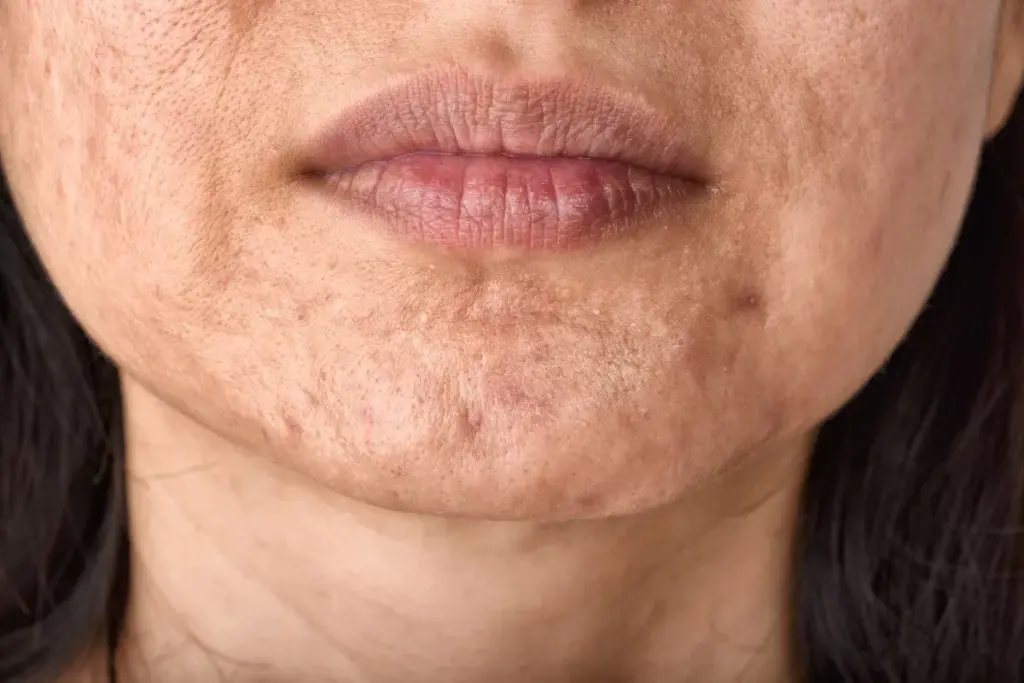
Many people ask if exfoliating can really help get rid of scars and make skin look better. The answer is yes. When done right and often, exfoliation is great for making skin smoother and less noticeable acne scars
Does exfoliating can be an effective way to address scars and acne-related concerns by encouraging cell renewal and collagen production. Explore the science behind this skincare step..
Exfoliation helps by getting rid of old skin cells. This lets new, healthier skin show. The American Academy of Dermatology says it makes skin look brighter. It also helps skin care products work better by being absorbed easier.
Key Takeaways
- Exfoliation improves skin texture by removing dead skin cells.
- Regular exfoliation can reduce the appearance of acne scars.
- Chemical exfoliants containing AHAs promote cell turnover.
- Exfoliation enhances the absorption of topical skincare products.
- Consistent exfoliation can lead to brighter, healthier-looking skin.
Understanding Exfoliation and Its Effects on Skin
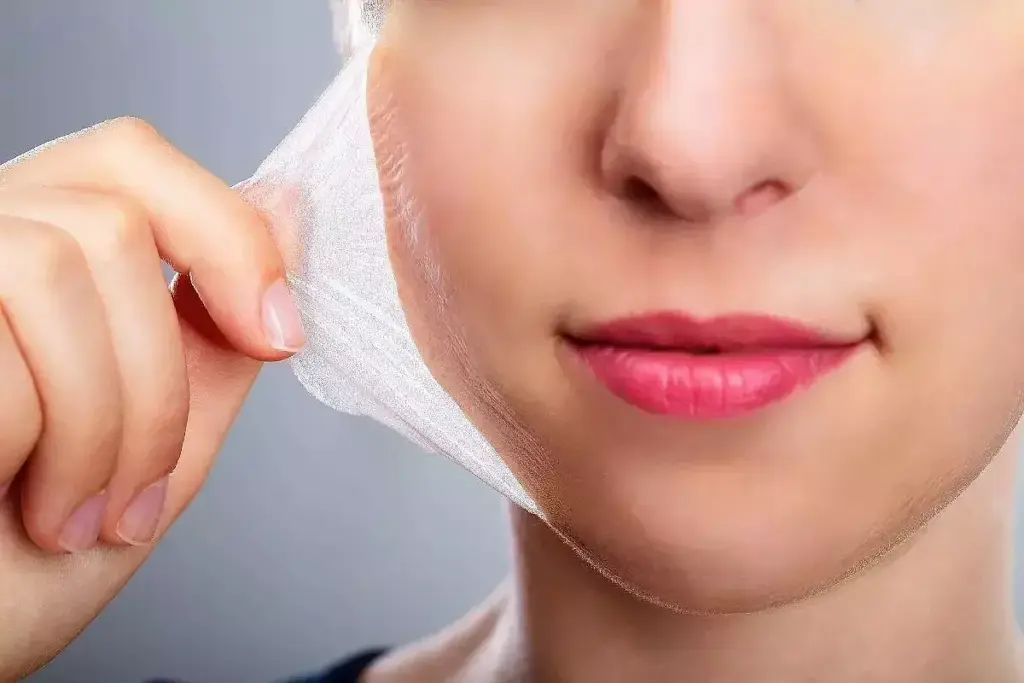
Exfoliation is key to a good skincare routine. It helps keep your skin healthy and glowing. By getting rid of dead skin cells, it makes your skin smoother and pores smaller. It also makes other skincare products work better.
There are two main ways to exfoliate: physical and chemical. Knowing the difference is important for choosing the right method for your skin.
Types of Exfoliation: Chemical vs. Physical
Physical exfoliation uses scrubs, brushes, or cloths to remove dead skin. It’s good but might not be for everyone, like those with sensitive skin.
Chemical exfoliation uses acids like AHAs and BHAs to break down dead skin. It’s gentler and works well for many, making skin look brighter without scrubbing.
How Exfoliation Promotes Cell Turnover
Exfoliation gets rid of dead skin, revealing smoother, brighter skin. It:
- Improves skin texture and tone
- Makes fine lines and wrinkles less noticeable
- Makes skin clearer and more radiant
Doing it regularly can also help clear pores, reducing acne and other skin problems.
Key Exfoliating Ingredients and Their Functions
Exfoliating products use different ingredients for their benefits. Some top ones are:
| Ingredient | Function | Benefits |
| Glycolic Acid (AHA) | Dissolves dead skin cells | Improves skin texture, reduces fine lines |
| Salicylic Acid (BHA) | Unclogs pores, reduces inflammation | Effective against acne, blackheads |
| Lactic Acid (AHA) | Promotes cell turnover, hydrates skin | Brightens skin, improves skin elasticity |
Knowing about exfoliation types and ingredients helps you choose the best for your skin. This way, you can tackle specific skin issues and get the best results.
Does Exfoliating Help with Scars? The Science Explained
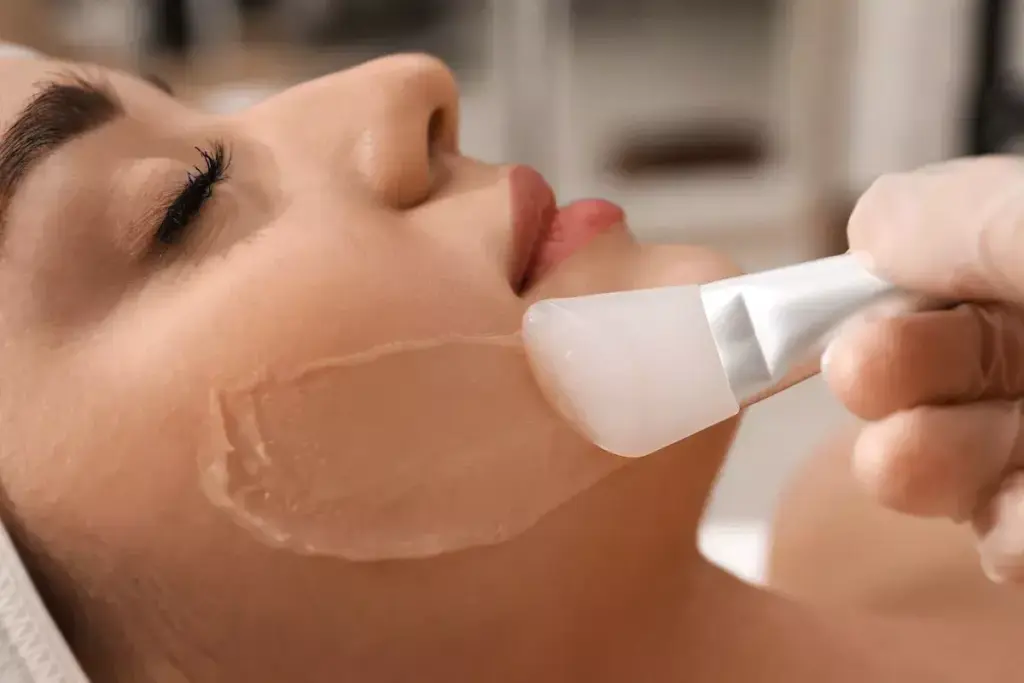
Exfoliation removes dead skin cells. It can help scars by boosting cell turnover and collagen. This might make scars look better over time.
How AHAs (Glycolic, Lactic, Mandelic Acid) Work on Scar Tissue
Alpha-hydroxy acids (AHAs) are used in exfoliation. Glycolic acid goes deep into the skin. It boosts collagen and reduces fine lines and scars. Chemical peels with AHAs are great for scars.
Studies show glycolic acid peels improve skin and scars. A study found big improvements in skin after using these peels.
BHAs (Salicylic Acid) and Their Effect on Acne Scars
Beta-hydroxy acids (BHAs), like salicylic acid, are good for acne scars. Salicylic acid gets into pores and cuts inflammation. This stops more scarring.
Salicylic acid peels treat active acne and scars. They improve skin texture and reduce scars by turning over cells and reducing inflammation.
Clinical Research on Exfoliation for Post-Acne Scarring
Studies back exfoliation for post-acne scars. A study showed glycolic and salicylic acid peels work well in six treatments. They were applied every two weeks.
| Exfoliating Ingredient | Effect on Scars | Number of Treatments |
| Glycolic Acid | Improves skin texture and reduces scar appearance | 6 treatments |
| Salicylic Acid | Reduces inflammation and prevents further scarring | 6 treatments |
Exfoliation might not erase deep scars but can make them less noticeable. It does this by promoting cell turnover and collagen. Knowing how AHAs and BHAs work on scars helps in choosing the right skincare.
Exfoliation Benefits for Different Skin Concerns
Exfoliation is great for many skin issues. It removes dead skin cells and boosts cell renewal. This makes your skin look better.
Treating Post-Inflammatory Hyperpigmentation
Many people struggle with post-inflammatory hyperpigmentation (PIH), more so with darker skin. Exfoliation can lessen PIH by removing skin layers and encouraging new cell growth. Chemical exfoliants with alpha-hydroxy acids (AHAs) or beta-hydroxy acids (BHAs) work well.
Start with gentle chemical exfoliants to avoid irritation. Be consistent as it may take weeks to see results.
Addressing Blackheads and Active Acne
Exfoliation is also key for blackheads and active acne. Salicylic acid, a BHA, is great for unclogging pores and reducing inflammation. It helps clear pores and prevent clogs, leading to fewer breakouts.
Those with active acne should exfoliate carefully to avoid making things worse. Choose gentle chemical exfoliants over physical ones. Start with a low concentration and increase as your skin gets used to it.
Limitations: What Exfoliation Can and Cannot Do
Exfoliation is very helpful but has its limits. It can make fine lines, hyperpigmentation, and acne look better, but won’t get rid of them completely. For serious issues, you might need more treatments.
Exfoliation isn’t for everyone. It depends on your skin type and concerns. Always talk to a skincare expert to find the right exfoliation for you.
Proper Exfoliation Techniques and Frequency
How often and how you exfoliate matters a lot. Too much can cause irritation and dryness, while too little won’t help enough. Start with a gentle exfoliant and adjust as needed.
Most people should exfoliate 1-3 times a week. But sensitive skin might need it less, and tougher skin might handle it more. Listen to your skin and adjust your routine.
Conclusion: Creating an Effective Exfoliation Routine
Exfoliating can be a great addition to your skincare routine. It helps improve skin texture and can make scars less noticeable. But, it’s important to know its limits and benefits.
Choosing the right exfoliating method for your skin is key. It helps avoid irritation and gets the best results. Always talk to a skincare expert to find the best exfoliation for you.
Exfoliating can make your skin look brighter and smoother. It can also reduce fine lines and wrinkles. Exfoliating can help with scars, but it works best as part of a complete skincare plan.
To make exfoliation work, be consistent and patient. With the right advice, it can make your skin healthier and more radiant. Exfoliating might not remove scars completely, but it can make them look much better.
FAQ
Can exfoliating remove scars?
Exfoliating can make scars look better by helping skin cells renew and collagen grow. But, it might not get rid of scars completely. How well it works depends on the scar type, its size, and your skin.
Does exfoliating help with acne scars?
Yes, it can. Chemical exfoliants like glycolic acid and salicylic acid help by removing dead skin cells. They also reduce swelling and make skin smoother, making scars less visible.
What does exfoliating do for your skin?
Exfoliating gets rid of dead skin cells and opens up pores. It makes skin look smoother, brighter, and more even. It also helps with fine lines and wrinkles, making skin clearer.
Does exfoliating help with blackheads?
Yes, it does. Salicylic acid in chemical exfoliants breaks down keratin that blocks pores. This makes it easier to get rid of blackheads and stop new ones.
How often should I exfoliate my skin?
How often you should exfoliate depends on your skin. Usually, one to three times a week is good. But, it can change based on your skin’s sensitivity and the exfoliant you use.
What is the best exfoliating ingredient for my skin?
The best ingredient for you depends on your skin type and issues. Glycolic acid works for most, while salicylic acid is great for acne. Talking to a skincare expert can help find the right one for you.
Can I exfoliate if I have sensitive skin?
Yes, but choose something gentle. Look for products with lactic or mandelic acid. Start slow and increase as your skin gets used to it.
Will exfoliating help with post-inflammatory hyperpigmentation?
Exfoliating can make post-inflammatory hyperpigmentation look better by helping skin cells renew and brightening skin. But, using it with sun protection and creams is key for the best results.
Reference:
Government Health Resource. Evidence-Based Medical Guidance. Retrieved from https://www.aad.org/public/everyday-care/skin-care-basics/care/exfoliating-skin-care-products-and-techniques