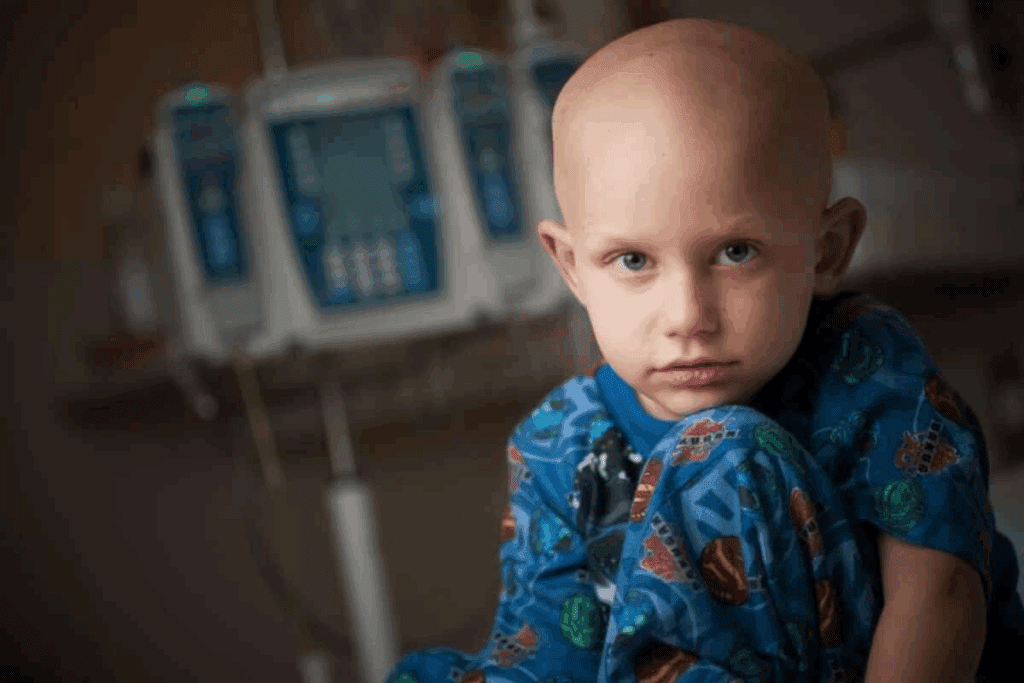
Leukemia is a cancer that affects the blood and bone marrow. It’s the most common cancer in kids. Every year, about 3,000 children in the United States are diagnosed with leukemia. A big worry for kids with leukemia is hair loss.
Chemotherapy and radiation therapy can cause hair loss. While not all kids with leukemia lose their hair, it’s a common worry. It can be very upsetting for young patients.
Key Takeaways
- Leukemia is the most common type of cancer in children.
- Hair loss is a possible side effect of leukemia treatment.
- Not all children with leukemia will lose their hair.
- Leukemia treatment includes chemotherapy and radiation therapy.
- Hair loss can be very upsetting for young patients.
Understanding Childhood Leukemia and Its Treatment
Childhood leukemia treatment is complex. It includes chemotherapy, targeted therapy, and more. Knowing what childhood leukemia is and how it’s treated is key.
What is Childhood Leukemia?
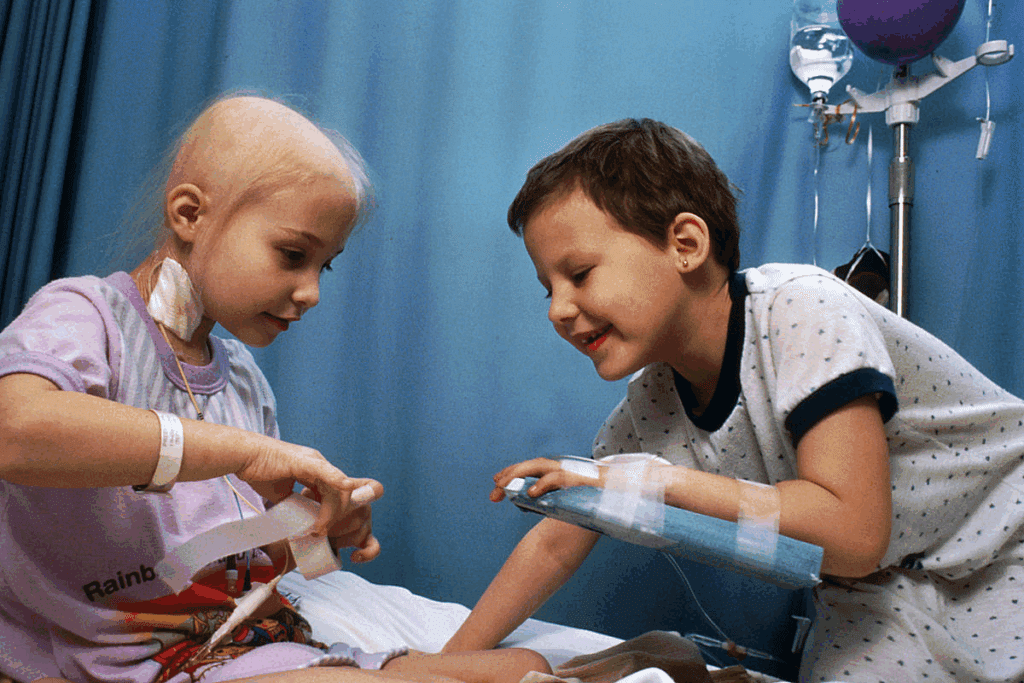
Childhood leukemia is a cancer that affects the blood and bone marrow. It happens when the bone marrow makes too many bad white blood cells. This makes it hard for the body to fight off infections. Acute lymphoblastic leukemia (ALL) is the most common type in kids.
Common Treatment Approaches
Treatment for childhood leukemia often uses chemotherapy. This kills cancer cells with drugs. Other treatments might include targeted therapy, radiation, or a bone marrow transplant. The treatment choice depends on the leukemia type, stage, and the child’s health.
| Treatment Type | Description |
| Chemotherapy | Uses drugs to kill cancer cells |
| Targeted Therapy | Targets specific cancer cells |
| Radiation Therapy | Uses high-energy rays to kill cancer cells |
How Treatments Affect the Body
Chemotherapy and other treatments can cause big side effects, like hair loss. They target fast-growing cells, including hair follicles. This leads to hair thinning or loss. It’s important to understand these effects to manage leukemia treatment challenges.
Hair Loss in Kids with Leukemia: The Complete Picture
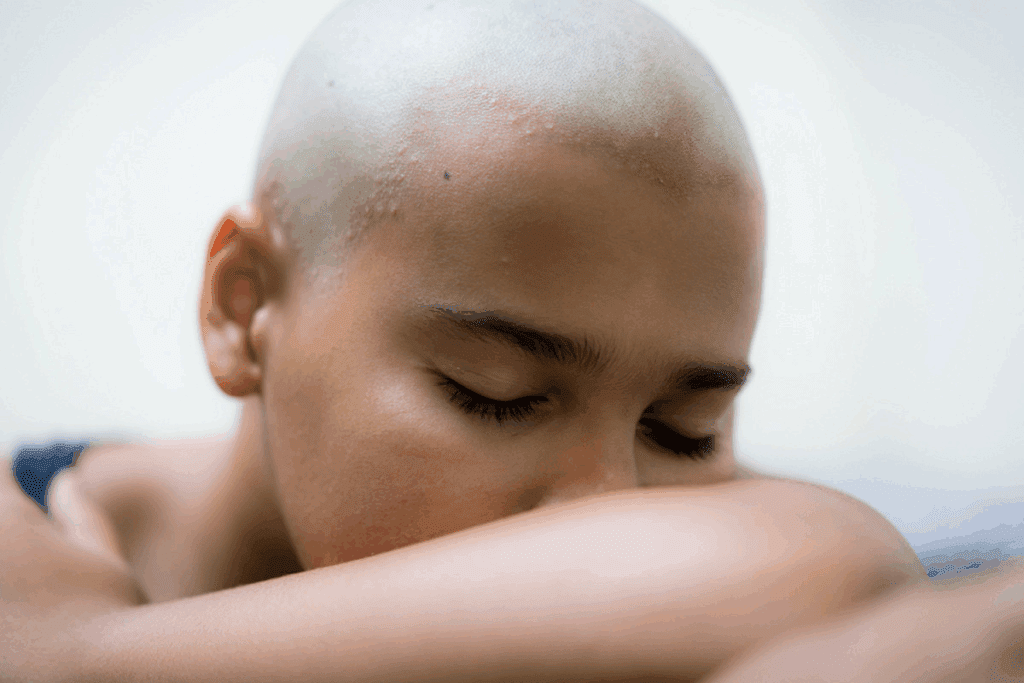
It’s important for parents and caregivers to understand how leukemia treatment affects kids’ hair. Leukemia treatment can have different effects on children, and hair loss is one of them.
Prevalence of Hair Loss During Treatment
Not every child with leukemia loses their hair. But, many do experience hair loss. The amount of hair lost can vary a lot, depending on the treatment.
Chemotherapy, a key treatment for leukemia, often causes hair loss in kids. A study found that how much hair is lost can depend on the drugs used and their doses.
Misconceptions About Cancer and Hair Loss
Many think all cancer treatments make people lose all their hair. But, this isn’t always true. Some treatments cause a lot of hair loss, while others might not affect hair at all.
“The extent of hair loss during cancer treatment is not the same for everyone; it depends on the type of treatment and individual response.”
Different Types of Treatment-Related Hair Changes
Hair changes during leukemia treatment aren’t just about losing hair. Some kids might see changes in hair texture or color when it grows back.
| Type of Hair Change | Description |
| Hair Loss | Partial or complete loss of hair on the scalp or body |
| Hair Thinning | Reduction in hair density, making hair appear thinner |
| Changes in Hair Texture | Hair may become curlier, straighter, or more brittle upon regrowth |
Why Does Hair Loss Occur During Leukemia Treatment?
Leukemia treatment can cause hair loss. This happens because treatments like chemotherapy and radiation target fast-growing cancer cells. But, they also harm fast-growing cells in hair follicles.
The Science Behind Chemotherapy and Hair Follicles
Chemotherapy drugs kill fast-growing cancer cells. Unfortunately, hair follicle cells grow fast too. So, chemotherapy can lead to hair loss, or alopecia, in kids with leukemia. How much hair is lost depends on the treatment and how the body reacts.
Radiation Therapy and Hair Loss
Radiation therapy can also cause hair loss. This is more likely if the radiation targets areas with lots of hair, like the head. The amount of hair lost depends on the dose and where it’s applied.
Other Medications That May Contribute
Other drugs used in leukemia treatment can also cause hair loss. This includes some targeted therapies and drugs for side effects. The effect on hair loss varies, but talking to a doctor is key.
Do All Leukemia Treatments Cause Hair Loss?
Not all leukemia treatments lead to hair loss. Knowing the details can help set realistic expectations. The chance and extent of hair loss depend on the treatment and the person.
Treatments Most Likely to Cause Hair Loss
Chemotherapy is often linked to hair loss. Some chemotherapy drugs are more likely to cause hair loss than others. For example, doxorubicin and cyclophosphamide can lead to significant hair loss in many patients.
“Chemotherapy targets cells that grow fast, like cancer cells and hair follicles,” says a pediatric oncologist. “This leads to hair loss.”
Treatments Less Likely to Affect Hair
Not all treatments cause hair loss. Targeted therapy and immunotherapy might have less effect on hair. These treatments aim more precisely at cancer cells, possibly sparing hair follicles.
Individual Factors That Influence Hair Loss Severity
Several factors can affect how much hair loss occurs. These include the child’s health, the type of leukemia, and genetics. Some children might lose more hair due to their genes or because they’re getting multiple treatments.
Knowing these factors can help families and doctors prepare for and deal with hair loss. As one parent shared, “Understanding what to expect made it easier for us to handle the changes in our child during treatment.”
Timeline: When Hair Loss Occurs and How Long It Lasts
Leukemia treatment can cause hair loss in children. Knowing when and how long it lasts helps families cope. Hair loss, or alopecia, is a common side effect of cancer treatment, like chemotherapy and radiation therapy.
Typical Onset of Hair Loss After Starting Treatment
Hair loss usually starts a few weeks after treatment begins. The exact timing depends on the treatment type, the child’s health, and the leukemia type. Chemotherapy causes hair loss because it targets fast-growing cells, including hair follicles.
Duration of Hair Loss During Treatment
Hair loss can last throughout treatment. The length depends on the treatment’s intensity and the child’s response. Sometimes, hair may grow back during treatment, but it often falls out again.
What to Expect During Different Treatment Phases
The severity of hair loss changes during different treatment phases. Knowing these phases helps families prepare. Here’s a general overview:
| Treatment Phase | Hair Loss Expectation |
| Initial Treatment | Hair loss typically begins within 2-3 weeks |
| Intensive Treatment | Hair loss is more pronounced; may be complete baldness |
| Maintenance Phase | Hair may start to regrow; texture or color may change |
Managing and Preventing Hair Loss in Pediatric Leukemia
Pediatric leukemia treatment often causes hair loss. But, there are ways to manage and maybe even prevent it. It involves medical treatments, scalp care, and talking to doctors.
Scalp Cooling and Other Emerging Techniques
Scalp cooling is a new method that might help less hair fall out during chemo. It works by cooling the scalp to slow blood flow. This means less chemo reaches the hair follicles. Studies show it can reduce hair loss, but it depends on the chemo type.
Other new methods include special medicines to protect hair follicles. Scientists are looking for the best ways to keep hair from falling out without hurting treatment results.
Proper Scalp Care During Treatment
Good scalp care is key during leukemia treatment. It helps avoid discomfort and keeps the scalp healthy for hair to grow back. Use soft shampoos and avoid harsh chemicals or too much heat. Scalp massage can help blood flow, but do it carefully with a doctor’s advice.
- Use gentle, sulfate-free shampoos.
- Avoid harsh chemical treatments.
- Minimize heat styling.
Discussing Hair Loss Concerns with Healthcare Providers
Talking about hair loss worries with doctors is very important. They can explain what to expect and how to deal with it. They can also suggest ways to cope with the emotional side. Talking openly helps families feel more ready and supported during treatment.
“Understanding the possible hair loss and talking about how to handle it with doctors can greatly lessen the emotional impact on kids and their families.”
By using new methods like scalp cooling, taking good care of the scalp, and talking to doctors, families can manage and maybe prevent hair loss from leukemia treatment in kids.
Hair Regrowth After Leukemia Treatment
Hair regrowth after leukemia treatment is a big deal for kids getting better. It shows they’re healing and getting back to normal. “The journey through leukemia treatment is tough, but hair growing back is a hopeful sign for many families,” says a pediatric oncologist.
When Does Hair Typically Start Growing Back?
Hair starts growing back a few months after treatment ends. The exact time can vary based on the treatment type and the child’s health. It’s a slow process that can start as early as 3-4 weeks after chemotherapy ends.
Changes in Hair Texture, Color, and Growth Patterns
The regrown hair might look different at first. Some kids might have curlier or straighter hair than before. “In some cases, the hair may grow back in a different color or texture, but this usually normalizes over time,” explains an expert. These changes are usually temporary and the hair returns to its original state within a year or so after treatment.
Supporting Healthy Hair Regrowth
To help hair grow back healthy, a balanced diet is key. Foods rich in vitamins and minerals, like protein, iron, and zinc, are good for hair. Gentle hair care, like using mild shampoos and avoiding too much heat styling, also helps.
By knowing what to expect and supporting hair growth, families can feel more confident during this part of recovery.
Emotional and Psychological Impact of Hair Loss on Children
Hair loss can deeply affect children with leukemia. It’s a big worry for parents and doctors. Losing hair can make kids feel like they’re sick, affecting how they see themselves and how others see them.
Age-Related Responses to Hair Loss
Kids react differently to hair loss based on their age. Young ones might not get it, while older kids and teens feel it more. For example, teens might feel like they’ve lost who they are because of their hair.
A study found that kids aged 7-12 felt more self-conscious about their looks after losing hair. Younger kids, on the other hand, worried more about the physical feelings of hair loss, like itchiness.
Body Image and Self-Esteem Challenges
Hair loss can really hurt a child’s self-image and confidence. They might feel less attractive or stand out in a bad way. It’s key for parents and caregivers to be there for them, to offer support and reassurance.
Helping kids deal with body image issues includes talking openly about their feelings. Also, focusing on their good qualities and achievements can boost their self-esteem.
Social Interactions and School Concerns
Hair loss can also affect how kids interact with others and their school life. They might worry about being teased or getting stared at. Schools and parents can help by teaching classmates about leukemia and its effects.
| Age Group | Common Concerns | Support Strategies |
| Younger Children (0-6 years) | Physical sensations, separation anxiety | Provide comfort, maintain routine |
| Older Children (7-12 years) | Self-consciousness, social stigma | Encourage open communication, positive reinforcement |
| Teenagers (13+ years) | Identity loss, peer perception | Support groups, counseling |
Conclusion: Supporting Children Through the Hair Loss Journey
Supporting kids with leukemia through hair loss is key for their happiness. Losing hair due to treatment can really upset them. It can make them feel bad about themselves and how they look.
When kids with cancer lose their hair, it’s tough for them and their families. It also affects how they interact with others. Knowing how hair loss from leukemia affects kids is important for helping them.
Parents and caregivers can help by understanding the emotional side of hair loss. Talking openly and being supportive can help kids deal with these changes. It’s a big help during treatment.
Creating a supportive space is very important. It helps kids face the challenges of losing their hair due to leukemia treatment.
FAQ
Do all kids with leukemia lose their hair during treatment?
No, not all kids with leukemia lose their hair. The chance of hair loss depends on the leukemia type, treatment, and individual factors.
What causes hair loss in children with leukemia?
Chemotherapy is the main cause of hair loss in kids with leukemia. It targets fast-growing cells, like hair follicles. Radiation and other meds can also lead to hair loss.
When does hair loss typically start during leukemia treatment?
Hair loss usually starts a few weeks after starting chemotherapy. The exact timing depends on the treatment plan.
How long does hair loss last during leukemia treatment?
Hair loss can last throughout treatment. But, it often starts growing back a few weeks after treatment ends.
Will my child’s hair grow back after leukemia treatment?
Yes, most kids’ hair grows back after treatment. But, it might be different at first in texture, color, and growth.
Are there any ways to prevent or minimize hair loss during leukemia treatment?
There’s no sure way to prevent hair loss. But, scalp cooling and good scalp care might lessen hair loss.
How can I support my child emotionally during hair loss?
Talking openly, being supportive, and helping with body image changes are key. They greatly help your child’s emotional well-being during hair loss.
Can leukemia treatment cause long-term hair loss?
Most hair loss from leukemia treatment is temporary. But, some treatments might cause long-term or permanent hair loss in rare cases.
How can I discuss hair loss concerns with my child’s healthcare provider?
It’s vital to talk openly about hair loss with your child’s healthcare provider. They can guide on managing hair loss and support during treatment.
References
- Vallet, P., et al. (2024). Infections in children and adolescents with Acute Leukemia. European Journal of Pediatrics. https://www.sciencedirect.com/science/article/pii/S2772610X24000011