Explaining the hormonal imbalance and why do women with pcos have high testosterone (hyperandrogenism). Polycystic ovary syndrome (PCOS) is a common hormonal disorder. It affects 5 to 10% of women of childbearing age. This makes it a big deal for reproductive health. Living with PCOS can be tough, with symptoms that affect fertility, self-esteem, and overall well-being.
PCOS is a top reason for infertility in the United States. It needs quick diagnosis and good management. Knowing the common symptoms of PCOS is key for women to take charge of their health. In this article, we’ll give you a detailed checklist of PCOS signs in women. This will help them spot and handle their condition well.
Key Takeaways
- PCOS affects 5 to 10% of women of childbearing age.
- It is a leading cause of infertility in the United States.
- Understanding PCOS symptoms is key for quick diagnosis and good management.
- A detailed checklist can help women identify and manage their condition.
- PCOS impacts fertility, self-esteem, and overall well-being.
What is Polycystic Ovary Syndrome?
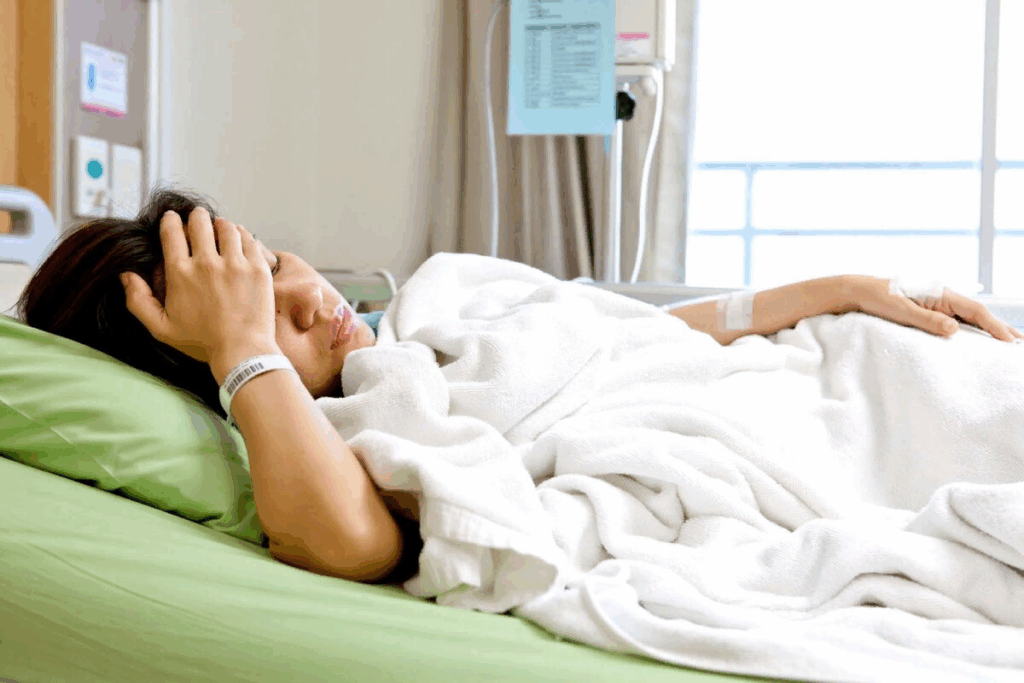
Understanding PCOS means looking into its definition, how common it is, and the hormonal issues it causes. PCOS is a complex disorder that affects women of childbearing age. It impacts their health in many ways.
Definition and Prevalence
Polycystic Ovary Syndrome (PCOS) is a condition that affects women of childbearing age. It involves problems with ovulation, too much androgen, and polycystic ovaries. It’s one of the most common endocrine disorders, affecting about 5-10% of women in this age group.
PCOS is defined by symptoms like irregular periods, too much androgen, and polycystic ovaries on ultrasound. The syndrome’s prevalence varies worldwide, with different populations showing different symptoms.
Population | Prevalence of PCOS |
General Population | 5-10% |
Women with Irregular Menstruation | Up to 20% |
Women with Infertility | 15-20% |
Hormonal Imbalances in PCOS
PCOS is known for hormonal imbalances, mainly too much androgen. These imbalances cause problems with ovulation, leading to irregular or missing periods. The hormonal issues in PCOS are complex, involving insulin resistance, too much androgen, and changes in the hypothalamic-pituitary-ovarian axis.
Key hormonal imbalances in PCOS include:
- Hyperandrogenism: Elevated levels of male hormones (androgens)
- Insulin Resistance: Reduced sensitivity to insulin, often leading to elevated blood glucose levels
- Luteinizing Hormone (LH) and Follicle-Stimulating Hormone (FSH) Imbalance: Altered LH/FSH ratio, affecting ovulation
Who is at Risk for PCOS?
PCOS can affect any woman of childbearing age. But some factors increase the risk. These include a family history of PCOS, obesity, and insulin resistance. Women with a history of irregular periods or infertility are also at higher risk.
Risk factors for PCOS:
- Family History: Having a mother or sister with PCOS
- Obesity: Being overweight or obese
- Insulin Resistance: Presence of insulin resistance or type 2 diabetes
Does PCOS Cause Irregular Periods?
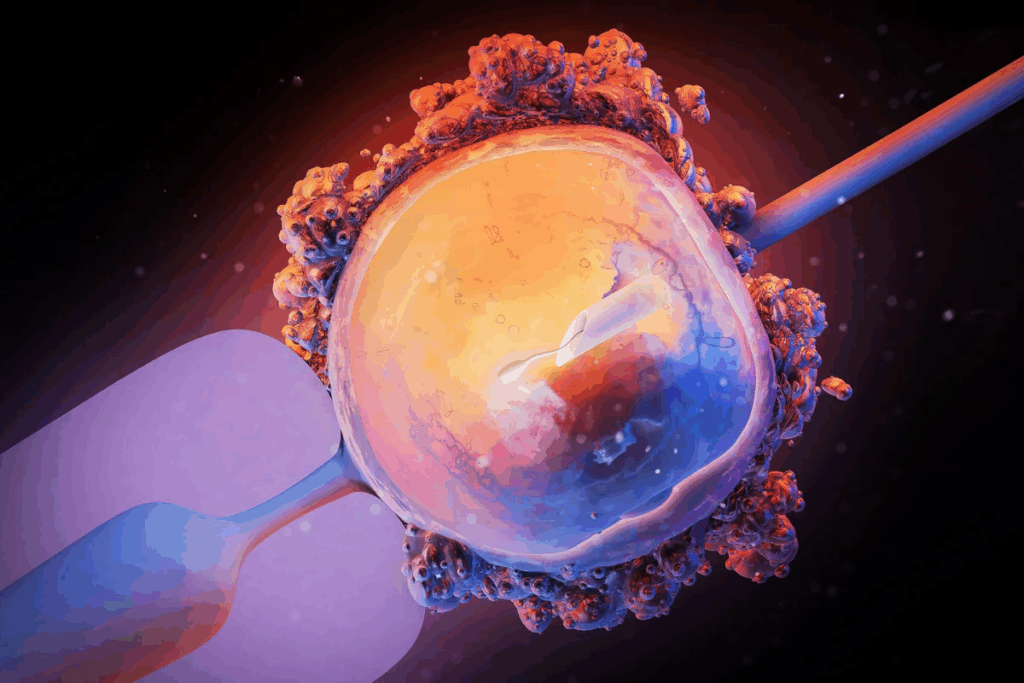
PCOS, or Polycystic Ovary Syndrome, is a hormonal disorder that often leads to irregular periods. It disrupts the normal menstrual cycle. This can cause missed periods, cycles that are too short or too long.
Symptom #1: Irregular or Missed Menstrual Cycles
Irregular or absent menstrual periods are common in PCOS. Women with this condition often find it hard to predict their next period. Research shows that irregular periods are a big symptom for many women with PCOS.
“Irregular menstrual cycles are a hallmark of PCOS, and understanding this symptom is key for diagnosis and treatment.” A leading medical expert on PCOS
How PCOS Disrupts Normal Ovulation
PCOS disrupts normal ovulation, causing irregular periods. In a normal cycle, ovulation happens when the ovary releases an egg. But in PCOS, ovulation is often irregular or missing, leading to hormonal imbalances.
This can cause many symptoms, including irregular periods, cysts on the ovaries, and fertility issues.
Normal Menstrual Cycle | PCOS Menstrual Cycle |
Regular ovulation | Irregular or absent ovulation |
Predictable menstrual cycle | Unpredictable menstrual cycle |
Hormonal balance | Hormonal imbalances |
Tracking Your Menstrual Irregularities
Tracking menstrual irregularities is key for women with PCOS. By monitoring their cycles, women can spot patterns and changes. This helps them manage their symptoms better.
We suggest keeping a menstrual calendar or using a period-tracking app. Record cycle lengths, symptoms, and any changes.
By understanding and tracking their menstrual irregularities, women with PCOS can better manage their condition. This improves their overall quality of life.
Visible Skin and Hair Changes
PCOS symptoms go beyond just irregular periods. They also include changes in skin and hair. These changes can really affect a woman’s life and how she feels about herself.
Hirsutism (Excessive Hair Growth)
Hirsutism is when you grow too much hair on your face, chest, back, or buttocks. It’s mainly due to hormonal imbalances, like too much androgen.
Key areas affected by hirsutism:
- Face
- Chest
- Back
- Buttocks
Acne and Oily Skin
Acne and oily skin are common in women with PCOS. They come from the same hormonal issues that cause hirsutism. The extra androgens make your skin oilier and can lead to acne.
Managing acne and oily skin involves:
- Maintaining good skin hygiene
- Using non-comedogenic products
- Considering hormonal treatments
Hair Thinning and Male-Pattern Baldness
PCOS can also cause hair to thin and lead to male-pattern baldness. The hormonal imbalances can make your scalp hair fall out like in men.
Here’s a quick look at the skin and hair changes in PCOS:
Symptom | Description | Primary Cause |
Hirsutism | Excessive hair growth on face, chest, back, or buttocks | Increased androgen levels |
Acne and Oily Skin | Acne and increased oil production on the skin | Hormonal imbalances |
Hair Thinning | Hair loss, mainly on the scalp | Androgenic effects |
Weight and Metabolic Symptoms
PCOS can greatly affect weight and metabolism, leading to health issues. Many women with PCOS face weight problems, making other symptoms worse.
Weight Gain and Difficulty Losing Weight
About half of women with PCOS have trouble keeping a healthy weight, with many becoming obese. Weight gain, mainly in the belly, raises the risk of metabolic syndrome and type 2 diabetes. A balanced diet and regular exercise can help manage these issues.
Creating a weight management plan with a healthcare provider is key. This plan might include dietary changes, more exercise, and possibly medication to aid in weight loss.
Insulin Resistance
Insulin resistance is common in women with PCOS. It happens when the body’s cells don’t respond well to insulin, making it hard for glucose to get in. This leads to more insulin production, raising blood insulin levels. This can increase the risk of type 2 diabetes and metabolic syndrome.
To manage insulin resistance, lifestyle changes are needed. This includes better diet, more exercise, and possibly medication to improve insulin sensitivity.
Darkening of Skin (Acanthosis Nigricans)
Acanthosis nigricans is a skin condition with dark, velvety patches, often in skin folds. It’s linked to insulin resistance.
Improving insulin resistance is key to treating acanthosis nigricans. By making diet and exercise changes, and possibly using medication, these skin patches can be reduced.
Weight and metabolic symptoms can deeply affect women with PCOS emotionally and psychologically. They often face anxiety, depression, and mood swings due to hormonal changes and physical symptoms. So, treatment plans should also focus on mental health and emotional well-being.
Reproductive and Fertility Issues
PCOS can cause many reproductive and fertility problems. It’s a big worry for women who want to have children. The condition comes from a mix of genes and environment, and it can be passed down in families.
Difficulty Conceiving
One big problem for women with PCOS is difficulty conceiving. It’s a leading cause of infertility in women. Hormonal imbalances and ovulation issues make it hard to get pregnant.
Trying to conceive can be stressful. Women with PCOS might need fertility treatments to get pregnant.
Ovarian Cysts
Women with PCOS often have ovarian cysts. These are fluid-filled sacs on the ovaries seen on ultrasound. Not all women with PCOS have cysts, but many do have multiple small ones.
Understanding Polycystic Ovaries vs. PCOS
It’s important to know the difference between polycystic ovaries (PCO) and Polycystic Ovary Syndrome (PCOS). Having polycystic ovaries means you have many cysts, but it’s not the same as having PCOS. PCOS includes hormonal imbalances, irregular periods, and fertility problems, along with cysts.
Characteristics | Polycystic Ovaries (PCO) | Polycystic Ovary Syndrome (PCOS) |
Presence of Ovarian Cysts | Yes | Often, but not always |
Hormonal Imbalance | Not necessarily | Yes |
Irregular Periods | No | Yes |
Fertility Issues | No | Yes |
It’s key to understand the difference between PCO and PCOS for the right diagnosis and treatment. Women with PCOS need a treatment plan that tackles their specific symptoms and health issues.
Psychological and Emotional Symptoms
Women with Polycystic Ovary Syndrome (PCOS) face many psychological and emotional challenges. These issues are linked to the hormonal imbalances and physical symptoms of the disorder.
Anxiety and Depression
Women with PCOS are more likely to feel anxious and depressed. Hormonal imbalances, like estrogen and testosterone, can mess with brain chemicals. It’s vital for women with PCOS to know about these risks and get help when they need it.
Research shows that PCOS can lead to depression and anxiety. Symptoms like weight gain, acne, and extra hair can hurt self-esteem and body image.
Mood Swings
Mood swings are common in women with PCOS. Hormonal changes can cause sudden mood shifts. Knowing the signs of mood swings and finding ways to cope can help.
Practices like mindfulness, meditation, and exercise can help manage mood swings. Eating well and getting enough sleep also helps keep mood stable.
Sleep Problems
Sleep issues, like insomnia and sleep apnea, are common in women with PCOS. Sleep problems can make other symptoms worse, creating a tough cycle to break. It’s key to tackle sleep issues for overall health.
Creating a bedtime routine and a sleep-friendly environment can help. Avoiding caffeine and electronics before bed also improves sleep. If sleep problems persist, seeing a healthcare provider is a good idea.
It’s important to understand the psychological and emotional symptoms of PCOS. By recognizing these, women with PCOS can get the support they need to manage their condition well.
Recognizing PCOS Symptom Patterns
PCOS symptoms often show up in complex ways, needing careful tracking. Women with PCOS face a variety of symptoms. These can change in severity and affect different health areas.
Symptom Clusters and Variations
PCOS symptoms fall into clusters like reproductive, metabolic, and psychological ones. Symptom clusters are groups of symptoms that appear together. They help us understand PCOS better.
Some common symptom clusters include:
- Menstrual irregularities and reproductive issues
- Metabolic symptoms such as insulin resistance and weight gain
- Psychological symptoms like anxiety and depression
Symptom Cluster | Common Symptoms | Health Implications |
Reproductive | Irregular periods, infertility | Difficulty conceiving, hormonal imbalances |
Metabolic | Insulin resistance, weight gain | Increased risk of diabetes, cardiovascular disease |
Psychological | Anxiety, depression, mood swings | Emotional distress, impact on mental health |
When Symptoms First Appear
PCOS symptoms usually start in late teens or early twenties. But, some women might see symptoms earlier or later. Early recognition is key for managing PCOS.
Tracking Your PCOS Symptoms
Tracking PCOS symptoms is vital for managing the condition. Women can use a PCOS symptoms checklist or a symptom journal to keep track.
Here are some tips for tracking symptoms:
- Record menstrual cycles and any irregularities
- Notice changes in weight, skin, and hair
- Monitor emotional and psychological symptoms
By tracking symptoms and spotting patterns, women with PCOS can work with their healthcare providers. Together, they can create a personalized treatment plan.
Diagnosing PCOS: The Process
Diagnosing PCOS is a detailed process. It looks at symptoms and medical history closely. It checks many things, like how the body works, hormone levels, and the shape of the ovaries.
Medical Criteria for Diagnosis
The main way to diagnose PCOS is by the Rotterdam criteria. It looks for at least two of these signs:
- Ovulatory dysfunction (irregular or absent ovulation)
- Clinical and/or biochemical signs of hyperandrogenism (excess male hormones)
- Polycystic ovaries on ultrasound
Hyperandrogenism shows as hirsutism, acne, or male-pattern baldness. Ovulatory dysfunction is seen as irregular periods or no periods at all.
Tests Your Doctor May Order
To confirm PCOS, doctors may run several tests. These include:
- Hormone level tests to check for androgen excess and insulin resistance
- Pelvic ultrasound to evaluate ovarian morphology
- Blood glucose tests to assess insulin sensitivity
- Lipid profiles to evaluate cardiovascular risk factors
These tests help figure out if it’s really PCOS. They also check for other health risks.
Conditions That Mimic PCOS
Some conditions can look like PCOS. It’s important to tell them apart. These include:
- Congenital adrenal hyperplasia
- Cushing’s syndrome
- Thyroid disorders
- Hyperprolactinemia
Getting the right diagnosis is key. It helps in choosing the right treatment for PCOS.
In summary, diagnosing PCOS is a detailed process. It looks at many things to make sure it’s PCOS. Knowing how to diagnose it helps doctors treat it better.
Treatment Approaches for PCOS Symptoms
Managing PCOS symptoms involves lifestyle changes, medicines, and specific treatments. We’ll dive into these methods to see how they help manage PCOS symptoms.
Lifestyle Modifications
Lifestyle changes are often the first step in treating PCOS. These changes can greatly improve symptoms and overall health.
- Weight Management: Losing weight can help regulate menstrual cycles, improve insulin sensitivity, and lower health risks.
- Dietary Changes: Eating a balanced diet low in processed foods and sugars and high in fiber can help manage insulin resistance and aid in weight loss.
- Exercise: Regular exercise helps with weight management, improves insulin sensitivity, and boosts overall well-being.
A study in the Journal of Clinical Endocrinology and Metabolism found that lifestyle changes are key in treating PCOS. They improve both metabolic and reproductive outcomes.
“Lifestyle modification is a key part of PCOS treatment, improving both metabolic and reproductive outcomes.”
Medication Options
When lifestyle changes aren’t enough, medicines can help manage PCOS symptoms.
Medication | Purpose |
Birth Control Pills | Regulate menstrual cycles and reduce androgen levels |
Anti-Androgen Medications | Reduce symptoms of excess androgen, such as hirsutism and acne |
Metformin | Improve insulin sensitivity and help with weight management |
These medicines can be used alone or together to tackle different PCOS symptoms.
Addressing Specific Symptoms
For specific PCOS symptoms, targeted treatments are needed.
- Hirsutism: Treatments like electrolysis or laser hair removal can manage excessive hair growth.
- Infertility: Fertility medications can help induce ovulation, improving conception chances.
- Metabolic Issues: Managing insulin resistance and metabolic syndrome through lifestyle changes and medication can reduce long-term health risks.
By combining these methods, people with PCOS can better manage their symptoms and improve their quality of life.
Long-Term Health Considerations
Women with PCOS face unique long-term health challenges. PCOS affects more than just fertility. It impacts overall health in many ways.
Metabolic and Cardiovascular Risks
Women with PCOS are at higher risk for metabolic syndrome. This includes high blood pressure, high blood sugar, excess body fat around the waist, and abnormal cholesterol or triglyceride levels. These factors increase the risk of heart disease, stroke, and type 2 diabetes.
Research shows women with PCOS are more likely to develop insulin resistance and type 2 diabetes early. Obesity, common in PCOS, adds to these risks.
- Insulin resistance and type 2 diabetes
- Hypertension and cardiovascular disease
- Dyslipidemia (abnormal levels of cholesterol and triglycerides)
Lifestyle changes are key to reduce these risks. Eating well and staying active can help. Sometimes, medication is needed to manage blood sugar, blood pressure, or cholesterol.
Reproductive Health Concerns
PCOS also affects reproductive health. Women with PCOS face higher risks of gestational diabetes, preeclampsia, and preterm birth during pregnancy. PCOS is a major cause of infertility due to ovulation problems.
Women with PCOS who get pregnant need close monitoring. Preconception counseling is also important to prepare for pregnancy.
Regular Monitoring and Screenings
Regular checks are vital for women with PCOS. This includes:
- Annual blood pressure and lipid profile checks
- Regular insulin resistance and diabetes screenings
- Monitoring for signs of cardiovascular disease
By being proactive and working with healthcare providers, women with PCOS can manage their condition. This helps reduce the risk of long-term health problems.
Conclusion: Living Well with PCOS
Living with PCOS can be tough, but it’s possible to manage it well. Understanding the symptoms and treating them is key. This way, women can lessen their symptoms and live better lives.
Many women with PCOS can get pregnant with the right treatment. They can overcome PCOS challenges and feel well overall. Knowing the symptoms is important for managing PCOS. Working with healthcare providers helps women create a plan that works for them.
Managing PCOS well means making lifestyle changes, taking medication, and getting regular check-ups. By taking charge of their PCOS, women can avoid serious health problems. This improves their health in the long run.
FAQ
What are the common symptoms of Polycystic Ovary Syndrome (PCOS)?
PCOS symptoms include irregular periods and hirsutism. You might also see acne, hair thinning, and weight gain. Other signs are insulin resistance, trouble conceiving, and ovarian cysts. You could also feel anxious, depressed, experience mood swings, and have sleep issues.
How does PCOS affect menstrual cycles?
PCOS can lead to irregular or missed periods. This happens because of hormonal imbalances and disrupted ovulation.
What is hirsutism, and how is it related to PCOS?
Hirsutism is when women grow too much hair on their face, chest, back, and buttocks. It’s often due to high androgen levels in women with PCOS.
Can PCOS cause weight gain and difficulty losing weight?
Yes, many women with PCOS gain weight and find it hard to lose it. This is because of insulin resistance and hormonal imbalances.
How does PCOS affect fertility?
PCOS is a major cause of infertility in women. It can disrupt ovulation, making it hard to conceive.
What is the difference between polycystic ovaries and PCOS?
Polycystic ovaries mean having many cysts on the ovaries. PCOS is a hormonal disorder with symptoms like irregular periods, hirsutism, and fertility issues.
How is PCOS diagnosed?
Doctors diagnose PCOS by looking at your medical history, doing a physical exam, and running tests. These include hormonal assessments and ultrasound.
What are the treatment options for PCOS?
Treatments for PCOS include lifestyle changes like diet and exercise. You might also need medications to regulate hormones, improve insulin sensitivity, and address symptoms.
Can PCOS increase the risk of other health problems?
Yes, women with PCOS are at higher risk for metabolic and cardiovascular disorders. This includes diabetes and high blood pressure.
How can women with PCOS manage their symptoms and improve their quality of life?
Women with PCOS can manage symptoms by making lifestyle changes. They should also seek medical treatment and track their symptoms to understand patterns and changes.
What are the long-term health considerations for women with PCOS?
Women with PCOS should be aware of long-term health risks. This includes metabolic and cardiovascular disorders, and reproductive health concerns. They should work with their healthcare provider to monitor and manage these risks.
How can women with PCOS track their symptoms effectively?
Women with PCOS can track symptoms by keeping a journal. They should monitor their menstrual cycles and report any changes or concerns to their healthcare provider.
References
National Center for Biotechnology Information. PCOS Symptoms: Prevalence, Impact, and Checklist for Women. Retrieved from https://pmc.ncbi.nlm.nih.gov/articles/PMC11776423/