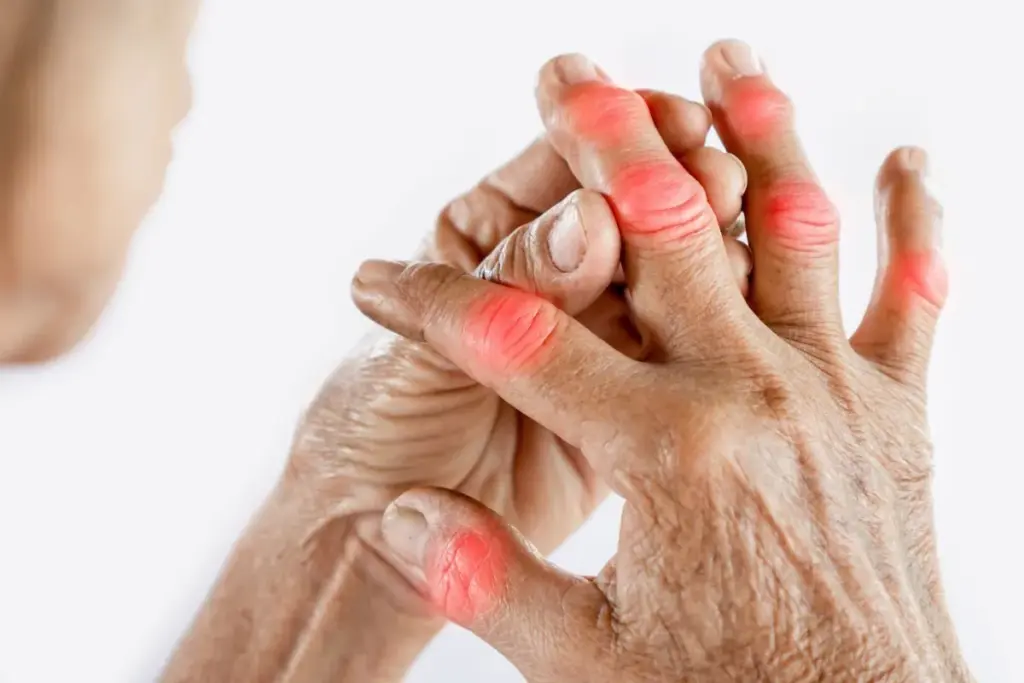
Rheumatoid arthritis (RA) is a chronic autoimmune disorder that mainly affects the joints. But it can also impact the skin. If you have RA and are experiencing itchy skin, you’re not alone. Itchy skin, or pruritus, is not a main symptom of RA. But it can happen due to related factors.
At Liv Hospital, we know RA is a disease that affects the whole body. Our team provides complete care. We use new treatments and focus on you, the patient. We understand itchy skin can really affect your life. And we’re here to help you manage it.
Key Takeaways
- RA can cause itchy skin due to inflammation or medication side effects.
- Coexisting conditions like eczema can also contribute to itchy skin.
- Understanding the causes of itchy skin is key for managing it well.
- Liv Hospital offers complete care for RA patients, focusing on overall health.
- Our approach is centered on you, aiming to improve your quality of life.
Understanding Rheumatoid Arthritis and Its Symptoms
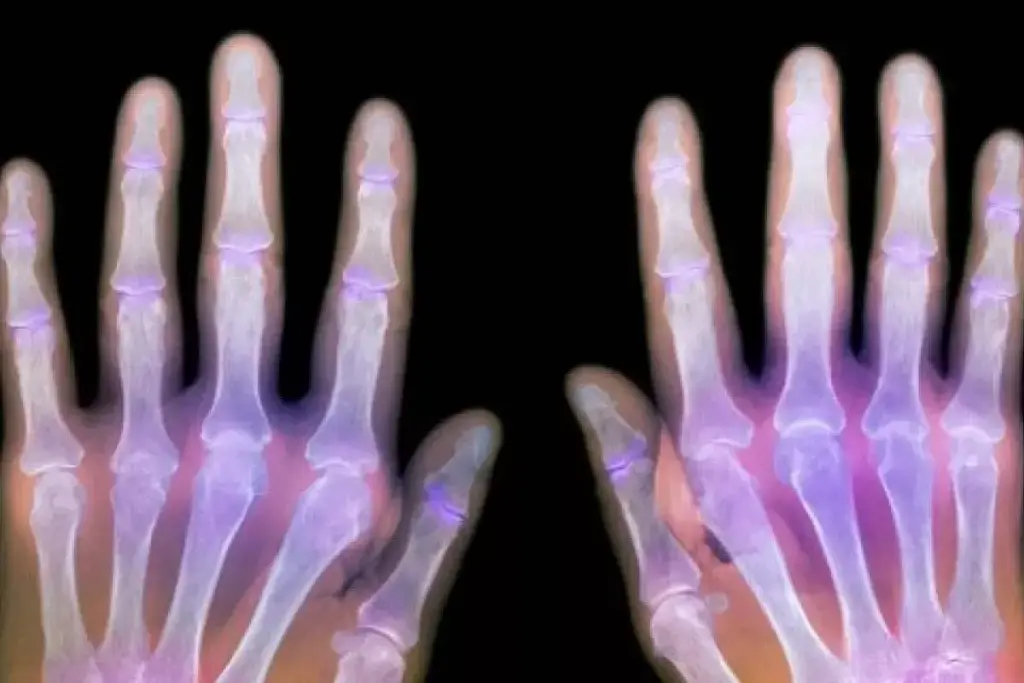
It’s important to know about Rheumatoid Arthritis (RA) to manage its symptoms. This includes itchy skin and joint itching. RA is a chronic disease that mainly affects joints but can also harm other parts of the body.
What is Rheumatoid Arthritis?
Rheumatoid Arthritis causes inflammation in the joints’ lining, leading to pain and swelling. It can also cause serious damage to the joints over time. This condition affects more than just the joints; it can impact many areas of health.
Common vs. Less Common Symptoms
RA symptoms include joint pain, stiffness, and swelling. But, symptoms like itchy skin and joint itching are less common. These symptoms can really affect a person’s quality of life and are often overlooked.
About 25 percent of RA patients develop kidney disease, which can cause itching. The Arthritis Foundation notes that RA can affect many parts of the body, including the skin.
Prevalence of Skin and Joint Itching
Itchy skin and joints are more common in RA patients than thought. Inflammation and some medications can cause these symptoms. Knowing the causes is key to managing them effectively.
| Symptom | Prevalence in RA Patients | Possible Causes |
| Itchy Skin | Common | Inflammation, dry skin, medication side effects |
| Joint Itching | Less Common | Skin stretching due to swelling, inflammation |
| Kidney Disease-Related Itching | 25% of RA patients | Kidney dysfunction due to RA |
Understanding RA and its symptoms helps healthcare providers give better care. They can address both common and less common symptoms of the disease.
Rheumatoid Arthritis and Itchy Skin: The Connection

To understand the link between rheumatoid arthritis and itchy skin, we must look at inflammation. Rheumatoid arthritis (RA) is a chronic condition that mainly affects joints but can also impact the skin.
How Inflammation Affects the Skin
Inflammation is a key feature of RA. It can cause various skin issues. When the immune system is active, it releases chemicals that affect both joints and skin, leading to itchiness.
Key factors in inflammation-related itchiness include:
- Cytokines and other chemical mediators that stimulate nerve endings
- Increased blood flow to the affected areas, leading to warmth and redness
- Release of histamine and other substances that can cause itching
Palmar Erythema and Skin Redness
Palmar erythema, or redness of the palms, is seen in some RA patients. This redness comes from increased blood flow and inflammation. While not itchy itself, it can be linked to other itchy skin symptoms.
Chronic Hives in RA Patients
Research shows RA patients are more likely to get chronic hives than others. Chronic hives, or urticaria, can be itchy and uncomfortable, affecting daily life.
The exact mechanism is not fully understood, but ongoing inflammation in RA is thought to play a role in chronic hives.
Research on Skin Manifestations
Studies reveal skin issues are common in RA patients. These can range from mild redness to severe conditions like vasculitis. Understanding these symptoms is vital for managing RA well.
Some key findings include:
- A significant proportion of RA patients experience some form of skin manifestation.
- The presence of skin symptoms can be an indicator of disease activity.
- Managing inflammation is key to reducing both joint and skin symptoms.
Why RA Patients Experience Joint Itching
It’s important to understand why people with rheumatoid arthritis (RA) itch. This itching affects their daily life. We’ll look at why it happens, including inflammation, medication, and other conditions.
Inflammation and Skin Stretching
RA patients often itch because of inflammation and skin stretching. When joints swell, the skin tightens, causing itchiness. This is because of the body’s fight against inflammation, a key part of RA. This fight not only causes pain but also itchiness.
Several things can make itching worse due to inflammation and skin stretching:
- The amount of swelling in the joints
- How fast the swelling happens
- How sensitive a person’s skin is
Medication-Related Causes
Some RA medicines can also make people itch. Disease-Modifying Antirheumatic Drugs (DMARDs) and biologics help control RA but can cause itching. Some people on biologics get itchy skin patches or rashes. It’s important to talk to a doctor about any itching to adjust treatment.
Secondary Conditions Contributing to Itching
Itching in RA patients can also come from other conditions. Dry skin (xerosis) is common and makes itching worse. Eczema or psoriasis can also cause itching. Treating these conditions helps reduce discomfort.
Some secondary conditions that can cause itching include:
- Dry skin (xerosis)
- Eczema
- Psoriasis
Understanding why RA patients itch helps doctors create better treatment plans. These plans address inflammation and itching symptoms together.
Conclusion: When to Seek Help for RA-Related Itching
Rheumatoid arthritis itching can really affect a person’s life. It’s important to understand how RA and itchy skin are connected. This knowledge helps in managing the condition better.
If you’re dealing with itchy joints or wondering if arthritis causes itching, see a doctor. They can figure out why you’re itching and create a plan to stop it.
The American Academy of Dermatology suggests bathing in lukewarm water and using fragrance-free products. These steps can help prevent or lessen itchy skin. By following these tips and getting medical help when needed, RA patients can manage their symptoms better. This improves their overall health and well-being.
Does arthritis cause itching? Yes, it’s a common problem for people with RA. Working with a healthcare provider can help find relief from itching. This way, patients can enjoy a better quality of life.
FAQ
Does rheumatoid arthritis always cause itchy skin?
No, itchy skin is not a common symptom of rheumatoid arthritis and occurs only in some cases.
What is the connection between rheumatoid arthritis and itchy skin?
Itching can result from inflammation, dry skin, or skin reactions related to RA or its treatments.
Why do my joints itch when you have rheumatoid arthritis?
Joint itching may be due to inflammation, immune responses, or nerve irritation in affected areas.
Can rheumatoid arthritis medications cause itching?
Yes, some RA medications can trigger allergic reactions or skin rashes that cause itching.
Are there any secondary conditions that can exacerbate itching in RA patients?
Conditions like dry skin, eczema, psoriasis, or liver/kidney issues can worsen itching in RA patients.
How can I manage itchy skin caused by rheumatoid arthritis?
Management includes moisturizing, avoiding irritants, using antihistamines or topical creams, and consulting your doctor.
When should I seek medical help for RA-related itching?
Seek help if itching is severe, persistent, accompanied by rash, swelling, or signs of an allergic reaction.
References
National Center for Biotechnology Information. Evidence-Based Medical Insight. Retrieved from https://pubmed.ncbi.nlm.nih.gov/23802713/