

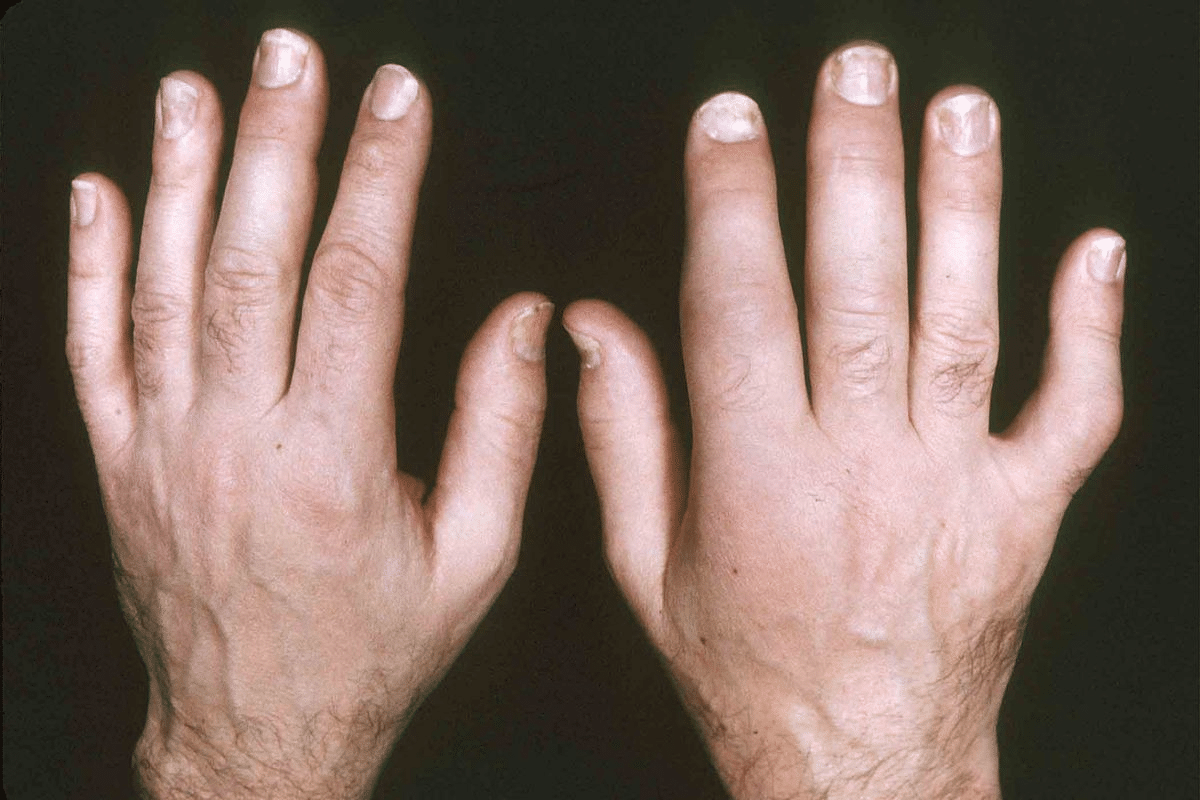
Rheumatoid arthritis (RA) is a chronic autoimmune disorder that mainly affects the joints. It causes inflammation, pain, and stiffness. But, it can also lead to muscle pain and aches due to inflammation and pain sensitization.does rheumatoid arthritis cause muscle painWhat Does Uptake on a Bone Scan Mean—Cancer, Arthritis, or Something Else?
We will look into how RA and muscle pain are connected. We’ll discuss the different ways RA causes muscle pain. Knowing this is key to managing and treating RA effectively. RA symptoms include stiff, painful joints and feeling very tired.

Rheumatoid arthritis (RA) is more than just joint pain. It affects many parts of a person’s health. Let’s explore how RA impacts different areas of our bodies.
RA is an autoimmune disease. It makes the body attack the lining of joints, causing pain and swelling. This can lead to serious damage if not treated.
Studies show RA can also hurt muscle tissue. This means the condition affects more than just joints. Inflammation can spread to other parts of the body, causing various symptoms.
The main signs of RA include joint pain and swelling. These often hit the hands, feet, wrists, and knees. But RA can also cause fatigue, fever, and loss of appetite.
RA is not just about joint pain. It can greatly affect a person’s life. Knowing all the symptoms helps us support those with RA better.
Every person with RA is different. It’s important to understand how RA can affect each person. This includes muscle pain and other symptoms beyond joint inflammation.
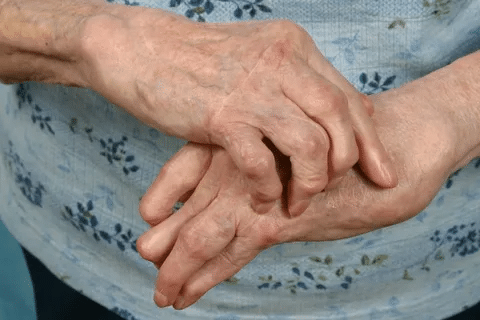
Rheumatoid arthritis (RA) is a chronic condition that mainly affects joints. But it also impacts muscle health and overall well-being. This shows a strong link between RA and muscle pain.
Studies have found that people with RA feel more pain in their muscles. This suggests that pain in muscles is a big part of RA. It affects their quality of life and how well they can function.
Key Research Findings:
|
Study |
Sample Size |
Key Findings |
|---|---|---|
|
Study on RA and Muscle Pain (2020) |
200 RA patients |
70% reported muscle pain as a significant symptom |
|
RA Muscle Pain Study (2018) |
150 RA patients |
Muscle strength was reduced by 25% compared to healthy controls |
|
Muscle Pain in RA (2015) |
300 RA patients |
Prevalence of muscle pain was associated with disease activity and functional disability |
Muscle pain is common in RA patients and greatly affects their quality of life. Studies show that a large number of RA patients experience muscle pain. This pain can lead to muscle weakness.
Research shows that RA patients have 25 to 70 percent less muscle strength than healthy people. This highlights the need for treatments that address both joint and muscle health.
In conclusion, RA does cause muscle pain, and it’s common among RA patients. Understanding this connection is key to creating effective treatments. This will improve patient outcomes and quality of life.
Rheumatoid Arthritis (RA) causes inflammation in joints and affects muscles, leading to pain. Knowing how RA impacts muscles is key to managing pain.
RA’s inflammation releases cytokines, proteins that harm muscle tissue and cause pain. Medical Expert, a rheumatologist, notes, “RA’s inflammation affects muscles, causing pain and discomfort.”
Central pain sensitization also plays a big role. It makes the body more sensitive to pain. Even small things can hurt a lot for people with RA.
Oxidative stress, an imbalance of free radicals and antioxidants, is key in RA. It damages muscles and makes pain worse. When antioxidants can’t fight off free radicals, muscles get hurt, adding to RA pain.
“Managing oxidative stress through lifestyle changes and specific treatments can reduce muscle pain in RA patients,” a study in a top rheumatology journal says.
Healthcare providers can now create better treatment plans. They can tackle joint inflammation and muscle pain and damage together.
Muscle weakness is a big problem for people with rheumatoid arthritis. It really affects their life quality. RA causes inflammation and pain in the joints. But it also weakens muscles and affects physical function.
Research shows RA patients have much weaker muscles than healthy people. The strength loss can vary a lot. It can be anywhere from 25 to 70 percent weaker. This shows how different RA can be for each person.
There are many reasons for muscle weakness in RA. Inflammation is a big one. It can cause muscles to shrink and get weaker. Also, not being active because of pain and joint damage makes muscles weaker. Some RA medicines, like corticosteroids, can also harm muscle strength.
Muscle weakness in RA makes everyday tasks hard. Simple things like carrying groceries or climbing stairs can be tough. It not only limits physical ability but also affects mental health. It can lead to depression and anxiety.
Healthcare providers need to understand muscle weakness in RA. They should treat it as part of managing the disease. This way, they can help patients more fully.
Rheumatoid arthritis (RA) does more than just inflame joints. It can also lead to muscle wasting, known as rheumatoid cachexia and sarcopenia. This is a big worry for RA patients, causing muscle loss and weakness.
Rheumatoid cachexia is when RA patients lose muscle mass and strength, even without losing weight. It happens when there’s no obvious inflammation or malnutrition. Research shows it affects up to 43% of RA patients, causing a lot of muscle loss and weakness.
“Cachexia is a complex condition caused by inflammation, metabolic changes, and hormonal shifts,” research says. This makes it clear that RA patients need a full treatment plan.
Rheumatoid cachexia is caused by chronic inflammation, metabolic issues, and hormonal changes. Pro-inflammatory cytokines like TNF-alpha and IL-6 are key players. They break down proteins and stop new ones from forming.
Oxidative stress and damaged mitochondria also harm muscles in RA patients. Knowing how these factors work is key to stopping muscle loss.
Rheumatoid cachexia and sarcopenia have big effects on RA patients. They can make it harder to move, increase disability, and even raise the risk of death. Spotting and treating muscle wasting early is vital for better outcomes.
Effective management strategies include medicines, nutrition, and exercise plans. By tackling rheumatoid cachexia and sarcopenia, doctors can greatly improve RA patients’ lives.
It’s important to tell RA muscle pain apart from other similar conditions. Rheumatoid arthritis often shows up with or looks like other muscle problems. This makes it key to figure out the difference.
Fibromyalgia causes widespread muscle pain and tender spots, which can happen with RA. Distinguishing between fibromyalgia and RA-related muscle pain is essential because their treatments are different.
Both conditions cause pain, but fibromyalgia pain is more widespread. It doesn’t usually involve joint swelling like RA. Knowing these differences helps in finding the right treatment.
Myositis is when muscles get inflamed, leading to pain similar to RA. But, myositis often makes muscles weak more than RA does.
Other inflammatory muscle conditions, like polymyositis and dermatomyositis, also cause muscle pain. They need to be considered when trying to figure out if it’s RA.
Getting a correct diagnosis involves checking symptoms, lab tests, and sometimes imaging. This helps find out why the muscle pain is happening.
It’s important to know how RA impacts different muscle groups. Rheumatoid Arthritis (RA) causes inflammation and pain in joints. But it also affects muscles all over the body. This can lead to more pain, stiffness, and less mobility.
RA can cause a lot of pain and stiffness in the upper body. This is true for the shoulders and arms. The inflammation from RA affects not just joints but also the muscles around them. People with RA often find it hard to do simple tasks like lifting or dressing.
The hips and legs are also affected by RA. Muscle pain in these areas makes it hard to walk, climb stairs, or stay balanced. This can really affect a person’s quality of life and how independent they can be.
|
Muscle Group |
Common Symptoms |
Impact on Daily Life |
|---|---|---|
|
Upper Body |
Pain, stiffness in shoulders and arms |
Difficulty lifting, carrying, dressing |
|
Lower Body |
Pain in hips and legs |
Difficulty walking, climbing stairs |
|
Trunk Muscles |
Rib pain, stiffness |
Discomfort when bending, twisting |
Rib pain and trunk muscle involvement are important but often overlooked in RA. The inflammation and pain can make it hard to breathe, bend, or twist. This can make the patient’s condition worse and even lead to breathing problems if not managed well.
Understanding how RA affects different muscle groups helps healthcare providers create better treatment plans. This detailed approach is key to improving patient outcomes and their overall quality of life.
Getting muscle pain right is key for treating rheumatoid arthritis. We use many ways to figure out muscle pain in RA. This includes checking the patient, lab tests, and what the patient says.
Checking the patient is the first step in finding muscle pain in RA. We look at the patient’s history, do a physical check, and see how they move. This helps us understand how bad the pain is.
Lab and imaging tests are important for finding and watching RA muscle pain. They help us see if there’s inflammation, muscle damage, and rule out other pain causes.
What the patient says is very important for understanding muscle pain in RA. It tells us about their symptoms, how they’re doing, and their overall well-being.
By using all these ways, we can really understand muscle pain in RA patients. This helps us make treatment plans that meet their needs.
Managing muscle pain from rheumatoid arthritis needs a detailed plan. It’s important to use many strategies to help symptoms and improve life quality.
Medicines are key in treating RA muscle pain. Disease-modifying antirheumatic drugs (DMARDs) and biologic agents help reduce inflammation. Pain relief medications like NSAIDs and corticosteroids also help with pain and swelling.
Physical therapy and exercise are important for treating RA muscle pain. Gentle activities like yoga and swimming can improve flexibility and strength. Physical therapists can create custom exercise plans to help with mobility and pain.
Other therapies can also help with RA muscle pain. Acupuncture, massage therapy, and cognitive-behavioral therapy (CBT) can offer relief. Always talk to a doctor before trying new therapies.
Using these treatments, people with RA can see big improvements in managing muscle pain and their overall well-being.
Living with RA muscle pain needs a mix of treatments and lifestyle changes. It’s not just about medicine. It’s also about adjusting daily routines, using tools, and making lifestyle changes to feel better and stay active.
Adjusting to RA muscle pain means changing work and home settings. Simple changes like ergonomic furniture and flexible hours can help a lot. It’s smart to talk to doctors about these changes to fit your needs.
At home, it’s key to plan tasks carefully to avoid too much effort. Break tasks into smaller steps and use lists to stay on track. Also, sharing tasks can lessen the physical load.
Tools are key in managing RA muscle pain. Items like jar openers, reachers, and ergonomic utensils help avoid muscle and joint strain. For moving around, canes, walkers, or wheelchairs are very helpful.
|
Device |
Purpose |
Benefit |
|---|---|---|
|
Jar Opener |
Assists in opening jars |
Reduces strain on hands and wrists |
|
Long-Handled Reacher |
Helps pick up items from the floor or high shelves |
Minimizes bending and stretching |
|
Ergonomic Utensils |
Designed for comfortable grip |
Eases eating and cooking tasks |
Making lifestyle changes is vital for managing RA muscle pain. Regular activities like swimming or yoga keep muscles strong and flexible. Stress-reducing activities, like meditation, can also help.
Changing your diet can also help. Eating foods that fight inflammation, like omega-3 fish and fruits and veggies, is good. Staying at a healthy weight also helps your joints and muscles.
By using these strategies, people with RA can manage their pain better. It’s about finding the right balance and making smart choices to live well with RA.
Managing rheumatoid arthritis (RA) well means tackling all symptoms, like muscle pain and weakness. RA is complex, needing a treatment plan that includes medicines, physical therapy, and changes in lifestyle.
Healthcare providers can create better treatment plans by understanding RA’s effects on muscles. This helps improve how patients feel and live their lives. It’s important to treat all RA symptoms, not just joint pain.
A good RA treatment plan should help with joint pain and muscle issues. A holistic approach to managing RA can lead to better health and happiness for patients.
Yes, rheumatoid arthritis can cause muscle pain. This is due to inflammation and pain sensitization in the body.
Yes, rheumatoid arthritis can cause muscle aches. These aches are often due to inflammation and muscle damage.
Rheumatoid cachexia is a condition where muscles waste away and become weak. It often affects people with rheumatoid arthritis.
Rheumatoid arthritis can affect many muscle groups. This includes muscles in the upper and lower body, as well as the trunk. It leads to pain and weakness in these areas.
Treatments for RA-related muscle pain include medicines, physical therapy, and other therapies. These aim to manage pain and improve patient outcomes.
Managing daily life with RA muscle pain involves using assistive devices and making lifestyle changes. Stress management techniques are also helpful.
Yes, arthritis, including rheumatoid arthritis, can cause muscle aches. This is due to inflammation and muscle damage.
Muscle pain is common in RA patients. It affects their quality of life and ability to function.
Diagnosing muscle pain in RA patients involves clinical assessment and laboratory tests. Patient-reported outcomes are also used to determine the cause of pain.
Rheumatoid arthritis can cause rib pain. This is due to inflammation and damage to the trunk muscles.
Yes, rheumatoid arthritis can cause clicking joints. This is due to inflammation and joint damage.
World Health Organization. Evidence-Based Medical Guidance. Retrieved from
https://www.who.int/news-room/fact-sheets/detail/rheumatoid-arthritis
