Ever felt your heart skip a beat during a sneeze? This old myth has worried many for years. At Liv Hospital, we focus on real medical facts and care that puts you first.
Sneezing triggers surprising physiological changes, but your Heart Stop remains unaffected. Explore the truth behind this widespread myth.
The truth is, your heart keeps beating normally during a sneeze. When you sneeze, your diaphragm contracts. This affects the vagus nerve, which can slow your heart rate a bit. But, it doesn’t mean your heart has stopped; it’s just a quick change in rhythm.
Key Takeaways
- The heart does not stop when you sneeze.
- A sneeze can cause a temporary change in heart rhythm.
- The diaphragm’s contraction during a sneeze affects the vagus nerve.
- This myth has been debunked by medical science.
- Liv Hospital provides accurate and compassionate care.
The Common Myth About Sneezing and Your Heart
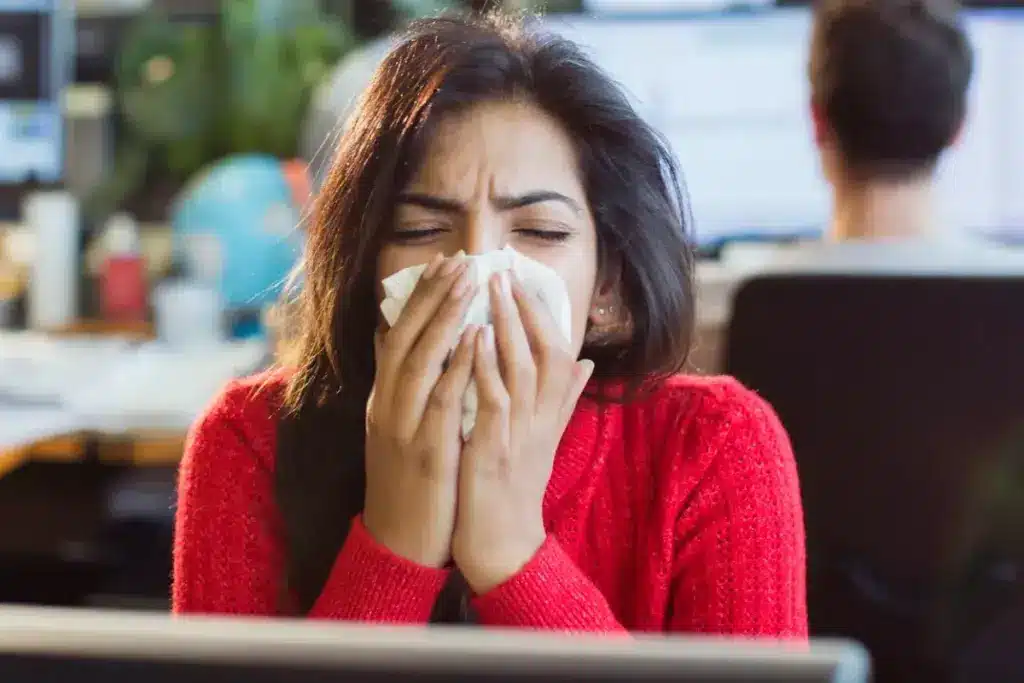
Sneezing is something everyone does, but a myth about it worries many. It says sneezing can stop your heart. But where did this myth come from, and why does it stick around?
Origins of the Heart-Stopping Sneeze Belief
The idea that sneezing stops the heart might come from how sneezes change our body. During a sneeze, the pressure in our chest goes up. This can mess with blood flow and heart rate, making people think the heart stops.
The vagus nerve also plays a part. It helps control our heart rate and other body functions. When it’s stimulated by a sneeze, it can make our heart rate change. This adds to the myth.
Why This Myth Persists Today
Even though there’s no proof that sneezing stops the heart, the myth lives on. It’s because sneezing feels intense. Many feel like their heart skips a beat or changes rhythm during a sneeze. This can be scary.
The sudden, loud nature of sneezing also plays a role. It makes people think something big, like the heart stopping, is happening. But scientific evidence shows sneezing doesn’t stop the heart.
While sneezing can change heart rate and blood pressure, it doesn’t stop the heart. Knowing how sneezes work can help clear up this myth. It’s interesting, but not true.
What Happens When You Sneeze: The Science Explained
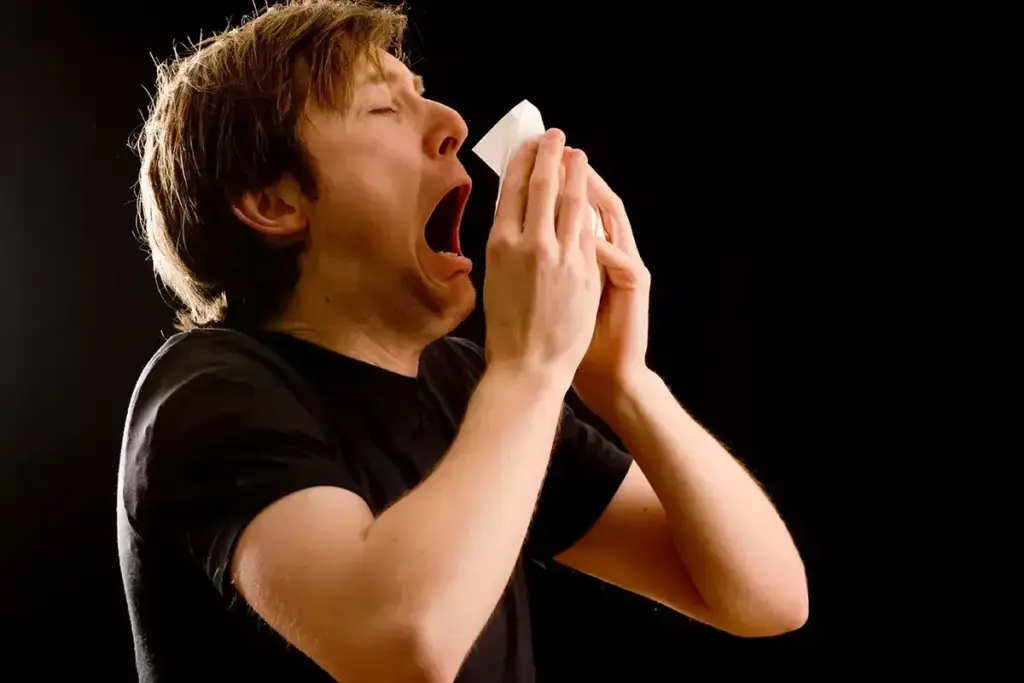
When we sneeze, our body goes through a complex process. It starts with irritation in the nasal area or sinuses. This irritation leads to a sudden burst of air.
The Physiological Process of Sneezing
Sneezing helps get rid of irritants from our nose. It starts with the stimulation of the nasal mucosa. This sends a signal to the brain’s sneeze center.
The brain then makes the muscles in the chest and abdomen contract. This creates a rapid increase in pressure. The glottis closes and then opens, letting air out fast.
This whole process involves many muscles and nerve signals. It’s a complex event in our body.
How Sneezing Affects Your Cardiovascular System
During a sneeze, the intrathoracic pressure changes. This affects the heart and major blood vessels in the chest. The diaphragm’s contraction and the sudden pressure increase can change heart rate and rhythm.
But, it’s important to know that the heart does not stop during a sneeze. The SA node, our heart’s natural pacemaker, adjusts the heart rhythm after the sneeze. This ensures our heart keeps beating normally.
| Physiological Change | Effect on the Body |
| Diaphragm Contraction | Increases intrathoracic pressure |
| Intrathoracic Pressure Change | Momentarily affects heart rate and rhythm |
| SA Node Response | Resynchronizes heart rhythm after the sneeze |
In conclusion, sneezing causes temporary changes in pressure that can affect the heart. But, it doesn’t make the heart stop. The heart keeps working, and any issues are short-lived and quickly fixed.
Conclusion
We’ve looked into the science of sneezing and its impact on our bodies. Does your heart stop when you sneeze? The answer is no. Your heart keeps beating, even though sneezing can make your chest pressure go up.
Sneezing is a natural way to protect our lungs. It’s common to think sneezing might affect our heartbeat. But, the truth is, our heart beats normally. The idea that our heart stops when we sneeze is just a myth. For more on sneezing, check out ENT & Allergy Associates.
So, when you sneeze, your heart doesn’t stop. The pressure change in your chest might make your heartbeat change a bit. This change is usually not something to worry about. It’s just how our body reacts to sneezing.
FAQ
Why do ears ring after a loud concert?
The ringing sensation in your ears after a loud concert is known as tinnitus and is caused by the temporary overstimulation of the tiny hair cells in your inner ear. When exposed to high volumes for several hours, these cells become fatigued or slightly damaged, causing them to send constant, random electrical signals to your brain. Your brain then interprets these signals as a persistent ringing, buzzing, or whistling sound even when the room is perfectly quiet.
How long does concert-related ringing usually last?
For most people, the ringing after a single night of loud music is temporary and will fade within twenty-four to forty-eight hours as the hair cells recover. However, if the exposure was particularly intense, the ringing can sometimes last for a week or more. If the ringing never fully goes away, it is a sign that some of the hair cells have been permanently destroyed, leading to chronic tinnitus.
Is the ringing a sign of permanent damage?
Even if the ringing eventually stops, the sensation itself is a clear warning sign that some level of damage has occurred to your auditory system. Repeatedly pushing your ears to the point of ringing can lead to hidden hearing loss, where you can still hear sounds but struggle to understand speech in noisy environments. Each episode of temporary tinnitus increases the likelihood that you will develop permanent hearing impairment later in life.
How can you stop your ears from ringing?
There is no immediate medical cure to stop the ringing once it has started, but you can manage the discomfort by giving your ears a total break from loud noises. Resting in a quiet environment and avoiding the use of headphones for a few days allows the inner ear structures to heal as much as possible. Some people find that using a white noise machine or a fan can help mask the ringing and make it easier to fall asleep while the ears are recovering.
How can I prevent ear ringing at future concerts?
The most effective way to prevent ringing is to wear high-fidelity earplugs, which are designed specifically for musicians and concert-goers to lower the volume without distorting the music. You should also try to stand further away from the speakers and take frequent quiet breaks by stepping outside or into a quieter area of the venue. These simple steps significantly reduce the physical stress on your inner ear and preserve your hearing for the long term.
References
National Center for Biotechnology Information. Evidence-Based Medical Insight. Retrieved from https://www.ncbi.nlm.nih.gov/pmc/articles/PMC5671234/