

Neuroendocrine tumors (NETs) are complex and hard to manage. DOTATATE is a key treatment, mainly for advanced NETs with somatostatin receptors.
We use DOTATATE PET scans to find and track these tumors. This tech helps us give exact diagnoses and treatment plans. Our goal is to offer top-notch healthcare, supporting patients from around the world.
With advanced therapies like 177Lu-DOTATATE, we’re raising the bar in NETs treatment.
Key Takeaways
- DOTATATE is a peptide receptor radionuclide therapy (PRRT) for advanced NETs.
- DOTATATE PET scans aid in diagnosing and monitoring NETs.
- Our institution provides extensive support for international patients.
- Cutting-edge therapies like 177Lu-DOTATATE improve treatment outcomes.
- We are dedicated to delivering world-class healthcare.
Understanding Neuroendocrine Tumors (NETs)
Neuroendocrine tumors, or NETs, are a wide range of tumors. They come from cells that send messages through the blood. These cells are part of the neuroendocrine system, found all over the body. This makes NETs a complex and varied group of tumors.
What Are Neuroendocrine Tumors?
NETs start from cells that are like nerve cells and hormone-making cells. They can grow in different parts of the body, like the pancreas, thyroid, adrenal glands, and the gut. These tumors can be mild or very aggressive.
Types and Classification of NETs
NETs are classified based on where they start, how they look under a microscope, and how fast they grow. The World Health Organization (WHO) classification is key. It sorts NETs into grades based on how quickly they divide. This helps doctors predict how the tumor will behave and choose the best treatment.
Prevalence and Risk Factors
NETs are not very common, but their numbers have gone up in recent years. Some people are more likely to get NETs because of their genes, certain syndromes, or environmental factors. Knowing these risk factors helps doctors find and treat NETs early.
NETs are complex, and each case needs a special approach. By learning about NETs, including their types, how they’re classified, how common they are, and what increases the risk, we can see how important new tests and treatments are. For example, the DOTATATE scan can help improve how we manage NETs.
The DOTATATE PET Scan Explained
DOTATATE PET/CT scans have changed nuclear medicine a lot. They give us clear images of neuroendocrine tumors (NETs). This helps us care for our patients better.
What is a DOTATATE PET Scan?
A DOTATATE PET scan uses a special tracer, Ga-68 DOTATATE, to see tumors, mainly NETs. This tracer sticks to somatostatin receptors on NET cells.
How DOTATATE Binds to Somatostatin Receptors
The DOTATATE tracer attaches to somatostatin receptors on tumor cells. This lets us find tumors clearly during the scan. It helps us plan treatments better.
A study in Frontiers in Nuclear Medicine shows Ga-68 SSA-PET/CT is great for seeing NETs. It’s very sensitive and specific.
Advantages Over Conventional Imaging Techniques
DOTATATE PET/CT scans beat CT and MRI in many ways. The main benefits are:
- They find NETs better
- They help stage and restage tumors more accurately
- They show tumors and where they spread
- They help see how treatments work
These advantages help us give our patients better care. We can make more accurate diagnoses and plans.
The Patient Experience: Undergoing a DOTATATE PET Scan
A DOTATATE PET scan is a special test for checking neuroendocrine tumors. We focus on making our patients comfortable and well-informed. This ensures they are ready for the scan.
Preparation Before the Scan
Before the scan, patients must follow certain steps. We advise patients to:
- Inform us about any medications they are currently taking.
- Avoid eating or drinking anything except water for a few hours before the scan.
- Arrive at least 30 minutes prior to the scheduled scan time to complete any necessary paperwork.
What Happens During the Procedure
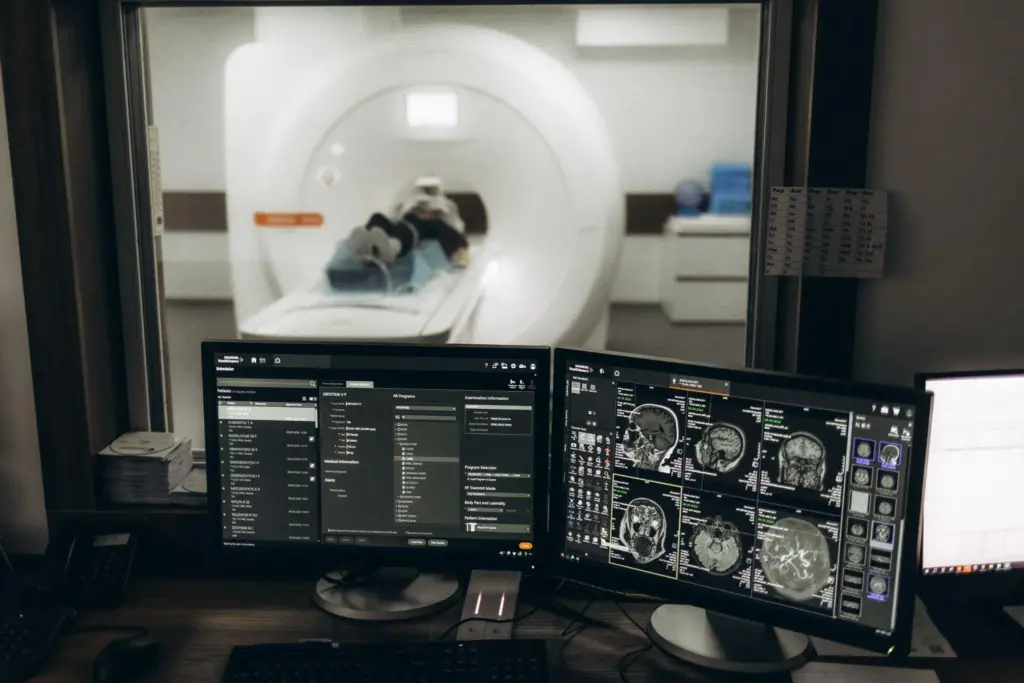
During the scan, patients get a small dose of radioactive tracer, DOTATATE. The scan itself typically takes about 30 to 60 minutes. They lie on a table while the scanner takes detailed images of their body.
Recovery and Follow-up
After the scan, patients can usually go back to their normal activities right away. We monitor patients for a short period to check for any immediate reactions to the tracer. Our team reviews the scan images and shares the results with the patient’s healthcare provider.
We guide patients through the DOTATATE PET scan process to make it smooth and stress-free. Our team is dedicated to providing top-notch healthcare and support for international patients.
177Lu-DOTATATE: Therapeutic Applications for NETs
177Lu-DOTATATE therapy is a big step forward in treating neuroendocrine tumors. It has proven to be very effective in managing advanced NETs. This gives hope to patients all over the world.
What is 177Lu-DOTATATE Therapy?
177Lu-DOTATATE therapy is a type of treatment that targets NET cells. It uses a special peptide to find and kill these cells. This way, it delivers radiation right to the tumor, protecting healthy tissues.
“The precision of 177Lu-DOTATATE therapy marks a significant advancement in the treatment of neuroendocrine tumors,” highlighting the improved patient outcomes.
Mechanism of Action in Tumor Cells
The therapy works by attaching to somatostatin receptors on tumor cells. The radioactive part, Lutetium-177, then kills the tumor cells. This method ensures the tumor gets a strong dose of radiation, while healthy tissues are safe.
The Concept of Theranostics in Personalized Medicine
Theranostics combine diagnostics and therapy, a key part of personalized medicine. 177Lu-DOTATATE is a prime example, used for both imaging and treatment. This lets doctors choose the right treatment for each patient.
Theranostics with 177Lu-DOTATATE changes how we treat NETs. It offers a more tailored and effective approach to care.
Clinical Evidence: The NETTER-2 Trial Results
The NETTER-2 trial has shed light on treating advanced neuroendocrine tumors (NETs) with Lu-DOTATATE. It showed how effective and safe Lu-DOTATATE is. This is good news for doctors and patients.
Study Design and Patient Population
The NETTER-2 trial was a big study on Lu-DOTATATE for advanced NETs. It looked at many patients with different tumor stages and treatment histories. This made the study’s findings very useful.
Progression-Free Survival Outcomes
The main goal of the NETTER-2 trial was to see how long patients could go without their tumors getting worse. The results were clear: patients on Lu-DOTATATE did much better than those not on it. This shows Lu-DOTATATE is a strong treatment for advanced NETs.
There was a big difference in how long patients stayed without tumor growth. This proves Lu-DOTATATE works well.
Quality of Life Improvements
The NETTER-2 trial also looked at how Lu-DOTATATE affected patients’ quality of life. It found that patients on Lu-DOTATATE felt much better. They had fewer symptoms and could do more things.
Cost-Effectiveness Analysis
The NETTER-2 trial also checked if Lu-DOTATATE was worth the cost. It found that yes, it is. The benefits in PFS and quality of life made it a good deal for patients with advanced NETs.
|
Treatment Outcome |
177Lu-DOTATATE Group |
Control Group |
|---|---|---|
|
Progression-Free Survival (months) |
22.5 |
8.4 |
|
Quality of Life Improvement (%) |
65 |
30 |
|
Cost-Effectiveness Ratio |
$45,000/QALY |
N/A |
The NETTER-2 trial’s results are very important for treating advanced NETs. It shows Lu-DOTATATE is effective, safe, and cost-effective. This makes it a great option for patients with this tough condition.
Real-World Effectiveness of DOTATATE Therapy
Looking into DOTATATE therapy’s real-world success, we see some key results. It’s used a lot to treat neuroendocrine tumors (NETs). Real-world data shows how well it works.
Objective Response Rates in Clinical Practice
Research shows DOTATATE therapy works for about 23-31% of patients. This means almost a quarter to a third see their tumors shrink. Such results are key for better patient lives and health.
Overall Survival Data
Survival data for DOTATATE therapy users is good. Patients with skeletal metastases live about 44 months. This shows DOTATATE can help patients live longer with advanced NETs.
Treatment Outcomes for Patients with Skeletal Metastases
DOTATATE therapy is very promising for those with skeletal metastases. It helps manage symptoms and improves survival. Patients with these metastases see big improvements in quality of life and fewer complications.
In summary, DOTATATE therapy’s real-world success is clear. It’s backed by good response rates, survival data, and benefits for patients with skeletal metastases. As we get more evidence, we’ll understand DOTATATE’s full role in treating NETs.
Safety Profile and Managing Side Effects
The safety of DOTATATE therapy is key to its success in treating neuroendocrine tumors. It’s important to know about side effects and how to handle them. This helps us give our patients the best care possible.
Common Adverse Events
DOTATATE therapy is usually safe, but it can cause side effects. Common issues include:
- Nausea and vomiting
- Fatigue
- Hair loss
- Blood cell count changes
These side effects can be managed with the right care. For example, antiemetic drugs can help with nausea and vomiting.
Hematologic Toxicity Rates
Hematologic toxicity is a risk with DOTATATE therapy. Our data show that severe cases happen in less than 5% of patients. This includes anemia, neutropenia, and thrombocytopenia.
Monitoring and Management Strategies
We use several strategies to manage risks. We regularly check blood cell counts. We also adjust treatment plans to reduce side effects. Our strategies include:
- Regular monitoring of blood cell counts
- Supportive care for managing side effects
- Adjusting treatment plans based on patient response
By being proactive and personalized in managing side effects, we ensure our patients get the most from DOTATATE therapy. We also minimize its risks.
Global Adoption and Accessibility of DOTATATE Treatments
DOTATATE therapy has become a key treatment for NETs worldwide. It offers hope to patients dealing with neuroendocrine tumors. The growing use of DOTATATE treatments shows its importance globally.
DOTATATE as Standard of Care Worldwide
DOTATATE PRRT is now a standard treatment for advanced NETs everywhere. Its targeted approach and strong evidence support its use. More healthcare systems are adopting it.
Insurance Coverage and Cost Considerations
Insurance coverage is a big factor in getting DOTATATE treatments. We work with insurance companies to help patients get this therapy. Though costs are a challenge, our team helps patients through it.
Finding Specialized Treatment Centers
Looking for a specialized center for DOTATATE therapy is key. We suggest centers with skilled teams for full care. Our institution offers top-notch healthcare and support for international patients.
We look forward to more DOTATATE treatment improvements. Our goal is to make it accessible to those who need it. We work with insurance and support patients every step of the way.
Conclusion: The Future of DOTATATE in NET Management
DOTATATE is changing how we treat neuroendocrine tumors (NETs). It’s making therapy more precise and improving patients’ lives. This is thanks to new imaging and theranostic technologies.
The future of DOTATATE in treating NETs is bright. We’re seeing more progress in personalized medicine and theranostics. We’re committed to keeping up with these advancements. This way, our patients get the best treatments out there.
Using DOTATATE in treatment plans helps us tailor care to each patient. This approach boosts results and reduces side effects. As research keeps moving forward, we expect even better ways to manage NETs. DOTATATE will remain a key part of treating these tumors.
FAQ
What is DOTATATE PET/CT used for?
DOTATATE PET/CT helps find and track neuroendocrine tumors (NETs). It works by attaching to somatostatin receptors on tumor cells. This makes it easier to see and diagnose tumors.
How does DOTATATE PET scan work?
DOTATATE PET scans use a radioactive tracer called DOTATATE. It sticks to somatostatin receptors on tumor cells. This lets the PET scanner spot the tumors, showing where they are and how big they are.
What are the benefits of DOTATATE PET scans over conventional imaging techniques?
DOTATATE PET scans are better at finding NETs than CT and MRI scans. They do this because DOTATATE targets somatostatin receptors, which are common in NETs.
What is 177Lu-DOTATATE therapy?
177Lu-DOTATATE therapy is a treatment for NETs. It uses a radioactive version of DOTATATE to kill tumor cells. This treatment goes straight to the tumors, delivering radiation.
What are the common side effects of 177Lu-DOTATATE therapy?
Side effects of 177Lu-DOTATATE therapy include nausea, vomiting, and fatigue. There are ways to manage these side effects and keep patients safe.
How is DOTATATE therapy monitored for effectiveness?
We check how well DOTATATE therapy works by looking at tumor response. This includes imaging and clinical checks. We also track how long patients live and their quality of life.
Is DOTATATE therapy covered by insurance?
Insurance coverage for DOTATATE therapy varies. Our institution helps patients get coverage. We work with insurance providers to make sure patients can get the treatment they need.
How can I find a specialized treatment center for DOTATATE therapy?
To find a treatment center for DOTATATE therapy, talk to your doctor or contact cancer centers. Our institution is a leading provider of DOTATATE therapy. We welcome patients looking for this treatment.
What is the future of DOTATATE in NET management?
The future of DOTATATE in NET management looks bright. Advances in theranostics and personalized medicine are on the horizon. We expect better treatment results and care for patients.
What is Ga68 DOTATATE?
Ga68 DOTATATE is a diagnostic tool for PET/CT scans. It’s a radioactive tracer that attaches to somatostatin receptors, like 177Lu-DOTATATE. But it’s used for finding tumors, not treating them.
References
PMC (PMC12212402) Capdevila, J., Chasen, B., Jha, A., Hernando, J., Mallick, S., Kunz, P. L., & Singh, S. (2024). 177Lu-DOTATATE in patients with advanced grade 2 and 3 gastroenteropancreatic neuroendocrine tumours (NETTER-2): A phase 3, multicentre, randomised, open-label study. The Lancet, 403(10444), 2607–2617. https://doi.org/10.1016/S0140-6736(24)00701-2



 Departments
 Related Videos
 Our Doctors
 News
News