
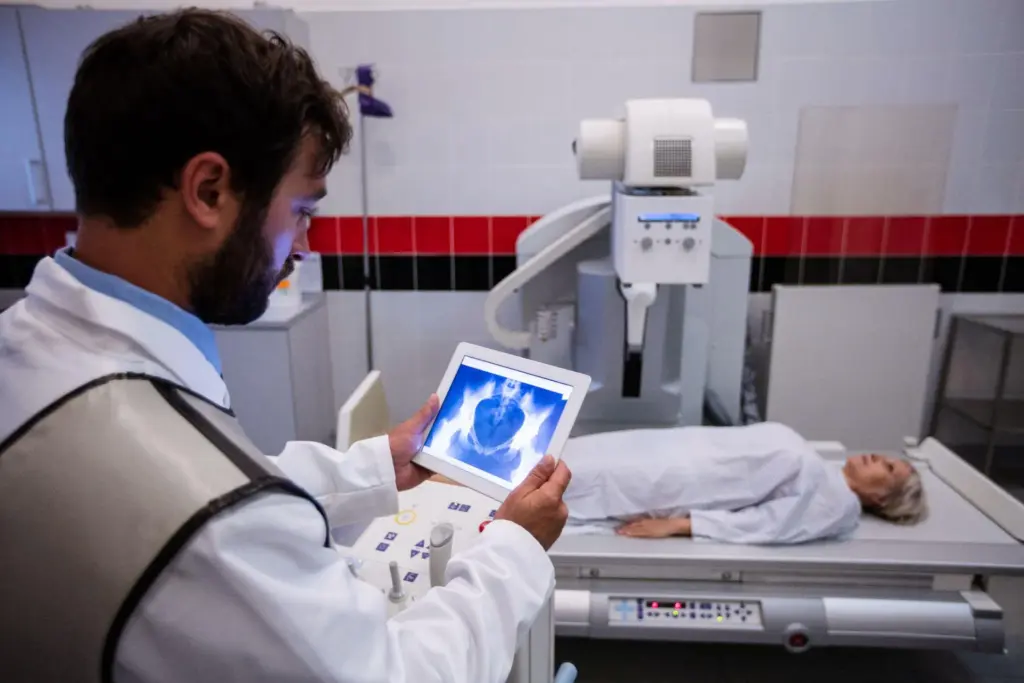
The DOTATATE PET/CT scans are changing how we find and treat neuroendocrine tumors. They are making nuclear medicine better and more accurate for patients.
Research shows that DOTATATE PET/CT scans can spot neuroendocrine tumors with up to 96% accuracy. A study on PMC found that DOTATATE PET scans can find pancreatic neuroendocrine tumors 80.6% of the time. They were even more accurate for certain types of tumors.
This high accuracy is a big win for patients with neuroendocrine tumors. It lets doctors create better treatment plans.
Key Takeaways
- DOTATATE PET/CT scans have high sensitivity and specificity in detecting neuroendocrine tumors.
- The detection rate for pancreatic neuroendocrine neoplasms (pNENs) is significantly high with DOTATATE PET.
- Combining DOTATATE PET with other imaging modalities can increase detection rates.
- DOTATATE PET/CT scans enable healthcare providers to deliver more effective treatment plans.
- The accuracy of DOTATATE PET/CT scans is revolutionizing nuclear medicine.
What is a DOTATATE PET/CT Scan?
A DOTATATE PET/CT scan is a cutting-edge tool for finding and managing neuroendocrine tumors. It uses Positron Emission Tomography (PET) and Computed Tomography (CT) together. This combo gives detailed info on where and what tumors are.
The Science Behind DOTATATE Imaging
The scan uses a special tracer that sticks to somatostatin receptors on tumor cells. These receptors are common on neuroendocrine tumors. This lets the PET scanner spot the tumors well.
How Somatostatin Receptors Enable Detection
Somatostatin receptors are proteins on some cells, including tumor cells. Neuroendocrine tumors have lots of these receptors. The DOTATATE scan’s tracer acts like somatostatin, binding to these receptors. This makes it possible to see the tumors.
The Imaging Process Explained
The DOTATATE PET/CT scan has a few steps. First, the patient gets the DOTATATE tracer. It then finds and sticks to tumor cells. After a wait, the patient gets a PET/CT scan.
This scan takes pictures of where the tracer is in the body. A nuclear medicine expert then looks at these pictures. They help find and understand neuroendocrine tumors. A study in Nature shows this method is very good at finding these tumors.
|
Key Features |
Description |
|---|---|
|
Radiotracer |
Binds to somatostatin receptors on neuroendocrine tumor cells |
|
Imaging Technique |
Combines PET and CT scans for detailed tumor visualization |
|
Diagnostic Accuracy |
High sensitivity and specificity for detecting neuroendocrine tumors |
Overall Accuracy of DOTATATE PET Scans
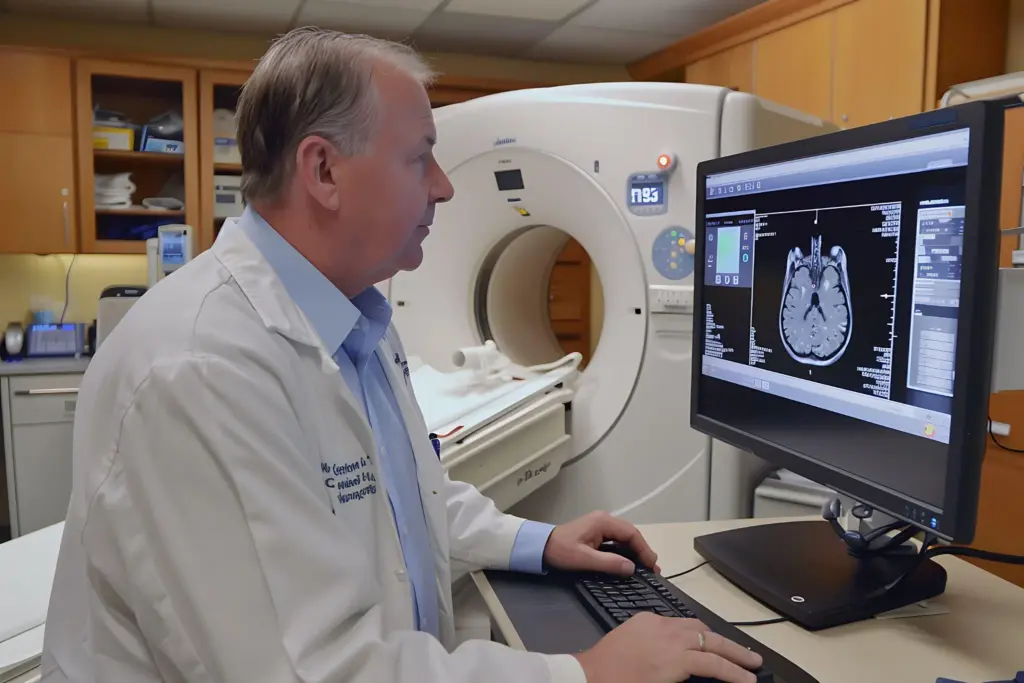
DOTATATE PET scans are very accurate, making them a key tool in medicine. They work well because they target specific receptors found in many neuroendocrine tumors (NETs).
Sensitivity and Specificity Rates
Research shows DOTATATE PET/CT scans have a sensitivity of up to 96% and specificity of 93%. This means they are very good at finding and staging NETs. The high accuracy of DOTATATE PET scans has been proven in many studies. This makes them very useful in treating neuroendocrine tumors.
Factors That Influence Diagnostic Accuracy
Several things can affect how accurate DOTATATE PET scans are. These include the tumor’s grade, where it is, and if it has spread. Knowing these can help understand scan results better.
High Interobserver Agreement
DOTATATE PET/CT scans are also very consistent. They have a κ value of 0.82. This shows that different people looking at the scans agree a lot. This high consistency proves their reliability.
|
Diagnostic Parameter |
DOTATATE PET/CT Value |
|---|---|
|
Sensitivity |
96% |
|
Specificity |
93% |
|
Interobserver Agreement (κ) |
0.82 |
In summary, DOTATATE PET scans are very accurate for neuroendocrine tumors. They have high sensitivity and specificity, and are consistent. This makes them a very important tool in managing NETs.
Detection Rates for Different NET Grades
DOTATATE PET/CT scans work differently for each neuroendocrine tumor (NET) grade. NETs are graded based on how they look and grow. This affects how well DOTATATE PET/CT can find them.
Grade 1 NETs: 95% Detection Success
Grade 1 NETs are well-differentiated and grow slowly. DOTATATE PET/CT can find 95% of these tumors. This is because they have lots of somatostatin receptors, making them easy to spot.
Grade 2 NETs: 87.5% Detection Rate
Grade 2 NETs are also well-differentiated but grow a bit faster than Grade 1. DOTATATE PET/CT can find 87.5% of them. This shows it’s very good at finding and checking these tumors.
Challenges with High-Grade NETs
High-grade NETs are hard to find with DOTATATE PET/CT. They grow fast and don’t always show up well on scans. This is because their somatostatin receptor levels can change a lot.
Somatostatin Receptor Expression Variations
High-grade NETs can have different levels of somatostatin receptors. This makes it harder for DOTATATE PET/CT to find them. Tumors with little or no receptors might not show up well.
Alternative Imaging Approaches
For tumors that don’t show up well on DOTATATE PET/CT, other scans like FDG PET/CT might work better. FDG PET/CT is good at finding tumors that are very active, which is common in high-grade NETs.
DOTATATE PET/CT is very good at finding most NETs. But, it’s important to know its limits, mainly for high-grade NETs. This helps doctors choose the best scan for each patient.
- High detection rates for Grade 1 and Grade 2 NETs.
- Variability in detection for high-grade NETs due to somatostatin receptor expression.
- Alternative imaging approaches like FDG PET/CT for high-grade NETs.
DOTATATE Scan Accuracy by Tumor Location
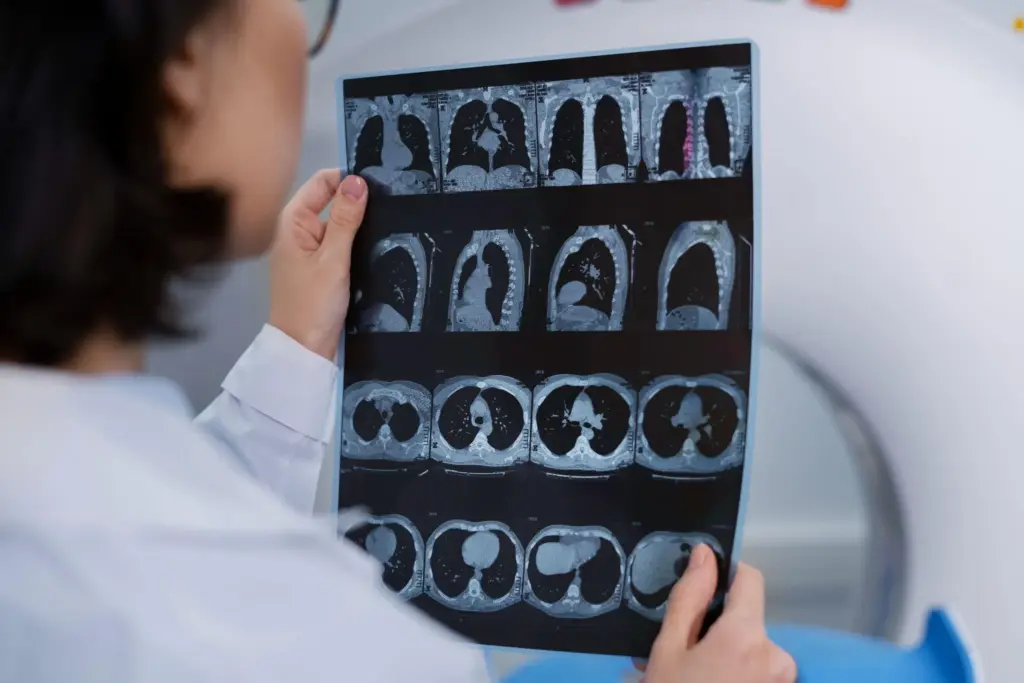
The accuracy of DOTATATE PET/CT scans changes based on where the tumor is. It’s key to know how well they work in different parts of the body. We’ll look at how well DOTATATE scans work for NETs in different spots.
Gastroenteropancreatic NETs
Gastroenteropancreatic NETs (GEP-NETs) come from the GI tract and pancreas. DOTATATE PET/CT scans are very good at finding GEP-NETs, like those in the small intestine and pancreas. They can spot these tumors 80% to 95% of the time.
Pancreatic NETs
Pancreatic NETs are a type of GEP-NET. They need to be diagnosed and staged carefully. DOTATATE scans are very accurate in finding pancreatic NETs, spotting them up to 90% of the time. This is great for finding small tumors that other scans might miss.
Bronchial and Lung NETs
Bronchial and lung NETs are another type of neuroendocrine tumor. They are less common but can be tricky to diagnose. DOTATATE PET/CT scans are promising for finding these tumors, with high accuracy, mainly for typical carcinoid tumors.
Metastatic Disease Detection
DOTATATE scans are great at finding metastatic disease. This is very useful for planning treatment. They can spot metastatic sites better than regular imaging methods.
In summary, DOTATATE PET/CT scans are accurate for finding NETs in different places. This includes gastroenteropancreatic, pancreatic, bronchial, and lung NETs, and metastatic disease. Their sensitivity and specificity are high.
Comparing DOTATATE PET Scan with Other Imaging Methods
DOTATATE PET scans have changed how we find NETs. But how do they stack up against other imaging methods? It’s key to see how DOTATATE PET/CT compares to CT, MRI, and other PET/CT scans.
Advantages Over Conventional CT and MRI
CT and MRI scans are basic for finding problems, but they fall short with NETs. DOTATATE PET/CT is better because it targets NET cells’ somatostatin receptors.
|
Imaging Modality |
Sensitivity |
Specificity |
|---|---|---|
|
DOTATATE PET/CT |
96% |
93% |
|
Conventional CT |
70-80% |
60-70% |
|
MRI |
80-85% |
70-80% |
DOTATATE PET/CT beats CT and MRI in finding and understanding NETs. This makes it a top choice for diagnosing and planning treatment.
DOTATATE vs. FDG PET/CT for Different NET Types
FDG PET/CT uses fluorodeoxyglucose to spot active cells. But DOTATATE PET/CT is better for NETs because it targets somatostatin receptors.
“The use of DOTATATE PET/CT has significantly improved the detection and staging of NETs, making it a more precise tool than FDG PET/CT for some NET types.” – Expert in Nuclear Medicine
Comparison with Other Somatostatin Receptor Imaging Techniques
Older methods like Octreotide scans have been used before. But DOTATATE PET/CT is more accurate and clear than these older methods.
In summary, DOTATATE PET/CT is the best for finding NETs. It’s a key tool in medical care because of its high accuracy.
Clinical Applications of DOTATATE PET Scans
DOTATATE PET/CT scans are key in medical care today. They help in managing neuroendocrine tumors (NETs) from start to finish. This includes diagnosing, staging, and checking how well treatments work.
Initial Diagnosis and Disease Staging
These scans are vital for finding and understanding NETs. They show how far the disease has spread. This info is key for choosing the right treatment.
Treatment Selection and Planning
DOTATATE PET/CT scans give us detailed info for treatment choices. They help pinpoint where tumors are and how big they are. This lets us create treatment plans that fit each patient’s needs.
Monitoring Therapy Response
We use these scans to see how treatments are working. This helps us make changes to treatments quickly. It ensures patients get the best care possible.
Surveillance and Recurrence Detection
DOTATATE PET/CT scans also help keep an eye on patients over time. They catch any signs of the disease coming back early. This means we can act fast and improve patient outcomes.
|
Clinical Application |
Benefits of DOTATATE PET/CT |
|---|---|
|
Initial Diagnosis |
High sensitivity and specificity for accurate diagnosis |
|
Disease Staging |
Precise determination of disease extent |
|
Treatment Planning |
Informed decision-making for personalized treatment |
|
Therapy Response Monitoring |
Timely adjustments to treatment plans |
|
Surveillance and Recurrence Detection |
Early detection of recurrence for improved outcomes |
As we keep improving in NET management, DOTATATE PET/CT scans are more important than ever. Their ability to accurately diagnose and monitor makes them a cornerstone of patient care.
Limitations and Possible False Results
DOTATATE PET scans are great for finding neuroendocrine tumors. But, they have some limits. Knowing these is key for correct diagnosis and care.
Understanding False Positives
False positives can happen for many reasons. It’s important to spot these to prevent wrong diagnoses.
Inflammatory Conditions
Inflammatory diseases can cause false positives. Conditions like sarcoidosis or other granulomatous diseases can look like neuroendocrine tumors on DOTATATE PET scans.
Non-NET Somatostatin Receptor Expression
Some non-neuroendocrine tumors can also show somatostatin receptors. This leads to false positives. For example, some meningiomas and thyroid tissues can do this.
Causes of False Negatives
False negatives can also happen, which limits the scan’s accuracy.
Small Lesion Size
Small tumors might not show up because of the scan’s resolution. This results in false negatives.
Low Receptor Expression
Tumors with low somatostatin receptors might not be seen on DOTATATE PET scans. This also leads to false negatives.
Knowing these limits helps in understanding DOTATATE PET scan results better. This ensures better care for patients.
Advancements in DOTATATE Imaging Technology
DOTATATE imaging is getting better at finding and managing neuroendocrine tumors. New radiotracers and imaging tech are making DOTATATE PET/CT scans more accurate and effective.
68Ga-DOTATATE vs. 64Cu-DOTATATE
The debate between 68Ga-DOTATATE and 64Cu-DOTATATE is ongoing. 68Ga-DOTATATE is common, but 64Cu-DOTATATE might detect lesions better. This is because it lasts longer, making it easier to schedule scans.
Improved Detection and Resolution Technologies
New tech is making DOTATATE PET/CT scans better. Scanners with higher sensitivity and resolution are being made. They help see small tumors and metastases more clearly.
Integration with Artificial Intelligence
Artificial intelligence (AI) is being used with DOTATATE PET/CT. AI helps analyze images, making diagnoses more accurate and quicker. This AI-DOTATATE combo could lead to more tailored and effective treatments.
Patient Experience During a DOTATATE PET Scan
Getting a DOTATATE PET scan involves preparation, the scan itself, and care after. We know it can feel scary to get a test. So, we’re here to help you through it all.
Pre-Scan Preparation Requirements
Before the scan, you need to follow some steps. This might include:
- Following a specific diet
- Not taking certain medicines
- Arriving 30 minutes before your scan time
We’ll give you all the details you need to get ready.
The Procedure: What to Expect
During the scan, you’ll lie on a table while images are taken. It usually takes 30 to 60 minutes. Our team will be there to support you.
Post-Scan Care and Results Interpretation
After the scan, you can go back to your usual activities. We’ll tell you what to do next. Our experts will look at your scan results. Then, they’ll share them with your doctor for further advice.
Conclusion
DOTATATE PET/CT scans are now a key tool for finding neuroendocrine tumors. They have a high success rate, with 96% sensitivity and 93% specificity. This makes them very useful for diagnosing, planning treatment, and checking how well treatments work.
The success of DOTATATE PET scans depends on the tumor’s type and where it is. Tumors in the stomach, pancreas, and lungs are often found well. This makes DOTATATE PET/CT scans very important for managing these tumors.
As we keep improving DOTATATE imaging, we’ll see even better results. Using artificial intelligence and new detection methods will make these scans even more accurate. This will lead to better care for patients with neuroendocrine tumors.
FAQ
What is a DOTATATE PET/CT scan, and how does it work?
A DOTATATE PET/CT scan is a test that combines PET and CT scans. It finds neuroendocrine tumors. It uses a special tracer that sticks to receptors in these tumors, making them easy to spot.
How accurate is a DOTATATE PET/CT scan in detecting neuroendocrine tumors?
DOTATATE PET/CT scans are very accurate. They can spot up to 95% of grade 1 and 87.5% of grade 2 NETs.
What are the advantages of DOTATATE PET/CT scans over other imaging methods?
DOTATATE PET/CT scans are more sensitive and specific than CT and MRI. They also find metastatic disease better.
Can DOTATATE PET/CT scans detect all types of neuroendocrine tumors?
DOTATATE PET/CT scans work well for many neuroendocrine tumors. But, they might miss some high-grade NETs because of receptor differences.
How is a DOTATATE PET/CT scan used in clinical practice?
DOTATATE PET/CT scans help diagnose, stage, and choose treatments. They also check how well treatments work and watch for tumor return.
What are the limitations of DOTATATE PET/CT scans?
DOTATATE PET/CT scans are very accurate but not 100%. They can miss some tumors due to receptor variations.
How do advancements in DOTATATE imaging technology improve detection and resolution?
New technologies, like comparing different tracers and using AI, might make scans better. This could lead to better patient care.
What can I expect during a DOTATATE PET/CT scan?
You’ll prepare by fasting or avoiding some meds before the scan. The scan itself takes about 30 minutes to an hour.
How are the results of a DOTATATE PET/CT scan interpreted?
A radiologist or nuclear medicine doctor looks at the images. They check for tumors or other issues.
What is the difference between DOTATATE PET/CT and FDG PET/CT scans?
DOTATATE PET/CT scans find neuroendocrine tumors. FDG PET/CT scans detect high glucose areas, which can mean different things, like cancer.
Are there any specific preparations required for a DOTATATE PET/CT scan?
Yes, you might need to fast or avoid certain meds before the scan.
References
- National Center for Biotechnology Information (NCBI): https://pmc.ncbi.nlm.nih.gov/articles/PMC5362940/
- National Center for Biotechnology Information (NCBI): https://pmc.ncbi.nlm.nih.gov/articles/PMC8901996/
- Nature: https://www.nature.com/articles/s41698-025-00938-1
- Nature: https://www.nature.com/articles/s41598-025-00625-y
- National Center for Biotechnology Information (NCBI): https://www.ncbi.nlm.nih.gov/pmc/articles/PMC7987775/



 Departments
 Related Videos
 Our Doctors
 News
News