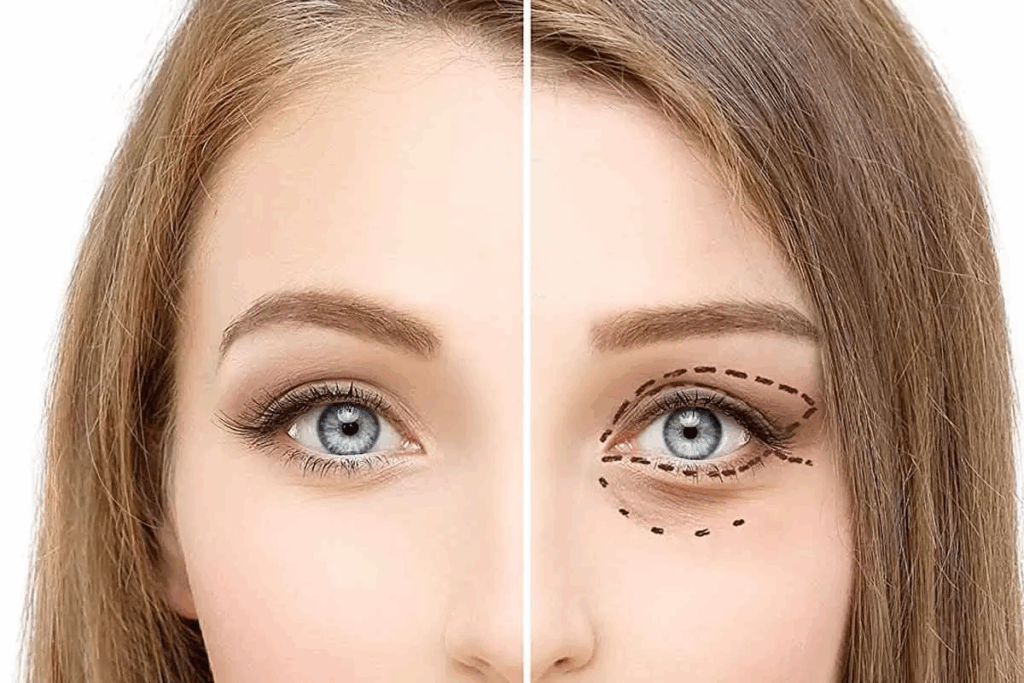
Double eyelid surgery, also known as Asian blepharoplasty, is a popular cosmetic procedure. It addresses the unique features of Asian eyelids. Learn aboutdouble eye fold surgery. This essential guide explains the Asian eye procedure, options, and recovery.
Medical Expert. It makes the eyes look better while keeping your ethnic look. We aim to help you understand Asian eye surgery fully.
At Liv Hospital, we offer top-notch cosmetic surgery. Our team is here to help you get the look you want. We respect your unique features.
Key Takeaways
- Double eyelid surgery creates a defined eyelid crease.
- Asian blepharoplasty preserves ethnic identity.
- Liv Hospital provides world-class cosmetic surgical services.
- The procedure addresses anatomical differences in Asian eyelids.
- Our team is dedicated to helping you achieve your desired results.
Understanding Double Eyelid Surgery
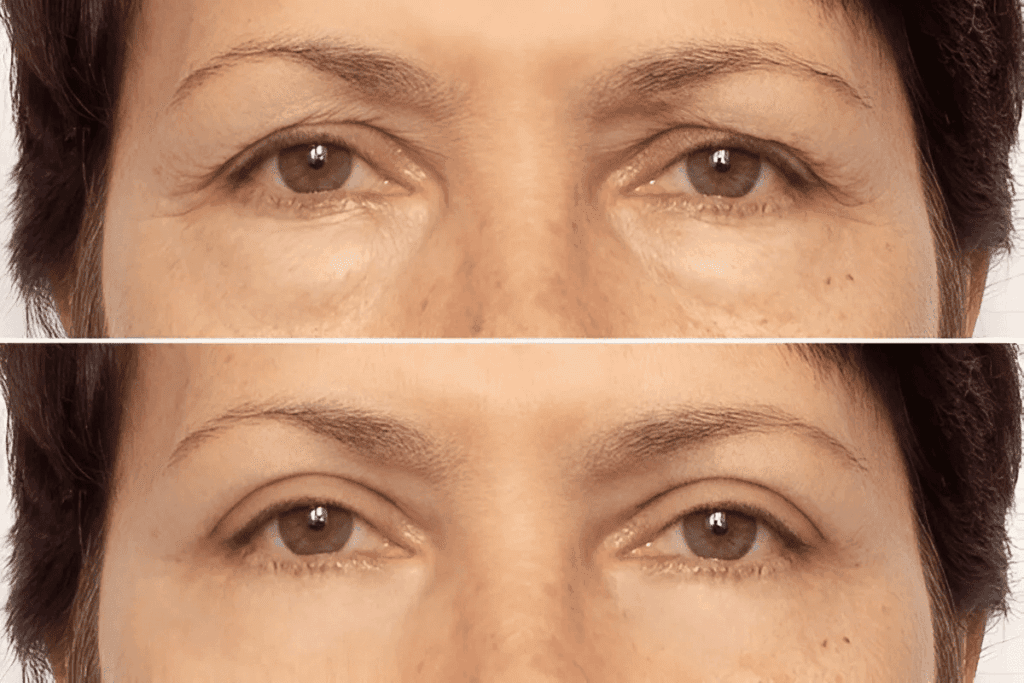
About 50% of people of Asian descent are born without an upper eyelid crease. Double eyelid surgery is a common procedure to add this feature. It’s a detailed technique that makes eyes look better and younger.
What Is Asian Blepharoplasty
Asian blepharoplasty, or double eyelid surgery, creates a crease in the upper eyelid. This crease makes eyes look bigger and more open. It’s popular among those with single eyelids or epicanthic folds, making eyes seem smaller.
The surgery can be done with or without incisions. The choice depends on the person’s anatomy and what they prefer. The surgeon will decide based on these factors.
Anatomical Differences in Asian Eyelids
Asian eyelids are different from others. They often have an epicanthic fold at the inner corner of the eye. Many also have less or no eyelid crease, affecting eye size and shape.
Surgeons need to understand these differences for Asian eyelid cosmetic surgery. They aim to create a crease that fits the person’s face well.
Cultural and Personal Motivations
Choosing double eyelid surgery is often due to cultural and personal reasons. Culturally, a double eyelid is seen as beautiful and youthful. Personally, people may want to improve their looks or feel more confident.
Medical Expert-Peyman knows the cultural and personal reasons behind this surgery. He focuses on making eyes look natural and youthful. He ensures the surgery’s results are pleasing and fit each person’s unique features.
The Prevalence of Double Eyelid Surgery
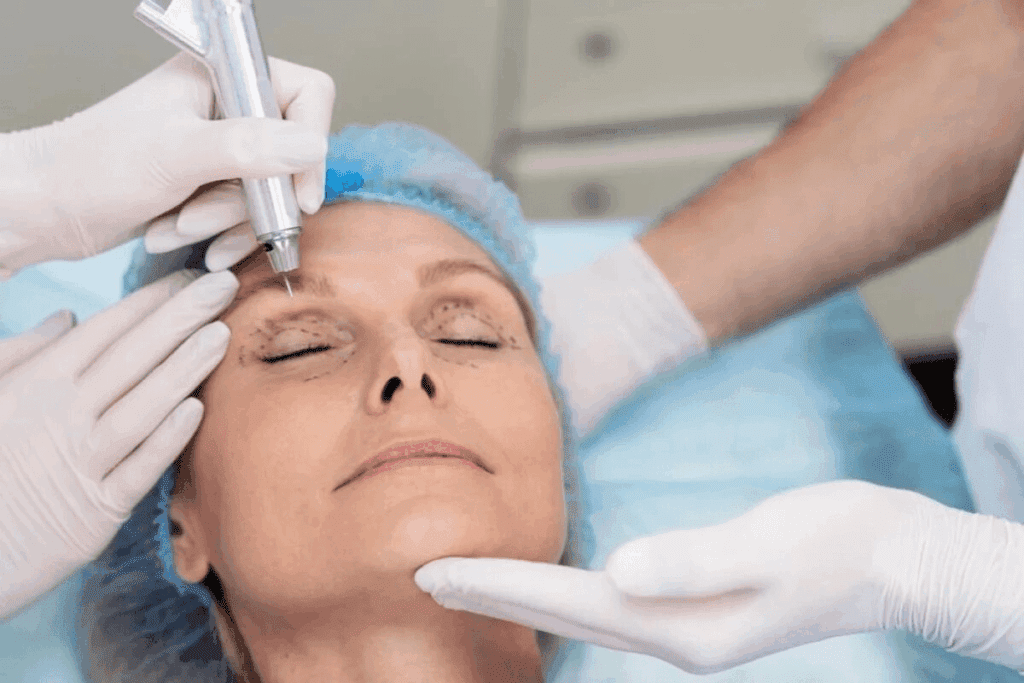
In recent years, double eyelid surgery has become more popular worldwide. It reflects changing beauty standards. This surgery, also known as Asian blepharoplasty, is very popular in Asia. There, people often want a supratarsal crease for aesthetic reasons.
Statistics and Trends in Asia
The demand for double eyelid surgery in Asia has grown a lot in the last few decades. In South Korea, China, and Japan, it’s seen as a way to improve oneself. In 2017, about 1.3 million people got the surgery, with many from Asia.
The Eyelid Center of Utah says Asian eyelid surgery is very specialized. It needs a deep understanding of Asian eyelids. This has led to new techniques that meet Asian patients’ needs.
Growing Popularity Worldwide
Double eyelid surgery is not just popular in Asia anymore. It’s gaining fans worldwide. People of different ethnic backgrounds are interested in it. They want to create a double eyelid or enhance their current one.
This growing interest is due to more people knowing about cosmetic surgery. Also, new techniques promise results that look more natural. As beauty standards change, we’ll see more people wanting this surgery.
Candidates for Double Eyelid Surgery
Knowing who is a good fit for double eyelid surgery is key for great results. This surgery, also known as Asian blepharoplasty, creates a crease in the upper eyelid. It makes the eyes look bigger and more defined.
Ideal Patient Profiles
We look for people with monolids or minimal eyelid creases who want to improve their look. People of Asian descent often choose this, but others might too. The main thing is having little to no eyelid crease.
Age matters too; candidates should be at least in their late teens. They should also have stable eyelids. We check overall health, as some conditions could affect the surgery or recovery.
Medical Considerations and Contraindications
Some medical issues might make surgery not possible or need extra care. We check for blepharitis, dry eye syndrome, or thyroid disorders. People with a history of keloid formation or scarring need careful review.
We also advise against surgery for those with unrealistic hopes or who won’t follow post-op instructions. A detailed consultation helps spot any risks and check if someone is a good candidate.
Setting Realistic Expectations
It’s important to set clear expectations for patient happiness. We talk about possible scarring, asymmetry, or the need for more surgery. Double eyelid surgery isn’t for everyone; it depends on your anatomy and what you want.
Medical Expert-incisional surgery methods. This means we can tailor the surgery to fit each person’s needs. We choose the best method based on your goals and what your eyes look like.
The main goal of double eyelid surgery is to make your eyes look better while keeping a natural look. By choosing the right candidates and setting clear expectations, we can make sure most people are happy with their results.
Types of Double Eye Fold Surgery Techniques
Knowing the different double eyelid surgery techniques is key to getting the look you want. This surgery, popular in Asia, makes the eyes look bigger and more defined. It creates a crease in the upper eyelid.
Modern surgery aims for natural, moving folds. The right technique depends on your eyes, skin, and what you want to look like, says The Eyelid Center of Utah.
Non-Incisional (Suture) Method
The non-incisional method uses sutures to make a double eyelid without cuts. It’s less invasive and heals faster than methods that make cuts.
Advantages: It’s less invasive, heals quickly, and can be reversed.
Disadvantages: It might not last as long as cuts, and the crease can fade.
Incisional Method
The incisional method makes a small cut in the eyelid to create a crease. It removes extra skin and fat for a lasting look.
Advantages: It gives lasting results, removes extra skin and fat.
Disadvantages: It takes longer to heal, and there’s a risk of scarring.
Partial Incision Technique
The partial incision technique is a mix of non-incisional and incisional methods. It makes a small cut and uses sutures for the crease.
Advantages: It balances the durability of cuts with the less invasive nature of sutures.
Disadvantages: It might take longer to heal than sutures, and results can vary.
Choosing the Right Technique for Your Anatomy
Choosing the right double eyelid surgery depends on your eyes, skin, and what you prefer. Talking to a skilled surgeon is important to find the best method for you.
Technique | Recovery Time | Durability | Invasiveness |
Non-Incisional (Suture) | 1-2 weeks | Less durable | Minimally invasive |
Incisional | 2-4 weeks | More durable | Invasive |
Partial Incision | 2-3 weeks | Moderately durable | Moderately invasive |
Modern Advances in Double Eye Fold Surgery
The world of Asian double eyelid surgery is changing fast. New research and technology are leading the way. Now, we see more personalized and detailed surgery, aiming for natural folds and fewer problems.
2024 Research Findings
Studies in 2024 show the need for surgery that fits each person’s body. They use new imaging to plan surgeries better. Medical Expert-Peyman focuses on natural looks and youth, showing the latest in surgery.
“The key to successful double eyelid surgery lies in understanding the unique anatomical features of each patient and adapting the technique.”
Creating Natural-Looking Results
The main goal of modern surgery is to look natural. It’s not just about the crease but how it fits with the face. New methods like suture and partial incision help achieve this.
- Personalized approach based on individual anatomy
- Advanced surgical techniques for minimal scarring
- Focus on creating a natural-looking eyelid crease
Minimizing the “Sausage-Like” Appearance
One big worry is the “sausage-like” look from swelling or scars. New methods and care after surgery help avoid this. Cold compresses and careful wound care are key.
Technology and Tool Advancements
New tech is changing surgery. High-definition images and special tools make it safer and more precise. We’re also finding new materials and methods for better results.
We keep pushing for the best care and results in double eyelid surgery. By using the latest research, custom techniques, and focusing on natural looks, we’re setting new standards.
Preparing for Your Surgery
Thinking about double eyelid surgery? It’s key to know what to do before to make sure it goes well. Getting ready for your surgery means taking a few important steps. These steps will help you get the best results.
Finding a Qualified Surgeon
Finding a good surgeon is very important. You want someone who knows how to make your eyes look natural. Medical Expert, for example, has lots of experience with Asian patients. Look for a surgeon with great reviews and before-and-after photos to match what you want.
Questions to Ask During Consultation
At your first meeting, ask the right questions. This will help you understand what’s going to happen. Ask about the best technique for you, possible risks, and how to get a natural look. Also, find out about recovery time. These questions will help you feel sure about your choice.
Pre-Operative Instructions
It’s important to follow what your surgeon tells you before surgery. They might ask you to stop certain medicines or quit smoking. Make sure to do what they say to avoid problems and get the best results.
Mental Preparation
Getting ready mentally is as important as physically. It’s normal to feel nervous or unsure. Take time to learn about the surgery and talk to your surgeon. Being mentally ready will help you relax and focus on your goals.
The Surgical Procedure: Step-by-Step Process
Double eyelid surgery, also known as Asian blepharoplasty, creates a defined eyelid crease. It’s tailored to each patient’s goals and face shape, as The Eyelid Center of Utah emphasizes. The surgery includes several steps, from anesthesia to post-operative care.
Anesthesia Options
The type of anesthesia for double eyelid surgery varies. It depends on the procedure’s complexity and the patient’s comfort. We use local anesthesia with sedation or general anesthesia for a comfortable surgery.
Marking and Planning the Crease
Before starting, we mark and plan the crease carefully. This step is key for the desired look. The surgeon and patient work together to choose the best crease design for their face and preferences.
Surgical Implementation
The surgery uses either the non-incisional (suture) method or the incisional method. The non-incisional method is less invasive, using sutures to create a crease. The incisional method removes excess skin and fat, making the crease more defined.
“The key to a successful double eyelid surgery lies in the precise marking and planning of the crease, as well as the surgeon’s expertise in executing the chosen technique.”
Immediate Post-Operative Care
After surgery, we give detailed care instructions for a smooth recovery. This includes managing swelling, keeping the wound clean, and attending follow-up appointments to check on healing.
Post-Operative Care Instructions | Purpose |
Managing Swelling | Reduce discomfort and promote healing |
Keeping the Wound Clean | Prevent infection and ensure proper healing |
Follow-Up Appointments | Monitor healing progress and address concerns |
Understanding double eyelid surgery helps patients prepare for the procedure and recovery. Our team is dedicated to providing full care and support throughout the process.
Recovery, Results, and Aftercare
Knowing what to expect during recovery is key for those getting Asian double eyelid surgery. The journey includes immediate care and long-term results.
Timeline for Healing
Patients usually see mild swelling and bruising for one to two weeks post-surgery. Medical Expert-Peyman says, “The first healing phase is critical. Following post-operative instructions is vital for a smooth recovery.” Rest and following the surgeon’s advice greatly helps the healing.
In the first days, swelling and bruising around the eyes are common. This usually peaks in the first 48 hours and then fades.
Managing Swelling and Discomfort
To reduce swelling, cold compresses and keeping the head up are advised. Staying away from hard work and eating well also helps healing.
Discomfort is usually mild and can be managed with pain meds. “We give detailed aftercare to help a quick and smooth recovery,” Medical Expert-Peyman explains.
When Final Results Appear
The final look of double eyelid surgery shows up after swelling goes down. This can take weeks to months. Being patient is key, as the beauty of new eyelids unfolds slowly.
“The final look is worth waiting for. Defined eyelids make the eyes look better,” Medical Expert-Peyman says.
Long-Term Maintenance
To keep your surgery results, a good skincare routine and sun protection are key. Regular check-ups with your surgeon also help keep your eyelids looking great.
By knowing the recovery and following aftercare, patients can enjoy lasting, beautiful results from their surgery.
Conclusion
Double eyelid surgery, also known as Asian blepharoplasty, is a complex procedure. It needs a deep understanding of Asian eyelid anatomy. Experts like Medical Expert. Sabet-Peyman have a proven track record in delivering natural-looking results.
When considering double eyelid surgery or asian eye surgery, it’s important to choose a qualified surgeon. They must understand the nuances of blepharoplasty asian eyes. This ensures a more alert and youthful appearance, aligning with the desired aesthetic goals.
Understanding the different techniques, such as non-incisional and incisional methods, helps individuals make informed decisions. A well-informed choice, coupled with a skilled surgeon, leads to successful outcomes and enhanced patient satisfaction.
Ultimately, asian eye surgery can be a life-changing procedure. It offers a more defined eyelid crease and a refreshed look. We encourage individuals to consult with experienced professionals to discuss their options and achieve the desired results.
FAQ
What is double eyelid surgery?
Double eyelid surgery, also known as Asian blepharoplasty, is a cosmetic procedure. It creates a crease in the upper eyelid. This makes the eyes appear larger and more defined.
Why do people of Asian descent choose double eyelid surgery?
People of Asian descent choose this surgery for many reasons. They might want a more alert look or to enhance their facial features. It’s also a personal choice influenced by culture.
What are the different techniques used in double eyelid surgery?
There are several techniques used in double eyelid surgery. These include non-incisional (suture) method, incisional method, and partial incision technique. Each has its own benefits and drawbacks. The choice depends on the individual’s anatomy and preferences.
Am I a suitable candidate for double eyelid surgery?
To be a good candidate, you should be in good health and have realistic expectations. Your eyelid anatomy also matters. A consultation with a qualified surgeon is needed to determine if you’re a good fit.
How do I choose a qualified surgeon for double eyelid surgery?
Look for a board-certified surgeon with experience in Asian blepharoplasty. Check their credentials and read reviews. Ask questions during your consultation to make sure they understand your needs.
What are the benefits of modern advances in double eyelid surgery?
Modern advances have made double eyelid surgery more natural-looking. There’s less scarring and fewer complications. This is due to better technology, techniques, and understanding of Asian eyelid anatomy.
How long does it take to recover from double eyelid surgery?
Recovery time varies, but it usually takes 1-2 weeks for swelling to go down. It can take several months for the final results to show.
What are the possible risks and complications of double eyelid surgery?
Risks include scarring, infection, asymmetry, and irregularities in the eyelid crease. A qualified surgeon will discuss these risks and take steps to minimize them.
Can I undergo double eyelid surgery if I have pre-existing eye conditions?
Some eye conditions may not be suitable for surgery or need special care. A thorough consultation with a qualified surgeon is necessary to determine if you can have the procedure.
How do I maintain the results of double eyelid surgery?
To keep the results looking good, live a healthy lifestyle and protect your eyes from the sun. Also, attend follow-up appointments with your surgeon to ensure the results last.
Reference:
National Center for Biotechnology Information. Evidence-Based Medical Guidance. Retrieved from https://www.ncbi.nlm.nih.gov/pmc/articles/PMC2884917/