Double eyelid surgery, or Asian blepharoplasty, is a special cosmetic procedure. It creates an upper eyelid crease for people of Asian descent. This surgery is very popular, with 86% of Asian-identifying women seeing it as culturally normal. This is true, mainly in Korean and Chinese communities. What isdouble eye surgery? This ultimate guide explains the Asian eyelid procedure, techniques, and what to expect.
Asian blepharoplasty offers custom solutions for a more awake and expressive look. It keeps your ethnic identity intact. We know how important this surgery is culturally and how much people want it. We’re dedicated to top-notch healthcare and support for patients from around the world.
Key Takeaways
- Double eyelid surgery is a popular cosmetic procedure among individuals of Asian descent.
- The procedure creates an upper eyelid crease, making the eyes look better.
- It’s seen as culturally normal by most Asian-identifying women.
- Custom solutions help keep your ethnic identity.
- Good healthcare support is key for international patients.
Understanding Double Eyelid Surgery
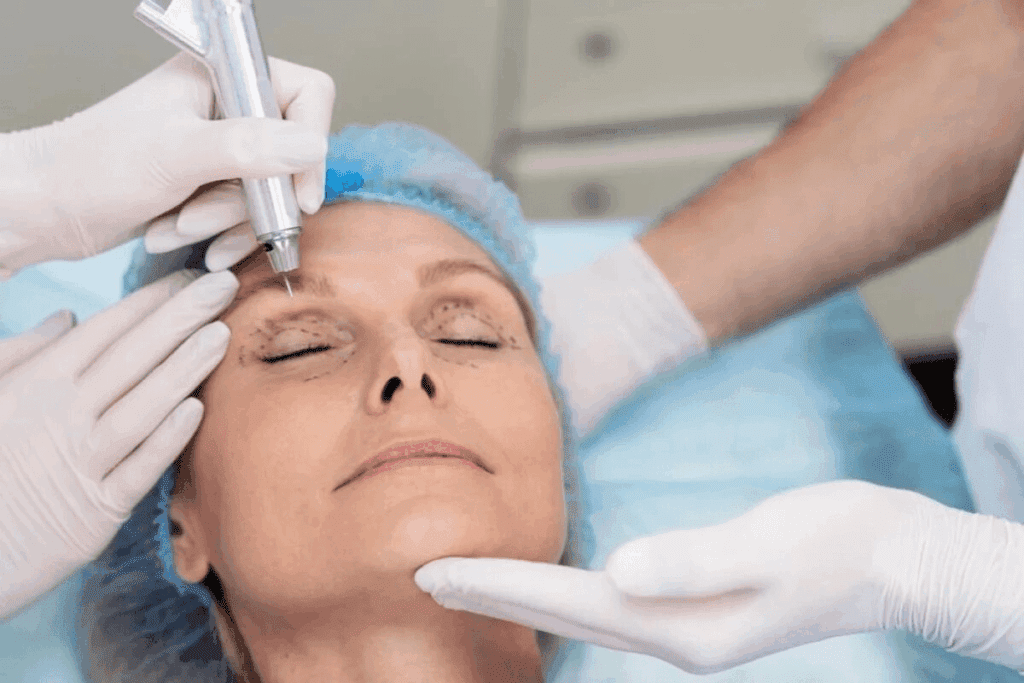
Double eyelid surgery, or Asian Blepharoplasty, is a special field. It needs a deep understanding of Asian eyelid anatomy. This is key for those thinking about getting the surgery.
What Is Asian Blepharoplasty?
Asian Blepharoplasty is a cosmetic surgery. It creates a crease in the upper eyelid, known as a double eyelid. This is popular among Asians, as about 50% naturally lack this crease.
The surgery makes the eyelid fold more defined. This enhances the eye’s look. It’s customized for each person, considering their eyelid’s unique shape. The aim is to create a natural crease that fits the face well. It improves both looks and function of the eyelid.
The Anatomy of Asian Eyelids
Asian eyelids differ from Caucasian ones. They often lack an epicanthic fold at the eye’s inner corner. They also have less levator aponeurosis attachment and more orbital fat.
These differences affect how surgeons approach double eyelid surgery. They must plan carefully to ensure the results look good and fit the face.
Knowing Asian eyelid anatomy helps surgeons give personalized care. They can meet each patient’s unique needs better.
The Cultural Context of Double Eye Surgery
In recent years, double eyelid surgery has become popular worldwide. This shows how cultural factors play a big role. The surgery, also known as Asian blepharoplasty, is now a big part of cosmetic surgery globally.
Historical Perspective and Evolution
The history of double eyelid surgery is tied to beauty standards. The procedure started in Asia, where a double eyelid is seen as a sign of beauty and youth. Cosmetic surgeons worldwide say it’s about creating a crease above the eyelid to look more beautiful.
Historically, the presence of double eyelids varies among ethnic groups. In many Asian cultures, not having a double eyelid is seen as normal. But, Western beauty standards have made more people want double eyelid surgery.
Current Statistics and Global Trends
Double eyelid surgery’s popularity is shown in the numbers. In 2017, about 1.3 million people got the surgery worldwide. Japan led with 187,000 procedures, more than any other surgery.
This surgery’s appeal goes beyond looks. It mixes old beauty ideals with new surgery methods. A surgeon says it’s a personal choice, influenced by culture, society, and personal reasons.
As trends change, understanding double eyelid surgery’s cultural side is key. It’s not just surgery but shows deeper cultural values and beauty standards.
Types of Double Eyelid Surgery Techniques
When looking into double eyelid surgery, you’ll find two main methods: the non-incisional suture method and the incisional method. Knowing the differences between these is key to picking the right one for you.
Non-Incisional Suture Method
The non-incisional suture method, or buried suture technique, uses small sutures to create a crease without a big cut. It’s less invasive, leading to less scarring and a quicker recovery. The surgery is done under local anesthesia and takes about 30 minutes to an hour.
This method is reversible, which is great for those unsure about a permanent crease. But, it might not last as long as the incisional method, and the crease could fade. This might mean you need more surgeries later on.
Incisional Method
The incisional method makes a precise cut along the eyelid crease. It removes extra skin, muscle, and fat, then stitches the skin to the levator muscle. This creates a more defined and lasting crease. It’s good for those with complex eyelids or wanting more dramatic results.
This method is more invasive and takes longer to recover from than the non-incisional suture method. But, it gives more permanent results and can fix extra skin or fat. The cut line will fade over time, becoming less visible.
Choosing between these methods depends on your preferences, eyelid shape, and your surgeon’s advice. Understanding each technique’s benefits and drawbacks helps you make a well-informed decision for your surgery.
Determining Your Candidacy for Asian Blepharoplasty
Thinking about Asian blepharoplasty starts with checking if you’re a good candidate. You need to know who’s best for it and any health issues that might stop you from getting it.
Ideal Candidates
Good candidates are healthy and know what the surgery can do. They want to make their eyelids look better. They also need to understand the surgery’s benefits and risks.
- Have good overall health
- Have realistic expectations
- Are motivated by aesthetic concerns
- Understand the possible benefits and risks
Medical Considerations and Contraindications
Some health problems can make Asian blepharoplasty tricky. Dry eye or thyroid issues can make surgery or recovery harder. Talking to a skilled surgeon is key to figuring out if you’re a good fit.
Your surgeon will check your health, talk about what you hope to achieve, and look at your eyelids. This detailed check is vital to see if the surgery is right for you.
- Evaluation of overall health
- Discussion of expectations
- Assessment of eyelid anatomy
By looking at these points, we make sure you’re ready and know what to expect. This helps make sure the surgery goes well.
Finding the Right Surgeon for Double Eyelid Surgery
Finding a qualified surgeon is key to successful double eyelid surgery. Your surgeon’s skills greatly affect your results. It’s important to pick someone with the right qualifications and experience.
Essential Qualifications and Specializations
Look for a surgeon who is board-certified in oculoplastic surgery or plastic surgery. These certifications show they’ve had the right training. Also, choose a surgeon with experience in Asian blepharoplasty. They need to understand Asian eyelids well.
A good surgeon should have:
- Board certification in oculoplastic surgery or plastic surgery
- Experience with Asian blepharoplasty procedures
- A strong portfolio of before and after photos
- Positive patient reviews and testimonials
Questions to Ask During Consultation
Ask important questions during your first meeting. This helps you understand the surgeon’s skills and approach. Some key questions include:
- What experience do you have with double eyelid surgery?
- Can you share before and after photos of your previous patients?
- What are the possible risks and complications of the procedure?
- How will you ensure my results look natural and meet my expectations?
“The right surgeon will take the time to understand your needs and concerns, providing personalized care and guidance throughout the process.”
— Expert Opinion
Reviewing Before and After Portfolios
Looking at a surgeon’s portfolio is a good way to judge their skill. Check for consistency in their work. A strong portfolio shows the surgeon’s ability to achieve natural-looking results.
Qualification | Description | Importance Level |
Board Certification | Certification in oculoplastic or plastic surgery | High |
Experience in Asian Blepharoplasty | Specific experience with double eyelid surgery | High |
Before and After Portfolio | A collection of previous patient results | Medium |
Patient Reviews | Feedback from previous patients | Medium |
By carefully evaluating a surgeon’s qualifications, asking the right questions, and reviewing their portfolio, you can make an informed decision. This will help you achieve the best results from your double eyelid surgery.
Preparing for Your Double Eyelid Procedure
Getting ready for double eyelid surgery is key to a smooth process. It helps you get the best results and lowers risks.
Pre-Surgery Medical Evaluations
It’s vital to have detailed medical checks before surgery. These checks look at your health and spot any risks.
- Review of your medical history to identify any conditions that could affect surgery or recovery.
- Eye health examination to assess the condition of your eyelids and surrounding tissues.
- Laboratory tests as recommended by your surgeon.
Medications to Avoid
Some medicines can raise bleeding risks or mess with surgery results. Your doctor will tell you which ones to skip before surgery.
Medication Category | Examples | Reason to Avoid |
Anticoagulants | Aspirin, Warfarin | Increased risk of bleeding |
NSAIDs | Ibuprofen, Naproxen | Increased risk of bleeding |
Herbal Supplements | Ginkgo Biloba, Garlic supplements | Potential interaction with anesthesia or increased bleeding risk |
Practical Preparations for Surgery Day
Getting ready for surgery day is important. It makes the day go smoothly and helps you recover better.
- Arranging for someone to drive you home after surgery.
- Preparing your home with necessary supplies, such as ice packs and comfortable pillows.
- Following any specific dietary instructions provided by your surgeon.
A top plastic surgeon says, “Being well-prepared is key to a good surgery and easy recovery.”
“The key to a successful double eyelid surgery lies not just in the surgical technique, but also in the thorough preparation of the patient.”
Medical Expert, Plastic Surgeon
By following your surgeon’s advice and getting ready, you help make your surgery a success. You’ll be happier with the results.
What to Expect During Double Eye Surgery
Learning about double eye surgery can make you feel less anxious. It helps you get ready for a good result. During Asian blepharoplasty, several important steps and things to think about will keep you comfortable and help the surgery succeed.
Anesthesia Options and Administration
Double eye surgery is usually done with local anesthesia. This numbs the area around your eyes. It lets you stay awake, which is safer than general anesthesia. You might also get sedation to relax and feel more at ease during the surgery. Your surgeon will talk to you about the best anesthesia for you.
Using local anesthesia with sedation makes the surgery as comfortable as possible. Local anesthesia keeps you from feeling pain. Sedation helps lower any anxiety or discomfort you might feel.
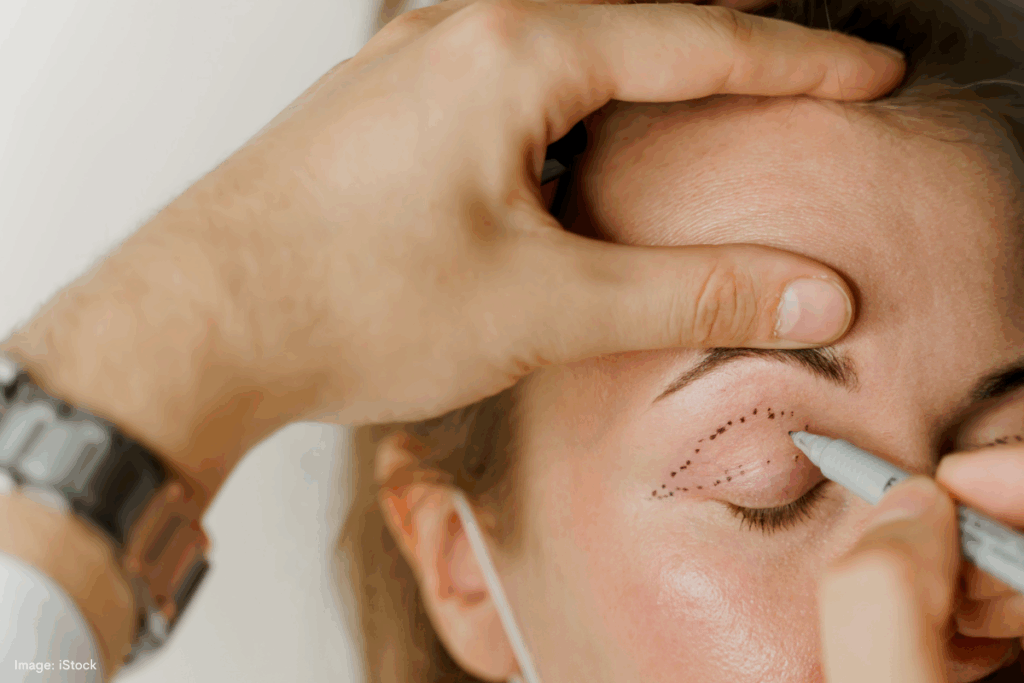
Step-by-Step Surgical Process
The steps for double eyelid surgery are very detailed:
- Creating the desired eyelid crease: Your surgeon will carefully mark and create the fold according to your pre-surgical plan.
- Removing excess tissue: If necessary, your surgeon will remove any excess skin, fat, or muscle to achieve a natural and aesthetically pleasing result.
- Ensuring symmetry and natural appearance: Throughout the procedure, your surgeon will check for symmetry and ensure that the final result looks natural and aligns with your expectations.
Duration and Immediate Post-Op Care
The time it takes for double eye surgery can change based on how complex the case is. It usually lasts from 1 to 2 hours. After, you’ll go to a recovery area where your eyes will be watched for any immediate reactions to the surgery.
Right after surgery, you’ll need to:
- Apply cold compresses to reduce swelling.
- Rest with your head elevated to minimize bruising.
- Follow specific instructions from your surgeon about medication and eye care.
By knowing these parts of double eye surgery, you can better get ready for it and the recovery. This makes the whole process smoother and more successful.
Recovery Timeline After Asian Blepharoplasty
The journey to recovery after double eyelid surgery has several stages. Each stage has its own timeline and expectations. It’s important to know what to expect during the healing process.
First 48 Hours Post-Surgery
Right after surgery, you might see swelling, bruising, and some discomfort around your eyes. Resting with your head elevated can help reduce swelling. Also, using cold compresses gently on your eyes can help with bruising.
It’s key to follow your surgeon’s instructions closely during the first 48 hours. This includes any medication and wound care. Most people find they can rest comfortably at home despite some symptoms.
First Two Weeks of Recovery
In the first two weeks, your symptoms will start to get better. Swelling and bruising will lessen, and you’ll see the first signs of your surgery’s results.
Day | Expected Symptoms | Care Instructions |
3-5 | Slight swelling, bruising | Continue cold compresses, rest |
6-10 | Reducing swelling, fading bruises | Start gentle eyelid exercises if advised |
11-14 | Significant reduction in swelling | Resume normal activities gradually |
Long-Term Healing and Final Results
The healing process after Asian blepharoplasty can take months. During this time, scars will mature and fade, and you’ll see the full results of your surgery.
Being patient and following your surgeon’s advice is key for the best healing. Most people are very happy with their results, which can make their eyes look more open and appealing.
Knowing the recovery timeline after Asian blepharoplasty helps you prepare. The journey requires patience, but the outcome can be stunning. You’ll get a natural-looking double eyelid that can enhance your look.
Aftercare Instructions and Tips
To get the best results from your double eyelid surgery, following a good aftercare plan is key. Proper care helps your body heal well and avoids problems.
Managing Swelling and Discomfort
There are simple ways to handle swelling and discomfort after surgery. Using cold compresses on your eyes can help. Also, keep your head up, even when you sleep, to prevent fluid buildup.
Use cold compresses for the first 48 hours. Wrap an ice pack in a cloth and apply it to your closed eyelids for 15-20 minutes. Take breaks in between.
Wound Care and Cleaning
It’s important to take care of your wounds gently to avoid infection and help them heal. Your surgeon will tell you how to clean your eyelids. Usually, you’ll use a mild soap or a special cleanser.
- Use a cotton swab with the recommended cleanser to clean your eyelids.
- Avoid rubbing or pulling on your eyelids.
- Pat dry with a clean towel.
When to Contact Your Surgeon
Knowing when to call your surgeon is important during aftercare. If you notice any of these symptoms, contact your surgeon right away:
Symptom | Description |
Increased swelling or pain | If swelling or pain gets worse than expected. |
Signs of infection | Redness, discharge, or fever. |
Vision changes | Blurry vision, double vision, or loss of vision. |
As one surgeon says,
“The key to a successful recovery is not just following the aftercare instructions but also being aware of your body’s response to the surgery and communicating any concerns to your surgeon.”
By following these aftercare tips, you can help your recovery from double eyelid surgery go smoothly.
Potential Risks and Alternatives to Double Eyelid Surgery
It’s important to know the risks and options before deciding on double eyelid surgery. This surgery is usually safe but can have risks like any surgery.
Common Side Effects and Complications
After double eyelid surgery, you might see swelling, bruising, and feel some discomfort. Serious problems, though rare, can include infection, uneven eyelids, or scarring. Always talk to your surgeon about these risks to understand your situation better.
Here’s a table showing some possible complications:
Complication | Description | Frequency |
Infection | Bacterial infection of the surgical site | Rare |
Asymmetry | Uneven or asymmetrical eyelids | Uncommon |
Scarring | Permanent scarring at the incision site | Uncommon |
Non-Surgical Alternatives
If you’re not ready for surgery, there are non-surgical options. You can use eyelid glue or temporary fillers to look like you have double eyelids without surgery.
Non-surgical alternatives are great for trying out a double eyelid look before surgery. But remember, these solutions are temporary and need to be applied often.
Talking to a skilled surgeon about risks and options is a good first step. They can help you decide what’s best for you.
Conclusion
Double eyelid surgery is a big decision that needs careful thought. It’s important to know about the procedure and the different techniques. Choosing a skilled surgeon is also key to getting the results you want.
This guide has covered Asian blepharoplasty, a complex surgery. It uses various methods, like non-incisional sutures and incisional ones. Each method has its own advantages and things to consider. The right choice depends on what you want and need.
In short, double eyelid surgery can change someone’s life by boosting their looks and confidence. It’s vital to do your homework, plan well, and talk to a good surgeon. Knowing a lot about Asian blepharoplasty helps in getting the look you desire.
FAQ
What is double eyelid surgery?
Double eyelid surgery, also known as Asian blepharoplasty, is a cosmetic procedure. It creates a crease in the upper eyelid. This gives the appearance of a double eyelid.
What is the difference between Asian blepharoplasty and traditional blepharoplasty?
Asian blepharoplasty is for Asian eyelids without a crease. Traditional blepharoplasty is for those with a crease.
What are the different techniques used in double eyelid surgery?
There are two main techniques: non-incisional suture and incisional. The choice depends on the desired look and the patient’s anatomy.
Is double eyelid surgery painful?
The surgery is done under local anesthesia, so you won’t feel pain. You might feel some discomfort later, but it can be managed with medication.
How long does it take to recover from Asian blepharoplasty?
Recovery time varies, but most can get back to normal in one to two weeks. Swelling and bruising usually go away in a few weeks.
Are there any risks or complications associated with double eyelid surgery?
Yes, like any surgery, there are risks. These include infection, scarring, and asymmetry. Choosing a skilled surgeon can help minimize these risks.
Can I get double eyelid surgery if I have a pre-existing medical condition?
Some medical conditions might affect your eligibility. It’s important to talk about your health with your surgeon before the procedure.
How do I choose the right surgeon for my double eyelid surgery?
Look for a board-certified surgeon with experience in Asian blepharoplasty. Check their before and after photos and ask questions during your consultation.
What are the non-surgical alternatives to double eyelid surgery?
Non-surgical options like eyelid glue or thread lifting can mimic a double eyelid. But, they are temporary and less defined than surgery.
How long do the results of double eyelid surgery last?
The results can last a long time, but it depends on your skin and aging.
What is the cost of double eyelid surgery?
Costs vary based on the surgeon, location, and procedure complexity. Discuss the costs with your surgeon during your consultation.
Reference:
National Center for Biotechnology Information. Evidence-Based Medical Guidance. Retrieved from https://www.ncbi.nlm.nih.gov/pmc/articles/PMC2884917/