Double eyelid surgery, also known as Asian blepharoplasty, is a cosmetic procedure. It aims to create or enhance the upper eyelid crease. Medical Expert. It enhances the natural look of the eyes while keeping ethnic identity intact. Considering double eyelids surgery? This ultimate guide explains the Asian eye procedure, different techniques, recovery, and what to expect.
Thinking about Asian eye surgery is a big decision. This guide will help you understand the process, benefits, and what to expect from blepharoplasty for Asian eyes. We aim to give you all the information you need to decide if you want to enhance your natural features.
Key Takeaways
- Understanding the purpose and benefits of double eyelid surgery.
- Exploring the cultural significance of this procedure in Asian communities.
- Learning about the process and what to expect from Asian blepharoplasty.
- Discovering how to preserve ethnic identity while improving eye appearance.
- Getting insights into the expertise and care involved in the procedure.
Understanding Double Eyelids and Asian Eye Anatomy

It’s key to know about Asian eyelid anatomy for double eyelid surgery. About 50 percent of Asians don’t have an upper eyelid crease naturally. This makes it a top cosmetic surgery choice in Asia.
Anatomical Differences Between Asian and Caucasian Eyelids
Asian eyelids are different from Caucasian ones. Medical Expert. This is because of how the eyelid muscles and fat are arranged.
Asian eyelids usually have less defined or no crease. Caucasian eyelids, on the other hand, have a more noticeable crease. This is due to their different structure.
The levator aponeurosis attachment is lower or missing in Asian eyelids. This makes the eyelid look like one or less defined. Also, more fat in Asian eyelids makes the eyelid fuller.
What Creates a Natural Double Eyelid
A natural double eyelid has a supratarsal crease. This crease is made by the levator aponeurosis attaching to the skin. When this crease is visible, it looks like a fold in the eyelid.
“The goal of double eyelid surgery is to create a natural-looking crease that enhances the appearance of the eye without looking artificial or forced.”
Success in double eyelid surgery comes from knowing the person’s anatomy. The right surgical method is used to get a natural and pleasing look.
What is Double Eyelids Surgery?
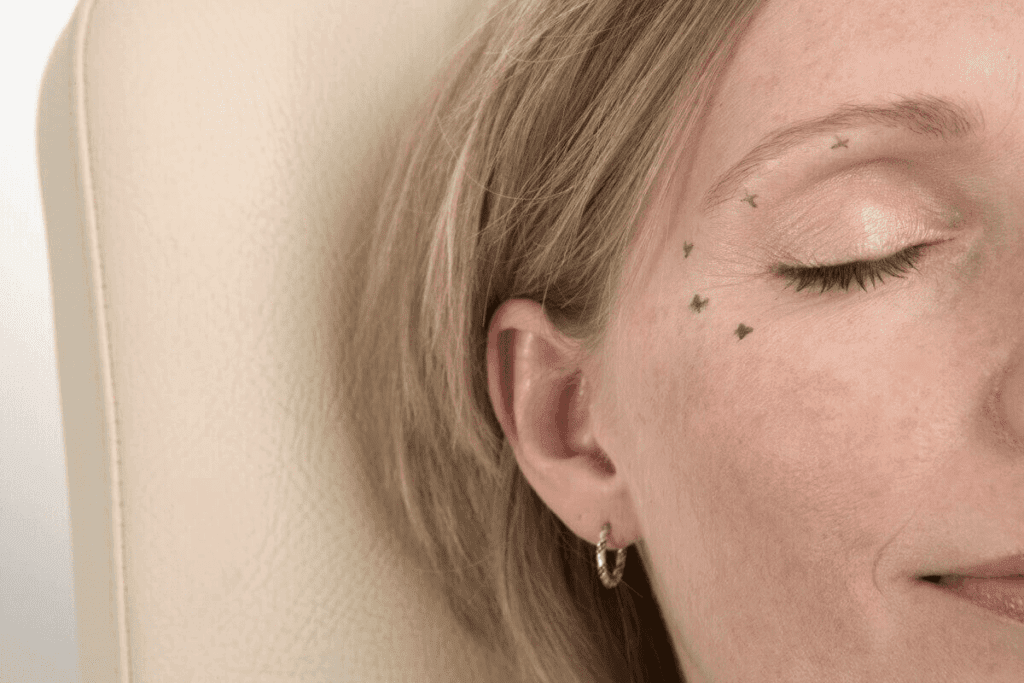
Asian blepharoplasty, or double eyelid surgery, is a cosmetic procedure. It aims to create a natural-looking eyelid crease. This surgery addresses the differences between Asian and Caucasian eyelids, giving a personalized solution for those wanting to enhance their eye look.
Definition and Purpose of Asian Blepharoplasty
Double eyelid surgery creates a crease in the upper eyelid. This makes the eye look larger and more defined. The main goal of Asian blepharoplasty is to improve the eye’s appearance by adding a double eyelid, which is often desired in Asian cultures.
Medical Expert’s face. It ensures results that are subtle, symmetrical, and natural. The method used can be either non-incisional (suture) or incisional, based on the patient’s needs and preferences.
Key aspects of Asian Blepharoplasty:
- Creating a natural-looking eyelid crease
- Enhancing the aesthetic appeal of the eyes
- Tailoring the procedure to individual facial anatomy
Historical Context and Evolution of the Procedure
Double eyelid surgery has a long history, spanning decades. At first, it was done for medical reasons and was met with skepticism. But over time, it evolved into a popular cosmetic surgery, thanks to better techniques and growing demand for beauty enhancements.
The surgery has seen big improvements, from old incisional methods to newer non-incisional ones. These advancements have made the surgery more appealing and accessible to more people.
Procedure Aspect | Historical Context | Current Practice |
Surgical Techniques | Initially, incisional methods were predominantly used. | Now includes both incisional and non-incisional methods. |
Patient Preferences | Primarily for medical reasons or cultural assimilation. | Aesthetic enhancement is now the primary driver. |
Surgical Outcomes | Outcomes were often less predictable. | More natural-looking and tailored results are now achievable. |
Cultural Significance and Popularity
Double eyelid surgery is big in Asian communities. It’s not just for looks; it’s about beauty and identity. Let’s dive into why it’s so popular.
Prevalence in Asian Communities
In places like Korea and China, double eyelid surgery is common. People see it as a way to improve their looks. It makes them look younger and more friendly.
2025 Research on Cultural Normalization
A 2025 study found that 86 percent think blepharoplasty is okay. Medical Expert’s big in Asia. It’s for better looks and to seem more approachable.
Cultural Aspect | Description | Impact on Double Eyelid Surgery |
Beauty Standards | Beauty views differ by culture, shaping double eyelid surgery demand. | More people want it where big eyes are seen as beautiful. |
Social Acceptance | It’s seen as boosting social and work chances. | It’s more accepted and seen as normal. |
Cultural Identity | It’s tied to cultural identity and personal style. | People choose it for various reasons, like beauty or cultural fit. |
Are You a Good Candidate for Double Eyelids Surgery?
Double eyelid surgery isn’t for everyone. We need to check if it’s right for you. At our place, we make sure to talk everything over before we start.
Ideal Candidates and Considerations
People who might want double eyelid surgery should be healthy and know what to expect. We look at a few things:
- Eye anatomy and any health issues
- How good the skin is around your eyes
- If you’ve had eye surgeries before
- What you want your double eyelids to look like
We’ll talk about these things during your visit. We want to make sure you get the look you want without hurting your eyes.
Medical Contraindications
Some health problems might stop you from getting double eyelid surgery. These include:
Medical Condition | Reason for Contraindication |
Active eye infections | More chance of problems when healing |
Severe dry eye syndrome | Could make dry eye worse after surgery |
Bleeding disorders | More risk of bleeding during or after surgery |
Medical Expert’s key to share your health history with us. We aim to give you safe and effective care that fits your needs.
Types of Double Eyelid Surgical Techniques
Choosing the right surgical technique for double eyelid surgery depends on several things. Medical Expert’s all about the individual’s anatomy and what they want to achieve. The choice between non-incisional and incisional methods is key.
Non-Incisional (Suture) Method
The non-incisional method, or suture method, creates a double eyelid by stitching the eyelid tissue. It doesn’t involve making any cuts. This method is less invasive and has a quicker recovery time compared to the incisional method.
Advantages of the Non-Incisional Method:
- Less invasive with no visible scarring
- Quicker recovery time
- Reversible in some cases
Incisional Method
The incisional method makes a small cut in the eyelid to create a double eyelid fold. It offers more permanent results and can be customized to fit the individual’s desired eyelid shape.
Advantages of the Incisional Method:
- More permanent results
- Customizable to individual preferences
- Can address excess fat and skin
To better understand the differences between these two techniques, let’s examine the key aspects in a comparative table:
Aspect | Non-Incisional Method | Incisional Method |
Invasiveness | Less invasive | More invasive |
Recovery Time | Quicker | Longer |
Permanence | Less permanent | More permanent |
Scarring | No visible scarring | Potential for scarring |
We believe it’s important to understand these techniques before deciding on double eyelid surgery. By looking at individual factors and the benefits of each method, patients can make the best choice for themselves.
Choosing a Qualified Surgeon for Double Eyelids Surgery
Finding the right surgeon for double eyelid surgery is key to success. It can seem overwhelming, but with the right info, you can choose wisely.
Credentials and Specializations to Look For
Look for specific credentials and specializations in a surgeon. A board-certified oculoplastic or plastic surgeon is a good start. Medical Expert, for example, is a board-certified oculoplastic surgeon with lots of experience.
Here are some important credentials to look for:
- Board certification in oculoplastic surgery or plastic surgery
- Experience in double eyelid surgery
- Membership in professional plastic surgery organizations
Questions to Ask During Consultation
Ask the right questions during your consultation. This will help you understand if the surgeon is right for you. Some questions to ask include:
- What experience do you have with double eyelid surgery?
- Can you show me before and after photos of your previous patients?
- What are the possible risks and complications?
Question | Purpose |
What is your experience with double eyelid surgery? | Assess the surgeon’s expertise |
Can you show before and after photos? | Evaluate the surgeon’s work quality |
What are the possible risks? | Understand possible complications |
Reviewing Before and After Portfolios
Looking at before and after portfolios is vital. It helps you see the surgeon’s skill and experience. Look for consistency and cases similar to yours.
By checking credentials, asking questions, and reviewing portfolios, you can make a smart choice. This will help you get the best results from your double eyelid surgery.
Preparing for Your Double Eyelids Surgery
Double eyelid surgery needs careful preparation for a smooth and successful experience. We guide you through every step to ensure a great outcome.
Pre-Surgical Consultations
The first step is a thorough pre-surgical consultation. We discuss your goals and assess your eyelid anatomy. Medical Expert‘re well-informed and comfortable.
We also review your medical history. This includes any previous surgeries, allergies, and medications. This info helps us identify any risks and take precautions.
Medical Evaluations and Tests
Before surgery, you’ll need to undergo medical evaluations and tests. These may include blood tests, eye examinations, and other diagnostic tests. They ensure you’re in good health and your eyes are suitable for surgery.
Our medical team works closely with you to ensure all tests are completed. We’ll also provide instructions on how to prepare for these tests.
Lifestyle Adjustments Before Surgery
In the weeks before surgery, we recommend certain lifestyle adjustments. These help optimize your health and minimize risks. Adjustments include:
- Quitting smoking and avoiding nicotine products
- Avoiding certain medications that can increase bleeding
- Maintaining a healthy diet rich in vitamins and minerals
- Staying hydrated by drinking plenty of water
By making these adjustments, you can help ensure a smooth and successful surgery. Our team is here to guide and support you throughout the preparation process.
The Double Eyelids Surgery Procedure: What to Expect
Getting ready for double eyelid surgery can be nerve-wracking. But knowing what to expect can help ease your worries. We’re here to guide you through the process, making it less daunting.
Day of Surgery Timeline
The day of your surgery is a series of steps to ensure everything goes smoothly. It starts with getting ready and registering. Then, you’ll have a final chat with your surgeon to go over the details.
Here’s what you can expect on surgery day:
- Pre-operative preparation: This includes cleaning and marking the surgical site.
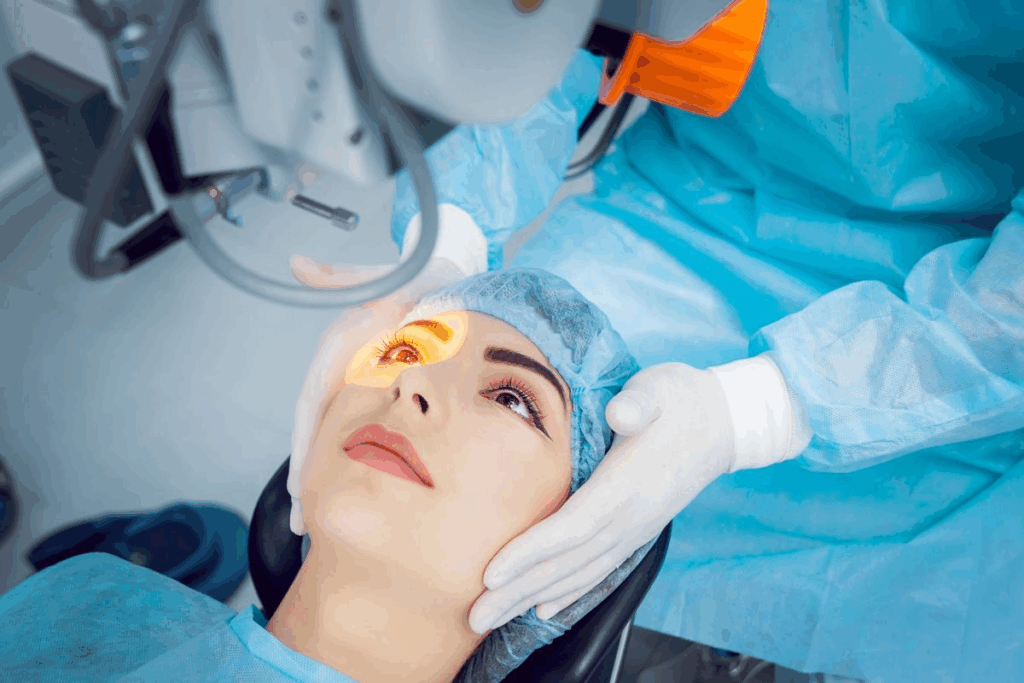
- Administration of anesthesia: Your surgeon will discuss and administer the chosen anesthesia option.
- The surgical procedure: The actual surgery, which we will outline in detail below.
- Recovery: Initial recovery takes place in the clinic or hospital, where medical staff monitor your condition.
Anesthesia Options
Anesthesia is key to a comfortable surgery experience. For double eyelid surgery, local anesthesia is commonly used. It keeps you awake but relaxed during the surgery. Medical Expert, “Local anesthesia is preferred because it reduces recovery time and minimizes side effects.”
“The choice of anesthesia is critical for patient comfort and safety during double eyelid surgery.” – Medical Expert
Step-by-Step Surgical Process
The surgery for creating double eyelids is precise. We use advanced methods to ensure natural-looking results. The steps include:
- Marking the eyelid: Your surgeon will carefully mark the area where the crease will be created.
- Administering anesthesia: Local anesthesia is administered to numb the area.
- Creating the incision or suture: Depending on the chosen method (incisional or non-incisional), the surgeon will either create a small incision or use sutures to form the crease.
- Forming the eyelid crease: The surgeon will then carefully create the desired crease, ensuring it is natural-looking and symmetrical.
- Closing the incision or securing sutures: If an incisional method is used, the incision is closed with sutures. For non-incisional methods, the sutures are secured.
Understanding the steps can make you feel more confident and prepared for your surgery.
Recovery and Aftercare Following Double Eyelids Surgery
Recovering from double eyelid surgery needs careful aftercare for the best healing. Proper care is key to getting the results you want and avoiding problems. We’ll show you the important steps to take after your surgery.
Immediate Post-Operative Care
Right after surgery, following the right care is very important. Medical Expert. Also, use ice packs as told to reduce bruising. Keeping the surgery area clean and following your surgeon’s wound care is also critical.
Key Steps for Immediate Post-Operative Care:
- Keep your head elevated
- Apply ice packs as directed
- Keep the surgical site clean
- Follow wound care instructions
Week-by-Week Recovery Timeline
Knowing the recovery timeline helps you prepare for healing. Here’s what you can expect:
Week | Expected Recovery Progress |
1 | Significant swelling and bruising; gradual improvement with rest and ice packs |
2 | Swelling and bruising start to subside; stitches may be removed if used |
3-4 | Most swelling and bruising resolved; eyelids start to feel more normal |
5-6 | Eyelids continue to refine; final results start to become apparent |
Managing Swelling and Discomfort
Handling swelling and discomfort is a big part of recovery. Use cold compresses to lessen swelling and take pain meds as told. Avoid hard work and get plenty of rest.
Tips for Managing Swelling and Discomfort:
- Use cold compresses
- Take prescribed pain medication
- Avoid strenuous activities
- Get adequate rest
By following these tips and your surgeon’s advice, you can have a smooth recovery from double eyelid surgery. Good aftercare is essential for the best results.
Non-Surgical Alternatives to Double Eyelids Surgery
Not everyone is ready for double eyelids surgery. Luckily, there are non-surgical ways to make it look like you have double eyelids. These options are great for those who want to try something before surgery.
Temporary Double Eyelid Tapes and Glues
Temporary double eyelid tapes and glues are a popular choice. They create a crease in your eyelid, making it look like you have double eyelids. Medical Expert, “They’re perfect for those who want to look different for special events or until they decide on surgery.”
Using these tapes and glues has many benefits:
- They are easy to use.
- They can be removed easily.
- They don’t come with the risks of surgery.
Makeup Techniques for Creating Double Eyelids
Makeup can also help create the look of double eyelids. Skilled makeup artists use shading and highlighting to make a crease appear. This gives the illusion of double eyelids.
Some makeup techniques include:
- Using eyeshadow to add depth.
- Applying eyeliner to define the crease.
- Highlighting the brow bone to make double eyelids look more defined.
“Makeup can be a powerful tool in creating the illusion of double eyelids. With the right techniques and products, individuals can achieve a more defined eyelid crease without surgery.” – Expert Makeup Artist
Limitations of Non-Surgical Methods
Non-surgical methods have their limits. Temporary tapes and glues might not work for everyone, like those with sensitive skin. Makeup needs skill and might need to be touched up often.
It’s important to think about the pros and cons of each option. Consider what fits your lifestyle and preferences. We suggest exploring these options carefully and talking to experts if needed.
Conclusion
As we wrap up this detailed guide on Asian eye surgery, it’s clear that double eyelid surgery is complex. It needs careful thought and planning. Experts like Medical Expert. Kopelman emphasize the need to choose a skilled surgeon for the best results.
In this guide, we’ve looked at the differences in Asian and Caucasian eyelids. We’ve also talked about the cultural importance of double eyelid surgery and the different surgical methods. This knowledge helps people make smart choices about their surgery.
A good double eyelid surgery outcome is more than just the surgery. It’s also about the care you get before and after. We hope this guide helps those thinking about surgery. It’s a tool to ensure they get the results they want from their Asian eye surgery.
FAQ
What is double eyelid surgery?
Double eyelid surgery, also known as Asian blepharoplasty, is a cosmetic procedure. It creates a crease in the upper eyelid. This gives the appearance of a double eyelid.
What are the main differences between Asian and Caucasian eyelids?
The main difference is the eyelid crease. Asians often lack this crease or have a less defined one. Caucasians usually have a more noticeable crease.
Am I a good candidate for double eyelid surgery?
Good candidates have a monolid or want a defined eyelid crease. We check your health, eyelid shape, and what you hope to achieve.
What are the different surgical techniques used in double eyelid surgery?
There are two main techniques: non-incisional (suture) and incisional. The choice depends on your anatomy, desired look, and the surgeon’s advice.
How do I choose a qualified surgeon for double eyelid surgery?
Choose a surgeon with oculoplastic or facial plastic surgery training. They should have experience with Asian blepharoplasty. Look at their before and after photos and ask about your needs.
What should I expect on the day of double eyelid surgery?
On surgery day, you’ll have the procedure under local anesthesia or sedation. It usually takes 30 minutes to an hour. You’ll get post-op instructions before going home.
How long is the recovery period for double eyelid surgery?
Recovery takes a few days to a week, with swelling and bruising. Full recovery, including scar fading, takes several weeks to months.
Are there non-surgical alternatives to double eyelid surgery?
Yes, there are temporary double eyelid tapes and makeup tricks. But, they’re not as lasting or effective as surgery.
What are the possible complications of double eyelid surgery?
Risks include infection, scarring, asymmetry, and anesthesia reactions. Choosing a skilled surgeon and following instructions can reduce these risks.
Can I undergo double eyelid surgery if I have pre-existing eye conditions?
Some eye conditions may not allow surgery or need special care. Tell us about any medical conditions during your consultation.
How do I prepare for double eyelid surgery?
Preparation includes pre-surgery consultations, medical checks, and lifestyle changes. Stop smoking and certain medications before surgery.
National Center for Biotechnology Information. Evidence-Based Medical Guidance. Retrieved from https://pubmed.ncbi.nlm.nih.gov/16257252/)