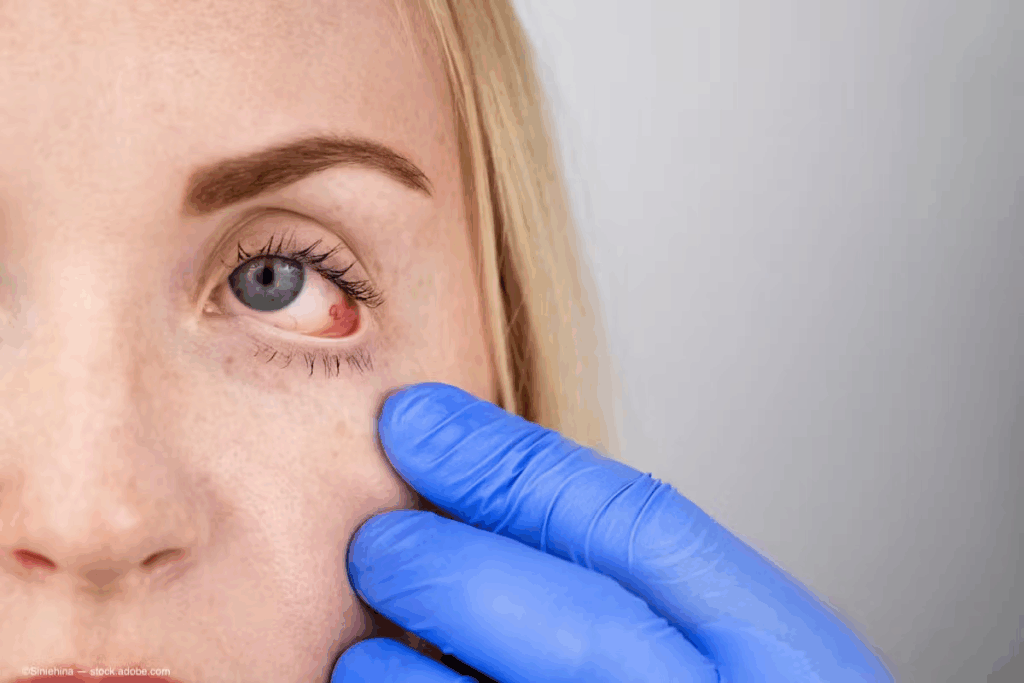
Many patients face vision challenges after a stroke. Double vision or diplopia is a big concern. It affects daily life and quality of life. Discover the best doublevision after stroke treatment. This complete guide covers prism glasses, eye patches, and vision therapy.
At Liv Hospital, we know stroke recovery needs special care. Vision rehabilitation is key, but often overlooked.
Research shows over 66 percent of strokes cause vision loss. About one-third of survivors face vision changes that impact their daily lives.
The good news is double vision after a stroke doesn’t have to last forever. With the right care and treatment, many can get better.
Key Takeaways
- Double vision, or diplopia, is a common issue after a stroke.
- It affects over a third of stroke survivors, impacting daily activities.
- Proper evaluation is key to figuring out the cause.
- Evidence-based treatment can greatly improve or fix diplopia.
- Rehabilitation is a vital part of stroke recovery.
Understanding Double Vision After Stroke
Stroke survivors often face double vision, known as diplopia. This condition makes it hard for the brain to merge images from each eye. As a result, people see two images of one object. This can really affect their daily life and independence.
What is Diplopia?
Diplopia, or double vision, happens when the brain can’t mix images from each eye. This can be due to eye muscle problems or brain issues. After a stroke, diplopia often comes from brain damage that affects eye movement.
Prevalence Among Stroke Survivors
Double vision is common among stroke survivors. The Stroke Foundation says a stroke in the brain stem can mess with eye control. Studies show many stroke patients have visual problems, including diplopia.
Knowing why diplopia happens in stroke survivors is key to finding good treatments. We’ll look at what causes double vision after a stroke and the treatments available next.
How Stroke Affects Vision
Strokes can have a big impact on vision. This is because they can damage different parts of the brain. The brain areas that handle vision are among those at risk.
Brain Areas Responsible for Vision
The brain’s visual pathway includes several key areas. The occipital lobe is at the back and plays a big role in vision. Damage here can cause vision loss or blurry vision.
The parietal and temporal lobes also help with vision. The parietal lobe is about spatial awareness, and the temporal lobe helps with recognizing objects and faces. A stroke in these areas can lead to vision problems.
Mechanisms of Visual Disturbance
Visual problems after a stroke can happen in many ways. The severity and type of vision loss depend on the brain damage. For example, a stroke in the brainstem can cause double vision.
Damage to the visual pathway can also lead to hemianopia. This is when half of the visual field is lost. It can make everyday tasks like reading and navigating hard. Knowing how these problems happen helps doctors find better treatments.
Studies show that many stroke survivors face vision problems. The exact effect depends on the stroke’s severity, location, and how quickly medical help is given.
Types of Visual Problems Following Stroke
After a stroke, people may face many visual challenges. These can range from simple double vision to complex issues with how they see things. It’s important to get the right care for these problems.
Double Vision (Diplopia)
Double vision, or diplopia, is a big problem after a stroke. It happens when the brain can’t mix the images from each eye. This makes it seem like there are two images of one thing.
Diplopia can make everyday tasks hard. It can mess up reading, driving, and even walking. Knowing why someone has double vision is key to fixing it.
Other Common Visual Disturbances
Stroke survivors also face other visual issues. These include:
- Visual field loss: This is when part or all of what you see is gone, affecting one or both eyes.
- Blurred vision: Damage to the brain’s visual paths can cause blurry vision.
- Blind spots: Some people get spots where they can’t see.
- Difficulty with eye movements: Problems with eye control can make it hard to follow things or change where you look.
These problems can be different for everyone. They can affect how well you can live your life. Getting the right help and treatment is very important.
Some people’s vision gets better on its own in the first few months after a stroke. Others need ongoing help. Knowing about these visual problems is key to helping them.
Recognizing Double Vision Symptoms
It’s key to spot double vision signs after a stroke quickly. Double vision, or diplopia, can really mess up daily life. It makes simple tasks hard.
Common Signs and Symptoms
The signs of double vision after a stroke vary. But, some common ones are:
- Seeing two images of a single object
- Difficulty with reading or other daily activities that require clear vision
- Challenges with walking or balance due to distorted visual cues
These symptoms can be constant or come and go. They might be worse when looking in certain directions.
When to Seek Medical Attention
If you or a loved one has double vision after a stroke, get medical help fast. Early diagnosis and treatment can greatly improve outcomes. We suggest talking to a doctor if you see any of these:
- Sudden onset of double vision
- Double vision that persists or gets worse over time
- Difficulty with daily activities due to visual disturbances
Quick medical check-ups can find the cause of double vision and guide the right treatment.
By knowing the symptoms of double vision and when to get help, stroke survivors can start their recovery. They can work towards getting their independence back.
Impact on Daily Life and Quality of Life
Stroke survivors with double vision face big challenges in their daily lives. This condition can make simple tasks hard. It affects their vision and overall quality of life.
Double vision makes everyday tasks tough. Reading, cooking, or even walking can be hard. This is because of the confusion and disorientation it causes.
Functional Limitations
Double vision limits what patients can do. They may struggle with:
- Doing daily tasks that need clear vision
- Keeping their balance and coordination
- Going to social events because of the discomfort or shame
This can make them less independent. They might need help with daily tasks and care.
Safety Concerns
Double vision also raises safety issues. The risk of falls and accidents goes up. Simple things like going up stairs or crossing the street become dangerous.
Trying to see around double vision can cause eye fatigue and headaches. This makes things even harder for the patient.
Healthcare providers need to understand these impacts. They must create effective rehab plans. These plans should help with both the visual issues and the patient’s overall well-being.
Does Double Vision After a Stroke Go Away?
How long double vision lasts after a stroke varies a lot. Some people might see their vision get better on its own. But others might keep seeing double. Knowing what affects recovery helps set realistic goals and plan for therapy.
Spontaneous Recovery Patterns
Most people see their vision improve in the first few months after a stroke. The Stroke Foundation says vision usually gets better during this time. Starting treatment early can really help how much you recover.
Factors Affecting Vision Recovery
Many things can change how well vision recovers after a stroke. These include:
- The severity of the stroke: More severe strokes can cause bigger vision problems.
- The area of the brain affected: Strokes in certain brain areas can lead to worse vision issues.
- The timeliness and quality of medical care: Getting the right care quickly can make a big difference.
These factors can greatly affect how well someone recovers.
Timeline for Improvement
How long it takes for vision to get better varies. Some people see changes in weeks, while others take months. It’s key for stroke survivors to keep in touch with their doctors to track progress and adjust plans as needed. Therapy, like vision therapy, can help a lot with recovery.
Knowing about recovery chances and what affects it helps families and survivors deal with therapy better. With the right treatments and therapies, people can get their vision back as much as possible.
Double Vision After Stroke Treatment Options
Dealing with double vision after a stroke needs a mix of treatments. We know that getting better from a stroke is more than just healing. It’s about getting back to a good life, including fixing vision problems like double vision.
Medical Interventions
Medical treatments are key in fixing double vision after a stroke. Prism lenses are a big help. They make sure both eyes see the same thing, cutting down on double vision. You can wear these lenses in glasses or try them out first.
Botulinum toxin injections in the eye muscles are another option. They relax the muscles and help the eyes line up better. This is a short-term fix but can help some people.
Vision Therapy Approaches
Vision therapy is a big part of getting better for those with double vision after a stroke. It includes exercises and techniques to improve how the eyes work together. Eye exercises help the eyes focus better, making double vision less of a problem.
Occlusion or patching is another way to help. It means covering one eye to make the other one work harder. This can be really helpful at first.
Adaptive Techniques
There are also ways to adapt to double vision. Using a ruler or marker to help with reading can make a big difference. Changing the lighting or using contrasting colors can also help manage vision problems.
We suggest that people with stroke work with their doctors to make a plan just for them. By using medical treatments, vision therapy, and adaptive techniques, many can get better and live more independently.
- Prism lenses can help correct double vision by aligning images.
- Vision therapy, including eye exercises and occlusion, can improve eye coordination.
- Adaptive techniques, such as using visual aids, can help manage daily activities.
Assistive Devices and Visual Aids
For those with double vision after a stroke, assistive devices and visual aids can change everything. They help manage diplopia, making life better and aiding in recovery. Let’s look at some tools that can really help.
Prism Lenses
Prism lenses are great for those with double vision after a stroke. They adjust the image each eye sees, aligning them and reducing double vision. Experts say prism lenses can join images, helping to correct double vision.
Expert Opinion
Prism lenses can be tailored to fit each patient’s needs. This makes them a flexible treatment option.
Occlusion and Patching
Occlusion and patching are also used to manage double vision. This method involves covering one eye to block out conflicting images. You can use eye patches or glasses with one lens covered.
This method might not be permanent, but it’s helpful in the short term. It helps people move around safely in their daily lives.
Specialized Visual Aids
There are also specialized visual aids for stroke survivors. These include large print books, devices with adjustable text, and other adaptive tech. These aids can greatly improve life for those with visual issues after a stroke.
Assistive Device | Description | Benefit |
Prism Lenses | Adjusts the image seen by each eye to align images | Reduces diplopia |
Occlusion and Patching | Covers one eye to eliminate conflicting images | Effective short-term solution |
Specialized Visual Aids | Includes large print books and adaptive technologies | Improves quality of life |
Conclusion
Double vision after a stroke is a big problem for many survivors. It’s important to know why it happens, what symptoms to look for, and how to treat it. Getting medical help and starting rehabilitation early is key to managing vision issues after a stroke.
We’ve talked about how double vision affects daily life and the chances of getting better. Treatments like vision therapy for stroke can help. With the right care and therapy, people can live better lives despite their vision problems.
Recovering vision after a stroke is achievable with the right plan. Those dealing with double vision can get better with a detailed treatment plan. This plan can help them regain their vision or learn to live with it.
FAQ
Does double vision after a stroke always go away?
Double vision after a stroke can vary. Some people might see it go away on its own. Others might not. The stroke’s severity, the brain area hit, and medical care quality all play a part.
What is diplopia, and how is it related to stroke?
Diplopia, or double vision, is when you see two images of one thing. It’s common in stroke survivors. This happens when a stroke messes with eye muscle control or eye coordination.
How does a stroke affect vision?
A stroke can mess with vision in different ways. It depends on the brain area affected. The parts of the brain for vision, like the occipital lobe, are key. Damage here can cause visual problems.
What are the common signs and symptoms of double vision after a stroke?
Signs include seeing double images and trouble with reading or daily tasks. It can also affect balance and coordination. Spotting these symptoms is key to getting the right care.
How does double vision after a stroke impact daily life?
Double vision can make everyday tasks hard. It can also increase the risk of falls or accidents. It’s a big challenge for daily life.
What treatment options are available for managing double vision after a stroke?
Treatments include medical help like prism lenses. There’s also vision therapy with eye exercises and using tools for reading. Adaptive techniques, like using rulers, can also help.
How can prism lenses help with double vision?
Prism lenses can join images together. This helps people see one image instead of two.
What are some specialized visual aids that can help individuals with double vision?
Special aids like large print books or devices with adjustable text can help. They make reading easier for those with vision issues.
Is vision loss from a stroke permanent?
Vision loss from a stroke can be permanent or not. It depends on the stroke’s severity and the brain area affected. Some people might recover on their own, while others won’t.
How long do vision problems last after a stroke?
Vision problems after a stroke can last different lengths of time. Knowing how long they might last helps with planning and managing expectations.
References
National Center for Biotechnology Information. Evidence-Based Medical Guidance. Retrieved from https://pubmed.ncbi.nlm.nih.gov/23190292/