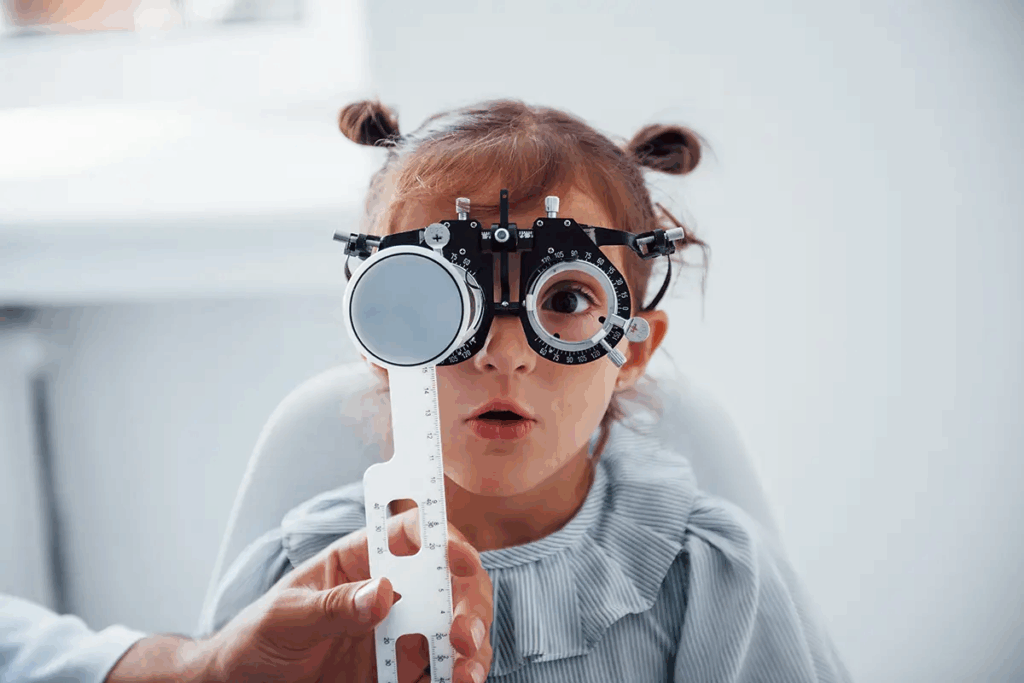
When kids see double vision, it worries parents a lot. Double vision, or diplopia, happens when the eyes don’t line up right. This sends two images to the brain instead of one clear picture. It makes everyday tasks hard for kids, like reading or walking. What causes double vision in kids? This essential 5-step guide covers the causes, symptoms, and critical treatment options.
At Liv Hospital, we get how worried parents are. Our team offers caring, science-backed help to find and fix the cause of diplopia. We’ll show you the 5 key steps to fix double vision in kids. This will help your child see clearly again and feel confident.
Key Takeaways
- Understanding the causes of double vision in children is key to treating it.
- Diplopia can be fixed with the right medical care and support.
- Acting fast is important to help a child see clearly and feel confident again.
- Our care tackles both the symptoms and the root causes of diplopia.
- Liv Hospital promises top-notch healthcare and support to international patients.
Understanding Double Vision in Kids
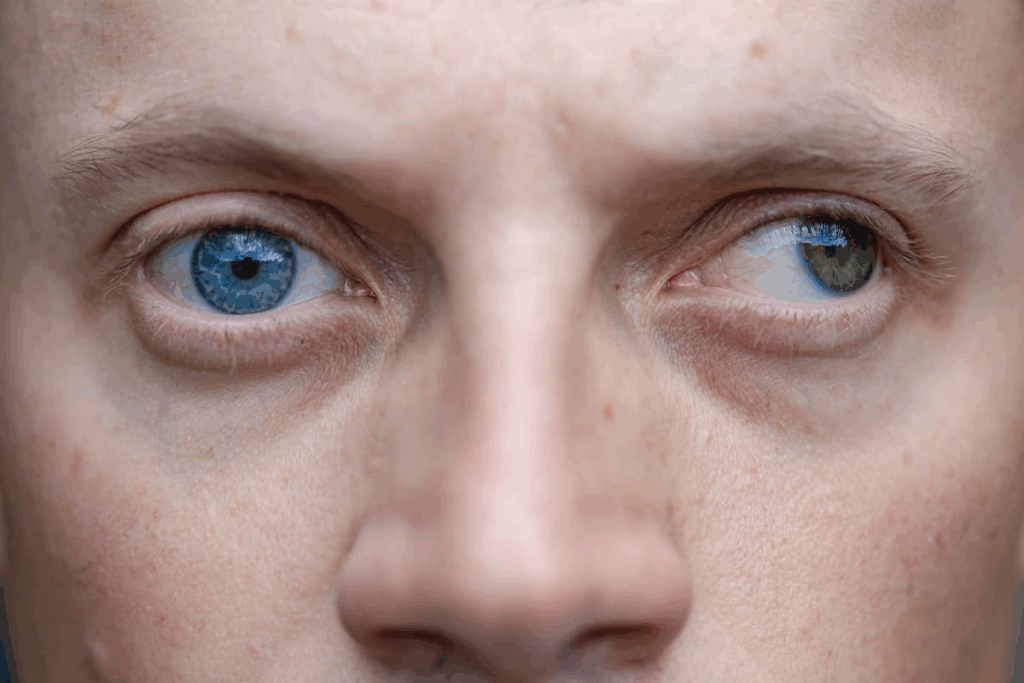
Diplopia, or double vision, is a visual problem that can really affect a child’s day. It happens when the eyes don’t work together right. This makes a child see two images of the same thing.
What is Diplopia?
Diplopia means seeing double images. It can be caused by many things. These include muscle imbalance, nerve problems, or conditions like strabismus (eye turn).
Statistics and Prevalence
Every year, nearly one million Americans get help for double vision. Strabismus is the top reason in kids. This shows why we need to treat double vision early to avoid vision problems later.
How Children Experience Visual Disturbances
Children with double vision might struggle in school and fun activities. They could find it hard to read, watch TV, or play games. This can really hurt their school work and happiness.
Common Causes of Pediatric Diplopia
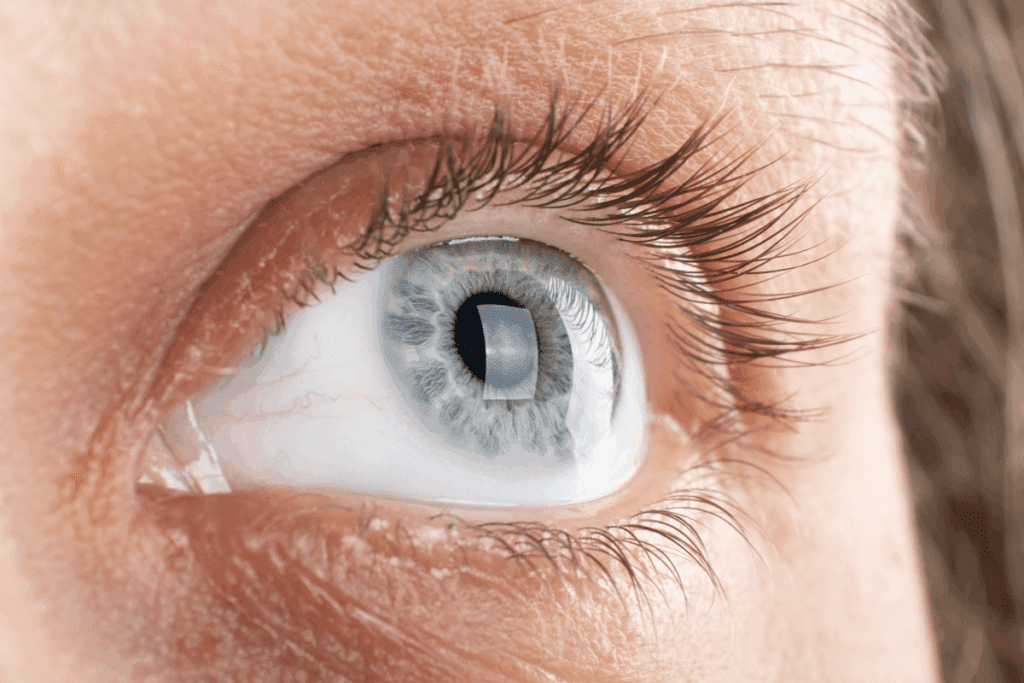
Double vision in kids, known as diplopia, can come from many things that affect their eyes. It’s important for parents and caregivers to know these causes. This helps them support their kids and get the right medical help.
Strabismus (Eye Misalignment)
Strabismus is a big reason for double vision in children. It happens when one eye looks in a different direction than the other. This makes the brain get mixed-up signals. Strabismus can cause amblyopia if not treated early.
Amblyopia (Lazy Eye)
Amblyopia, or “lazy eye,” is when one eye sees much better than the other. This makes double vision because the brain can’t mix the images. It’s very important to start treatment early to avoid lasting vision problems.
Temporary Factors
Eye strain, tired eyes, or viral infections can also cause double vision in kids. These problems are usually fixable and might get better with rest or medical help.
“The key to managing diplopia in children lies in identifying and addressing the underlying cause, whether it’s strabismus, amblyopia, or another condition.”
Expert Opinion
Underlying Medical Conditions
Sometimes, double vision is a sign of a bigger health issue like a brain problem, injury, or disease. A full check-up is needed to find and treat these problems.
Knowing why kids get double vision helps parents and doctors help them. Together, they can give the care and support kids need.
Recognizing the Signs of Double Vision in Children
Children often find it hard to tell us when they see double. It’s up to us to notice the signs. This way, we can get them the help they need quickly.
Physical Symptoms to Watch For
Looking at how your child acts can help spot double vision. Some signs include:
- Squinting or closing one eye to see clearly
- Tilting or turning the head to compensate for double vision
- Covering one eye while reading, watching TV, or engaging in other activities
- Frequent rubbing of the eyes
Seeing these behaviors means your child might be seeing double. If it happens a lot, it’s time to see an eye doctor.
Behavioral Indicators
Some behaviors can also show that a child sees double. Look out for:
- Avoiding activities that require clear vision, such as reading or drawing
- Complaints of headaches or eye strain after visual tasks
- Difficulty in concentrating or paying attention
Even if they don’t say anything, these changes can mean they’re not feeling well.
Impact on Academic Performance
Seeing double can really hurt a child’s schoolwork. Problems like:
- Difficulty in reading or maintaining focus on the board
- Struggling to complete assignments or tasks that require sustained attention
- Frequent complaints of eye strain or headaches during or after schoolwork
can be signs of double vision. Catching it early can help your child do better in school.
By watching for signs of double vision, like one eye sees double, we can help our kids’ eyes and overall health.
When to Seek Medical Help
Double vision in children can be a worrying sign. It’s important to know when to get medical help. Early action is key because kids might not tell us about their vision problems.
We’ll show you the signs that mean your child needs to see a doctor. We’ll also help you find the right eye care professional.
Emergency Warning Signs
If your child sees double after an accident or head injury, get them to the hospital right away. Other signs that need urgent care include:
- Sudden double vision
- Severe eye pain
- Headaches
- Nausea or vomiting
- Eye movement problems
- Visible eye misalignment
Quick medical help can stop long-term vision issues and serious problems.
Non-Emergency Situations Requiring Attention
If your child keeps seeing double without emergency signs, see an eye doctor. Situations needing non-emergency care include:
- Double vision that doesn’t go away or gets worse
- Eye strain or tired eyes
- Hard time with schoolwork or daily tasks because of vision issues
An eye doctor can find out why your child sees double and suggest treatment. Can double vision be fixed? Yes, often with the right treatment.
Choosing the Right Eye Care Professional
When picking an eye doctor for your child, look for their experience with kids. Seek:
- A pediatric ophthalmologist or an optometrist who knows children’s eyes
- A doctor who is good with kids and can explain things clearly
- A place that’s welcoming for kids
Finding the right doctor can seem hard, but it’s key for your child’s care. Getting help when needed and from the right person can fix double vision in kids and make their life better.
Diagnostic Process for Double Vision
When a child sees double, finding the cause is key. A detailed check is needed to find the right treatment.
Initial Eye Examination
The first step is a full eye check. The doctor will test how well the child sees and if their eyes are lined up right. They also look at the eyes’ health to find any problems.
Specialized Tests
After the first check, more tests might be needed. These could be to see how the eyes move and work together. They might also use images to check for deeper issues.
What to Expect During Diagnosis
Eye exams can make kids nervous. The doctor will explain everything in a way kids can understand. They make sure the exam is as easy as possible for the child.
Explaining the Process to Your Child
It’s good to tell your child what will happen. Explain that the doctor will do some tests to see if their eyes work well together. Tell them it’s not painful and is a big step towards feeling better.
Knowing what happens during a diagnosis helps parents support their kids. The aim is to find the cause of double vision and fix it, so the child can see better and feel better too.
Step 1: Correcting Underlying Vision Problems
Fixing vision problems is the first step to solve double vision in kids. Double vision often shows there’s a bigger issue. By fixing these problems, we can make the child’s life better.
Comprehensive Eye Examination
A detailed eye check is where it all starts. This check helps find vision issues that cause double vision. We look at many things, like how well the eyes work together and their health.
A detailed eye check includes:
- Visual acuity tests to see how sharp vision is
- Cover tests to check if the eyes are aligned
- Refraction tests to find the right lens prescription
- Looking at the eye’s inside and outside parts
Prescription Eyeglasses
Prescription eyeglasses often fix vision problems that cause double vision. The right glasses give kids clear vision. The glasses are chosen based on the eye check results.
It’s important to pick frames that fit well and match your child’s life. Some kids might like contact lenses instead, which we’ll talk about next.
Contact Lenses for Children
Contact lenses are great for active kids or those who don’t like glasses. Today’s contact lenses are safe and comfy for kids. But, it’s key that your child can take care of them properly.
Contact lenses have some good points for kids:
- They give better side vision than glasses
- No frames to get in the way during sports
- They look more natural
Addressing Refractive Errors
Refractive errors are a big reason for double vision in kids. These errors happen when the eye can’t bend light right, making things blurry. Glasses or contact lenses fix these errors, helping the eyes focus better.
Common refractive errors include:
- Myopia (nearsightedness)
- Hyperopia (farsightedness)
- Astigmatism
By fixing these vision problems, we can make your child’s vision better and reduce double vision.
Step 2: Eye Muscle Exercises and Vision Therapy
Correcting double vision requires a detailed plan. This includes vision therapy and eye exercises. Vision therapy is a special program to boost eye coordination and focus. It’s safe and helps kids with strabismus and diplopia a lot.
How Vision Therapy Works
Vision therapy has exercises made just for the child. These exercises help strengthen eye muscles and improve alignment. Kids do these exercises in a therapist’s office and at home.
“Vision therapy is not just about strengthening eye muscles; it’s about retraining the brain to process visual information more effectively.”
Medical Expert, Pediatric Ophthalmologist
Specific Exercises for Strabismus and Diplopia
Exercises for strabismus and diplopia aim to better eye alignment and coordination. Some common techniques include:
- Eye tracking exercises to improve the ability to follow objects
- Convergence exercises to enhance the ability of the eyes to work together
- Focus shifting exercises to improve the ability to switch focus between near and far objects
At-Home Reinforcement Techniques
At-home exercises are key to keeping up with vision therapy progress. Parents can help by:
- Creating a daily practice schedule
- Using simple tools like eye patches or pencil push-ups
- Encouraging activities that promote eye-hand coordination, such as puzzles or catching balls
Exercise | Description | Frequency |
Pencil Push-Ups | Hold a pencil at arm’s length and slowly bring it towards the nose, focusing on the tip | 10 minutes, 3 times a day |
Eye Tracking | Follow a moving object with the eyes without moving the head | 5 minutes, 2 times a day |
Monitoring Progress
Regular check-ups with the vision therapist are key to track progress. We also ask parents to log their child’s at-home practice. This helps us see any changes or concerns.
By mixing in-office vision therapy with at-home practice, we can greatly improve eye alignment and coordination in kids with strabismus and diplopia. This all-around approach helps our young patients get the best results.
Step 3: Medical Interventions for Diplopia
Medical treatments help kids with double vision. When eye exercises and vision therapy don’t work, doctors step in. They aim to fix the cause of the double vision.
Eye Patching for Amblyopia
Eye patching treats amblyopia, or lazy eye, which can cause double vision. It covers the stronger eye, making the weaker one work harder. This method works best when started early, as kids’ eyes are more flexible then.
Prism Glasses
Prism glasses treat diplopia too. They have special lenses that align images for both eyes. The prisms bend light before it hits the eye, helping the brain see things clearly.
“Prism glasses can significantly improve the quality of life for children with diplopia by reducing the frequency and severity of double vision episodes.”
Medication Options
Medicine might be needed for some causes of double vision. For example, if a child’s double vision comes from a brain issue, certain drugs can help. It’s key to stick to the treatment plan and watch how the child reacts.
Botox Injections for Muscle Imbalance
Botox can fix muscle problems that cause double vision. It relaxes eye muscles, helping them line up right. This treatment is considered when other options don’t work.
These treatments can greatly help or even cure double vision in kids. It’s vital to work with an eye doctor to find the right treatment.
Step 4: Surgical Correction Options
When other treatments don’t work, strabismus surgery can fix double vision. This surgery aims to align the eyes, improving vision and reducing double images.
When Surgery is Recommended
Surgery is considered when non-surgical treatments don’t work. We look at surgery for kids with big eye misalignment that affects their vision and life quality.
- Significant Strabismus: When strabismus is too big for vision therapy or other non-surgical methods.
- Persistent Diplopia: When double vision stays after other treatments, surgery is needed to align the eyes.
- Impact on Quality of Life: When the condition really affects the child’s daily life, social interactions, or school.
Types of Strabismus Surgery
There are many types of strabismus surgery, each for different needs.
- Recession Surgery: This moves the insertion point of one or more eye muscles back to weaken their effect.
- Resection Surgery: This shortens a muscle to make its effect stronger.
- Adjustable Suture Surgery: Allows for adjustments during recovery to fine-tune the alignment.
Recovery and Post-Surgical Care
Post-surgical care is key for the best recovery and results. We guide parents on caring for their child after surgery. This includes managing pain, giving medications, and watching for complications.
- Pain Management: Use pain relief medicine as directed.
- Follow-up Appointments: Go to scheduled visits to check on healing and adjust treatments if needed.
- Activity Restrictions: Avoid hard activities or rubbing the eyes.
Success Rates and Expectations
Strabismus surgery often works well, with many kids seeing big improvements in eye alignment and less double vision. But success can depend on how bad the strabismus is and other factors.
Success Factors:
- The severity of the strabismus
- The presence of other eye conditions
- The patient’s overall health
Knowing about surgical options and what to expect during recovery helps parents make good choices for their child’s care.
Step 5: Long-term Management and Follow-up Care
Long-term management and follow-up care are key to treating double vision in kids. As kids grow, their vision needs change. So, it’s important to keep an eye on their vision.
Ongoing Vision Monitoring
Regular eye exams are vital to check the child’s vision and adjust treatments if needed. We suggest follow-up appointments every six to twelve months. This depends on the child’s condition and age.
Ongoing vision monitoring helps catch any vision changes early. This way, we can make timely adjustments to the treatment. It keeps the child’s vision stable and addresses any issues quickly.
Adjusting Treatment as Children Grow
As kids grow, their eyes and vision change. Regular checks let us adjust the treatment plan. This ensures the child gets the best care as they grow.
School Accommodations
Children with double vision might need special help in school. We work with parents and teachers to find the right adjustments. This could be preferential seating or assistive technology to help them learn better.
Accommodation | Description | Benefit |
Preferential Seating | Seating the child near the teacher or board | Reduces visual strain by minimizing the need to look far |
Assistive Technology | Using digital tools to aid in learning | Enhances learning by providing alternative ways to engage with material |
Extra Time for Assignments | Allowing more time to complete tasks | Reduces stress and allows the child to complete work without feeling rushed |
Supporting Your Child’s Emotional Wellbeing
Double vision can be tough for kids, affecting their self-esteem and emotional wellbeing. It’s important for parents to talk openly with their child. Offer support and reassurance when needed.
Emotional support is key in helping kids deal with double vision. By creating a supportive environment, we help them build resilience and confidence.
Conclusion
Double vision in kids doesn’t have to last forever. Early detection and treatment are key. We’ve shown how to tackle diplopia, from finding causes to fixing problems.
To fix double vision in kids, we need a few steps. First, we fix vision issues. Then, we do eye muscle exercises. Sometimes, we need medical help or surgery. Long-term care is also important.
So, can we fix diplopia? Yes, we can, with the right care. We’re here to help families dealing with double vision in kids.
With the help of eye care experts and new treatments, kids can beat double vision. Our aim is to give top-notch care and support to patients from around the world.
FAQ
What is double vision in children, and how does it affect them?
Double vision, or diplopia, means a child sees two images of one thing. It can happen for many reasons, like strabismus or amblyopia. It can really affect their schoolwork and how they feel.
What are the common causes of double vision in kids?
Kids might see double for many reasons. Strabismus and amblyopia are common causes. Eye strain, cataracts, and some diseases can also cause it.
How can I recognize the signs of double vision in my child?
Look for signs like squinting or tilting their head. They might also cover one eye. If they struggle with reading or say they see double, it’s a sign too.
When should I seek medical help for my child’s double vision?
Get help right away if your child’s double vision is sudden or very painful. For ongoing issues, make an eye doctor’s appointment.
What can I expect during the diagnostic process for double vision?
First, there’s a full eye check. Then, more tests to find the cause. Your child might do vision tests and eye alignment checks.
Can double vision be corrected, and what are the treatment options?
Yes, double vision can be fixed. Treatment might include glasses, vision therapy, or even surgery. It depends on the cause.
What is vision therapy, and how can it help my child?
Vision therapy is a treatment with exercises. It helps improve eye movement and coordination. It’s good for kids with strabismus or other vision problems.
Are there any long-term management strategies for children with double vision?
Yes, there are. Keep an eye on their vision, adjust treatments as needed, and make school changes. Emotional support is also key.
Can strabismus surgery correct double vision in children?
Strabismus surgery can fix double vision caused by eye misalignment. It aims to align the eyes and improve vision. It often works well.
How can I support my child’s emotional wellbeing if they have double vision?
Be understanding and reassuring. Let them know they can get better. Help them deal with school challenges. Talking openly and getting help when needed is important.
References
National Center for Biotechnology Information. Evidence-Based Medical Guidance. Retrieved from https://pubmed.ncbi.nlm.nih.gov/35355634/