
Prism correction is a special way to fix double vision, or diplopia, in eyeglasses. These lenses bend light to make sure it hits the same spot on both retinas. Learn about double vision spectacles. This essential guide explains how prism lenses correct diplopia and help you see clearly.
Living with double vision can really mess up your day. It makes simple tasks like reading, working, and driving hard. But prism glasses can change that, giving you clear vision and confidence back.
Learning how prism glasses work and how to use them can greatly improve your life. In this article, we’ll dive into the benefits of prism correction. We’ll also give you an idea of what to expect when wearing prism eyeglasses.
Key Takeaways
- Prism correction glasses are a specialized optical solution for treating double vision.
- These glasses work by bending light rays to create a single, clear image.
- Prism eyeglasses can significantly improve daily life for individuals with diplopia.
- Understanding how to use prism glasses effectively is key for the best results.
- Prism lenses offer a life-changing solution for those with vision misalignment.
Understanding Double Vision and Its Causes

Double vision, or diplopia, is when you see two images of one thing. Knowing why it happens is key to fixing it. It can make simple tasks hard.
Diplopia comes in two main types: monocular and binocular. Knowing which you have helps find the right treatment.
Types of Diplopia: Monocular vs. Binocular
Monocular diplopia is when you see double with one eye open. It’s often due to eye problems like cataracts or astigmatism. Binocular diplopia, on the other hand, happens with both eyes open. It’s usually because the eyes aren’t lined up right, possibly due to muscle or nerve issues.
Type of Diplopia | Description | Common Causes |
Monocular Diplopia | Double vision with one eye open | Cataracts, astigmatism, retinal issues |
Binocular Diplopia | Double vision with both eyes open | Eye misalignment, eye muscle problems, nerve issues |
Common Causes of Double Vision
Double vision can stem from many things, big and small. Eye misalignment, nerve problems, diabetes, and injuries are common causes. Neurological issues like multiple sclerosis can also cause it.
A medical expert says,
“Understanding the cause of double vision is key to the right treatment. This could be glasses, vision therapy, or other options.”
When to Seek Medical Attention
If you have sudden or lasting double vision, see a doctor. Also, if you have headaches, eye pain, or trouble speaking. Early treatment can help a lot.
If you see double, see an eye doctor first. They can help figure out why and what to do next, like getting prism correction glasses.
What Are Prism Glasses and How Do They Work?
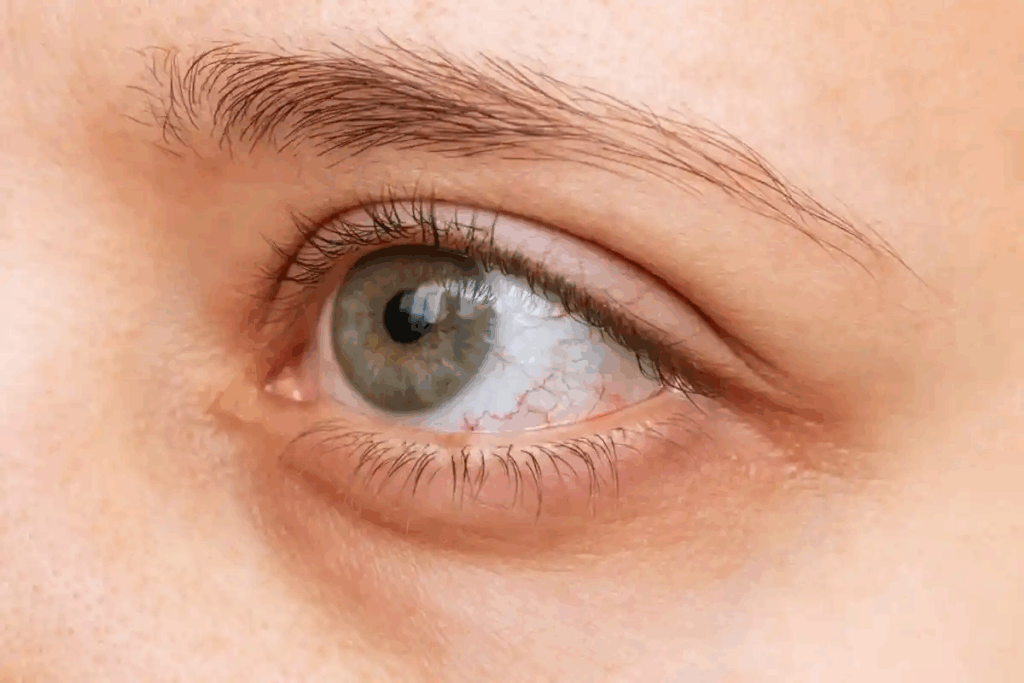
Prism glasses help people with double vision. They use specialized prism lenses that are shaped like wedges or triangles. These lenses don’t correct for nearsightedness or farsightedness.
Prism lenses bend light before it hits the eye. This makes sure the brain sees one clear image. This fixes double vision.
The Science Behind Prism Correction
Prism correction works by changing light’s path. This fixes the eye misalignment that causes double vision. The base direction is key for fixing double vision.
- The base direction shows where the prism lens’s thickest edge is.
- This direction is important for correct light redirection.
- Prism diopters measure the lens’s power.
How Prisms Redirect Light to Correct Vision
Prism lenses bend light towards the base. This makes the light hit the right spot on the retina. This aligns the images from both eyes.
Prism glasses work well if the prism lenses are correctly prescribed. The right prism diopter and base direction are needed.
Components of Prism Lenses: Base and Apex
Prism lenses have a base and an apex. The base is the thickest part, and the apex is the thinnest.
Component | Description |
Base | The thickest part of the prism lens, indicating the direction of the prism. |
Apex | The thinnest part of the prism lens, opposite to the base. |
Knowing about the base and apex is key for prism glasses. Eye care experts use this knowledge to fix double vision.
Choosing the Right Double Vision Spectacles
Getting the right double vision correction starts with picking the right prism lenses and frames. Prism glasses come in many options, but knowing what you need is key.
Different Types of Prism Lenses
There are mainly two types of prism lenses for double vision correction: Fresnel and ground-in. Fresnel prism lenses have prismatic rings on the lens surface. They are light and affordable. Ground-in prism lenses have the correction ground into the lens. They look better and correct better.
- Fresnel prism lenses are great for temporary or trial corrections.
- Ground-in prism lenses are better for long-term use because they are more precise.
Frame Selection Considerations
Choosing the right frame is as important as picking the right lenses. The frame should be strong, comfy, and fit your lifestyle. Think about:
- The weight and thickness of the lenses.
- Your personal style and preferences.
- How adjustable the frame is for different nose shapes and sizes.
It’s important to talk to your eye care professional to find a frame that works with your lenses and meets your needs.
Lens Material Options for Prism Correction
The material of your prism lenses affects how comfortable and effective they are. Common materials include:
- Polycarbonate lenses: Light and strong, perfect for those who are active.
- Trivex lenses: Thin, light, and clear, great for everyday wear.
- High-index lenses: Thinner and lighter than regular plastic lenses, good for stronger prescriptions.
Each material has its own benefits. The best one for you depends on your needs, prescription, and what you like.
The Prism Prescription Process
Getting clear vision with prism glasses starts with a precise prescription process. It’s key for fixing double vision.
Understanding Prism Diopters and Measurements
Prism diopters measure the power of prism lenses. Unlike regular lenses, prism lenses redirect light to align images. The right prism diopter is essential for correction.
Prism diopter measurement checks eye misalignment and finds the right prism power. This is done during a detailed eye exam.
“Accurate measurement of prism diopters is fundamental to prescribing effective prism glasses for double vision correction.”
Medical Expert, Ophthalmologist
The Prism Eye Test Procedure
The prism eye test measures eye misalignment and finds the right prism correction. Patients wear a prism lens in one eye while looking at a target.
- The test starts with checking for eye misalignment.
- Prism lenses of different powers are used to find the needed correction.
- The patient’s feedback helps find the best prism power and direction.
Interpreting Your Prism Eyeglass Prescription
A prism eyeglass prescription has important elements. These include prism power, base direction, and other corrections like sphere, cylinder, and axis.
Prescription Element | Description |
Prism Power | Measured in prism diopters, showing the prism correction needed. |
Base Direction | Tells the prism base direction, important for correct alignment. |
Sphere, Cylinder, Axis | Additional corrections for nearsightedness, farsightedness, astigmatism, and their orientation. |
Understanding your prism eyeglass prescription is vital. It helps achieve the desired correction and improves your vision.
Getting Fitted for Your First Pair of Prism Glasses
Getting your first pair of prism glasses needs teamwork with an eye care professional. This teamwork makes sure your glasses fit just right. They help fix double vision issues.
Working with Your Eye Care Professional
Your eye care professional is key in fitting your glasses. They check your vision and find the right prism correction for you. This includes a detailed eye exam and tests to measure the prism needed.
Key aspects of working with your eye care professional include:
- Detailed eye examination
- Measurement of prism correction needed
- Discussion of your lifestyle and visual needs
- Selection of appropriate frame and lens materials
What to Expect During Fitting
During fitting, your eye care professional makes sure your glasses are just right. You might try different frames and lenses to find the best fit.
The fitting process typically involves:
- Frame selection and adjustment
- Lens alignment and verification
- Testing your vision with the new prism glasses
- Making any necessary adjustments
Adjustments and Fine-Tuning
You might need to come back for adjustments after getting your glasses. This is normal as it takes time to get used to the new correction.
The following table outlines the common adjustments that may be needed:
Adjustment Type | Description | Typical Timeline |
Frame Alignment | Ensuring the frames sit properly on your face | Initial fitting |
Lens Alignment | Verifying that the prism correction is correctly positioned | Initial fitting and follow-up |
Vision Adaptation | Adjusting to the new prism correction | Several weeks |
By working closely with your eye care professional and being patient, you can get the most out of your prism glasses.
Daily Life with Prism Correction Glasses
Getting used to prism correction glasses can be a big change. But, with the right help, you can feel confident every day. Prism glasses change how you see depth and need some getting used to. Things like driving might need extra care.
Adapting to Your New Vision
When you first wear prism correction glasses, your vision might feel different. This is okay, and it might take time to adjust. Always follow your eye care professional’s advice on how to wear and adjust your glasses.
Here are some tips to help you adjust:
- Start by wearing your glasses for a little longer each day
- Practice moving around in your home or office while wearing them
- Give yourself time to get used to seeing things differently
Activities That May Require Special Consideration
Prism correction glasses can help with double vision, but some activities need extra care. For example, things that need depth perception, like sports or climbing stairs, might be trickier with prism glasses.
Here are some activities that might need extra thought:
Activity | Considerations |
Driving | Be careful judging distances and stay aware of your surroundings |
Sports | Choose sports that don’t rely as much on depth perception, like swimming or cycling |
Cooking | Be careful with hot objects or sharp knives |
Driving and Navigation with Prism Glasses
Driving with prism correction glasses needs some adjustments. It’s important to stay alert and judge distances well. You might need to slow down or leave more space between you and other cars.
Here are some tips for safe driving with prism glasses:
- Practice driving in a safe, empty area to get used to the new vision
- Be careful when changing lanes or merging with traffic
- Use your mirrors and check your blind spots often
Conditions Treated with Prism Spectacles
Prism spectacles are a versatile solution for many vision problems. They can help with double vision caused by different conditions. These glasses can greatly improve life for those with specific eye disorders.
Strabismus (Eye Misalignment)
Strabismus, or crossed eyes, is when the eyes point in different directions. Prism lenses can fix this by aligning the images seen by both eyes. This reduces eye strain and improves how the eyes work together.
Key benefits of prism spectacles for strabismus:
- Improved eye alignment
- Reduced eye strain
- Enhanced binocular vision
Amblyopia (Lazy Eye)
Amblyopia, or lazy eye, makes one eye see poorly due to early development issues. Prism lenses are not the main treatment but can help with related vision problems when used with other therapies.
Convergence Insufficiency
Convergence insufficiency makes it hard for the eyes to work together, mainly with near objects. Prism lenses help by making it easier for the eyes to converge. This reduces headaches and eye fatigue.
Post-Surgical and Neurological Double Vision
Double vision can happen after eye surgery or due to conditions like stroke. Prism spectacles can manage this by aligning the images seen by both eyes. This improves vision overall.
Benefits of prism spectacles for post-surgical and neurological double vision:
- Improved alignment of images
- Reduced double vision
- Enhanced overall vision and quality of life
Knowing how prism spectacles treat various conditions helps people get the right care. This can greatly improve their vision and overall well-being.
Maintaining and Caring for Your Prism Eyeglasses
Looking after your prism eyeglasses is more than just a quick wipe. It’s about a detailed care routine. This care can make your glasses last longer and keep your vision sharp. We’ll show you how to keep your prism glasses in perfect shape.
Proper Cleaning Techniques for Prism Lenses
It’s key to clean your prism lenses right to keep them working well. First, rinse your glasses with warm water to get rid of dirt. Next, use a bit of mild dish soap or a special eyeglass cleaner on your fingers. Gently rub the lenses on both sides.
Then, rinse off the soap with warm water. Dry your glasses with a microfiber cloth to avoid streaks and spots. Don’t use paper towels or harsh cleaners, as they can scratch the lenses. For stubborn stains, a lens cleaning solution and a microfiber cloth can help. Regular cleaning keeps your glasses looking great and your vision clear.
Storage and Handling Best Practices
When you’re not wearing your prism eyeglasses, store them safely. Use a hard-case storage container made for eyeglasses. This protects them from drops and impacts. Also, keep them away from extreme temperatures and don’t leave them face down to prevent scratches.
Be gentle when handling your prism eyeglasses. Always use both hands and avoid touching the lenses to prevent smudges. If you need to adjust them, do it carefully to avoid misaligning the prism lenses.
When to Schedule Maintenance and Adjustments
Regular visits to your eye care professional are important. They ensure your prism eyeglasses are working right. If you notice vision changes, discomfort, or if the frames are loose, schedule a visit. Your eye care professional can adjust the frames or lenses as needed.
It’s also wise to have your prism eyeglasses checked regularly for wear or damage. This proactive step can prevent vision problems and extend your glasses’ life.
Complementary Therapies and Exercises
Complementary therapies and exercises offer a holistic approach to managing double vision. They work alongside prism correction. This approach can enhance vision correction outcomes and address underlying conditions.
Vision Therapy Options
Vision therapy is a type of physical therapy for the eyes and brain. It aims to improve skills like eye movement, focus, and coordination. It’s very helpful for those with double vision due to strabismus or convergence insufficiency.
We use various techniques and tools in vision therapy sessions. These include:
- Eye exercises to improve eye movement and coordination
- Prism lenses to help align images seen by each eye
- Computer-based programs to enhance visual processing
A customized vision therapy program can lead to significant improvements. Our eye care professionals will create a personalized treatment plan for each patient.
Eye Exercises to Enhance Prism Correction
Eye exercises can also enhance prism correction. These exercises aim to improve eye muscle strength, coordination, and visual function.
Recommended eye exercises include:
- Pencil push-ups to improve convergence
- Eye tracking exercises to enhance eye movement
- Focus shifting exercises to improve accommodation
It’s important to do these exercises under the guidance of an eye care professional. This ensures they are done correctly and safely.
When Additional Treatments May Be Necessary
While prism glasses and complementary therapies can improve double vision, some cases may need more. This includes surgical interventions for strabismus or neurological rehabilitation for brain injuries.
The following table summarizes additional treatments and their indications:
Treatment | Indication |
Surgical Intervention | Strabismus, severe eye misalignment |
Neurological Rehabilitation | Double vision resulting from brain injuries or stroke |
Orthoptic Therapy | Convergence insufficiency, amblyopia |
Our eye care professionals will determine the best treatment plan for each patient. This is based on their specific condition and needs.
Conclusion: Embracing Life Beyond Double Vision
Prism glasses can change lives for those with double vision. They redirect light to fix vision problems. This can greatly improve life quality.
With the right prism glasses and care, you can adjust to your new vision. Enjoying a normal life is possible. We’re here to support you on this journey.
Stay committed to your treatment plan as you work on vision correction. Regular visits to your eye care professional are key. They help make sure your prism glasses work best.
Embracing prism glasses can lead to a life free from double vision’s challenges. With the right care and support, you can see a big improvement in your life.
FAQ
What is prism correction in glasses?
Prism correction in glasses helps fix double vision. It makes sure the brain gets one clear image. This is done by redirecting light to the right spot on the retina.
How do prism glasses work for double vision?
Prism glasses use special lenses. These lenses bend light to align the images from both eyes. This fixes double vision and gives a clear image to the brain.
What are prism values for glasses, and how are they measured?
Prism values are measured in prism diopters. This shows how much the lens bends light. It’s a key part of a prism eyeglass prescription.
What is a prism eye test, and why is it necessary?
A prism eye test finds the right prism for double vision. It’s key for making effective prism glasses. It helps align the images from both eyes.
How do I interpret my prism eyeglass prescription?
To understand your prescription, look at the prism diopter value and the prism base direction. Your eye doctor can explain it all to you.
Can prism glasses be used for conditions other than double vision?
Yes, prism glasses help with strabismus, amblyopia, and more. They’re also good for post-surgical and neurological double vision.
How do I care for my prism eyeglasses?
Clean your glasses right and store them in a case. Also, get regular check-ups and adjustments from your eye doctor.
Are there any activities that require special consideration when wearing prism glasses?
Yes, driving or going up stairs might need some getting used to. Always follow your eye doctor’s advice for these activities.
Can vision therapy or eye exercises enhance the effectiveness of prism correction?
Yes, vision therapy and eye exercises can help. They improve eye alignment and focus. This can make prism correction work better.
What is the difference between monocular and binocular diplopia?
Monocular diplopia is double vision in one eye. It’s usually due to that eye’s problem. Binocular diplopia is when the eyes don’t line up right.
How long does it take to adapt to prism correction glasses?
Adapting time varies. With the right guidance, most people adjust in a few days to weeks.
Reference:
National Center for Biotechnology Information. Prism Glasses: Correcting Double Vision (Diplopia). Retrieved from https://pubmed.ncbi.nlm.nih.gov/22372716/