Double vision, also known as diplopia, is a common issue that affects many people. It happens when you see two images of the same thing. This can be due to eye strain, neurological problems, or injuries.
Knowing about double vision is key because it can make everyday tasks hard. At Liv Hospital, we use international standards to help you. We focus on your needs to find and treat the cause of your vision problems.
This article will show you how to do a double vision test online. You’ll learn the steps and why it’s important to see a doctor if you have double vision.
Key Takeaways
- Understanding the causes and symptoms of double vision.
- Learning how to perform a simple online test for diplopia.
- Recognizing when to seek medical attention for visual disturbances.
- Overview of the care offered by Liv Hospital for your eyes.
- Importance of early diagnosis and treatment for underlying conditions.
Understanding Double Vision (Diplopia)

Seeing double vision, or diplopia, can be unsettling. It means seeing two images where there should be one. This can happen for many reasons, affecting the eyes or brain.
What Causes Double Vision
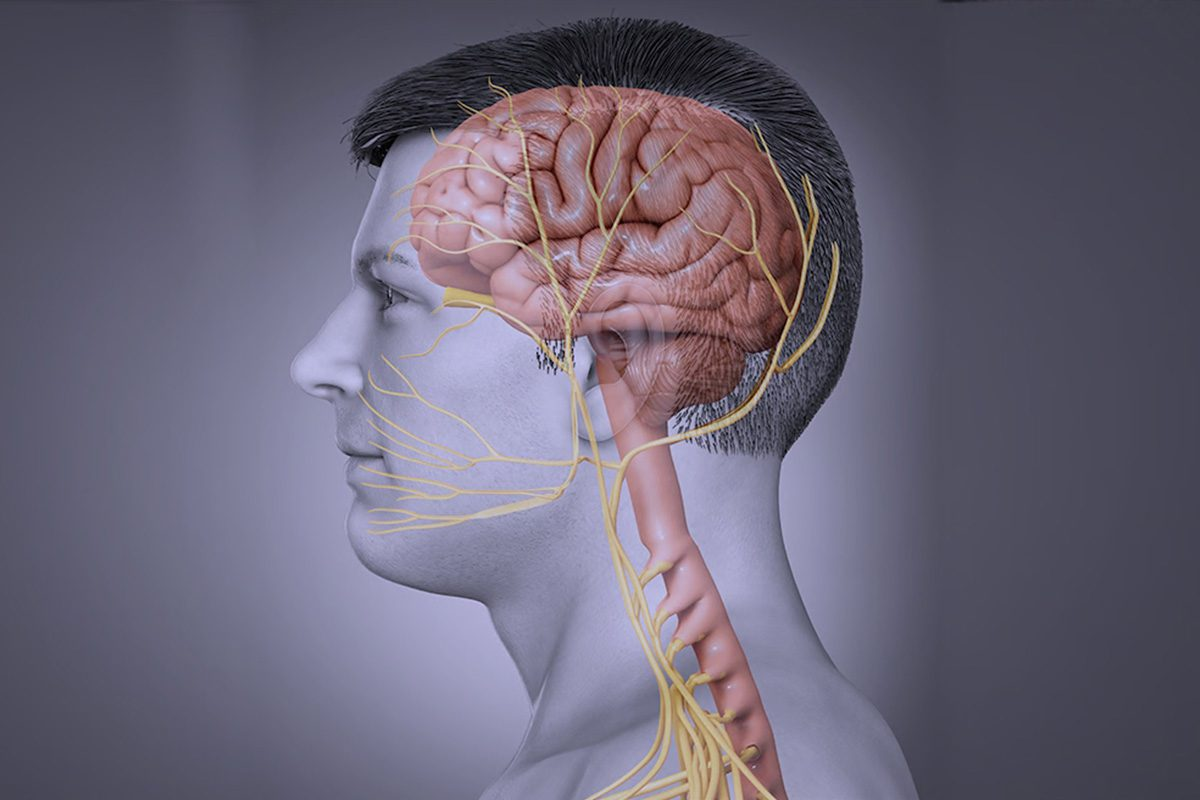
Double vision happens when the eyes can’t align properly on an object. This can be due to problems with the eye muscles, nerves, or brain. Binocular diplopia, the common type, occurs when both eyes are open but not aligned.
Binocular vs. Monocular Diplopia
Binocular diplopia is the more common type, happening in about 89 percent of cases. It’s often caused by misalignment of the eyes or strabismus. In contrast, monocular diplopia happens when double vision persists with one eye closed. It’s usually caused by problems in one eye, like cataracts or astigmatism.
Knowing if the diplopia is binocular or monocular is key to finding the cause and treatment. Binocular diplopia is much more common, often due to eye misalignment or strabismus.
When to Consider a Double Vision Test

Double vision, or diplopia, can really mess up your day. It’s important to know when to get a double vision test. Spotting the signs of double vision is key to figuring out if you need a test.
Common Symptoms of Diplopia
Diplopia shows up in different ways. You might see things blurry or double, have trouble focusing, or feel eye strain. You could also get headaches, feel dizzy, or struggle with reading or judging distances.
Some signs you might need a double vision test include:
- Frequent squinting or closing one eye to see clearly
- Difficulty with tasks that require depth perception, such as driving or climbing stairs
- Eye fatigue or strain after performing tasks that involve focusing
- Headaches or dizziness associated with visual tasks
As one expert notes,
“Early detection of diplopia is key for effective management and treatment.”
Spotting these symptoms early can stop things from getting worse.
Risk Factors and Associated Conditions
Some things can make you more likely to get diplopia. These include getting older, having a head injury, or having certain health issues like diabetes. Knowing these risk factors can help figure out who might need a double vision test.
Some health issues that might raise your risk of diplopia include:
Condition | Description | Relation to Diplopia |
Diabetes | A metabolic disorder affecting blood sugar levels | Can cause nerve damage leading to diplopia |
Thyroid Disorders | Conditions affecting the thyroid gland | Can cause eye muscle swelling and diplopia |
Multiple Sclerosis | A chronic disease affecting the central nervous system | Can damage the nerves controlling eye movements |
We stress that knowing about these risk factors and health issues can encourage people to get a double vision test. This could lead to an early diagnosis and treatment.
Types of Clinical Double Vision Tests
Diagnosing double vision needs a detailed approach. We use many tests to check eye movements and how they work together. These tests help us find the cause of double vision and choose the best treatment.
Duction Testing for Individual Eye Movements
Duction testing checks how each eye moves on its own. The patient covers one eye and follows a target with the other. This shows if there are any problems with eye movement.
This test can show muscle weakness or nerve issues. Knowing this helps us start figuring out what’s wrong and how to fix it.
Version Testing for Coordinated Eye Movements
Version testing looks at how both eyes move together. It’s key for seeing how well the eyes work together. The patient follows a target with both eyes as it moves.
This test helps us spot problems like strabismus. It shows how the eyes work together and helps find the cause of double vision.
Vergence Testing for Opposite Direction Movements
Vergence testing checks how the eyes move in opposite directions. It’s important for near vision and depth perception.
Problems with vergence can cause double vision and eye strain. This test helps us find and fix these issues.
Test Type | Description | Clinical Significance |
Duction Testing | Assesses individual eye movements | Identifies muscle weakness or nerve palsy |
Version Testing | Evaluates coordinated eye movements | Diagnoses strabismus or binocular vision issues |
Vergence Testing | Examines opposite direction eye movements | Assesses near vision and depth perception |
In conclusion, tests like duction, version, and vergence are key for diagnosing and treating double vision. By understanding these tests, we can offer the right treatments. This helps improve the lives of those with double vision.
Professional Diagnostic Tools for Diplopia
Professional diagnostic tools are key in finding and measuring diplopia. They help make treatment plans work. These tools are vital for spotting and measuring double vision. This is important for creating the right treatment plans.
The Cover Test Methodology
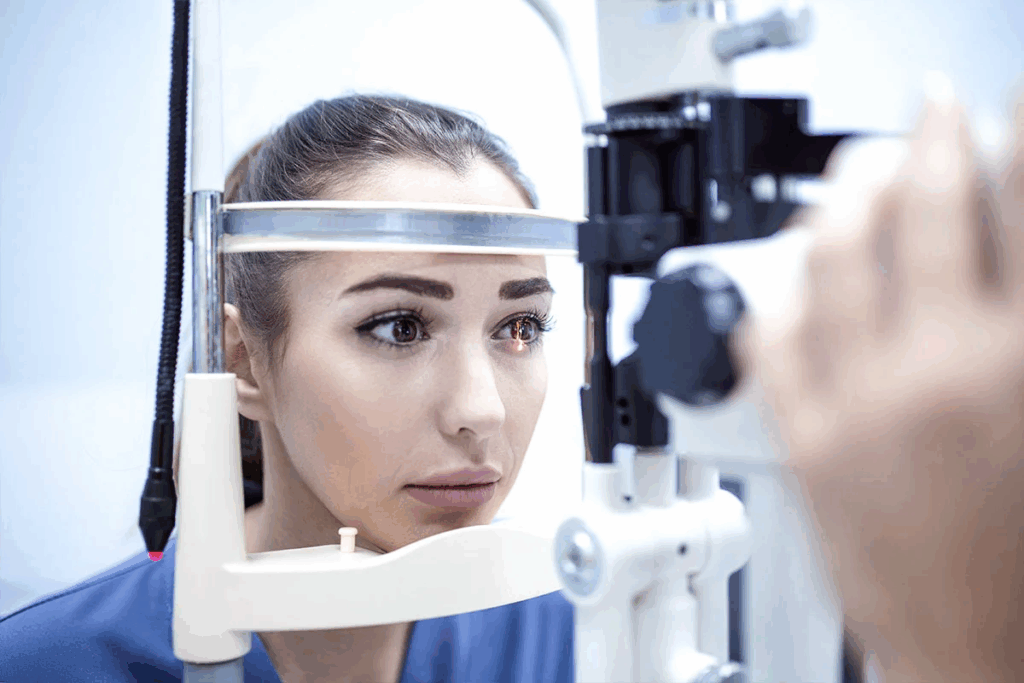
The cover test is a basic tool for finding eye misalignment. It covers and uncovers each eye to see how they move. This test finds heterotropia (manifest strabismus) and heterophoria (latent strabismus). It shows how the eyes move when the cover changes, helping find strabismus types.
Maddox Rod Test Procedure
The Maddox rod test is another important tool for measuring eye misalignment. It uses parallel cylinders to turn a light into a streak. Patients look at a light through the Maddox rod, and the streak shows the deviation type and size. It’s great for finding and measuring cyclodeviation.
Prism Measurements and Interpretation
Prism measurements help find how much deviation there is in diplopia. Clinicians use prisms to see how much correction is needed. They use prism bars or loose prisms to measure, helping find the right correction. Accurate measurements are key for the right glasses or surgery.
In summary, tools like the cover test, Maddox rod test, and prism measurements are vital for diplopia diagnosis and treatment. They help find and measure eye misalignment. This lets doctors create treatment plans that fit each patient’s needs.
Online Double Vision Test Options and Limitations
Now, you can take a double vision test online thanks to telehealth. But, it’s important to know the limits of these tests. An online test can spot symptoms, but a real diagnosis needs a doctor’s visit.
Online tests can show signs of double vision. Yet, seeing a doctor in person is key for a true diagnosis. We’ll look at the differences between online and in-person tests. We’ll also talk about good online platforms for first checks.
Comparing Online vs. In-Person Testing
There are big differences between online and in-person double vision tests:
- Accuracy: Doctor’s visits are more precise because they’re done in a controlled setting by experts.
- Comprehensive Assessment: Doctors can do many tests not found online, giving a deeper look at your vision.
- Immediate Feedback: You get answers right away and can ask questions during a doctor’s visit.
- Accessibility: Online tests are easier for those who can’t travel or live far from doctors.
Online tests are a good start, but they can’t replace a doctor’s check-up.
Reliable Digital Platforms for Vision Testing
Choosing the right online double vision test is key. Look for these things:
- Reputation: Pick platforms linked to well-known health groups or eye doctors.
- Technology: Make sure the site uses the latest tech and works with your devices.
- Privacy: Check that the site keeps your health info safe and follows privacy rules.
Good online platforms are those supported by eye care groups. Always check the site’s terms and how they use your data.
In summary, digital platforms for vision testing are a good first step. But, they can’t replace a doctor’s diagnosis and treatment. If you see double vision, seeing a doctor in person is very important.
How to Prepare for an Online Double Vision Test
To get accurate results from an online double vision test, you need to prepare well. We’ll show you how to get ready for the test.
Required Equipment and Technical Setup
You’ll need some basic equipment and a good setup. Make sure you have a computer or tablet with a stable internet connection. A device with a high-quality camera and screen is key for a precise test. You might also need a ruler or straight edge for some parts.
Technical requirements include a modern web browser and sometimes special plugins or apps. Check if your device meets these needs to avoid any problems during the test.
Setting Up Your Environment
It’s important to set up your environment right for the test. Choose a quiet, well-lit room with few distractions. Make sure the room is comfy and you can sit steady without moving.
Also, reduce glare on your screen and keep the lighting even. Avoid direct light sources behind or in front of your screen to get accurate results.
By following these tips, you can make sure your online double vision test goes smoothly. This will help you get reliable results.
Step-by-Step Guide to Performing a Double Vision Test Online
Learning how to do a double vision test online can spot vision problems early. With the right tools and knowledge, you can check your vision from home.
Basic Screening Tests You Can Do at Home
Basic tests are the first step to check your vision. They can find issues that need more checking. A common test is the cover test, where you cover one eye and then the other, looking for any movement in the uncovered eye.
To do this test, follow these steps:
- Cover one eye with your hand.
- Focus on an object with your uncovered eye.
- Quickly remove your hand and observe the covered eye.
- Repeat with the other eye.
Depth Perception Assessment Methods
Depth perception is key for judging distances and understanding space. Online tests can check your depth perception with different methods, like stereopsis tests.
One method uses stereoscopic vision, where the brain mixes two images to see depth.
Test Type | Description | Indications |
Stereopsis Test | Checks depth perception with stereoscopic images. | Normal depth perception means healthy binocular vision. |
Cover Test | Checks eye alignment by covering and uncovering each eye. | Abnormal eye movement may show strabismus or other problems. |
3D Vision Evaluation Techniques
Evaluating 3D vision checks how well your eyes work together. Online tools use anaglyph or stereoscopic images to test 3D vision.
These tests can find binocular vision issues. Binocular vision is key for tasks like driving or sports.
By following these steps and using online tools, you can learn a lot about your vision. You can spot problems early.
Interpreting Your Online Double Vision Test Results
After taking an online double vision test, it’s important to understand your results. They can show if you have normal vision, mild double vision, or serious vision issues. These results help you know what to do next.
Understanding Test Measurements and Terminology
Online double vision tests check how well your eyes work together. They might show numbers, graphs, or simple yes/no answers. Knowing what these mean is key to understanding your eye health.
For example, prism diopters measure how much your eyes are out of line. A high number means bigger vision problems. Knowing this can help you understand your test results better.
When to Seek Professional Help
If your test shows serious double vision or big vision issues, see an eye doctor. They can find out why you’re seeing double and suggest treatments.
Here’s a quick guide to what your test results might mean and what to do next:
Test Result Category | Description | Recommended Action |
No Issues | Normal binocular vision; no significant deviation detected. | Continue with regular eye check-ups. |
Mild Symptoms | Minor deviation or occasional double vision reported. | Monitor symptoms; consider a professional check-up if symptoms persist. |
Moderate to Severe Diplopia | Significant deviation or frequent double vision detected. | Seek professional help for a thorough evaluation and treatment. |
Understanding your online double vision test results is a big step in taking care of your eyes. By knowing what your results mean and when to see a doctor, you can help keep your vision good.
Supplementary Online Assessments for Binocular Vision
Online tests can give more insight into binocular vision problems. They help find issues not seen in a simple double vision test.
Binocular Vision Dysfunction Questionnaire
A Binocular Vision Dysfunction Questionnaire is a useful tool. It asks about eye strain, headaches, and depth perception problems. This helps people understand their binocular vision health better.
Sample Questions from a Binocular Vision Dysfunction Questionnaire:
Question | Yes | No |
Do you experience eye strain after reading or using digital devices? | ||
Do you have headaches frequently? | ||
Do you have difficulty judging distances or depth? |
Stereopsis Testing Online
Stereopsis testing online checks depth perception. It involves looking at images and seeing if they seem two or three-dimensional. This test can spot depth perception problems, key to binocular vision.
Lazy Eye (Amblyopia) Screening
Lazy eye, or amblyopia, makes one eye see poorly. Online tests screen for this by checking vision. Catching it early is key for treatment.
These online tests offer a deeper look at binocular vision health. If they show concerns, seeing an eye care professional is important for more help.
Conclusion
It’s important to tackle double vision to keep your eyes healthy. We’ve looked at what causes it, its signs, and how to test for it. Online tests can help spot problems early on.
These tests are easy to use at home. But remember, they’re not a full replacement for a doctor’s visit. A real diagnosis and treatment need a doctor’s expertise.
If you keep seeing double, don’t ignore it. Use online tests as a first step. Then, see a doctor to get it checked out fully. This way, you can protect your vision and find out why you’re seeing double.
FAQ
What is double vision, and how does it affect daily life?
Double vision, or diplopia, is when you see two images of one thing. It makes everyday tasks hard, like reading, driving, and walking.
What are the main causes of double vision?
Double vision can happen for many reasons. One common cause is when the eyes don’t line up right, known as strabismus.
How can I identify if I have double vision?
Signs of diplopia include seeing double, eye strain, and headaches. If you notice these, getting a double vision test is a good idea.
What is the difference between binocular and monocular diplopia?
Binocular diplopia is when the eyes don’t align. Monocular diplopia is when one eye has a problem. Binocular diplopia is more common and often linked to eye misalignment.
Can I perform a double vision test online?
Yes, online tests are available. But, remember they’re not as good as a doctor’s check-up.
How do I prepare for an online double vision test?
Make sure you have the right equipment and a good setup. Also, prepare your space as the test needs.
What are the steps to perform a double vision test online?
Online tests usually start with simple checks. They then test depth perception and 3D vision.
How do I interpret my online double vision test results?
It’s important to understand the results. If you’re not sure or symptoms don’t go away, see a doctor.
Are there any supplementary online assessments for binocular vision?
Yes, there are more tests online. These include questionnaires, stereopsis tests, and lazy eye screenings.
What are the reliable digital platforms for vision testing?
Look for trusted online platforms for vision tests. Make sure they’re good for initial checks.
When should I seek professional help for double vision?
If double vision doesn’t go away or is very bad, see a doctor. They can give a proper diagnosis and treatment.
References
National Center for Biotechnology Information. Evidence-Based Medical Guidance. Retrieved from https://www.ncbi.nlm.nih.gov/pmc/articles/PMC8312586/