Double vision, or diplopia, is a common problem that affects millions. It makes everyday tasks like reading and driving hard. At Liv Hospital, we’re here to help with our full care.
When your eyes don’t line up right, you see double or blurry vision. This can really mess up your life. But, eye exercises and vision therapy can help fix this. They work to get your eyes working together again.
Our eye care experts use the latest double vision therapy methods. They mix up-to-date medical knowledge with care that’s just for you. With the right visual exercises for double vision, you might feel better and see better too.
Key Takeaways
- Double vision (diplopia) is a common condition affecting daily activities.
- Eye exercises and vision therapy can offer natural relief.
- Liv Hospital provides comprehensive care for individuals with double vision.
- Targeted visual exercises can help restore proper eye alignment.
- Evidence-based double vision therapy approaches are available.
Understanding Double Vision (Diplopia)

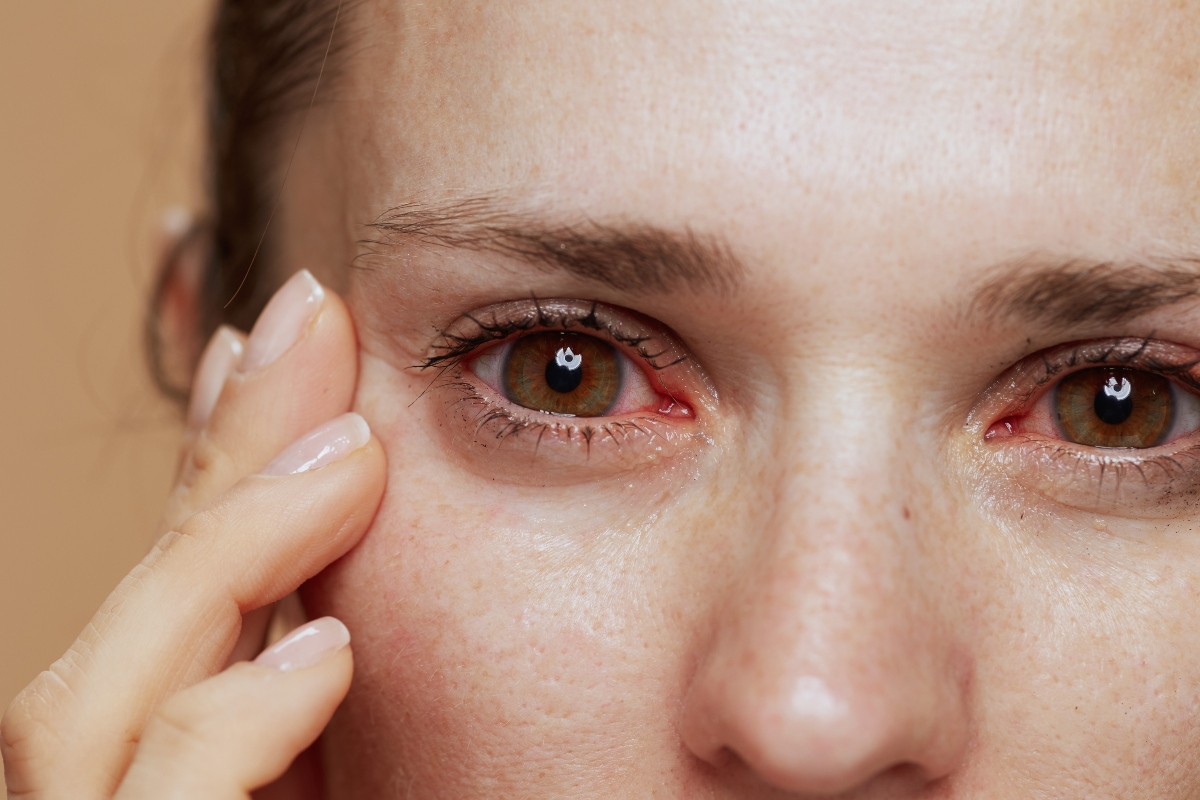
Double vision, or diplopia, affects millions globally, causing discomfort and daily activity issues. It happens when eyes can’t align properly, leading to seeing two images instead of one.
What is Double Vision?
Double vision is when you see two images of one object. It can stem from eye muscle, nerve, or brain problems. Eye exercises for double vision might help, depending on the cause.
Binocular vs. Monocular Diplopia
Double vision comes in two types: binocular and monocular. Binocular diplopia is about eye alignment issues, often due to muscle or nerve problems. Monocular diplopia is when one eye has a problem, like cataracts.
Common Symptoms and Signs
Symptoms of double vision vary by cause. Common signs include:
- Seeing double images
- Difficulty with depth perception
- Eye strain or fatigue
- Headaches from trying to see clearly
Knowing these symptoms helps find the right treatment. This includes whether diplopia exercises might be beneficial.
Common Causes of Double Vision

It’s important to know why people get double vision. This condition, called diplopia, can happen for many reasons. It can affect the eyes, brain, or nerves that help us see.
Vasculopathy (28.66% of Cases)
Vasculopathy, like diabetes and high blood pressure, is a big reason for double vision. It happens in about 28.66% of cases. These conditions can harm the blood vessels that help our eyes move, causing diplopia.
Trauma-Related Diplopia (24.66% of Cases)
Head or face injuries are another common cause of double vision. They are responsible for about 24.66% of cases. The injury can break bones or hurt the nerves and muscles around the eyes, leading to diplopia.
Post-Surgical Diplopia (Including Cataract Surgery)
Double vision can also happen after surgery, like cataract surgery. This is called post-surgical diplopia. The chance of it happening depends on the surgery and the patient.
Other Contributing Factors
Other things can also cause double vision. This includes neurological conditions like multiple sclerosis, stroke, or cerebral palsy. Eye muscle disorders like strabismus or Graves’ disease can also cause it. Finding out the exact cause is key to treating it right.
In summary, double vision can come from many sources. These include vasculopathy, trauma, surgery problems, and other health issues. Knowing the cause helps doctors find the best treatment. This might include eye exercises, vision therapy, or other treatments.
When Eye Exercises Can Help Double Vision
Eye exercises can help with double vision, but it depends on the cause. We’ll look at which types of double vision they can help with. We’ll also talk about when they might not work and what you can expect from them.
Types of Diplopia That Respond to Exercises
Some types of double vision respond better to eye exercises than others. Convergence insufficiency is one condition that often benefits. It’s when the eyes have trouble working together. Exercises can strengthen the eye muscles and improve coordination, helping the eyes work together properly.
- Convergence insufficiency
- Binocular vision disorders
- Mild strabismus
These conditions deal with how the eyes align and work together. Targeted exercises can help reduce double vision symptoms.
Conditions Where Exercises May Be Ineffective
Eye exercises are not effective for all types of double vision. For example, severe eye muscle paralysis or significant trauma to the eye muscles may need more serious medical treatment.
- Severe eye muscle paralysis
- Significant trauma to the eye muscles
- Advanced cataracts or other structural eye issues
In these cases, other treatments like surgery or prism lenses might be needed to fix the double vision.
Setting Realistic Expectations
It’s important for patients to have realistic expectations with eye exercises for double vision. Vision therapy is not a quick solution. It takes consistent practice and patience. Working with a vision therapist to create a personalized program and track progress is recommended.
Understanding the benefits and limits of eye exercises for double vision helps patients make informed choices. Vision therapy can be a powerful tool for managing certain types of double vision, improving life quality for those affected.
The Science Behind Double Vision Therapy
Research shows how eye movements and brain coordination work together. Double vision happens when eye muscles and the brain don’t work right. Knowing this helps us find better ways to treat it.
How Eye Muscles Work Together
Our eyes need six muscles to work together. These muscles help us see one clear image. If they don’t work right, we see double.
Exercises like pencil push-ups help these muscles. They make focusing easier and reduce double vision.
Neurological Aspects of Vision Coordination
The brain is key in combining what each eye sees. Vision therapy helps the brain and eyes work better together.
Prism lenses are used to help the brain see one image. This is helpful for some types of double vision.
“Vision therapy is a type of physical therapy for the eyes and brain. It is based on the idea that the brain and eyes work together to control vision, and that problems with vision can be treated by improving the way the eyes and brain work together.”
American Academy of Ophthalmology
Research Supporting Vision Therapy
Many studies show vision therapy works for double vision. It’s great for convergence insufficiency and other non-neurological causes.
- A study in the Journal of Vision Therapy found vision therapy helped patients with convergence insufficiency.
- Research in Ophthalmology showed vision therapy helps with double vision from trauma and surgery.
This research shows the value of treating double vision with both medical care and vision therapy.
Basic Eye Exercises for Diplopia
For those with diplopia, simple eye exercises can help. They strengthen eye muscles and improve coordination. This can lessen double vision symptoms.
Pencil Push-ups
Pencil push-ups are great for eye convergence. Hold a pencil at arm’s length and focus on the tip. Slowly move it closer to your nose while keeping your focus.
Do this several times, taking breaks as needed.
Brock String Exercises
Brock string exercises boost eye coordination. Use a string with beads or objects at various points. Look at one bead at a time, moving your gaze along the string.
This enhances depth perception and lessens diplopia symptoms.
Focus Shifting Techniques
Focus shifting techniques improve eye muscle flexibility and visual coordination. Look at an object near you, then quickly switch to something farther away. Repeat this.
Eye Patching Methods
Eye patching strengthens the weaker eye. Cover the stronger eye to make the weaker one work harder. This improves its vision over time. Always talk to a healthcare professional before starting eye patching.
These basic eye exercises can be a great addition to your treatment plan. They may reduce double vision symptoms and improve eye health.
Advanced Double Vision Therapy Techniques
Advanced double vision therapy offers many effective solutions for diplopia. These methods tackle specific causes and types of double vision. They provide tailored approaches to enhance vision.
Convergence Insufficiency Exercises
Convergence insufficiency makes it hard for eyes to work together, causing double vision. Exercises aim to improve eye convergence. Holding a pencil at arm’s length and slowly moving it towards the nose is a key exercise.
This simple yet effective technique strengthens eye muscles. It helps eyes converge better.
Prism-Based Training Methods
Prism-based training uses prisms to change how light enters the eyes. This helps align images and reduce double vision. It’s great for certain types of diplopia.
Wearing prismatic lenses daily helps the brain adapt. This can improve vision over time.
Computer-Based Vision Therapy Programs
Computer-based vision therapy is a modern, engaging way to treat double vision. It uses special software for exercises tailored to each patient. Patients practice on a computer or digital device.
These programs offer tracking and adjustment features. They help optimize treatment.
Specialized Exercises for Post-Cataract Surgery Diplopia
Patients with double vision after cataract surgery can benefit from specialized exercises. These exercises address post-surgery vision challenges. Techniques include eye patching and focus shifting.
These methods help eyes work better together. A healthcare professional should guide the choice of techniques based on the individual’s condition.
Using these advanced techniques in a treatment plan can lead to significant vision improvements. It’s vital to work with a healthcare professional to find the best approach.
Creating a Daily Eye Exercise Routine
Creating a daily eye exercise routine is key to managing double vision. By adding eye exercises for double vision to your daily routine, you can see better and feel less diplopia.
Recommended Exercise Frequency
Do eye exercises twice a day for best results. Start with 5-10 minutes and increase as your eyes get used to it. Doing them at the same times each day helps keep you consistent.
- Start with simple exercises like pencil push-ups and Brock string exercises.
- As your eye muscles get stronger, add more complex exercises.
- Take breaks and rest your eyes if you feel any discomfort.
Tracking Your Progress
It’s important to track how well your eye exercises are working. Keep a journal to note any changes. This helps you see which exercises work best and make needed changes.
Adjusting Exercises as You Improve
As you get better, make your exercises harder. You can do this by:
- Doing your exercises longer or more often.
- Adding new, harder exercises that target specific muscles.
- Using prism lenses or computer programs to help your training.
Signs Your Exercises Are Working
Here are signs your eye exercises are helping:
- You see double vision less often and it’s not as bad.
- You can focus better and see things more clearly.
- Your eyes feel more comfortable and you don’t get as tired.
By sticking to a daily eye exercise routine and tracking your progress, you can manage double vision and improve your life.
Complementary Natural Approaches
To get the most from vision therapy for double vision, adding natural methods is key. These can boost eye health and make visual exercises more effective.
Nutrition for Eye Health
Eating a balanced diet is vital for eye health. Foods like salmon and walnuts are full of omega-3s. Spinach and kale are packed with lutein and zeaxanthin, great for the eyes.
Fruits and veggies are full of antioxidants that protect the eyes. Carrots and sweet potatoes have vitamin A, which is good for the retina. Drinking enough water is also important for eye health.
Lifestyle Modifications
Changing your lifestyle can help your eyes too. Exercise boosts blood flow, which is good for the eyes. Getting enough sleep lets your eyes rest and recover.
Quitting smoking and drinking less alcohol can also help your eyes. Regular eye exams are key to catching problems early.
Stress Reduction Techniques
Stress can make eye problems worse, like double vision. Techniques like meditation, yoga, or deep breathing can help manage stress.
Doing relaxing things, like reading or listening to music, can also reduce stress. Taking breaks from tasks that strain your eyes is important.
Environmental Adjustments
Changing your environment can also support eye health. Good lighting when reading or working can prevent eye strain. Adjusting digital device settings to comfortable levels helps too.
Using ergonomic furniture and keeping devices at a distance can also reduce eye strain. These changes can make your eyes more comfortable and help with double vision symptoms.
Conclusion: When to Seek Medical Help
Double vision can be treated naturally, like with eye exercises and vision therapy. But, knowing when to see a doctor is key.
If your double vision doesn’t go away or gets worse, you need a doctor. Some problems need more than just natural treatments. It’s important to know when to ask for medical help.
See a healthcare expert if your symptoms get worse or don’t get better. Using both medical advice and natural treatments can help a lot. This way, you can manage your double vision and live better.
FAQ
What is double vision, and how does it affect daily life?
Double vision, or diplopia, is when you see one thing as two images. It makes everyday tasks hard, like reading or driving.
What are the common causes of double vision?
Vasculopathy, trauma, post-surgery, neurological issues, and eye muscle problems are common causes. Knowing the cause helps find the right treatment.
Can eye exercises help alleviate double vision?
Yes, eye exercises can help, like for convergence insufficiency. Pencil push-ups and Brock string exercises strengthen eye muscles.
What types of diplopia are most likely to benefit from eye exercises?
Exercises help with convergence insufficiency. But, severe paralysis might need other treatments.
How often should I perform eye exercises for double vision?
Do exercises several times a day. Consistency is key. Tailor your routine to your condition.
Are there any complementary natural approaches that can support eye health?
Yes, nutrition, lifestyle changes, stress reduction, and environmental adjustments help. They support eye exercises and vision therapy.
Can vision therapy help with double vision after cataract surgery?
Yes, specialized exercises and computer-based training can help post-surgery. They manage double vision from various causes.
How do I know if my eye exercises are working?
Improved eye coordination, less double vision, and better depth perception are signs. Track your progress and adjust exercises as needed.
When should I seek medical help for double vision?
Seek medical help for persistent or severe double vision. Natural methods like exercises are helpful, but a doctor can diagnose and treat.
What is convergence insufficiency, and how is it treated?
Convergence insufficiency makes eyes hard to work together, causing double vision. Treatment includes specific exercises like pencil push-ups to improve convergence.
Are there any advanced techniques for treating double vision?
Yes, advanced methods include prism training, computer-based therapy, and specialized exercises for post-cataract surgery. They offer benefits for specific double vision types.
References
Government Health Resource. Evidence-Based Medical Guidance. Retrieved from https://jamanetwork.com/journals/jamaophthalmology/fullarticle/268856