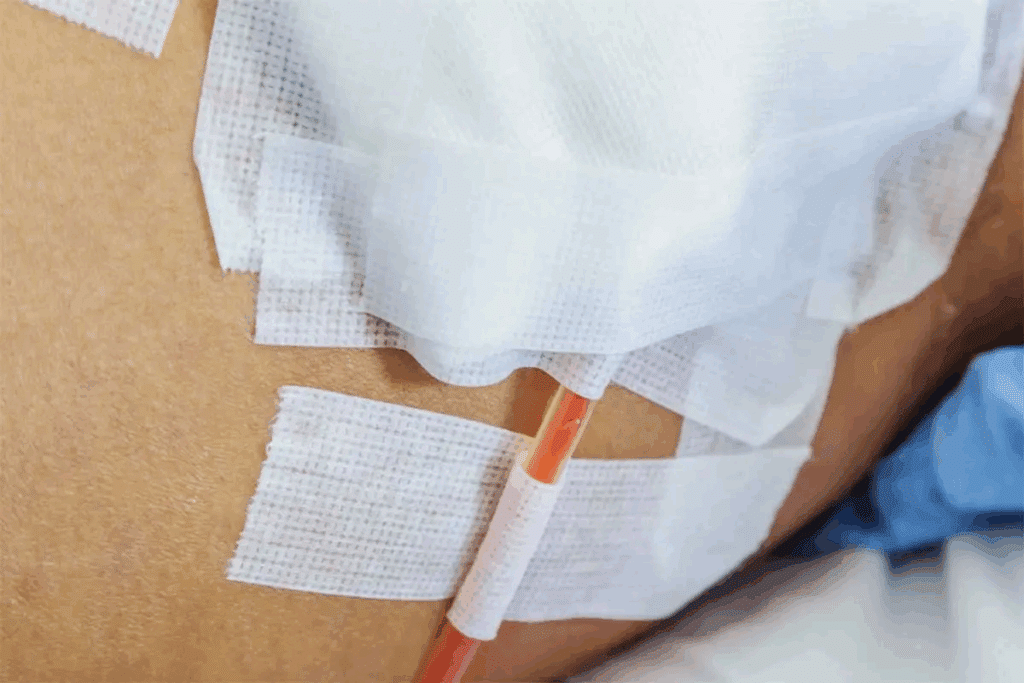
Nearly 300,000 people in the United States have appendix surgery each year. Many of these patients get a surgical drain to manage complications.Drain After SurgeryWeeping After Surgery: Wound Drainage
Having appendix surgery can be scary. The thought of a drain adds to the worry. But, abdominal drainage is common. It helps avoid complications after appendectomy surgery, like abscesses or too much fluid.
We want to help you understand drains. We’ll explain why they’re used and what recovery is like. Knowing about surgical drains can make your post-operative care easier and help you heal faster.
Key Takeaways
- Surgical drains are used to remove fluid that accumulates at the surgical site.
- The primary purpose of a drain is to reduce the risk of infection and promote healing.
- Not all patients who undergo appendix surgery will require a drain.
- The decision to use a drain is based on the complexity of the surgery and the patient’s condition.
- Understanding the role of drains can help alleviate concerns and improve post-operative care.
Why Are Drains Used After Appendix Surgery?
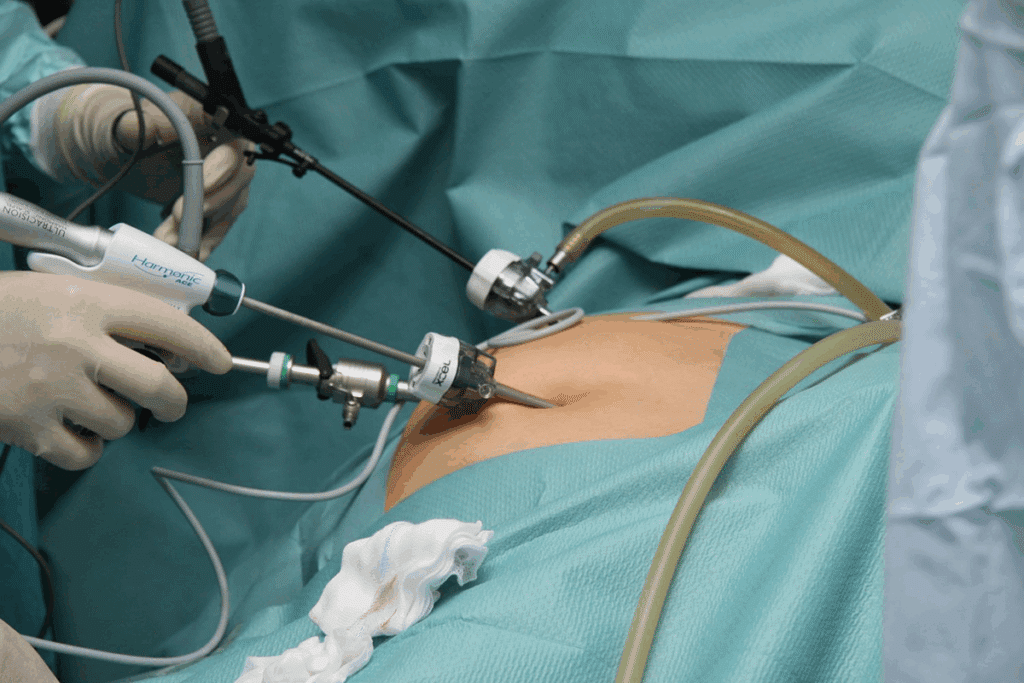
Drains after appendix surgery help ease patient worries. This surgery removes an inflamed appendix. It’s a key part of care to prevent complications.
Overview of Appendix Surgery
Appendix surgery removes the appendix, a small part of the large intestine. It’s often urgent when the appendix gets inflamed. The surgery can be open or laparoscopic, based on the situation and patient health.
The surgeon might use a drain to clear fluid at the site. This choice depends on the appendicitis’s severity and any complications.
Purpose of Surgical Drains
Drains remove fluid like blood, pus, or secretions from the surgery area. They help prevent infection and aid in recovery. Drains also help monitor the fluid output, which is important for care.
Drains are key when there’s a high risk of abscesses or fluid buildup. They help prevent complications that could make recovery longer or need more surgery.
Common Complications Addressed
Drains are great for managing issues like abscesses, infections, and fluid buildup. An abscess is a pus collection that can cause serious infections. Draining fluid reduces these risks.
Drains also let doctors check the fluid’s nature and amount. This helps track the patient’s recovery and spot any problems early.
Types of Drains Commonly Used\

After an appendectomy, several types of surgical drains might be used. The choice depends on the surgery’s complexity and the patient’s health. Let’s look at the most common drains used in appendix surgery.
Jackson-Pratt Drains
The Jackson-Pratt drain is often used because it’s good at removing fluid. It has a tube and a bulb that creates suction. This drain is great for surgeries where fluid buildup is a big risk.
Penrose Drains
Penrose drains are used for draining abscesses or fluid. They’re made of a soft, flexible tube. Penrose drains are simple and practical for some surgeries.
Hemovac Drains
Hemovac drains are for surgeries with a lot of bleeding or fluid. They create a vacuum to draw out fluid or blood. Hemovac drains help keep the healing area clean.
Knowing about these drains helps patients prepare for recovery. Each drain has its own use and benefits. The right drain is chosen based on the patient’s needs.
How Surgical Drains Work
It’s important for patients with appendix surgery to know about surgical drains. These devices help remove fluid or gas from the body. This makes the recovery process healthier.
Mechanism of Drainage
Surgical drains use negative pressure to draw out fluid. This is done through suction or gravity. For example, Jackson-Pratt drains use a bulb for suction. Hemovac drains have a spring to keep the pressure low.
This process is key to avoid fluid buildup. Fluid buildup can cause infections or abscesses. By removing excess fluid, drains help prevent these issues and aid in recovery.
Maintenance and Care Instructions
It’s important to take good care of surgical drains. This ensures they work well and reduces risks. Here are some steps:
- Keep the drain area clean and dry to avoid infections.
- Watch the output to make sure it’s normal.
- Look for any blockages or kinks in the drain.
- Follow your doctor’s advice on how to empty and clean the drain.
By following these tips, patients can help their drains work right. This reduces the chance of problems.
Signs of Proper Function
A working surgical drain is key for a good recovery. Here are signs it’s doing its job:
- Fluid drainage shows the drain is removing excess fluid.
- No signs of infection, like redness or foul smells, around the drain.
- The drain tube is not blocked or kinked.
If you see anything off, like no drainage or infection signs, call your doctor right away.
Duration of Drain Placement
The time a surgical drain stays in after appendix surgery is key to recovery. Patients and caregivers want to know how long it will last.
Average Time Frames
The time a drain stays in can vary a lot. It depends on the person’s health and the surgery type. Usually, it’s a few days to a week.
For example, after a laparoscopic appendectomy, the drain might come out sooner than after open surgery. Our team watches the patient closely to decide when to remove the drain.
| Type of Surgery | Average Drain Duration |
| Laparoscopic Appendectomy | 2-4 days |
| Open Appendectomy | 4-7 days |
Factors Affecting Duration
Several things can change how long a drain stays in. These include:
- The amount of fluid drained daily
- The presence of any complications or infection
- The overall recovery progress of the patient
Our healthcare professionals keep an eye on these factors. They make decisions about when to remove the drain.
When to Consult a Doctor
It’s important to follow your healthcare team’s advice on drain care and removal. If you notice unusual symptoms like more pain, fever, or infection signs around the drain, see your doctor right away.
We’re here to support you during your recovery. Our team is ready to answer any questions you have about your drain or health.
Managing Discomfort with Drains
Adjusting to life with surgical drains after surgery can be challenging, but there are effective strategies to ease the process. But, there are ways to make it easier. We’ll help you through the recovery process with some useful tips.
Pain Management Strategies
Managing pain from drains is key. Always follow your doctor’s advice on pain meds. They’re made just for you. Also, try deep breathing, meditation, or light exercises to ease pain.
Talk to your healthcare provider about your pain. They can change your treatment to keep you comfortable.
“Pain is what happens when love and hate meet in the same place.” – Deepak Chopra
This quote shows pain’s complex nature. But, managing post-op pain is our main goal. Mix medical advice with relaxation methods to handle drain discomfort better.
Cleaning and Care Tips
Keeping the drain area clean is critical. Wash it gently with soap and water, then dry it well. Your doctor might have special instructions, so always follow them.
- Wash your hands before touching the drain or its dressing.
- Check the drain site daily for signs of infection, such as redness, swelling, or unusual discharge.
- Follow your doctor’s instructions for emptying and re-striping the drain.
When to Seek Help
Drains are often part of recovery, but sometimes you need medical help. If pain gets worse, you see signs of infection, or the drain comes out, call your doctor right away.
Your safety and comfort are our top priorities. If you’re worried about your drains or recovery, don’t hesitate to reach out.
Potential Complications of Drains
Surgical drains are key in post-appendix surgery care. But, they can lead to some complications. Knowing about these issues helps ensure a smooth recovery.
Infection Risks
One big worry with drains is infection. Bacteria can grow on the drain, causing infections. Proper care and maintenance of the drain site are critical to lower this risk. Always follow your healthcare provider’s advice on cleaning and dressing the drain site.
“The risk of infection can be significantly reduced with appropriate wound care.”
Leakage or Displacement
Leakage or displacement of the drain is another issue. If the drain leaks or moves out of place, it might not work right. This could cause fluid buildup or other problems. Patients should be vigilant and report any signs of leakage or displacement to their healthcare provider immediately.
Fluid Accumulation Issues
Fluid buildup can occur if the drain gets clogged or is taken out too soon. This can cause swelling, pain, or infection. Monitoring the drain’s output and reporting any concerns to the healthcare provider can help prevent this.
Post-Operative Expectations
The time after appendix surgery is very important. Knowing what to expect can help a lot. It’s key to understand the recovery time, watch the drain output, and know which activities to skip.
Typical Recovery Timeline
Recovery from appendix surgery usually follows a set timeline. Most people can get back to normal in a few weeks. But, it can vary based on the surgery’s complexity and the patient’s health.
General Recovery Guidelines:
- Immediate Post-Surgery (1-3 days): Rest and recovery at home, with limited activity.
- Short-Term Recovery (1-2 weeks): Gradual return to light activities, with continued rest.
- Full Recovery (4-6 weeks): Return to normal activities, including work and exercise.
Monitoring Drain Output
It’s important to watch the output from the appendix drainage tube. This helps see if the drain is working right and spots any problems early. Keep a record of how much and what the drainage looks like.
| Characteristics | Normal Output | Abnormal Output |
| Color | Clear or light yellow | Dark, cloudy, or bloody |
| Amount | Gradually decreasing | Suddenly increasing or remaining high |
| Odor | Minimal or none | Foul-smelling |
Activities to Avoid
To recover smoothly, it’s important to avoid certain activities. Heavy lifting, bending, and hard exercise can stress the body too much. It might even dislodge the appendix drainage tube.
Activities to Avoid:
- Lifting objects heavier than 10 pounds.
- Engaging in strenuous exercise or sports.
- Bending or twisting at the waist.
By knowing these post-operative expectations, patients can better manage their recovery from appendix surgery. If you have any worries, always talk to a healthcare provider.
Nutritional Considerations After Surgery
Good nutrition is key after appendix surgery. It helps your body heal, avoids problems, and aids in recovery.
Importance of Hydration
Drinking enough water is vital after surgery. It aids in healing and stops dehydration, which can cause issues. Drink lots of water and other fluids to stay hydrated.
Tips for Staying Hydrated:
- Drink at least 8-10 glasses of water per day
- Include hydrating foods like watermelon and cucumbers in your diet
- Avoid caffeinated and carbonated drinks that can act as diuretics
Recommended Foods for Recovery
Eating a balanced diet is important for recovery. Foods rich in protein, vitamins, and minerals are best. Lean meats, fish, and eggs help with healing. Fruits and vegetables give you the vitamins and minerals you need.
| Food Group | Examples | Benefits |
| Protein-rich foods | Chicken, fish, eggs | Promotes healing and tissue repair |
| Fruits | Berries, citrus fruits | Rich in vitamins and antioxidants |
| Vegetables | Leafy greens, broccoli | Provides essential vitamins and minerals |
Supplements to Consider
While a balanced diet is key, some supplements can help too. But, always talk to a healthcare provider before taking any supplements.
“Supplements can help fill nutritional gaps, but they should not replace a healthy diet. Always consult with your healthcare provider before starting any supplement.”
Common Supplements:
- Multivitamins
- Protein supplements
- Omega-3 fatty acids
By focusing on nutrition after surgery, you can help your recovery. A balanced diet and staying hydrated are very important for healing.
Emotional and Mental Health After Surgery
Recovering from surgery is more than just healing physically. It’s also about taking care of your emotional and mental health. Surgery, like for appendicitis, can be stressful and emotionally tough. It’s important to focus on the emotional and mental healing during recovery.
Coping with Recovery Stress
Managing recovery stress involves several strategies. These help with anxiety, pain, and the recovery process. Mindfulness and meditation are great for this. They reduce stress and improve mental health by making you feel relaxed and less anxious.
Also, staying in touch with loved ones and having a support network helps a lot. It’s good to do things you enjoy, as long as your doctor says it’s okay.
| Coping Strategy | Benefits |
| Mindfulness and Meditation | Reduces stress and anxiety, promotes relaxation |
| Social Support | Provides emotional comfort, practical assistance |
| Engaging in Enjoyable Activities | Improves mood, maintains a sense of normalcy |
Support Systems and Resources
A strong support system is key for emotional and mental health during recovery. This includes family, friends, support groups, and healthcare professionals. Support groups can connect you with others who’ve gone through similar things, giving you a sense of community and understanding.
Using resources from your healthcare team is also important. They can help with managing stress, anxiety, and other emotional challenges after surgery.
When to Seek Professional Help
It’s normal to feel stressed or anxious after surgery. But sometimes, you need professional help. If your emotional or mental health is really affecting your daily life or recovery, you should seek help. Signs you might need professional help include feeling sad, hopeless, or anxious all the time, and it’s hard to recover or do daily things.
Your healthcare team supports you not just physically but also emotionally and mentally. If you need it, don’t hesitate to ask for help or a referral to a mental health professional.
FAQs About Drains After Appendix Surgery
Patients often wonder about drains after appendix surgery. We answer some common questions to ease worries and make recovery better.
Common Concerns
Many worry about infection with appendix drainage. We do everything to prevent this. Patients get clear instructions on their drain tube care.
Clarifying Myths
Some think a drain means something went wrong. But, drains are common in many surgeries, including appendix ones. We clear up myths to help patients know what to expect.
Additional Resources
For more info on drains after appendix surgery, talk to your doctor or check online. We aim to support international patients with detailed information.
FAQ
What is the purpose of a drain after appendix surgery?
A drain after appendix surgery helps remove fluid at the surgical site. This reduces infection risk and aids in healing.
What types of drains are commonly used after appendix surgery?
After appendix surgery, doctors often use Jackson-Pratt, Penrose, or Hemovac drains. Each type is chosen based on the patient’s needs and surgery type.
How long is a drain typically kept in place after appendix surgery?
The time a drain stays in varies. It usually ranges from a few days to a week, depending on the surgery and patient’s health.
How do I care for a drain after appendix surgery?
To care for a drain, keep the site clean and watch for output. Make sure the drain isn’t clogged or kinked. Always follow your doctor’s drain care and removal instructions.
What are the signs of proper drain function?
Proper function signs include fluid drainage and no infection or blockage signs. This means the drain is working right.
Can I shower or bathe with a drain?
It’s best to avoid water until the drain is removed. Sponge baths can help keep the site clean and dry.
What are the possible complications with surgical drains?
Complications can include infection, leakage, or fluid issues if the drain clogs or is removed too soon.
How can I manage discomfort or pain with a drain?
Manage discomfort with pain strategies, clean the site, and know when to get medical help if needed.
What should I expect during the recovery period after appendix surgery with a drain?
Expect rest, monitoring of drain output, and avoiding activities. Most people can resume normal life in a few weeks.
Are there any specific nutritional recommendations after appendix surgery with a drain?
Good nutrition and hydration are key for recovery. Eat a balanced diet with proteins, vitamins, and minerals. Stay hydrated too.
How can I cope with the stress and emotional challenges of recovery?
Use mindfulness, meditation, or counseling to cope with stress. A strong support system from family, friends, and groups can offer emotional comfort.
When should I seek medical help during recovery with a drain?
Seek medical help if you see infection signs, leakage, or drain displacement, or have recovery or drain concerns.
References
National Center for Biotechnology Information. Evidence-Based Medical Insight. Retrieved from https://www.ncbi.nlm.nih.gov/pmc/articles/PMC6080873/