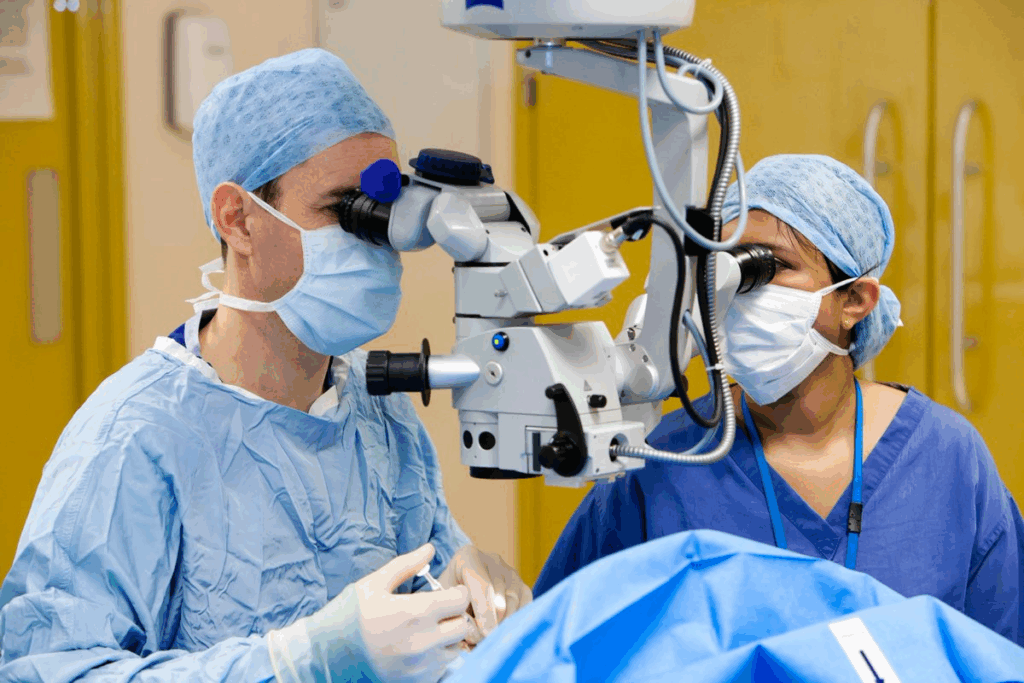
At Blue Fin Vision Eye Clinic, we’ve seen many patients worried about ptosis, or droopy eyelid, after cataract surgery. This issue affects about 21 percent of patients. It can change how you see and look. Have a droopy eye after surgery? This guide explains the top 5 causes, including ptosis after cataract surgery, and the best fixes.
It’s important to know why ptosis happens and what you can do about it. We’ll help you understand your recovery and treatment options. This way, you can tackle this problem effectively.
We aim to give you all the support and guidance you need. Our goal is to help you get the best results from your treatment.
Key Takeaways
- Ptosis, or droopy eyelid, is a known issue after cataract surgery.
- Up to 21 percent of patients may face ptosis after this procedure.
- Knowing the causes and treatments is essential for dealing with it.
- Recovery times and treatment choices depend on each case.
- We offer full support for those undergoing treatment.
Understanding Ptosis After Cataract Surgery
After cataract surgery, some people may experience ptosis. This is when the eyelid droops, which can affect how well you see. We’ll look into what ptosis is, how often it happens after cataract surgery, and how it impacts daily life.
What is Post-Cataract Surgery Ptosis?
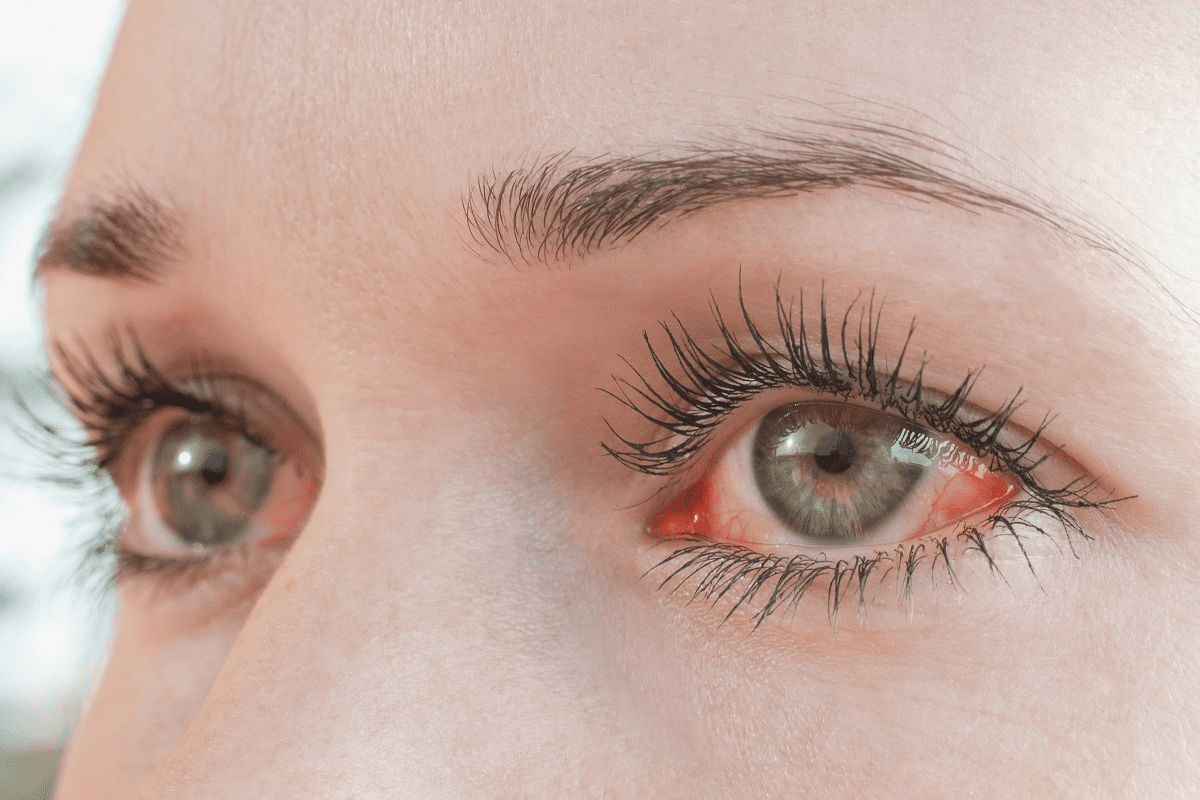
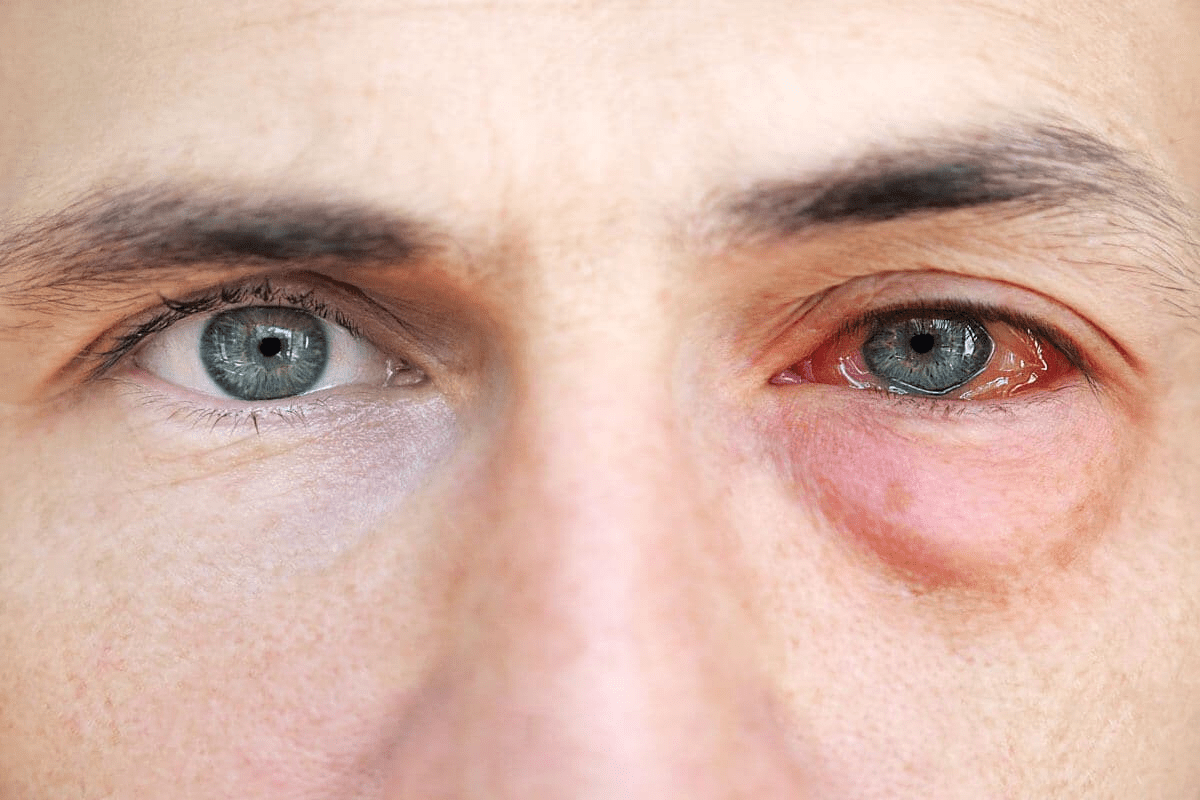
Ptosis is when the upper eyelid droops, which can happen in one or both eyes. It can be mild or severe, even covering the pupil and blocking vision. Post-cataract surgery ptosis is when this happens after cataract surgery.
How Common is Droopy Eyelid After Cataract Surgery?
Studies show that about 7 to 21 percent of people get ptosis after cataract surgery. The exact number varies because of different factors. These include the surgery method, the patient’s health before surgery, and any surgery complications.
Impact on Vision and Quality of Life
Ptosis after cataract surgery can really change a person’s life. The droopy eyelid can make it hard to read, drive, or even walk. It can also make your eyes look tired or uneven, affecting how you feel about your looks and yourself.
Impact | Description |
Reduced Field of Vision | Droopy eyelid obstructs the upper part of the visual field, making daily activities challenging. |
Cosmetic Concerns | Asymmetrical appearance can affect self-esteem and overall satisfaction with the surgery outcome. |
Eye Fatigue | Compensatory mechanisms to overcome vision obstruction can lead to eye strain and fatigue. |
Causes of Droopy Eye After Surgery
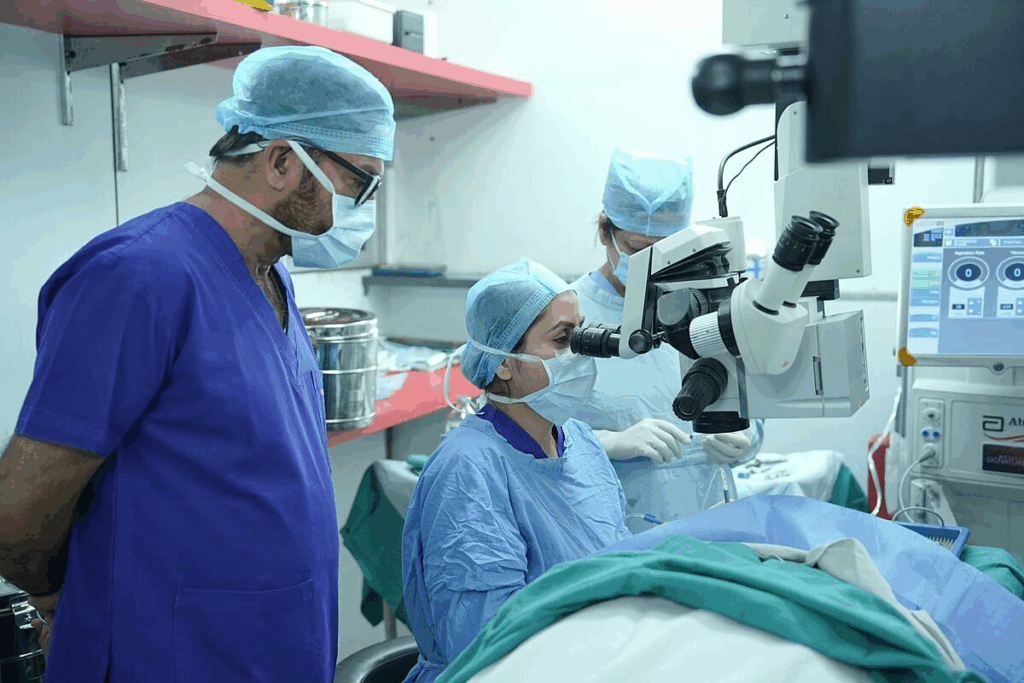
After cataract surgery, some people experience a droopy eye. This can happen due to mechanical trauma or complications from anesthesia. Knowing why it happens helps in preventing and treating it.
Mechanical Trauma from Eyelid Speculum
An eyelid speculum used in surgery can harm the eyelid. This harm might damage the levator muscle or its tendon. This damage can lead to a droopy eyelid.
Anesthesia-Related Complications
Myotoxicity from anesthesia is another reason for a droopy eyelid after surgery. When local anesthetic is injected near the levator muscle, it can damage the muscle. This results in a droopy eyelid.
Levator Aponeurosis Damage
Damage to the levator aponeurosis, a tendon, is a common reason for ptosis after surgery. This tendon connects the levator muscle to the eyelid. Damage can happen during surgery, often due to too much manipulation or trauma.
Other Contributing Factors
While mechanical trauma, anesthesia-related complications, and levator aponeurosis damage are main causes, other factors also play a role. These include pre-existing conditions, age-related changes, and how the surgery is done.
Cause | Description | Potential Outcome |
Mechanical Trauma | Damage from eyelid speculum | Temporary or permanent ptosis |
Anesthesia-Related Complications | Myotoxicity from local anesthetic | Ptosis due to muscle damage |
Levator Aponeurosis Damage | Trauma during surgery | Ptosis due to tendon damage |
Understanding these causes helps in managing and preventing ptosis after cataract surgery. It’s important for both patients and healthcare providers to know about these factors. This knowledge ensures the best possible outcomes.
Diagnosing Post-Cataract Surgery Ptosis
Getting a correct diagnosis for ptosis after cataract surgery is key. At Blue Fin Vision Eye Clinic, our skilled ophthalmologists use various methods. They aim to diagnose and assess ptosis accurately.
Clinical Evaluation Methods
Our clinical evaluation is detailed. We look closely at the eyelid and its function. We check the margin-reflex distance (MRD) to see how the upper eyelid sits compared to the pupil center.
Measuring the Severity of Ptosis
We measure how severe ptosis is by looking at the levator function and eyelid drooping. This tells us how much the condition affects the patient’s vision.
Measurement | Normal Value | Ptosis Indication |
MRD | 4-5 mm | < 2 mm |
Levator Function | 15 mm or more | < 8 mm |
Differentiating from Other Eyelid Conditions
We make sure to tell ptosis apart from other eyelid issues. We do this by doing a thorough check-up and looking at the patient’s history. This helps us give the right treatment.
When Will Droopy Eye After Surgery Resolve Naturally?
Knowing when ptosis will go away on its own is key for patients. After cataract surgery, eyelids might droop. But, many times, this issue fixes itself.
Timeline for Spontaneous Resolution
Most eyelid drooping after cataract surgery goes away within six months. Transient ptosis usually fixes itself in a few weeks to months after surgery. We tell patients to wait it out and keep an eye on their condition.
Factors Affecting Natural Recovery
Many things can affect how quickly ptosis goes away. These include how big the surgery was, the patient’s health, and any other health issues. Getting the right care after surgery and seeing your doctor regularly is very important.
Signs Your Ptosis May Be Permanent
Even though many cases of ptosis get better on their own, some don’t. If your eyelid keeps drooping after six months, doesn’t get better, or looks very different from the other, it might not go away. If you see these signs, you should talk to your surgeon.
Signs | Description |
Persistent Drooping | Drooping that lasts beyond six months |
Lack of Improvement | No noticeable improvement over time |
Significant Asymmetry | Noticeable difference between the two eyelids |
Understanding these signs and factors helps patients manage their recovery. It also tells them when to get more medical help.
When to Seek Medical Attention
It’s important to know when to get medical help after cataract surgery. Some symptoms are normal, but others might mean you need urgent care.
Normal Post-Operative Symptoms vs. Concerning Signs
Patients often feel mild discomfort, redness, or swelling after surgery. But, signs like severe drooping, double vision, or eye pain are serious and need quick attention.
Normal Symptoms | Concerning Signs |
Mild redness | Severe eye pain |
Minor swelling | Significant drooping |
Mild discomfort | Double vision |
Finding the Right Specialist
If you notice concerning signs, see an ophthalmologist or oculoplastic specialist. At Blue Fin Vision Eye Clinic, our team tells patients to watch their condition and seek help when needed.
What to Expect During Your Follow-up Appointment
At your follow-up, the specialist will check your ptosis and talk about treatments. They will also explain what to do next.
Non-Surgical Treatment Options
For mild or improving ptosis, non-surgical treatments are a good choice. They can manage the condition and sometimes lift the eyelid.
Eye Drops and Medications
Eye drops and some medications can lift the eyelid temporarily. Apraclonidine, for example, works by stimulating Müller’s muscle.
Ptosis Crutches and External Devices
Ptosis crutches are devices that attach to eyeglasses to lift the eyelid. They are useful for those with severe ptosis, improving both vision and looks.
Temporary Solutions for Cosmetic Improvement
For cosmetic concerns, there are quick fixes. Makeup can hide a droopy eyelid, for instance.
Treatment | Description | Benefits |
Eye Drops | Medication to temporarily improve eyelid position | Non-invasive, easy to use |
Ptosis Crutches | Devices attached to eyeglasses to support the eyelid | Practical solution for significant ptosis |
Makeup Techniques | Cosmetic methods to camouflage droopy eyelid | Temporary, non-invasive cosmetic improvement |
Exercises for Droopy Eyelid After Cataract Surgery
Exercising the muscles around your eyes can help if you have a droopy eyelid after cataract surgery. We’ll look at different exercises and methods to help you.
Eyelid Strengthening Exercises
These exercises aim to make the muscles around your eyes stronger. Try lifting your eyebrows as high as you can and hold for a few seconds. Then, release.
Another exercise is to look down and then slowly lift your eyelids up without moving your eyebrows. Do this several times a day to see if it helps.
Massage Techniques
Massage can also help with a droopy eyelid. Gently massage your eyelid with your fingertips in a circular motion. This can improve circulation and muscle tone.
How Often to Perform Exercises
It’s important to do these exercises regularly. We suggest doing them at least twice a day. Try to do them in the morning and before bed.
Expected Results from Exercise Therapy
How well these exercises work can vary. Some people might see improvements in a few weeks. Others might take longer.
Exercise | Frequency | Expected Outcome |
Eyelid Lifting | Twice daily | Improved muscle tone |
Eyelid Massage | Daily | Better circulation |
Adding these exercises to your daily routine might help strengthen your eyelid muscles. This could improve your droopy eyelid after cataract surgery.
Surgical Interventions for Persistent Ptosis
When ptosis stays after cataract surgery, several surgeries can help. These options can fix a droopy eyelid and make it look normal again.
Levator Resection Procedure
The levator resection fixes ptosis by shortening the levator muscle. This is good for those with moderate to severe ptosis. It tightens the muscle to lift the eyelid better.
Müller’s Muscle Conjunctival Resection
Müller’s muscle conjunctival resection (MMCR) removes part of Müller’s muscle and the conjunctiva. It’s best for mild ptosis and good levator function. MMCR is less invasive than levator resection, with fewer risks.
Frontalis Sling Procedure
The frontalis sling procedure uses a sling to connect the eyelid to the frontalis muscle. It’s used for severe levator muscle weakness or congenital ptosis. This method greatly improves eyelid lift.
Determining the Right Surgical Approach
Choosing the right surgery for ptosis depends on several things. These include how severe the ptosis is, the levator muscle’s function, and the patient’s health. An experienced oculoplastic surgeon must evaluate each case carefully. Age, medical history, and what the patient wants are also important.
For ptosis that doesn’t go away after cataract surgery, surgery can help. Knowing about the different surgeries helps patients make better choices.
Recovery After Ptosis Correction Surgery
Understanding the recovery process after ptosis correction surgery is key. It helps patients manage their expectations and ensures a smooth healing journey. The recovery period involves several steps and precautions to achieve the best results.
Immediate Post-Operative Care
Immediate care after surgery is vital to avoid complications and aid healing. Patients are advised to use ice packs to reduce swelling. They should also administer prescribed eye drops to prevent infection. Regular follow-up appointments are important to monitor healing.
- Use ice packs as directed to reduce swelling
- Administer prescribed eye drops to prevent infection
- Attend all scheduled follow-up appointments
Timeline for Recovery
The recovery time varies, but most see big improvements in a few weeks. Being patient and following instructions carefully is essential for a smooth recovery.
Recovery Stage | Timeline | Expected Outcome |
Immediate Post-Surgery | 1-3 days | Swelling and bruising |
Early Recovery | 1-2 weeks | Gradual improvement in swelling and bruising |
Late Recovery | 3-6 weeks | Significant improvement in eyelid appearance and function |
Managing Expectations
Managing expectations is key for patient satisfaction. Ptosis correction surgery can greatly improve eyelid appearance and function. But, full recovery may take several weeks.
“The key to a successful recovery is patience and adherence to post-operative instructions.” – Medical Expert, Ophthalmologist
Insurance Coverage and Costs in the US
Insurance coverage for ptosis correction surgery varies in the US. Some plans cover it if it’s medically necessary, while others don’t. Patients should check with their insurance to understand coverage and costs.
Conclusion
Ptosis after cataract surgery is a possible issue but often goes away with the right treatment. At Blue Fin Vision Eye Clinic, we help our patients through their surgery, including dealing with complications like ptosis.
There are many ways to treat ptosis, from non-surgical methods like eye drops and eyelid exercises to surgery. The best treatment depends on how severe and why the ptosis happened.
It’s key to know about ptosis causes, diagnosis, and treatments to manage it well. We stress the need for professional help from skilled eye doctors for the best results.
Choosing the right treatment helps improve eyelid function and eye health. Our goal is to provide top-notch care and support to international patients, ensuring they get the care they need.
FAQ
What is ptosis, and how is it related to cataract surgery?
Ptosis is when your upper eyelid droops or falls. It can happen after cataract surgery. This might be due to injury, anesthesia issues, or damage to the eyelid muscles.
How common is ptosis after cataract surgery?
Ptosis is a possible complication after cataract surgery. Its frequency can change based on the surgery method and the patient’s health.
Can ptosis after cataract surgery resolve on its own?
Sometimes, ptosis after surgery might get better by itself. But, how likely it is depends on the cause and how bad it is.
What are the signs that indicate a need for medical attention for ptosis after cataract surgery?
If your eyelid keeps drooping or you see double vision after surgery, see a doctor. Also, watch for signs of infection like redness or discharge.
What are the non-surgical treatment options for ptosis?
Non-surgical treatments include eye drops, medicines, and special devices. They can offer temporary relief or improve appearance.
Are there exercises that can help improve ptosis after cataract surgery?
Yes, some exercises and massages can strengthen eyelid muscles. This might help with ptosis. Do these exercises often, as results can vary.
What are the surgical interventions available for persistent ptosis?
For lasting ptosis, surgery options are levator resection, Müller’s muscle surgery, and frontalis sling. The right surgery depends on the ptosis’s cause and severity.
What is the recovery process like after ptosis correction surgery?
After surgery, you’ll need to rest and follow medication instructions. Recovery times differ, but most see big improvements in weeks.
Is ptosis surgery covered by insurance in the US?
Insurance for ptosis surgery varies by provider and policy. If it’s medically necessary, insurance might help with costs.
Can ptosis recur after surgical correction?
Surgery can fix ptosis, but it might come back. Regular check-ups with your doctor can help manage this.
How can I find the right specialist for ptosis treatment?
Ask your doctor for recommendations or contact professional groups like the American Academy of Ophthalmology. Look at the specialist’s experience and patient feedback to choose wisely.
References
National Center for Biotechnology Information. Evidence-Based Medical Guidance. Retrieved from https://www.ncbi.nlm.nih.gov/pmc/articles/PMC4784076/