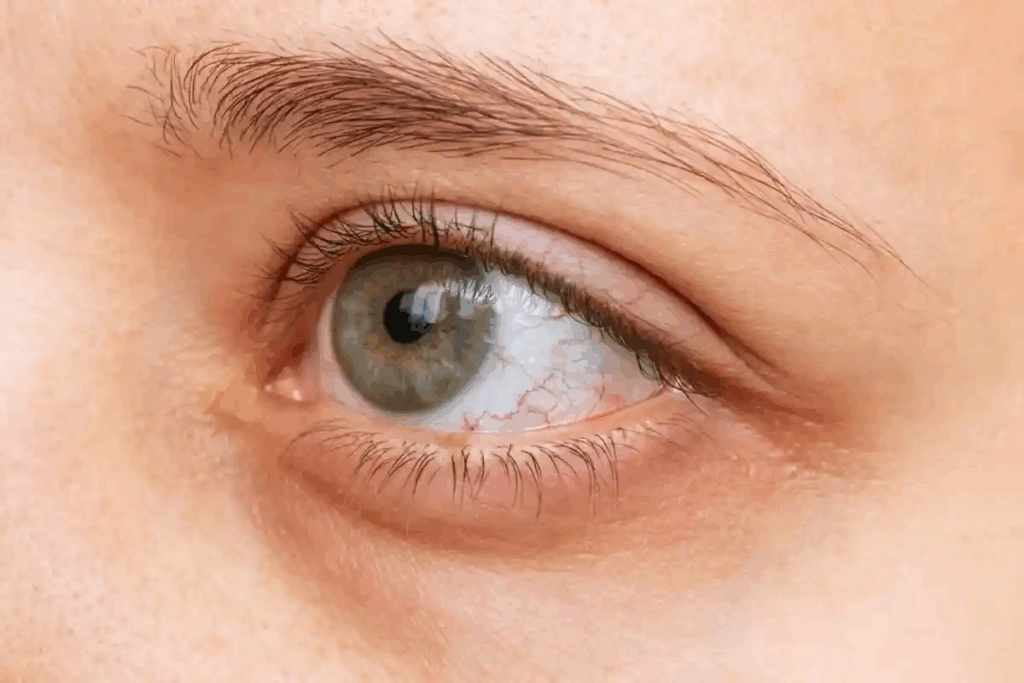
Having a droopy eyelid after cataract surgery worries many. They hoped for better vision and a more natural look. Our team knows how serious this issue can be. Have a droopy eyelid following cataract surgery? This essential guide explains why ptosis occurs and the best treatment options.
Ptosis, or a droopy eyelid, happens when the upper eyelid falls too low. It’s a common problem after cataract surgery, affecting 7.3% to 21% of patients. We’re here to help, giving you the info you need to understand your situation.
Key Takeaways
- Ptosis is a common complication after cataract surgery.
- The incidence of ptosis after cataract surgery ranges from 7.3% to 21%.
- Understanding the causes, treatment options, and recovery timeline is essential for patients.
- Comprehensive care and support are key for those with ptosis.
- Recovery times can vary greatly.
Understanding Ptosis: The Medical Term for Droopy Eyelid
A droopy eyelid, known as ptosis, affects how your eyes look and can even hurt your vision. It can happen at any age. It might be due to being born with it, getting older, or as a side effect of eye surgery.
Definition and Clinical Presentation
Ptosis means your eyelid is too low. This can hide part of your pupil and block your view. How bad it is can vary a lot. Some people just have a little droop that doesn’t bother them, while others have a big problem that makes everyday tasks hard.
The severity of ptosis is measured by the margin reflex distance (MRD). This is the space between your pupil’s center and your eyelid’s edge. A smaller MRD means more severe ptosis. Knowing this helps doctors figure out the best treatment.
Differentiating Post-Surgical Ptosis from Other Types
Post-surgical ptosis happens after eye surgery, like cataract surgery. It’s important to tell it apart from other kinds. This is because it’s caused by the surgery itself, unlike congenital or age-related ptosis.
The table below shows the main differences between types of ptosis:
Type of Ptosis | Cause | Typical Presentation |
Congenital Ptosis | Present at birth due to underdeveloped levator muscle | Often unilateral, variable severity |
Age-related Ptosis | Aging, stretching of eyelid tissues | Typically bilateral, gradual onset |
Post-Surgical Ptosis | Complication of eye surgery, such as cataract surgery | Onset after surgery, variable severity |
Knowing these differences is key for diagnosing and treating ptosis. By figuring out the exact type, doctors can give the best treatment.
The Connection Between Cataract Surgery and Droopy Eyelid
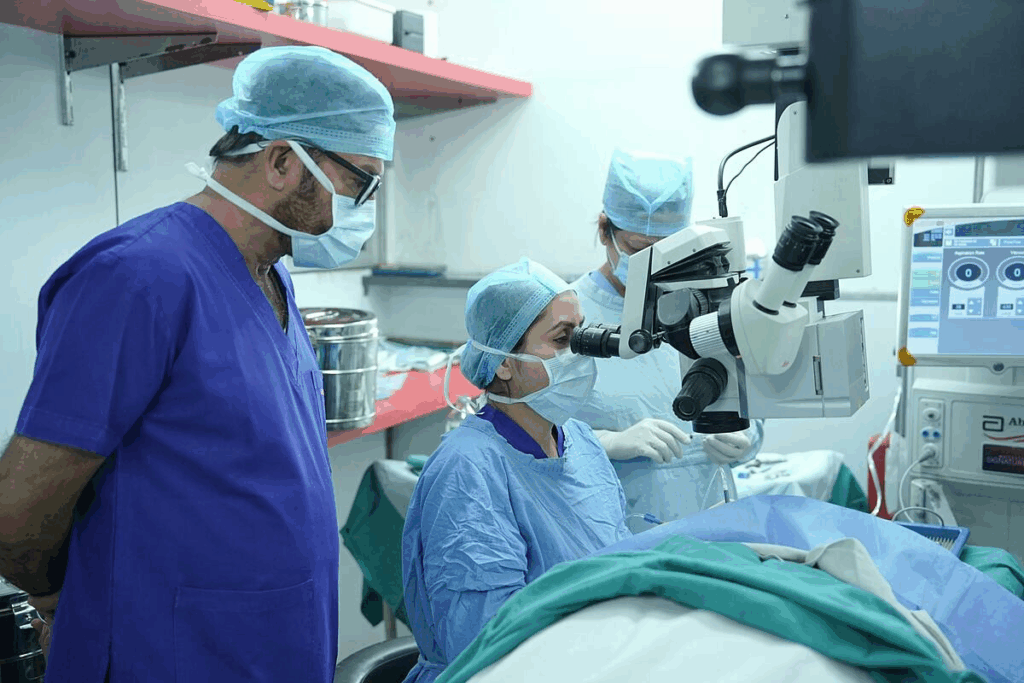
Cataract surgery is usually safe and works well. But, knowing about possible problems is key for good care. Droopy eyelid, or ptosis, is a concern for both patients and doctors.
Prevalence Statistics and Risk Factors
Research shows that 7.3% to 21% of people get ptosis after cataract surgery. This range comes from different surgery methods, patient ages, and how ptosis is defined. Important risk factors include:
- Advanced age: Older people are more likely to get ptosis because of aging.
- Surgical trauma: How much trauma happens during surgery can affect the risk of ptosis.
- Pre-existing eyelid conditions: Those with eyelid problems before surgery are at higher risk.
Transient vs. Permanent Ptosis Cases
Most ptosis after cataract surgery goes away within six months. But, some cases last forever and need more treatment. Knowing if ptosis is temporary or permanent helps doctors plan the best care.
Transient ptosis usually comes from swelling or bruising that heals over time. But, permanent cases might be from serious damage to the eyelid muscles.
Common Causes of Droopy Eyelid Following Cataract Surgery
It’s important to know why eyelids droop after cataract surgery. This helps in preventing and treating the issue. Several factors can lead to ptosis after this surgery.
Mechanical Trauma from Surgical Instruments
One main reason for droopy eyelids after cataract surgery is mechanical trauma. Eyelid speculums and bridle suture placement often cause this. These tools can harm the eye’s delicate areas, making the eyelid droop.
Experts say, “Eyelid speculums can badly hurt the eyelid, possibly causing ptosis.”
This shows why surgeons must be careful with these tools to avoid complications.
Levator Aponeurosis Dehiscence
Levator aponeurosis dehiscence is another big cause. It happens when the levator aponeurosis separates from the tarsal plate. Prolonged eyelid edema during or after surgery can lead to this. This weakens the eyelid’s ability to lift, causing ptosis.
The levator aponeurosis is key for lifting the eyelid. Any damage to it can have big effects. Knowing this helps in finding the right treatments.
Myotoxicity from Anesthetic Agents
Myotoxicity from local anesthetics is also a cause. Some anesthetics can harm the muscles around the eye. This can make the eyelid droop.
Local anesthetics are used to keep patients comfortable during surgery. But, their harmful effects on muscles must be managed to avoid ptosis.
By understanding these causes—mechanical trauma, levator aponeurosis dehiscence, and myotoxicity from anesthetics—we can better prevent and treat droopy eyelids after cataract surgery.
Diagnosing Post-Cataract Surgery Ptosis
Getting a correct diagnosis for post-cataract surgery ptosis is key. It helps in managing the condition effectively. We will look at how to diagnose it, how to classify its severity, and the role of specialists in managing it.
Clinical Evaluation Methods
To diagnose ptosis after cataract surgery, we do a detailed clinical evaluation. We use different methods to check the eyelid’s position and function. These include:
- Measuring the margin reflex distance (MRD) to see how the eyelid aligns with the pupil.
- Checking the levator function to see how strong the muscle is.
- Looking at the eyelid’s height and shape to spot any issues.
Severity Classification System
We classify ptosis severity based on the MRD and its impact on vision. We call it mild, moderate, or severe. This depends on how much the eyelid droops and how it affects vision.
When to Consult an Oculoplastic Specialist
If the diagnosis is unclear or the ptosis is severe, seeing an oculoplastic specialist is advised. These experts are trained in eyelid surgery. They can help decide the best treatment, including surgery if needed.
In summary, diagnosing post-cataract surgery ptosis needs a detailed clinical evaluation and understanding of its severity. Using the right tools and consulting specialists when necessary helps us create effective treatment plans.
Conservative Management for Mild Cases
Mild cases of droopy eyelid after cataract surgery can often be managed without surgery. These methods are great for those who don’t need surgery right away or who want to avoid it.
Observation Protocol and Timeline
For many, the first step is watching and waiting. We usually suggest waiting a few months to see if it gets better on its own. The watching period involves:
- Regular visits to an eye doctor or specialist
- Keeping track of how bad the droop is and any changes
- Checking how well you can see and your field of vision
This careful watching helps us figure out what to do next.
Topical Treatments
Topical treatments can also help with mild droopy eyelid. Apraclonidine is a common one that can lift the eyelid. We might use these treatments when:
- The droop is really blocking your view
- You’re waiting for surgery or can’t have it
- You need a quick fix to improve eyelid function
It’s important to stick to the treatment plan and tell your doctor about any side effects.
Exercises for Droopy Eyelid After Cataract Surgery
Some exercises can strengthen the eye muscles and maybe help the eyelid. These include:
- Gently lifting your eyebrow and holding for a few seconds
- Blinking fast for a short time
- Gently massaging your eyelid to improve blood flow
While these exercises are usually safe, always talk to an eye doctor before starting. They can make sure they’re right for you.
By watching, using topical treatments, and doing exercises, we can manage mild ptosis after cataract surgery. It’s key to work with an eye care professional to find the best plan for you.
Medical Interventions for Persistent Ptosis
If you have a droopy eyelid after cataract surgery, there are treatments available. When simple steps don’t work, doctors might suggest other ways to help. These can make a big difference in how you feel.
Prescription Medications and Their Efficacy
Some medicines can help with ptosis. Apraclonidine is one. It works by making the Müller muscle stronger. This can lift the eyelid and improve symptoms.
“Apraclonidine has been shown to be effective in reducing ptosis in patients with various underlying causes, including post-cataract surgery.”
Doctors might suggest these medicines if the droopy eyelid is really bothering you. But, they consider many things first. This includes your overall health and any other health issues you might have.
Non-Surgical Treatment Approaches
There are also non-surgical ways to treat ptosis. Botulinum toxin injections are one option. They’re often used for beauty treatments but can also help with eyelid position.
Treatment | Efficacy | Duration of Effect |
Apraclonidine | Temporary improvement | Several hours |
Botulinum Toxin Injections | Variable, depends on muscle response | Several months |
Determining Treatment Candidacy
Choosing the right treatment involves a lot of thought. Doctors look at how bad the ptosis is, your health, and what treatments you’ve tried before. They work with you to find the best plan.
It’s important to talk to an oculoplastic specialist. They can help you understand your options and decide what’s best for you.
Surgical Correction Options
When other treatments don’t work, surgery is often needed for post-cataract ptosis. Surgery aims to fix eyelid function and make eyes look even.
Ptosis Surgery Techniques
There are many surgical methods for ptosis, each for different cases. The main ones are:
- Levator advancement: Tightens the levator muscle to lift the eyelid better.
- Frontalis sling: Uses a sling to link the eyelid to the frontalis muscle, helping it move more.
“The right surgery depends on how bad the ptosis is and the patient’s eye health,” says Medical Expert, a top oculoplastic surgeon. “Knowing each method well is key for the best results.”
Success Rates and Recovery Timeline
Success in ptosis surgery varies by method and patient. Levator advancement and frontalis sling usually work well.
Surgical Technique | Success Rate | Recovery Time |
Levator Advancement | 85-90% | 2-4 weeks |
Frontalis Sling | 80-85% | 3-6 weeks |
Potential Complications and Management
Though rare, surgery can lead to issues like infection, too little correction, or too much. Handling these problems well is key for success.
Managing complications includes:
- Quick antibiotic treatment for infections.
- More surgery for not enough or too much correction.
Knowing about surgery options helps patients choose wisely. We stress the need to talk to a skilled oculoplastic specialist for the best plan.
Self-Care and Prevention Strategies
Being proactive with self-care and prevention can greatly reduce the chance of a droopy eyelid after cataract surgery. Understanding what causes ptosis and taking steps to prevent it can improve outcomes. This is key for patients.
Pre-Surgical Considerations
Before cataract surgery, there are steps to take to lower ptosis risk. Choosing an experienced surgeon is vital. Their skill can greatly affect the risk of complications. Also, discussing your medical history is important, including any conditions that might affect your eyelids or vision.
Post-Operative Care to Minimize Ptosis Risk
Proper care after surgery is key to avoiding ptosis. Follow your surgeon’s advice on medication, attend all follow-up appointments, and avoid activities that strain your eyes. Gentle eye care and not rubbing your eyes are also important.
Coping with Temporary Visual Changes
After cataract surgery, temporary vision changes are common. It can be tough to cope with them. Knowing these changes can happen and having ways to manage them is helpful. This includes using eye drops for dryness, wearing sunglasses, and having a support system.
Psychological Support Resources
The emotional impact of cataract surgery and possible complications like ptosis should not be ignored. Having access to psychological support resources is very helpful. This includes counseling, support groups, and educational materials. They help patients understand what to expect and how to cope.
By using these self-care and prevention strategies, patients can lower their risk of ptosis and improve their recovery. It’s about being active in your care and being ready for what’s ahead.
Conclusion: Long-Term Outlook for Patients with Post-Cataract Ptosis
Knowing what to expect with post-cataract ptosis is key. It helps set realistic goals and choose the right treatment. The outcome depends on how severe the condition is and how well treatment works.
We’ve talked about managing ptosis, from simple steps to surgery. Taking care of yourself and preventing problems is also vital. Many people see big improvements after treatment.
The outlook for those with post-cataract ptosis is mostly good. By learning about the condition, its signs, and how to treat it, patients can handle it well. This leads to the best possible results.
Managing post-cataract ptosis requires a mix of medical care, self-care, and prevention. With the help of doctors, patients can recover well. This improves their life quality a lot.
FAQ
What is ptosis, and how is it related to cataract surgery?
Ptosis, or droopy eyelid, can happen after cataract surgery. It makes the upper eyelid drop, affecting vision and looks.
What are the common causes of ptosis after cataract surgery?
Ptosis after cataract surgery can be caused by a few things. These include damage from surgical tools, a tear in the eyelid muscle, and harm from anesthetic.
How is ptosis diagnosed, and what are the severity classification systems used?
Doctors diagnose ptosis by checking the eyelid and using special scales. The scale shows how much the eyelid droops.
Can ptosis be treated without surgery?
Yes, mild ptosis can be treated without surgery. Doctors might use eye drops, exercises, or just watch it. These methods can help the eyelid work better and look better too.
What are the surgical correction options for ptosis?
There are many ways to fix ptosis with surgery. Each method works differently and has its own recovery time. The right surgery depends on the patient’s situation.
How long does it take to recover from ptosis surgery?
Recovery from ptosis surgery varies. Patients usually see swelling and bruising that takes weeks to go away. It depends on the surgery and the person.
Are there any other complications associated with ptosis surgery?
Yes, like any surgery, ptosis surgery can have risks. These include infection, bleeding, and unevenness. But, these can be managed with good care and follow-up.
Can ptosis recur after surgery?
Yes, ptosis can come back after surgery. The chance of it happening again depends on the surgery and the person.
What are the success rates of ptosis surgery?
Success rates for ptosis surgery vary. But, many people see big improvements. It really depends on the surgery and the person.
How can I minimize my risk of developing ptosis after cataract surgery?
To lower your risk of ptosis after cataract surgery, follow your doctor’s advice before and after surgery. Also, go to all your follow-up appointments.
Are there any exercises that can help improve eyelid function after cataract surgery?
Yes, there are exercises that can help eyelids after cataract surgery. They’re good for mild cases or for those who can’t have surgery.
Can I undergo ptosis surgery if I have had previous eye surgery?
Whether you can have ptosis surgery after other eye surgery depends on many things. It includes the type of previous surgery and your eye health.
References
National Center for Biotechnology Information. Evidence-Based Medical Guidance. Retrieved from https://pubmed.ncbi.nlm.nih.gov/12759843/



 Departments
 Related Videos
 Our Doctors
 News
News