


Targeted therapy is a big step forward in cancer treatment. It’s a precise way to attack cancer at its molecular roots. Unlike old-school chemotherapy, it only hits cancer cells, leaving healthy cells alone.
Targeted therapies have made a big difference. For example, trastuzumab (Herceptin) helps those with HER2-positive breast cancer. It has boosted 10-year survival rates for patients. Also, KRAS G12C inhibitors are showing great promise in fighting lung cancer.
These examples show how targeted therapy is changing cancer care. By focusing on specific molecular targets, it offers new hope to patients and their families.
Key Takeaways
- Targeted therapy is a precision approach to cancer treatment.
- Trastuzumab (Herceptin) is used for HER2-positive breast cancer.
- KRAS G12C inhibitors are a promising treatment for lung cancer.
- Targeted therapy spares healthy tissue, reducing side effects.
- Improved disease-free survival rates are seen with targeted therapies.
The Evolution of Cancer Treatment Approaches

Cancer treatment has changed a lot, moving towards precision medicine. We now understand cancer better, leading to new, targeted treatments. These are more effective and less harsh than old methods.
From Conventional to Precision Medicine
For years, chemotherapy and radiation were main cancer treatments. But they often cause big side effects and don’t always work. Targeted therapies have changed this by being more precise and effective.
The says targeted therapies aim at specific cancer molecules. This helps protect healthy cells.
Now, treatments are made just for each patient, based on their tumor’s genes. This has greatly improved results and cut down on side effects. For example, lung cancer medication now targets specific genetic mutations, like EGFR inhibitors for non-small cell lung cancer.
The Emergence of Molecular Targeting
Molecular targeting is a big step forward in cancer treatment. It lets us make therapies that only hit cancer cells, not healthy ones. This has led to many new treatments in cancer, like monoclonal antibodies and small molecule inhibitors.
These therapies work well on cancers like breast, lung, and colorectal. Molecular targeting has also helped us understand cancer better. By finding specific targets, we can make treatments that fit each tumor’s needs. This new way of treating cancer is changing oncology and giving hope to patients everywhere.
Understanding Targeted Therapy Mechanisms
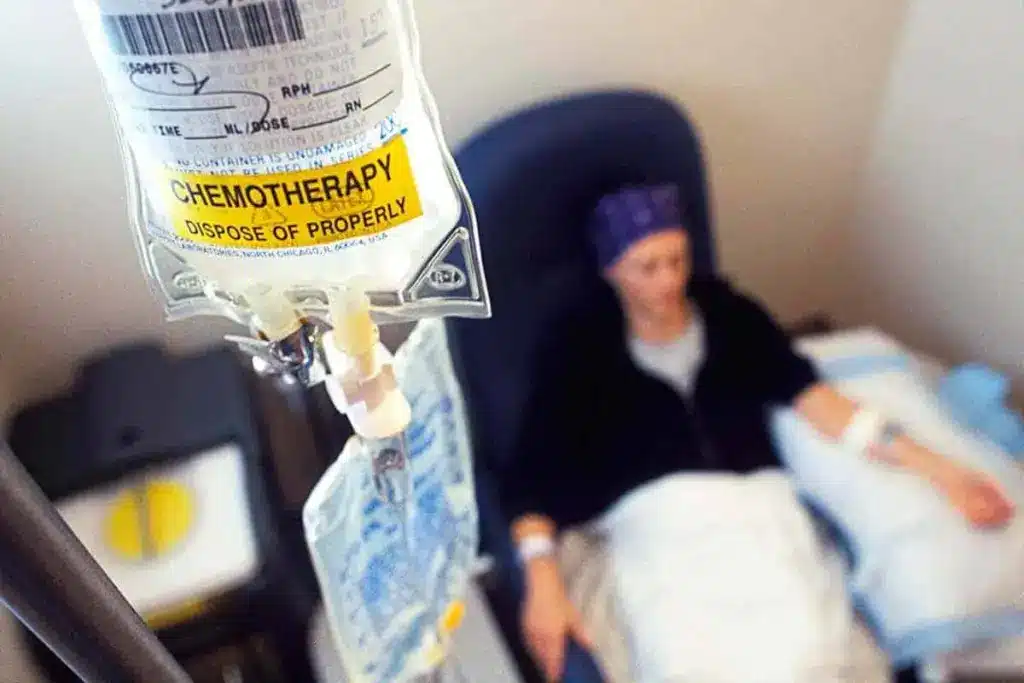
Targeted therapies focus on specific proteins or genes that help cancer grow. This is different from traditional chemotherapy, which can harm both cancer cells and healthy ones.
How Targeted Therapies Attack Cancer Cells
Targeted therapies focus on destroying cancer cells by targeting specific molecules. For example, monoclonal antibodies mark cancer cells for the immune system to destroy.
Other therapies use small molecule inhibitors to block pathways that cancer cells use to grow. This helps slow down or stop cancer cell growth.
Differences Between Targeted Therapy and Traditional Chemotherapy
Targeted therapy and traditional chemotherapy treat cancer differently. Traditional chemotherapy targets all fast-growing cells, including healthy ones.
On the other hand, targeted therapies aim only at cancer cells. This reduces harm to healthy cells, leading to fewer side effects and better quality of life for patients.
|
Characteristics |
Targeted Therapy |
Traditional Chemotherapy |
|---|---|---|
|
Approach |
Targets specific molecules involved in cancer growth |
Targets rapidly dividing cells |
|
Specificity |
Selective towards cancer cells |
Affects both cancerous and healthy cells |
|
Side Effects |
Generally fewer side effects |
Can cause significant side effects due to damage to healthy cells |
Trastuzumab (Herceptin): The Pioneering Targeted Therapy
Trastuzumab has changed how we treat breast cancer. It has made a big difference in treating HER2-positive breast cancer.
Targeting HER2-Positive Breast Cancer
Trastuzumab targets the HER2 protein found in about 20% of breast cancer patients. It stops cancer cells that rely on HER2 from growing. This targeted therapy has greatly improved patient results.
Key benefits of trastuzumab include:
- Improved overall survival rates
- Enhanced disease-free survival
- Reduced risk of cancer recurrence
Improved Survival Rates and Clinical Outcomes
Adding trastuzumab to chemotherapy has greatly helped HER2-positive breast cancer patients. Studies show that using trastuzumab with chemotherapy has increased 10-year disease-free survival rates.
|
Treatment Regimen |
10-Year Disease-Free Survival Rate |
|---|---|
|
Chemotherapy alone |
60% |
|
Chemotherapy + Trastuzumab |
74% |
Data source: Clinical trial results
Trastuzumab has made a huge difference in treating HER2-positive breast cancer. It has brought new hope to patients and doctors.
Comprehensive Drug List for Targeted Cancer Therapies
Targeted therapies are key in modern cancer treatment. They aim at specific targets in cancer cells, reducing harm to healthy cells. This method has led to many treatment options, like monoclonal antibodies and small molecule inhibitors.
These drugs target cancer cells directly. This reduces damage to normal cells. It has opened up new ways to fight cancer, including monoclonal antibodies and small molecule inhibitors.
Monoclonal Antibodies in Clinical Practice
Monoclonal antibodies are a promising cancer treatment. They are made to find and destroy cancer cells. For example, trastuzumab (Herceptin) targets HER2-positive breast cancer, and rituximab treats certain lymphomas.
For more on how well immunotherapy works, visit.
Monoclonal antibodies have made treatments more effective. They offer a targeted approach with fewer side effects than traditional chemotherapy.
Small Molecule Inhibitors and Their Applications
Small molecule inhibitors are another vital targeted therapy. These drugs block specific targets in cancer cells. They are easy to take and can get into cells better than monoclonal antibodies.
For instance, imatinib (Gleevec) treats chronic myeloid leukemia, and erlotinib (Tarceva) helps non-small cell lung cancer with certain EGFR mutations. These drugs have greatly improved survival and quality of life for patients.
Small molecule inhibitors are often used with other treatments. This combination makes them more effective. New small molecule inhibitors are being developed, expanding treatment options for cancers like lung cancer medications.
Targeted Therapies for Breast Cancer Treatment
Targeted therapies have changed how we treat breast cancer. They offer new options beyond traditional chemotherapy.
Advancements Beyond Herceptin
HER2-directed therapies are key for HER2-positive breast cancer. There are more than just Herceptin (trastuzumab) now.
- Pertuzumab (Perjeta): Used with Herceptin, it improves outcomes for HER2-positive breast cancer patients.
- Ado-trastuzumab emtansine (Kadcyla): This drug targets HER2-positive cancer cells directly, protecting healthy cells.
- Neratinib (Nerlynx): It’s used for longer treatment to lower the chance of cancer coming back.
CDK4/6 Inhibitors and Hormone Receptor-Targeted Approaches
CDK4/6 inhibitors have also changed treatment for hormone receptor-positive (HR+) breast cancer.
Some common CDK4/6 inhibitors are:
- Palbociclib (Ibrance): When paired with hormone therapy, it boosts survival time.
- Ribociclib (Kisqali): It also improves survival when used with hormone therapy.
- Abemaciclib (Verzenio): It can be used alone or with hormone therapy, giving doctors more options.
Hormone receptor-targeted treatments, like fulvestrant (Faslodex), are also important for HR-positive breast cancer.
These targeted therapies have greatly improved treatment results for breast cancer patients. They offer more personalized and effective care.
Lung Cancer Medications: Targeted Approaches
Targeted therapies have changed how we treat lung cancer. Now, we can offer treatments that are more precise and effective. This helps patients live better and longer.
EGFR Inhibitors for Non-Small Cell Lung Cancer
EGFR inhibitors are key in treating non-small cell lung cancer (NSCLC). They are most helpful for patients with EGFR mutations. EGFR inhibitors block the EGFR tyrosine kinase domain. This stops tumors from growing and spreading.
Several EGFR inhibitors are used in treatment, like erlotinib, gefitinib, and afatinib. These drugs have greatly improved how long patients can live without their cancer getting worse. They also increase the chances of a good response to treatment.
ALK, ROS1, and Other Molecular Targets
There are other targets in lung cancer, like ALK and ROS1 gene rearrangements. ALK inhibitors such as crizotinib, ceritinib, and alectinib have shown great results in ALK-positive NSCLC. This gives patients with this specific type of cancer a valuable treatment option.
ROS1 rearrangements are less common but crizotinib has also been effective in treating them. Finding these targets and creating treatments for them has greatly expanded our options for lung cancer treatment.
We keep working on new targeted therapies to help patients even more. The future of lung cancer treatment is in precision medicine. This means treatments will be made just for each patient’s unique genetic makeup.
KRAS G12C Inhibitors: Breakthrough for Previously Untreatable Cancers
KRAS G12C inhibitors have changed how we treat some cancers. These new treatments focus on a specific gene change in KRAS. This change was hard to treat before.
Sotorasib and Adagrasib: Mechanism and Efficacy
Sotorasib and adagrasib are leading KRAS G12C inhibitors. Sotorasib blocks the KRAS G12C protein, stopping tumors from growing. Adagrasib also targets this mutation, giving patients another option.
Studies show these drugs work well for non-small cell lung cancer (NSCLC) and other cancers with this mutation. Many patients see their tumors shrink a lot.
Patient Selection and Response Prediction
Choosing the right patients is key for KRAS G12C inhibitors. Biomarker testing finds those with the KRAS G12C mutation. This ensures only those who can benefit are treated.
Figuring out who will respond involves looking at several factors. These include other gene changes and the tumor’s genetic makeup. Researchers are working to improve these predictions, making treatments more precise.
The future of KRAS G12C inhibitors looks bright. They offer targeted treatments for cancers that were hard to fight before. This means better outcomes for patients with few treatment options.
CAR T-Cell Therapy: Revolutionary Immunotherapy Approach
CAR T-cell therapy is a new hope for cancer patients worldwide. It involves taking a patient’s T-cells, changing them to fight cancer, and putting them back in the body.
Engineering T-Cells to Target Cancer
Engineering T-cells is a complex, personal process. It starts with taking T-cells from the blood. These cells are then modified in a lab to find and kill cancer cells.
After modification, the T-cells are grown in number and given back to the patient. They then hunt and destroy cancer cells.
Studies show CAR T-cell therapy works well for some blood cancers. For example, a study found it can lead to high remission rates in certain lymphomas and leukemias.
80% Remission Rates in Specific Blood Cancers
CAR T-cell therapy is most effective in blood cancers. Trials have shown remission rates up to 80% in some cases. This shows its huge promise in treating hard-to-treat cancers.
Experts say CAR T-cell therapy is changing cancer treatment. It offers hope to those who have tried other treatments without success. ()
“The advent of CAR T-cell therapy has marked a significant shift in our approach to cancer treatment, providing a highly targeted and effective option for patients with specific types of blood cancers.”
|
Cancer Type |
Remission Rate |
Treatment Response |
|---|---|---|
|
Relapsed/Refractory Large B-Cell Lymphoma |
Up to 80% |
High response rate to CAR T-cell therapy |
|
Acute Lymphoblastic Leukemia (ALL) |
60-90% |
Significant improvement in treatment outcomes |
Targeted Therapies for Colorectal and Gastrointestinal Cancers
Targeted therapies are becoming key in treating colorectal and gastrointestinal cancers. They offer new hope for better outcomes in these tough cancers. Researchers are working hard to find more effective treatments.
Anti-EGFR and Anti-VEGF Strategies
Anti-EGFR therapies are showing promise in treating some gastrointestinal cancers. For example, cetuximab and panitumumab target EGFR. They are helping patients with metastatic colorectal cancer who have certain genetic mutations.
Anti-VEGF therapies, like bevacizumab, cut off a tumor’s blood supply. This slows down tumor growth. These treatments are used with chemotherapy for various gastrointestinal cancers.
|
Therapy Type |
Drug Examples |
Cancer Type |
|---|---|---|
|
Anti-EGFR |
Cetuximab, Panitumumab |
Metastatic Colorectal Cancer |
|
Anti-VEGF |
Bevacizumab |
Various Gastrointestinal Cancers |
Precision Approaches for BRAF-Mutated Tumors
BRAF mutations are found in some colorectal cancers and are linked to a worse prognosis. Targeted therapies like dabrafenib and encorafenib are effective. For instance, encorafenib with cetuximab has improved survival for patients with BRAF V600E-mutant metastatic colorectal cancer.
“The advent of targeted therapies has transformed the landscape of cancer treatment, opening new paths for better patient outcomes in colorectal and gastrointestinal cancers.”
As we learn more about the genetics of gastrointestinal cancers, we’ll see more targeted treatments. Using these therapies in patient care will be vital for better survival rates.
Managing Drug Interactions with Targeted Cancer Therapies
Managing drug interactions is key to making targeted cancer therapies work well and safely. These therapies are getting more complex and tailored to each patient. It’s important for doctors to know about possible interactions.
Common Interaction Mechanisms and Concerns
Targeted therapies can mix with other drugs in different ways. For example, many are broken down by the cytochrome P450 system. This can cause problems when other drugs change how these enzymes work.
Some big worries include:
- Metabolic Interactions: Drugs that change how cytochrome P450 enzymes work can affect the levels of targeted therapies. This might make them less effective or more harmful.
- Transporter-Mediated Interactions: These interactions can change how targeted therapies are absorbed and spread in the body.
- Pharmacodynamic Interactions: Mixing targeted therapies with other treatments can make side effects worse.
Practical Management Strategies for Clinicians
Doctors should use a detailed plan to handle drug interactions. This includes:
- Thorough Medication Review: Always check a patient’s list of medications for possible problems.
- Monitoring: Watch patients closely for signs of drug interactions, like changes in blood tests or side effects.
- Dose Adjustments: Change the doses of targeted therapies or other drugs to avoid interactions.
- Patient Education: Teach patients to tell their doctors about all their medications, including over-the-counter drugs and supplements. This helps prevent interactions.
By knowing how interactions work and using good management strategies, doctors can reduce risks. This helps patients get the most from targeted cancer therapies.
Economic Considerations and Access to Targeted Therapies
Getting to targeted therapies is tricky, with many economic factors at play. As we move forward in cancer research, the money side of these treatments gets more important.
Cost Implications of Precision Medicine
Targeted therapies are pricey. Research and development costs and the expenses of clinical trials, making and sending out the drugs, all add up. Making monoclonal antibodies, a key type of therapy, is complex and costly.
The costs don’t stop at the drug. Administration costs, like the cost of doctors, hospitals, and tools, also add up. Plus, keeping an eye on side effects and managing them adds more to the bill.
Insurance Coverage and Patient Assistance Programs
Insurance is key for getting to targeted therapies. Variability in insurance plans means some cover more than others. Without good insurance, patients might struggle to get the treatments they need.
Patient assistance programs help a lot. These, often from drug companies, offer financial help or free meds to those who qualify. They make it easier for people to get the treatments they need.
Understanding the mix of costs, insurance, and help programs is vital. It helps make sure everyone can get the cancer treatments they need. By grasping these points, we can help make treatment more accessible and supportive for patients.
Implementation of Academic Protocols in Targeted Therapy
Standardization through academic protocols is key for effective targeted therapy. As cancer treatment gets more complex, sticking to strict standards is vital. It ensures patients get the best care available.
Standardizing Treatment Approaches
We know standardizing treatment is vital for better patient outcomes in targeted therapy. By using academic protocols, healthcare providers can make sure care is consistent everywhere.
The advantages of standardization include:
- Improved patient outcomes due to consistent treatment approaches
- Enhanced collaboration among healthcare professionals
- Better data collection for research purposes
|
Aspect |
Standardized Approach |
Non-Standardized Approach |
|---|---|---|
|
Patient Outcomes |
Consistently improved |
Variable |
|
Healthcare Collaboration |
Enhanced |
Limited |
|
Data Collection |
Efficient and reliable |
Inconsistent |
Livhospital’s Approach to International Oncology Standards
At Livhospital, we follow international oncology standards to ensure top-notch care for our patients. Our strategy includes:
- Regular training for healthcare professionals on the latest treatment protocols
- Participation in global research initiatives to stay updated on targeted therapy
- Implementation of standardized treatment guidelines across all departments
By following these standards, we improve patient care and help the global fight against cancer.
Future Directions in Targeted Cancer Therapy
New targets and treatments are changing cancer therapy. This brings hope to patients. Research is moving towards more precise and effective treatments.
Emerging Targets and Novel Agents in Development
Finding new targets is key for better treatments. Recent studies have found many molecular targets for different cancers.
- NTRK fusions: These genetic changes are in many cancers and can be treated with specific drugs.
- BRAF mutations: Not just in melanoma, BRAF mutations are also targeted in other cancers, like colorectal cancer.
- PI3K/AKT pathway: This pathway is often changed in cancer and is a focus for new treatments.
New drugs are being made to target these new targets. These include:
- Larotrectinib and Entrectinib: TRK inhibitors for cancers with NTRK fusions.
- Dabrafenib and Trametinib: Used together for BRAF-mutated cancers.
- Ipatasertib and Capivasertib: AKT inhibitors being tested for various cancers.
Overcoming Resistance Mechanisms
Resistance to treatments is a big problem. Ways to tackle this include:
- Combination therapies: Using several targeted agents to block other pathways.
- Next-generation inhibitors: Making drugs that can get past resistance mutations.
- Liquid biopsies: Checking for resistance mutations with blood tests.
Conclusion: The Transformative Impact of Targeted Therapies
Targeted therapies have changed cancer treatment, bringing hope to patients everywhere. These therapies have greatly improved how well patients do, changing cancer care for the better.
For example, Trastuzumab (Herceptin) has helped those with HER2-positive breast cancer live longer. More drugs are being made to fight cancer, like monoclonal antibodies and small molecule inhibitors. These are key in treating cancer today.
Targeted therapies are making a big difference in many cancers, like breast, lung, and colorectal. As we learn more, new targets and treatments are being found. This helps patients fight cancer better.
Hospitals like Livhospital are leading the way by using the best cancer treatments. They make sure patients get care that’s just right for them. With ongoing research, the future of fighting cancer looks bright.
FAQ
What is targeted therapy, and how does it differ from traditional chemotherapy?
Targeted therapy is a treatment that focuses on cancer’s specific genes or proteins. It’s more precise than traditional chemotherapy, which harms fewer healthy cells.
What are some examples of targeted therapies used in cancer treatment?
Examples include trastuzumab (Herceptin) for HER2-positive breast cancer. KRAS G12C inhibitors like sotorasib are used for lung cancer. EGFR inhibitors help with non-small cell lung cancer.
How do monoclonal antibodies work in targeted cancer therapies?
Monoclonal antibodies target specific proteins on cancer cells. They mark these cells for destruction by the immune system or block their growth signals.
What are small molecule inhibitors, and how are they used in targeted therapies?
Small molecule inhibitors block specific molecular targets in cancer cells. They treat various cancers, like lung and breast cancer.
Can you explain the role of CDK4/6 inhibitors in breast cancer treatment?
CDK4/6 inhibitors block proteins in cell cycle progression. They’re used with hormone therapies for hormone receptor-positive breast cancer.
How do targeted therapies manage drug interactions, and what are the common concerns?
Managing drug interactions involves understanding how targeted therapies interact with other medications. Adjustments are made to treatment plans as needed.
What are the economic considerations affecting access to targeted therapies?
The high cost of targeted therapies can limit access. Insurance coverage and patient assistance programs help reduce these costs.
How are targeted therapies being developed to overcome resistance mechanisms?
Researchers are creating new targeted therapies and combination regimens. They aim to overcome resistance, like secondary mutations in target genes.
What is the future of targeted cancer therapy, and what emerging targets are being explored?
The future involves new targets and agents. Improving patient selection and response prediction will lead to more effective treatments.
How does CAR T-cell therapy work, and what are its applications in cancer treatment?
CAR T-cell therapy engineers T-cells to target cancer cells. It has shown high remission rates in certain blood cancers, like leukemias and lymphomas.
What are the benefits of targeted therapies in improving patient outcomes?
Targeted therapies offer better efficacy and reduced toxicity. They improve quality of life for patients with specific genetic or molecular profiles.
References
New England Journal of Medicine. Evidence-Based Medical Insight. Retrieved from https://pmc.ncbi.nlm.nih.gov/articles/PMC10310991/

























