
Did you see small yellow or white spots during your last eye exam? Your doctor might have called them drusen. These tiny spots under your retina could mean you’re at risk for age-related macular degeneration. This is a big cause of vision loss in older people. Learn about drusen syndrome disease. This ultimate guide explains the symptoms, causes, and link to macular degeneration.
At Liv Hospital, we know how important it is to understand drusen. Knowing their symptoms and when to see a doctor helps protect your vision. Drusen are small lipid deposits that form under the retina. They sit between Bruch’s membrane and the retinal pigment epithelium.
Key Takeaways
- Drusen are small yellow or white deposits that accumulate under the retina.
- They are associated with age-related macular degeneration (AMD).
- Recognizing symptoms and seeking professional evaluation is critical.
- Drusen can be hard or soft, varying in size and distribution.
- Protecting central vision is essential for maintaining quality of life.
Understanding Drusen: Definition and Formation
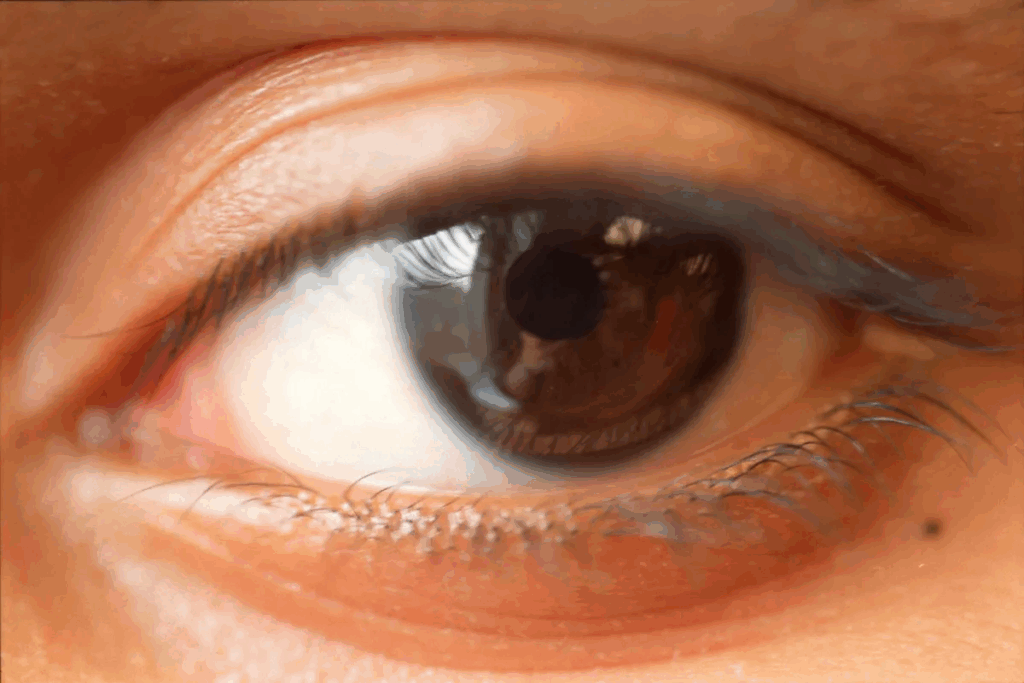
Drusen are tiny deposits that build up under the retina. They are key in diagnosing and managing eye disorders. Drusen are a sign of age-related macular degeneration (AMD) and other retinal conditions.
What Are Drusen Made Of?
Drusen are made of small protein material that turns into calcium as we age. They are mostly fatty proteins and waste from cells. The exact mix can vary, but they are mostly cellular waste and lipids.
Key Components of Drusen:
- Lipids
- Proteins
- Cellular waste products
- Calcified deposits
Location of Drusen in the Eye
Drusen form under the retina, between the retina and the choroid. This area is important because it can harm the retina and cause vision issues.
How Drusen Develop Over Time
Drusen form when waste material builds up under the retina. Over time, they can grow and cause damage to the retina. Aging, genetics, and lifestyle can affect how drusen form and grow.
Stage | Description | Potential Impact |
Early Stage | Small, hard drusen | Minimal impact on vision |
Intermediate Stage | Soft, larger drusen | Potential for vision changes |
Advanced Stage | Large, confluent drusen | Significant risk of vision loss |
As we get older, the chance of getting drusen goes up. Regular eye checks are key for catching them early. Knowing about drusen helps keep our eyes healthy and prevents vision loss.
“The presence of drusen is a significant risk factor for the development of age-related macular degeneration, stressing the importance of regular monitoring and timely action.”
— Expert Opinion
Types of Drusen: Hard vs. Soft
Drusen are a key sign of age-related macular degeneration. They come in two main types: hard and soft drusen. Knowing the difference is key to diagnosing and treating macular diseases well.
Hard Drusen Characteristics and Significance
Hard drusen are small and have clear edges. They are common in older people and are a sign of aging eyes. Hard drusen usually don’t cause big vision problems but might show early signs of macular degeneration.
Soft Drusen Characteristics and Risks
Soft drusen are bigger and have fuzzy edges. They often group together and raise the risk of serious macular degeneration. Soft drusen are a bigger risk for wet AMD.
“The difference between hard and soft drusen is key. It helps us figure out the risk and how to manage it for patients with macular degeneration.”
— Expert Opinion
Drusen Size and Distribution Patterns
The size and how drusen spread out also matter. Bigger drusen and more of them mean a higher risk. We use special imaging to check the size, number, and spread of drusen.
Drusen Type | Characteristics | Risk Association |
Hard Drusen | Small, punctate, well-defined borders | Lower risk, common in aging |
Soft Drusen | Larger, indistinct borders, tend to cluster | Higher risk, associated with AMD progression |
By knowing about drusen types and their traits, we can better see the risk of macular degeneration. This helps us plan the best treatment.
Drusen Syndrome Disease: Causes and Risk Factors
It’s important to know what causes drusen syndrome disease to catch it early. If not treated, it can cause vision loss. We’ll look at what leads to drusen in the eye.
Genetic Predisposition
Genetics play a big role in drusen syndrome disease. If your family has macular degeneration, you might get drusen too. Studies show certain genes raise the risk of age-related macular degeneration (AMD), linked to drusen.
Age as a Primary Factor
Age is a big factor in drusen syndrome disease. Drusen risk goes up after 50. As we get older, our retina changes, leading to drusen. Regular eye checks are key, mainly for older people.
Lifestyle and Environmental Contributors
Our lifestyle and environment also affect drusen syndrome disease. Smoking and high cholesterol are risks. Eating poorly can also increase risk. Eating well, with lots of fruits, veggies, and omega-3s, helps eye health.
Medical Conditions Associated with Drusen
Some medical issues raise the risk of drusen syndrome disease. Heart disease and high blood pressure are examples. Treating these conditions can lower the risk.
The following table summarizes the key risk factors associated with drusen syndrome disease:
Risk Factor | Description | Impact on Risk |
Genetic Predisposition | Family history of macular degeneration | High |
Age | Increased risk after age 50 | High |
Smoking | Tobacco use | Moderate to High |
High Cholesterol | Elevated cholesterol levels | Moderate |
Cardiovascular Disease | Presence of cardiovascular conditions | Moderate to High |
In conclusion, drusen syndrome disease is caused by genetics, age, lifestyle, and environment. Knowing these factors helps in early detection and management. A healthy lifestyle and managing health conditions can lower the risk of drusen syndrome disease and vision loss.
The Relationship Between Drusen and Age-Related Macular Degeneration
It’s important to know how drusen and age-related macular degeneration (AMD) are connected. Drusen are yellow deposits under the retina. They show a high risk of getting AMD.
Drusen as an Early Warning Sign
Drusen are a sign of AMD early on. Soft drusen, in particular, mean a higher risk of AMD. We’ll look at how drusen’s features show if AMD might happen.
Key characteristics of drusen that indicate a higher risk include:
- Large size
- Soft, diffuse appearance
- Clustering or confluence of drusen
Progression from Drusen to Dry AMD
Drusen turning into dry AMD is a slow process. It involves the retinal pigment epithelium and photoreceptors getting worse. We’ll talk about what makes this happen and how to keep an eye on it.
Factors influencing progression include:
- Age and genetic predisposition
- Lifestyle factors such as smoking and diet
- Presence of other retinal diseases
Risk of Developing Wet AMD
Drusen are more linked to dry AMD, but they also raise the chance of wet AMD. We’ll look at why this is and why regular checks are key.
Statistical Correlation and Predictive Value
Many studies have found a link between drusen and AMD. We’ll see how drusen help doctors predict AMD and guide treatment.
Statistical correlations have shown that:
Drusen Characteristics | Risk of AMD |
Small, hard drusen | Low risk |
Large, soft drusen | High risk |
In conclusion, drusen and AMD have a complex relationship. Knowing about this is key for early detection and treatment. It could even help stop AMD from getting worse.
Key Symptoms of Drusen in the Eye
Knowing the symptoms of drusen is key for early treatment. Drusen are yellow spots under the retina that can cause vision problems. We’ll cover the main symptoms to help you spot them.
Early Visual Changes Often Overlooked
In the beginning, drusen might not show symptoms. But, you might notice slight blurriness or vision distortion. It’s important to catch these early signs.
Blurred and Distorted Central Vision
As drusen grow, vision problems get worse. Blurred and distorted central vision make everyday tasks hard. Straight lines might look wavy, showing a big vision change.
Difficulty Adapting to Low Light Conditions
Drusen also make it hard to see in dim light. It’s tough to move around in dark places or adjust from bright to dark. This affects daily life a lot.
Development of Central Blind Spots
In serious cases, drusen cause blind spots in the middle of your vision. These spots, or scotomas, make it hard to see things right in front of you. Spotting these symptoms early is key to getting help.
Knowing these symptoms helps manage drusen and prevent vision loss. If you notice any, see an eye doctor for a check-up.
Diagnosing Drusen: Tests and Procedures
To find out if you have drusen, doctors use many tests. It’s key to know for sure to avoid problems later.
Comprehensive Eye Examination Process
First, you get a full eye check. This starts with a test to see how well you can see. Then, a special exam lets doctors see the back of your eye well.
Advanced Imaging Technologies
Modern tools help find drusen. Optical Coherence Tomography (OCT) gives clear pictures of your retina. This helps spot drusen and how big they are.
An expert says, “OCT has changed how we see retinal diseases like drusen. It gives us pictures we couldn’t get before.”
“The use of OCT has significantly improved our ability to diagnose and monitor retinal conditions.”
Amsler Grid Testing
The Amsler grid test is also used. You look at a grid with a dot in the middle. If the grid looks off, it might mean you have drusen.
Differential Diagnosis Considerations
Doctors have to figure out if it’s really drusen. They look at other eye problems that might look like drusen. This means they use all they can to make sure it’s drusen.
In short, finding drusen takes a lot of tests and careful checking. With these tools, doctors can find drusen and plan the best treatment.
Treatment Options for Drusen and Associated Conditions
Drusen in the eye need careful watching and sometimes treatment to stop them from getting worse. They often come with age-related macular degeneration (AMD). It’s key to manage them to keep your vision sharp.
Monitoring and Watchful Waiting Approach
At first, many with drusen just need regular check-ups and to wait and see. They get eye exams to watch how the drusen change. Regular check-ups help spot any bad changes early, so doctors can act fast.
Tools like optical coherence tomography (OCT) help watch drusen. They give clear pictures of the retina. This lets doctors see how the macula is doing and spot any issues.
Medical Interventions for Progression
There’s no cure for drusen, but some treatments can slow down AMD. Anti-vascular endothelial growth factor (anti-VEGF) therapy is used for wet AMD. This is a serious condition that can happen with drusen.
Doctors also suggest taking vitamins C and E, zinc, and omega-3 fatty acids. These, based on the Age-Related Eye Disease Study (AREDS), might help slow AMD.
Surgical Approaches for Advanced Cases
For serious cases, surgery might be an option. In the past, laser treatment was used for drusen. But now, there are better treatments for wet AMD.
Emerging Therapies and Clinical Trials
There’s always new research on drusen and AMD. Gene therapy, stem cell therapy, and other new treatments are being tested. They aim to fix the root causes of AMD and stop it from getting worse.
Joining clinical trials can give patients access to new treatments. These trials are key to finding better ways to treat drusen and AMD.
Living with Drusen: Management Strategies
Living with drusen means taking care of your eyes in many ways. Drusen is linked to aging and can lead to age-related macular degeneration (AMD). It’s important to manage it well to keep your vision sharp.
Lifestyle Modifications for Eye Health
Changing your lifestyle can help manage drusen. Quitting smoking is key because smoking increases AMD risk. Regular physical activity and a healthy weight also boost eye health.
- Exercise regularly to improve circulation and overall health.
- Maintain a healthy diet rich in fruits, vegetables, and omega-3 fatty acids.
- Avoid smoking and limit exposure to secondhand smoke.
Dietary Considerations and Supplements
Eating foods like leafy greens and omega-3 fatty acids is good for your eyes. Supplements, like those from the Age-Related Eye Disease Study (AREDS), can also slow drusen growth.
Nutrient | Food Sources | Benefit |
Omega-3 Fatty Acids | Salmon, Walnuts | Supports eye health |
Lutein and Zeaxanthin | Leafy Greens, Eggs | Protects macula |
Vitamin C | Citrus Fruits, Berries | Antioxidant properties |
Adaptive Technologies for Vision Changes
Drusen can change how you see things. Adaptive technologies like magnifying glasses and devices with text-to-speech can help you adjust.
Regular Monitoring Schedule Importance
Getting regular eye exams is key to tracking drusen. It helps catch any changes early. This way, you can act fast and adjust your care plan as needed.
- Schedule regular eye exams as recommended by your eye care professional.
- Monitor your vision changes and report them to your doctor.
- Adjust your management plan as necessary based on professional advice.
Conclusion
Drusen syndrome disease is a condition where drusen build up in the macula. This area is key for clear vision. Knowing about drusen and their link to age-related macular degeneration (AMD) is vital for early treatment.
Drusen in the macula, common in AMD, can greatly affect daily life. If not treated, it can lead to vision loss. Spotting drusen early is key to saving vision.
Learning about drusen and AMD helps people understand their risk. Regular eye checks and a healthy lifestyle are important. They help manage drusen and lower the chance of losing vision.
It’s important to spread the word about drusen and AMD. This helps patients take charge of their eye health. With the right information, people can make better choices for their vision, improving their life quality.
FAQ
What are drusen in the eye?
Drusen are small lipid deposits that build up under the retina. They are often linked to age-related macular degeneration (AMD).
What are the symptoms of macular drusen?
Symptoms include blurred and distorted central vision. You might also have trouble seeing in low light and develop blind spots.
What is the difference between hard and soft drusen?
Hard drusen are smaller and clearer. Soft drusen are larger and more likely to be a sign of AMD.
How are drusen diagnosed?
A thorough eye exam, advanced imaging, and Amsler grid testing help diagnose drusen.
Can drusen be treated?
There’s no cure for drusen. But, treatments include monitoring, medical interventions, and surgery for severe cases.
Are there any lifestyle modifications that can help manage drusen?
Yes, eating well, not smoking, and exercising can support your eye health.
What is the relationship between drusen and age-related macular degeneration?
Drusen are an early sign of AMD. They increase the risk of developing dry or wet AMD.
Can drusen cause blindness?
Drusen themselves don’t usually cause blindness. But, they can lead to AMD, which can cause vision loss if untreated.
How often should I have my eyes checked if I have drusen?
Regular check-ups are key. How often you need an eye exam depends on your condition and your doctor’s advice.
Are there any emerging therapies or clinical trials for drusen and AMD?
Yes, researchers are looking into new treatments and clinical trials for drusen and AMD.
What is drusen syndrome disease?
Drusen syndrome disease is when drusen are present in the eye. It’s often linked to genetics and other risk factors.
How do drusen affect vision?
Drusen can cause early vision problems. These include blurred vision, distorted central vision, and trouble seeing in low light.
References
National Center for Biotechnology Information. Evidence-Based Medical Guidance. Retrieved from https://www.ncbi.nlm.nih.gov/books/NBK580547/