Choosing to have a cholecystectomy is a big decision. It often helps with gallstones and gallbladder problems. But, some people keep feeling symptoms after the surgery.
bile dumping syndrome after gallbladder removal is a common issue for many after gallbladder removal surgery. It brings a mix of stomach problems that can really affect how well you live.
About 40% of those who have the surgery deal with PCS. Knowing the symptoms and how to feel better is key to handling it well.
Key Takeaways
- Post-cholecystectomy syndrome affects a significant portion of patients after gallbladder removal.
- PCS is characterized by various gastrointestinal symptoms.
- Understanding PCS symptoms is key to managing it well.
- There are ways to make life better for PCS patients.
- Getting the right diagnosis and treatment can really help PCS outcomes.
Understanding Post Cholecystectomy Syndrome (PCS)
It’s important to know about Post Cholecystectomy Syndrome (PCS) to manage symptoms after gallbladder removal. PCS is a set of symptoms that happen after the gallbladder is taken out.
Definition and Prevalence Rates
PCS brings a mix of gastrointestinal symptoms that can really affect a person’s life. It’s found in 10% to 40% of people after gallbladder surgery.
The reasons for this wide range in numbers are different study groups and how PCS is defined. Symptoms include stomach pain, nausea, vomiting, and changes in bowel movements.
Timeframe for Symptom Development
Symptoms of PCS can start at any time after surgery. Some feel them right away, while others wait months or years. Symptoms can start from 2 days to 25 years after surgery.
This shows why it’s key to keep up with care for a long time after gallbladder surgery.
Risk Factors for Developing PCS
There are certain factors that might make someone more likely to get PCS. These include:
- Pre-existing gastrointestinal conditions: People with conditions like irritable bowel syndrome (IBS) might be more at risk.
- Surgical complications: Issues during or after surgery, like bile duct injury, can raise the risk of PCS.
- Patient factors: Age, sex, and health can also play a part in the risk of PCS.
Knowing these risk factors helps doctors spot who might get PCS and how to help them.
What Causes Post Cholecystectomy Syndrome?
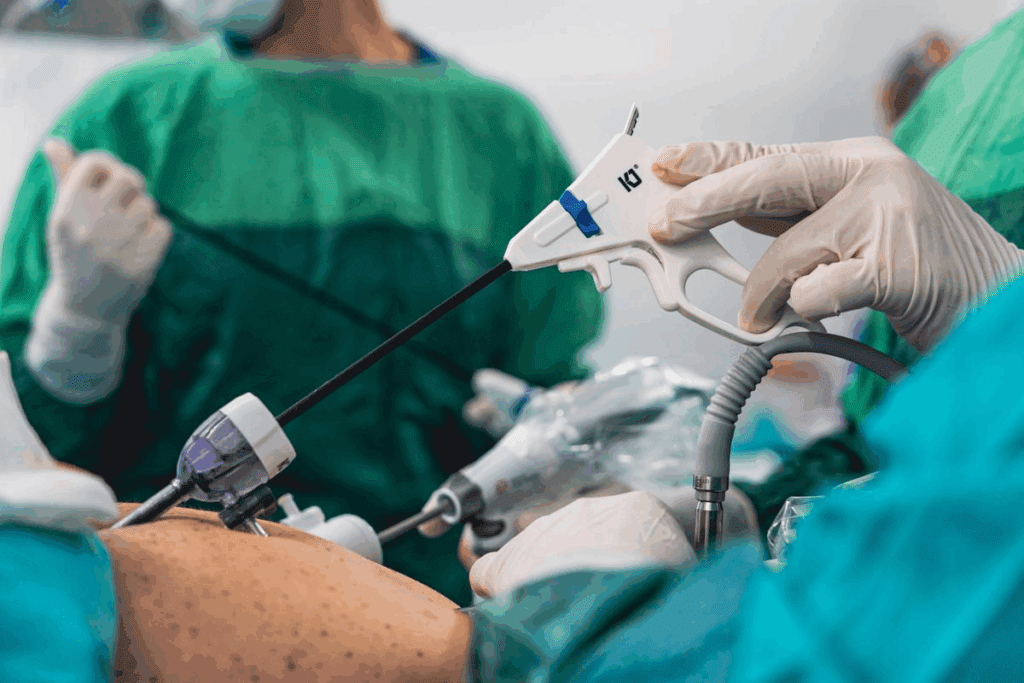
PCS is caused by a mix of body changes, how the body works, and surgery. Knowing these reasons helps manage symptoms and improve health outcomes.
Anatomical Changes After Gallbladder Removal
Removing the gallbladder changes the biliary system a lot. The bile duct takes over some gallbladder tasks. But, this can cause problems like bile duct swelling and Oddi sphincter dysfunction.
These changes can affect how bile flows and is stored. This might lead to PCS symptoms. Research shows up to 40% of patients get bile duct swelling after surgery.
Physiological Adaptations in the Biliary System
After the gallbladder is removed, the biliary system changes. The liver keeps making bile, but it goes straight to the small intestine without the gallbladder.
This change can make bile flow more often into the duodenum. This might cause digestive problems. Over time, the body might adjust, but some people keep feeling symptoms.
Common Surgical Complications
Complications during or after gallbladder surgery can lead to PCS. These issues include:
- Bile duct injuries
- Biliary strictures
- Sphincter of Oddi dysfunction
- Retained gallstones
| Surgical Complication | Frequency | Potential Impact on PCS |
|---|---|---|
| Bile duct injuries | 0.3-0.5% | Can lead to chronic symptoms and require additional interventions |
| Biliary strictures | 0.5-1.0% | May cause ongoing digestive issues and pain |
| Sphincter of Oddi dysfunction | 1.4-4.1% | Can result in abdominal pain and digestive disturbances |
Knowing the causes of PCS is key to managing it. By tackling the body changes, how the body works, and surgery issues, doctors can help patients feel better. This improves their quality of life.
Bile Dumping Syndrome After Gallbladder Removal: The Primary Mechanism
After removing the gallbladder, bile dumping syndrome often occurs. This happens because bile flows into the intestine without control. The gallbladder used to store and release bile in a controlled way.
How Bile Flow Changes Without a Gallbladder
Without a gallbladder, the body can’t control bile release as well. The gallbladder stored bile from the liver and released it with food. Now, bile flows straight into the small intestine all the time.
This constant flow can irritate the intestine and upset digestion. It can cause inflammation and irritation, leading to pain and discomfort.
Impact on Digestive Processes
Bile dumping syndrome affects how we digest food. Bile helps with fat digestion and vitamin absorption. But without control, it can cause inefficient fat digestion and other problems.
Patients might get diarrhea because of the bile. It can also upset the balance of gut bacteria. This shows why managing bile dumping is key to avoiding long-term issues.
Relationship to Other PCS Symptoms
Bile dumping syndrome is linked to other PCS symptoms. It can cause nausea, vomiting, and pain in the abdomen. It can also lead to malabsorption of fats and vitamins.
Understanding this connection is vital for treating PCS. By tackling bile dumping, doctors can help reduce many PCS symptoms. This improves patients’ quality of life.
Symptom #1: Right Upper Quadrant Abdominal Pain (72% of Cases)
Post-cholecystectomy syndrome often shows as right upper quadrant abdominal pain in about 72% of cases. This pain can be very distressing. It might feel like the pain before surgery, causing worry and confusion for patients.
Characteristics and Pain Patterns
The pain in the right upper quadrant can be different for everyone. Some feel a dull ache that lasts, while others have sharp pain that comes and goes. Many things can affect the pain, like what you eat, how active you are, and stress levels.
Pain Characteristics:
- Location: Right upper quadrant of the abdomen
- Intensity: Varying from mild to severe
- Duration: Can be persistent or intermittent
- Triggers: Often related to food consumption or physical activity
Differentiating from Other Conditions
It’s important to tell the difference between this pain and other conditions. Similar pain can come from biliary dyskinesia, Oddi dysfunction, or even muscle problems.
Diagnostic Considerations:
- Medical history and physical examination
- Imaging studies (e.g., ultrasound, CT scan)
- Laboratory tests (e.g., liver function tests)
Relief Solutions for Post-Cholecystectomy Pain
Managing pain after cholecystectomy needs a few steps. We suggest changing your diet, making lifestyle changes, and sometimes using medicine.
Relief Strategies:
| Strategy | Description | Potential Benefits |
|---|---|---|
| Dietary Modifications | Avoiding fatty foods, eating smaller meals | Reduces digestive strain, alleviates pain |
| Lifestyle Changes | Regular exercise, stress management | Improves overall health, reduces pain frequency |
| Pharmacological Interventions | Pain relief medications, bile acid sequestrants | Directly addresses pain, manages related symptoms |
Understanding the pain and using the right strategies can really help. Patients with post-cholecystectomy syndrome can see a big improvement in their life quality.
Symptom #2: Persistent Nausea and Vomiting (50.7% of Cases)
After gallbladder surgery, many people feel sick and vomit a lot. This happens to about 50.7% of people. These feelings can really upset daily life. We’ll look at what causes these symptoms, how they affect daily life, and how to feel better.
Triggers and Timing of Symptoms
Nausea and vomiting can start for many reasons after gallbladder surgery. Changes in diet, food intolerances, and the body adjusting to life without a gallbladder are common causes. When these symptoms start can vary a lot. Some people feel sick right after surgery, while others may not notice symptoms until weeks or months later.
Without a gallbladder, bile goes straight to the small intestine. This can cause digestive problems. Eating fatty foods can make nausea and vomiting worse because the body has trouble digesting fats without the gallbladder’s help.
Impact on Daily Life
Nausea and vomiting can really affect a person’s life. Even simple things like eating or thinking about food can be hard. Feeling sick all the time can lead to fatigue, dehydration, and nutritional problems if not managed well.
The mental side of feeling sick all the time is also important. The worry and stress from unpredictable sickness can make things worse. It creates a cycle of discomfort and distress.
Relief Solutions for Nausea After Gallbladder Surgery
There are ways to make nausea and vomiting better after gallbladder surgery. Changing what you eat is often the first step. Eating smaller meals more often and avoiding fatty foods can help.
- Eating a low-fat diet can ease the digestive system’s work.
- Staying away from foods that make you uncomfortable or intolerant.
- Drinking lots of water to stay hydrated.
- Trying supplements like bile salts or digestive enzymes to help with fat digestion.
In some cases, you might need medicine to help with nausea and vomiting. Doctors can prescribe anti-nausea drugs or suggest other treatments based on your needs.
Symptom #3: Chronic Diarrhea and Digestive Disturbances
Chronic diarrhea is common after gallbladder surgery. It happens because of changes in how bile flows. Without a gallbladder, the body can’t control bile release as well, causing digestive problems.
Bile Salt-Induced Diarrhea Mechanisms
Bile salt-induced diarrhea happens when bile salts reach the colon. This causes water to be secreted and the colon to move more. It can lead to:
- More frequent bowel movements
- Loose or watery stools
- Urgency and possible fecal incontinence
Without a gallbladder, the intestines get too much bile. This leads to bile salt-induced diarrhea. It really affects a person’s quality of life.
Impact on Nutrient Absorption
Chronic diarrhea can cause malabsorption of important nutrients. This includes:
- Fat-soluble vitamins (A, D, E, K)
- Bile salts themselves, creating a vicious cycle
- Other nutrients because of fast transit time
This malabsorption can cause weight loss, fatigue, and other issues. Patients might need to change their diet to manage these problems.
Relief Solutions for Post-Cholecystectomy Diarrhea
There are ways to help with chronic diarrhea after gallbladder surgery:
- Dietary changes: Eating smaller, more frequent meals and avoiding certain foods
- Bile acid sequestrants: Medications that bind to bile acids, reducing their effect on the colon
- Antidiarrheal medications: To slow down bowel movements
- Probiotics: To keep the gut microbiome healthy
It’s key for patients to work with their healthcare provider to find the best solutions for their situation.
Symptom #4: Dyspepsia and Indigestion (30.5% of Cases)
After having their gallbladder removed, some people face dyspepsia. This condition makes their life less enjoyable. Dyspepsia is like indigestion or an upset stomach. We’ll look into how it shows up and what causes it in those with post-cholecystectomy syndrome (PCS).
Common Manifestations and Triggers
Dyspepsia in PCS patients can show up in many ways. They might feel bloating, discomfort, and nausea after eating. Some foods or drinks can set off these symptoms.
Common culprits include fatty or greasy foods, spicy meals, and caffeinated drinks.
Relationship to Meal Timing and Content
When and what you eat can make dyspepsia worse. Eating big meals or not chewing well can make symptoms worse. It’s important to pay attention to how you eat.
Some find relief by eating small, frequent meals and avoiding certain foods. Keeping a food diary can help figure out which foods are troublemakers.
Relief Solutions for Post-Cholecystectomy Dyspepsia
Dealing with dyspepsia after gallbladder removal needs a few steps. Changing your diet, lifestyle, and sometimes getting medical help can help. It’s best to work with your doctor to find what works for you.
- Eat smaller, more frequent meals to ease digestion.
- Avoid foods that trigger symptoms.
- Consider over-the-counter antacids or acid reducers.
- Practice stress-reducing techniques, such as meditation or deep breathing.
Knowing what causes dyspepsia and using these tips can help PCS patients feel better. This can make their life much more enjoyable.
Symptom #5: Biliary Sludge and Stone Formation
After a cholecystectomy, some patients may face biliary sludge and stone formation. This issue needs careful management. It can happen because of changes in the biliary system after gallbladder removal.
Development Mechanisms
Several factors contribute to biliary sludge and stone formation after cholecystectomy. Altered bile flow and composition are key. Without a gallbladder, bile storage and release into the intestine change. This can cause bile salts to precipitate, forming sludge or stones.
Another factor is bile duct dysfunction. After gallbladder removal, bile ducts might not work right. This can lead to bile stasis, raising the risk of sludge and stone formation.
Detection Methods and Diagnosis
Diagnosing biliary sludge and stone formation involves several tests. Ultrasound is often the first choice to spot sludge and stones in bile ducts. Sometimes, Magnetic Resonance Cholangiopancreatography (MRCP) is used for detailed biliary system images.
Endoscopic procedures, like Endoscopic Retrograde Cholangiopancreatography (ERCP), can diagnose and treat. They allow for stone and sludge removal.
Relief Solutions for Biliary Complications
Managing biliary sludge and stone formation requires medical and sometimes interventional approaches. Ursodeoxycholic acid (UDCA) may be given to dissolve certain stones and improve bile flow.
When stones cause big problems or complications, endoscopic removal during ERCP might be needed. Making lifestyle changes, like diet, can also help manage symptoms and prevent more issues.
It’s important to have a thorough follow-up with a healthcare provider. This helps monitor and manage biliary complications well.
Comprehensive Lifestyle Management for PCS
To manage Post Cholecystectomy Syndrome (PCS), a mix of diet changes, supplements, and exercise is key. This approach helps tackle PCS symptoms from all sides.
Optimal Dietary Modifications
Changing what you eat is important for PCS. Here’s what we suggest:
- Low-Fat Diet: Less fat can ease digestion issues.
- Frequent, Small Meals: Smaller meals help digestion and reduce symptoms.
- Avoiding Trigger Foods: Stay away from foods that make symptoms worse.
- Increased Fiber Intake: More fiber helps with bowel movements and diarrhea.
Beneficial Supplements
Some supplements can ease PCS symptoms. Here are a few:
- Bile Acid Sequestrants: Help with bile acid issues.
- Probiotics: Good for gut health and digestion.
- Digestive Enzymes: Aid in fat digestion and reduce symptoms.
Physical Activity Guidelines
Exercise is important for health and PCS management. We recommend:
- Moderate Exercise: Try brisk walking or cycling.
- Regular Routine: Keep a consistent exercise schedule.
- Avoiding High-Intensity Activities: Avoid activities that might make symptoms worse.
By following these lifestyle tips, PCS sufferers can manage their symptoms better and live a fuller life.
Conclusion: Living Well After Gallbladder Removal
Living with postcholecystectomy syndrome (PCS) can be tough, but many people manage well after their gallbladder is removed. To do this, they make smart diet choices, take certain supplements, and stay active. These steps are key to managing PCS.
Knowing what causes PCS and its symptoms helps a lot. Symptoms include pain in the right upper abdomen, nausea, vomiting, diarrhea, and more. By understanding these, patients can take steps to reduce their symptoms.
With the right plan, PCS doesn’t have to control your life. A focus on overall health and wellness helps people deal with PCS. This way, they can live a fulfilling life despite the challenges of PCS and its symptoms.
FAQ
What is Post-Cholecystectomy Syndrome (PCS)?
PCS is a set of symptoms in the stomach area after gallbladder surgery. It makes life harder for those who have it.
How common is PCS among patients who have undergone gallbladder removal?
PCS is quite common. It affects many people after they have their gallbladder removed. Studies show different rates of occurrence.
What are the primary causes of PCS?
PCS happens due to changes in the body after gallbladder removal. It can also be caused by surgery problems and bile dumping syndrome.
What is bile dumping syndrome, and how does it relate to PCS?
Bile dumping syndrome happens when bile goes straight to the small intestine. This causes stomach problems and adds to PCS symptoms.
What are the common symptoms of PCS?
Symptoms of PCS include pain in the right upper stomach area. People also experience nausea, vomiting, diarrhea, and stomach discomfort. Bile stones can also form.
How can right upper quadrant abdominal pain be managed after gallbladder removal?
To manage pain after gallbladder removal, understand its nature. Know how to tell it apart from other pains. Try diet changes and pain relief methods.
What relief solutions are available for managing nausea and vomiting after gallbladder surgery?
To stop nausea and vomiting, find out what triggers them. Eat at the right times and choose the right foods. Use medicines or natural remedies to help.
How can chronic diarrhea be managed after cholecystectomy?
To manage diarrhea after gallbladder surgery, learn about bile’s role. Change your diet and use medicines or supplements to ease symptoms.
What lifestyle changes can help alleviate PCS symptoms?
To ease PCS symptoms, make healthy diet choices. Take supplements and stay active. These changes can help a lot.
Can biliary sludge and stones form after gallbladder removal, and how can they be managed?
Yes, stones can form after gallbladder removal. To manage them, understand how they form. Use diet changes and medical treatments to help.
What dietary modifications are recommended for managing PCS symptoms?
To manage PCS symptoms, avoid foods that trigger problems. Eat small meals and control fat intake. This helps with digestion.
Are there any beneficial supplements for managing PCS symptoms?
Yes, supplements like bile acid sequestrants, probiotics, and digestive enzymes can help. But, always talk to a doctor before taking them.
References
National Center for Biotechnology Information. Evidence-Based Medical Guidance. Retrieved from https://www.ncbi.nlm.nih.gov/pmc/articles/PMC12044903/