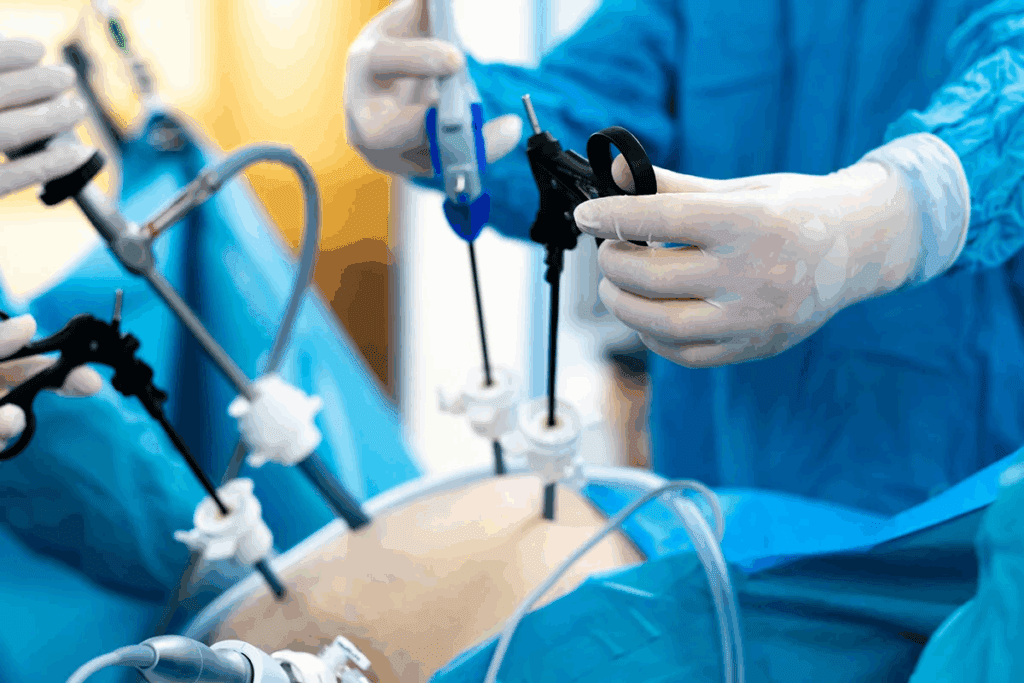
Duodenal switch surgery can change lives for the better. It’s a bariatric procedure that helps people lose a lot of weight. In just six months, patients can shed up to 60% of their extra pounds.
This surgery does more than just help with weight. It also improves health problems linked to being overweight, like diabetes and high blood pressure. Photos and stories from those who’ve had the surgery show its amazing effects.
Key Takeaways
- Duodenal switch surgery results in significant weight loss, with patients losing up to 60% of excess weight in six months.
- The procedure is highly effective in resolving obesity-related health issues.
- Before-and-after photos demonstrate the dramatic physical transformations achieved through duodenal switch surgery.
- Patient testimonials provide personal insights into the life-changing benefits of the surgery.
- Duodenal switch represents one of the most effective bariatric procedures available today.
Understanding the Duodenal Switch Procedure

The duodenal switch before and after, also known as biliopancreatic diversion with duodenal switch (BPD/DS), is a complex surgery. It’s known for its effective weight loss results. It’s important to understand its unique aspects and how it compares to other bariatric surgeries.
What is Biliopancreatic Diversion with Duodenal Switch (BPD/DS)?
BPD/DS is a type of bariatric surgery. It combines two main components: a reduction in stomach volume and a rerouting of the digestive tract to reduce nutrient absorption. This approach limits food intake and nutrient absorption, leading to significant weight loss.
The procedure involves:
- Removing a portion of the stomach to create a sleeve-like stomach, reducing its capacity.
- Rerouting the small intestine to reduce the absorption of calories and nutrients.
How Duodenal Switch Differs from Other Bariatric Surgeries
The duodenal switch procedure is more complex than other surgeries like gastric bypass or gastric banding. It restricts food intake by reducing stomach size and alters nutrient absorption. This makes it effective for individuals with higher body mass indexes (BMIs).
| Procedure | Restrictive Component | Malabsorptive Component |
|---|---|---|
| Duodenal Switch | Yes (stomach reduction) | Yes (rerouting intestine) |
| Gastric Bypass | Yes (stomach pouch) | Partial (limited intestinal rerouting) |
| Gastric Banding | Yes (band placement) | No |
This comparison shows the duodenal switch procedure’s unique dual mechanism. It makes it a powerful tool for weight loss in the right patients.
The Science Behind Duodenal Switch Success
The duodenal switch surgery works by changing gut hormones and improving metabolic health. It makes the stomach smaller and changes how the body absorbs nutrients. This leads to a lot of weight loss and better health for people with obesity.
The 90% Success Rate Explained
Research shows duodenal switch surgery has a 90% success rate. This is because it works in two ways: restriction and malabsorption. It makes the stomach smaller and changes the intestines. This limits how much food you can eat and how much nutrients you absorb.
- Significant weight loss: Patients lose 60-80% of their extra weight in two years.
- Improvement in comorbidities: Conditions like type 2 diabetes, high blood pressure, and sleep apnea get better or go away.
- Enhanced quality of life: Losing weight and improving metabolism makes you healthier and happier.
Combining Restriction and Malabsorption Mechanisms
The duodenal switch surgery has two parts. The first part, sleeve gastrectomy, makes the stomach smaller. This limits how much you can eat. The second part, intestinal bypass, changes how nutrients are absorbed. This helps with weight loss and improves metabolic health.
Gut Hormone Adjustments and Metabolic Changes
One important thing about duodenal switch surgery is how it affects gut hormones. These hormones control hunger, fullness, and how your body uses sugar. The surgery changes these hormones, making you feel less hungry, improving how your body uses sugar, and helping with weight loss.
These changes are why duodenal switch surgery is so successful in the long run. It not only helps you lose weight but also improves your metabolic health. This reduces the risk of problems related to obesity.
Candidates for Duodenal Switch Surgery
Finding the right candidates for duodenal switch surgery is key for success. This complex surgery isn’t for everyone. A detailed check is needed to see if someone is eligible.
BMI Requirements and Health Considerations
Patients need a Body Mass Index (BMI) of 40 or more to qualify. Or, a BMI of 35 with serious obesity-related health issues. Conditions like type 2 diabetes, high blood pressure, and sleep apnea can make someone a better candidate. We look at each patient’s health to make sure they can safely have the surgery.
“Choosing duodenal switch surgery is a careful decision,” says Medical Expert, a top bariatric surgeon. We consider the patient’s medical history, current health, and risks. This helps us find the right patients for the surgery.
Pre-Surgery Evaluation Process
The pre-surgery check includes medical tests, nutrition advice, and mental health checks. Our team of healthcare professionals makes sure each patient is ready for surgery and the lifestyle changes that come with it.
- Medical history review and physical examination
- Blood tests and other diagnostic tests
- Nutritional counseling to ensure proper post-surgery diet
- Psychological evaluation to assess mental readiness
Who Benefits Most from This Procedure
Those needing a lot of weight loss and facing health problems often benefit from duodenal switch surgery. It works well for people who haven’t lost weight with other methods. People with type 2 diabetes may see big improvements after surgery.
By choosing the right candidates and preparing them well, we can make duodenal switch surgery a success. This improves patients’ health and well-being.
Preparing for Your Duodenal Switch Journey
Getting ready for duodenal switch surgery means making many changes. You’ll need to change your diet, get medical checks, and prepare emotionally. This careful preparation is key for a good surgery and easy recovery.
Pre-Operative Diet and Lifestyle Changes
Before surgery, you’ll need to make some big changes. Reducing liver fat is important, and a special diet can help. You’ll eat a low-calorie, high-protein diet for a few weeks. This diet helps lower liver fat and gets your body ready for the diet after surgery.
Also, increasing physical activity is a must. Start with simple exercises like walking. This improves your health and lowers the risk of surgery problems.
Medical Tests and Consultations
Many medical tests and talks are needed to make sure you’re ready for surgery. These steps check for any health risks and help fix them before surgery.
- Blood tests to check for nutritional deficiencies and overall health.
- Imaging tests, such as ultrasound or endoscopy, to assess the condition of the stomach and intestines.
- Cardiovascular evaluations to ensure the heart is healthy enough for surgery.
- Nutritional counseling to educate patients on pre- and post-operative dietary needs.
Mental and Emotional Preparation
Mental and emotional prep is as important as physical prep. Understanding the lifestyle changes helps you mentally prepare. Having a support system, like family or friends, is very helpful.
Counseling or therapy can also be very helpful. It helps with emotional or psychological issues related to weight loss. This support is key for facing challenges during and after recovery.
Duodenal Switch Before and After: The Visual Transformation
People who get duodenal switch surgery often see big changes in their health and looks. It’s not just about losing weight. They also feel better overall. Let’s look at the physical, body, and skin changes they go through after surgery.
Typical Physical Changes at 3, 6, and 12 Months
Right after surgery, patients start losing weight and feeling better. At 3 months, they notice they weigh less and can move easier. By 6 months, they’ve lost more weight and look different. At 12 months, they’ve lost a lot of weight and their health has improved a lot.
How fast people lose weight and change can differ. But most see their BMI drop a lot. This change is not just about looks. It also means better health, like lower blood pressure and better blood sugar levels.
Understanding Body Composition Changes Beyond Weight
But there’s more to it than just losing weight. Duodenal switch surgery also changes how fat is distributed in the body. Patients often have less body fat and more muscle. These changes make them look and feel better.
There are also changes in muscle and bone density. These are key for staying healthy and moving well. Plus, their metabolism gets better, helping with blood sugar and cholesterol levels.
Skin Changes and Considerations
After losing a lot of weight, the skin can get loose. This is common in places like the belly, arms, and thighs. It’s something to think about when considering surgery.
People thinking about duodenal switch surgery should talk about skin changes. Some might choose extra surgery to remove extra skin. This can help them feel better about their body after losing weight.
The Recovery Timeline After Duodenal Switch
Knowing the recovery timeline after duodenal switch surgery is key for patients. It covers a hospital stay, big diet changes, and getting back to normal activities slowly.
Hospital Stay and Immediate Post-Op Experience
The first part of recovery is the hospital stay, usually 2 to 4 days. Medical teams watch for any problems and help with pain. This early time is vital for a good recovery.
Key aspects of the hospital stay include:
- Monitoring for post-operative complications
- Pain management through medication
- Initial dietary guidance
- Education on post-operative care
Weeks 1-8: Diet Progression and Activity Guidelines
After leaving the hospital, patients start a big diet change and slowly get more active. We help them follow a diet plan, starting with liquids, then pureed foods, and soft solids.
Activity guidelines during this period include:
- Gradually increasing walking distances
- Avoiding heavy lifting and bending
- Incorporating gentle stretching exercises
- Progressively introducing more strenuous activities
Months 3-12: Adapting to Your New Digestive System
By the third month, patients start to get used to their new digestive system. They make more diet changes and try new foods. We help them make sure they’re getting enough nutrients and dealing with any side effects.
Nutritional considerations during this phase include:
- Ensuring adequate protein intake
- Monitoring vitamin and mineral levels
- Adjusting to changes in bowel habits
- Managing possible side effects like dumping syndrome
By following the recovery timeline, patients can get the best results from duodenal switch surgery. We’re here to support them every step of the way, with all the care and advice they need.
5 Transformative Results of Duodenal Switch Surgery
The duodenal switch procedure changes lives for the better. It leads to significant weight loss and health gains. It’s not just about losing weight; it’s about getting healthier and living better.
Rapid and Sustained Weight Loss
One key benefit of duodenal switch surgery is quick and lasting weight loss. Patients often lose 60% of their excess weight within the first six months after surgery. This weight loss is important for improving health issues related to being overweight.
A study in the Journal of the American Medical Association (JAMA) showed big weight loss for patients. They lost a mean of 74% of excess weight at 12 months. This is more than many other weight loss surgeries.
Complete Diabetes Remission and Blood Sugar Control
Duodenal switch surgery can lead to complete remission of type 2 diabetes in many. The surgery affects gut hormones and insulin sensitivity. This helps patients manage their blood sugar better, sometimes even getting rid of diabetes.
“The duodenal switch operation has been a game-changer for my patients with type 2 diabetes. The improvement in their glycemic control is often dramatic and sustained.” – Medical Expert, Bariatric Surgeon
Cardiovascular Health Improvements
The surgery also greatly improves heart health. It leads to reductions in blood pressure, triglycerides, and LDL cholesterol. These changes lower the risk of heart attacks and strokes.
| Cardiovascular Risk Factor | Pre-Surgery | Post-Surgery (12 months) |
|---|---|---|
| Blood Pressure (mmHg) | 140/90 | 120/80 |
| Triglycerides (mg/dL) | 250 | 150 |
| LDL Cholesterol (mg/dL) | 140 | 100 |
Enhanced Mobility and Physical Capabilities
As patients lose weight and get healthier, they move better and feel more confident. This change is not just physical; it also boosts their mood and self-esteem.
With their newfound health, many patients start doing activities they couldn’t before. They might walk, cycle, or even do more intense exercises. This ability to be active improves their life quality and shows the surgery’s positive effects.
Long-Term Outcomes: 13-17 Year Follow-Up Data
The duodenal switch procedure has been studied for over a decade. This research gives us a deep look into its long-term effects. It shows us the lasting benefits and possible long-term impacts of this surgery.
Superior Weight Maintenance
One key benefit of duodenal switch surgery is keeping weight off for a long time. Studies show it helps patients keep more weight off than other surgeries. Long-term data shows that duodenal switch patients can keep a big part of their weight loss for 13-17 years after surgery.
“The long-term weight maintenance from duodenal switch surgery proves it’s a great weight loss option,” says Medical Expert, a top bariatric surgeon. “Patients can expect to keep losing weight, which is key for better health.”
Long-Term Metabolic Health Benefits
Duodenal switch surgery also greatly improves metabolic health. It helps with type 2 diabetes, high blood pressure, and bad cholesterol. Long-term studies show these health benefits keep getting better over time.
- Significant reduction in the need for diabetes medication
- Improved blood pressure control
- Normalization of lipid profiles
Quality of Life Assessments
Quality of life is very important when it comes to medical treatments, including duodenal switch surgery. Long-term studies have looked at how this surgery affects daily life and overall happiness. Patients say they feel much better, with more energy, less pain, and better health.
Looking at the long-term effects of duodenal switch surgery, it’s clear it does more than just help with weight. It greatly improves health and well-being for many years.
Patient Experiences: Real Duodenal Switch Reviews
The journey of duodenal switch patients is filled with challenges and surprises. Real patient reviews offer a peek into the complexities of this surgery.
Common Challenges Reported by Patients
Patients face big lifestyle changes after duodenal switch surgery. One major challenge is adjusting to a new diet and eating habits.
- Malabsorption issues can lead to nutritional deficiencies if not properly managed.
- Some patients experience gastrointestinal side effects such as diarrhea or gas.
- The need for lifelong vitamin supplementation can be a challenge for some.
Despite these challenges, many patients say the benefits are worth it. We’ll look at these benefits next.
Unexpected Benefits Beyond Weight Loss
While losing weight is a main goal, many patients find other benefits. These improve their quality of life.
| Benefit | Description |
|---|---|
| Improved Mobility | Patients often experience increased mobility and reduced joint pain. |
| Enhanced Energy Levels | Many report an increase in energy levels, allowing for more active lifestyles. |
| Better Mental Health | The weight loss and lifestyle changes can lead to improved mental health outcomes. |
What Patients Wish They Had Known Before Surgery
Patients often look back and wish they had known more before surgery.
- The importance of thorough pre-surgical preparation, including dietary changes.
- The need for ongoing support, both from healthcare providers and support groups.
- The possibility of long-term complications and the need for lifelong follow-up care.
Understanding these points helps future patients prepare for their journey.
Conclusion: Weighing the Duodenal Switch Decision
The duodenal switch procedure is a complex but effective way to lose weight and improve health. It’s important to understand how it works, its benefits, and possible challenges. This knowledge helps people make a well-informed decision about the surgery.
When thinking about this surgery, consider your health goals and current health. Also, think about the big weight loss and metabolic improvements it can bring. The stories of those who have had the surgery show its life-changing effects.
Choosing to have the duodenal switch surgery is a big decision. It should be made after talking to healthcare experts and thinking about your own situation. With the right information, you can make a choice that fits your health and wellness goals.
FAQ
What is the typical weight loss journey after duodenal switch surgery?
After duodenal switch surgery, patients lose a lot of weight. On average, they lose 60% of excess weight in the first six months. The weight loss slows down after that, but most patients see significant results.
How does duodenal switch surgery impact gut hormones and metabolism?
This surgery changes gut hormones. It affects hunger and fullness signals. It also improves how the body uses glucose and insulin.
What are the BMI requirements for duodenal switch surgery?
To qualify, your BMI must be 40 or higher. Or, it must be 35 with obesity-related health issues. Your health and other factors also play a role.
What kind of pre-surgery evaluation is required for duodenal switch surgery?
Before surgery, you’ll get a full medical check-up. You’ll also get nutritional advice, a psychological evaluation, and various tests. These help decide if you’re a good candidate.
How long is the hospital stay after duodenal switch surgery?
Hospital stays usually last from 2 to 4 days. This depends on how quickly you recover and if any complications arise.
What are the common challenges reported by patients after duodenal switch surgery?
Patients face challenges like adjusting to their new digestive system. They also have to manage diet changes and deal with nutritional deficiencies. Bowel habits and gas issues are common too.
What are the long-term metabolic health benefits of duodenal switch surgery?
The surgery improves insulin sensitivity and reduces diabetes risk. It also enhances glucose metabolism, boosting overall metabolic health.
How do patients typically progress with their diet after duodenal switch surgery?
Patients start with a liquid diet, then move to soft foods, and eventually solid foods. Their healthcare team guides them to ensure they get the right nutrients and avoid complications.
What are the transformative results that patients can expect from duodenal switch surgery?
Patients can expect to lose a lot of weight. They’ll also see improvements in health conditions, mobility, and quality of life. Cardiovascular health may also improve.
Are there any specific considerations regarding body composition and skin changes after duodenal switch surgery?
Yes, body composition and skin changes are common. Loose skin can be treated with various methods or surgery. It’s important to discuss these options with your healthcare provider.
References
National Center for Biotechnology Information. Evidence-Based Medical Guidance. Retrieved from https://pmc.ncbi.nlm.nih.gov/articles/PMC10514119/