

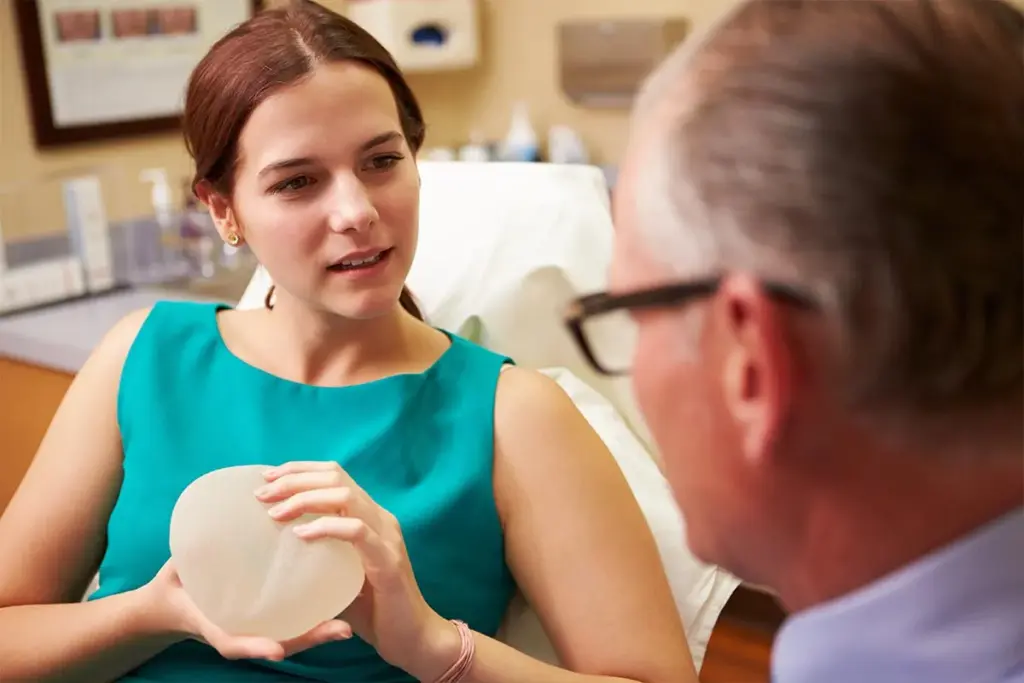
When thinking about breast augmentation, many patients wonder about the surgery and what happens in the hospital. They often ask if a urinary catheter is used during the operation.
Going through surgery can be scary, and knowing what to expect helps a lot. Usually, a catheter is only used in certain cases. This includes long surgeries or when there are high medical risks.
In this article, we’ll look at the latest research and global standards on catheter use in breast augmentation surgeries. We’ll see how top hospitals focus on the best care for their patients.
Key Takeaways
- Catheter use is generally limited to lengthy surgeries or specific medical conditions.
- Most patients undergoing breast augmentation do not require a urinary catheter.
- Leading hospitals follow strict guidelines to ensure patient safety and comfort.
- The decision to use a catheter is made on a case-by-case basis.
- Advanced medical practices prioritize minimizing patient discomfort and risk.
Understanding Catheter Use in Surgical Procedures

It’s important for patients to know about catheters in surgery. Catheters are key in patient care during operations.
What is a urinary catheter?
A urinary catheter is a tube for draining urine from the bladder. It’s used in surgeries that last long or when patients can’t pee on their own. Urinary catheters prevent urine buildup and keep patients comfortable while they recover.
Why catheters are sometimes used during surgeries
Catheters are used for several reasons in surgeries. They manage urine flow, prevent accidents, and check kidney health. Using a catheter helps keep the bladder empty, lowering the chance of problems.
Types of catheters used in medical procedures
There are different catheters for medical use, like indwelling, intermittent, and external catheters. The right catheter depends on the patient’s needs and the surgery type. For example, indwelling catheters are for longer surgeries, while intermittent ones are for periodic use.
What Happens During Breast Augmentation
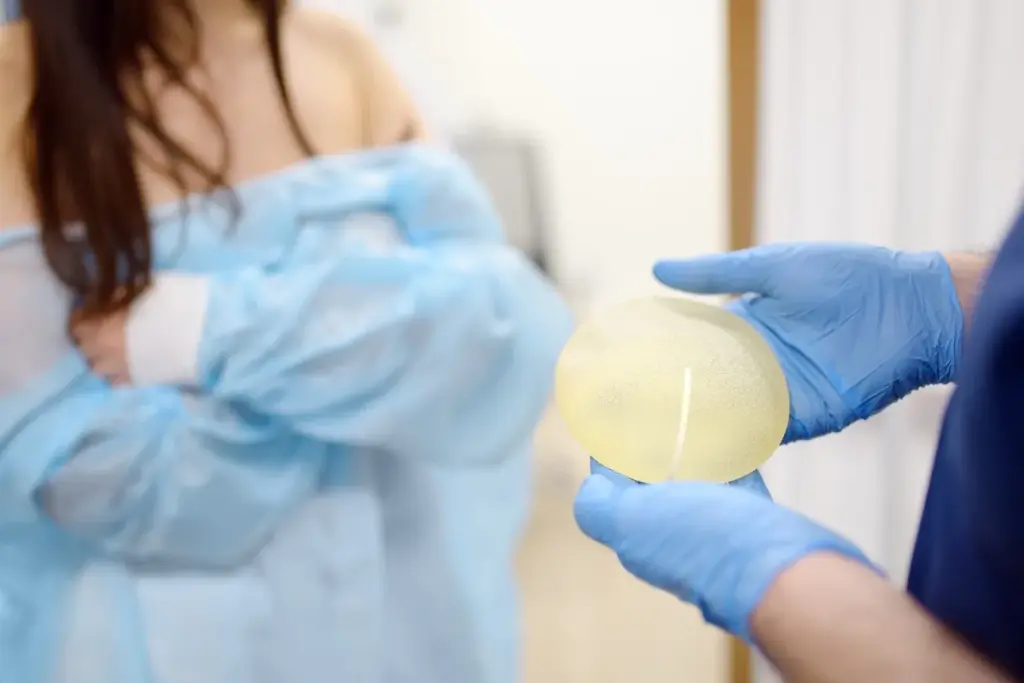
The breast augmentation process is a series of steps done by a skilled surgeon. It aims to make a woman’s breasts bigger and more shaped. Knowing what happens can make patients feel more ready and confident.
Step-by-Step Surgical Process
The steps for breast augmentation include:
- Making incisions in discreet locations, such as under the breast or around the areola
- Creating a pocket for the implant, either under the breast tissue or under the chest muscle
- Inserting the implant and adjusting its position
- Closing the incisions with sutures or other closure methods
The choice of implant and surgical technique can significantly impact the outcome of the procedure. Surgeons work closely with patients to find the best options. They consider the patient’s anatomy and aesthetic goals.
Average Duration of the Procedure
Breast augmentation procedures usually last 1-2 hours. This time can vary based on the case’s complexity and the surgeon’s techniques. The short duration is one reason why catheterization is not always needed, unless there are complicating factors.
Anesthesia Options and Their Effects
Anesthesia is key for patient comfort during breast augmentation surgery. There are two main options:
General Anesthesia Considerations
General anesthesia makes the patient unconscious during the procedure. It’s effective but requires careful monitoring and may lead to a longer recovery time.
Local Anesthesia with Sedation Options
Local anesthesia with sedation numbs the surgical area and relaxes the patient. This option is preferred by some because it leads to a faster recovery.
|
Anesthesia Type |
Patient Experience |
Recovery Time |
|---|---|---|
|
General Anesthesia |
Unconscious during procedure |
Longer recovery |
|
Local Anesthesia with Sedation |
Numbness and relaxation |
Faster recovery |
The choice of anesthesia affects the surgery experience and recovery. Patients should talk to their surgeon to find the best option for them.
Do They Use Catheters During Breast Augmentation?
Understanding catheters in breast augmentation surgery can ease worries for those considering it. We’ll look at how catheters are used, the stats, and medical research. This will give you a full picture.
Standard Protocol for Urinary Management
Usually, catheters aren’t used in breast augmentation unless the surgery takes a long time or there’s a health reason. Before surgery, patients are often allowed to go to the bathroom. This helps avoid problems with catheters.
Statistical Evidence on Catheter Use
Research shows catheters are rarely used in breast augmentation. A study found that catheters are mostly used in long or complex surgeries
Medical Research Findings
Medical studies have shed light on catheter use in surgeries, like breast augmentation. They found that for short surgeries, catheters are usually not needed unless there’s a health reason or the surgery is long.
Studies on Short-Duration Cosmetic Surgeries
Research on short cosmetic surgeries, including breast augmentation, shows low risk of urinary problems without catheters. These studies back up the idea of not using catheters often to avoid infections and other issues.
Findings Specific to Breast Procedures
Studies on breast augmentation point out that catheters are mainly used for long surgeries or health issues. This approach helps reduce risks and makes patients more comfortable.
In summary, while catheters aren’t always used in breast augmentation, there are times when they are needed. Knowing when helps patients prepare for their surgery and recovery better.
Medical Circumstances That May Require Catheterization
Catheterization is not common during breast augmentation. But, some medical situations might make it necessary. We tailor our approach to meet each patient’s unique needs.
Extended Surgical Times Exceeding 3 Hours
Long surgeries over three hours might need catheterization. Extended surgical times can happen for many reasons. This includes complex cases or when other surgeries are done at the same time.
Pre-existing Medical Conditions
People with pre-existing medical conditions might need catheterization. This includes urinary issues, neurological problems, or diabetes. Our team looks at each patient’s health history to decide the best course.
Complex Breast Reconstruction Cases
Complex breast reconstruction might need catheterization. These surgeries can be long and require careful urinary management.
Combined Procedures Requiring Longer Anesthesia
When breast augmentation is done with other surgeries, anesthesia time can be longer. In these cases, catheterization might be used. It helps keep the patient comfortable and safe during recovery.
Our skilled medical team carefully considers each case. They look at the surgery’s complexity, the patient’s health, and their medical history. This helps them decide if catheter use is needed.
In summary, while catheterization is not usual for most breast augmentations, certain medical situations might require it. It ensures patient safety and comfort.
Risks and Benefits of Avoiding Catheter Use
Choosing not to use catheters during breast augmentation has both good and bad sides. It’s key to look at the pros and cons to find the best choice for patients.
Reduced Infection Risk
One big plus is the lower risk of infections. Catheter-related urinary tract infections (CAUTIs) are a big worry in surgeries. Not using catheters can help avoid these infections, making surgery safer.
Lower Chance of Genitourinary Injury
Another good thing is less risk of injury to the urinary system. Catheters can sometimes harm the urinary tract, which is worse for some patients. Skipping catheters can make the surgery safer for everyone.
Improved Patient Comfort Post-Surgery
Patients often feel more comfortable after surgery without catheters. Not having a catheter makes recovery feel less harsh, helping patients heal better at home.
Potential Concerns About Urinary Retention
But, there’s a downside: the risk of not being able to urinate. Some patients might struggle to pee after surgery, which could mean they need a catheter. It’s important to balance these risks and benefits for the best care.
|
Benefits |
Risks |
|---|---|
|
Reduced infection risk |
Potential for urinary retention |
|
Lower chance of genitourinary injury |
Need for close monitoring post-surgery |
|
Improved patient comfort |
Healthcare providers need to weigh these points carefully. This helps them decide on catheter use in breast augmentation, fitting their choices to each patient’s needs.
Breast Augmentation Recovery Timeline
Breast augmentation recovery is a detailed process. It needs careful planning, patience, and post-operative care. Knowing what to expect at each stage can greatly improve your experience and results.
Immediate Post-Operative Experience
Right after surgery, you might feel some discomfort, swelling, and bruising. We make sure you’re comfortable and give you detailed care instructions. This helps manage your symptoms well.
First 24-48 Hours After Surgery
Rest is key in the first 24-48 hours. We tell patients to avoid hard activities. Gentle movement helps circulation and prevents problems.
- Watch for signs of infection or unusual symptoms
- Follow your medication instructions carefully
- Go to your follow-up appointments as scheduled
First Week of Recovery
The first week is vital for healing. Rest more, and slowly increase your activity level. We guide you on managing pain, reducing swelling, and caring for your surgical site.
Long-term Healing Process
The healing process has several stages. It includes returning to normal activities and the implants settling.
Return to Normal Activities
Most patients can get back to normal in a few weeks. But, this can vary based on your surgery and health.
Physical Restrictions During Healing
We advise on physical restrictions to aid healing. Avoid heavy lifting, bending, or hard exercise for a while.
|
Recovery Stage |
Timeline |
Key Considerations |
|---|---|---|
|
Immediate Post-Op |
0-24 hours |
Rest, pain management, monitor for complications |
|
Early Recovery |
24-48 hours |
Gradual increase in activity, follow medication regimen |
|
First Week |
1 week |
Continue rest, manage swelling, attend follow-up appointments |
|
Long-term Healing |
Several weeks to months |
Return to normal activities, adhere to physical restrictions |
By following the recommended recovery timeline, patients can improve their healing. This leads to the best results from their breast augmentation surgery.
Comprehensive Safety Profile of Breast Augmentation
It’s important to know about the safety of breast augmentation before getting it. This surgery is mostly safe, but it can have some risks.
Common Complication Rates
Research shows different rates of complications with breast augmentation. These issues can affect how well the surgery goes and how happy the patient is.
Infection Statistics
Infections can happen, with rates from 0.08% to 3%. Following wound care and post-op instructions well can lower this risk.
Hematoma and Seroma Risks
Hematoma and seroma are also possible, with rates from 0.63% to 4%. Seeing a doctor right away if symptoms get worse is key.
Capsular Contracture Occurrence
Capsular contracture, where a tight capsule forms around the implant, affects about 3% to 3.6% of people. Knowing what causes it can help manage the risk.
Factors Affecting Complication Rates
Many things can change how likely complications are. These include the surgery method, implant type, patient health, and aftercare.
“The choice of implant and surgical method can significantly impact the risk of complications.”
Understanding these factors helps patients and doctors work together. This way, they can lower risks and get better results.
Looking at the safety of breast augmentation helps patients make better choices. It’s vital to talk about possible problems and their chances with a healthcare expert.
What to Expect During Consultation and Preparation
Before getting breast augmentation, it’s key to know what to expect. This part is important for setting the right expectations and for a smooth surgery.
Important Questions to Ask Your Surgeon
At your consultation, ask important questions. This helps you understand the procedure and what to expect. Some questions to ask include:
- What are the risks and benefits of breast augmentation?
- What type of implant is best for my body?
- How long will I need to recover?
Pre-operative Instructions
Your surgeon will give you specific instructions before surgery. These are to make sure you’re ready for the procedure. You might be told to:
- Avoid certain medications that could affect the surgery
- Stop smoking to lower the risk of problems
- Find someone to drive you home after the surgery
Discussion About Implant Options
Choosing the right implant is a big decision. During your consultation, you’ll talk about different implant options. These include:
|
Implant Type |
Description |
Benefits |
|---|---|---|
|
Silicone Implants |
Filled with silicone gel |
Feels more natural, less likely to ripple |
|
Saline Implants |
Filled with sterile salt water |
Less expensive, can be filled after insertion |
Setting Realistic Expectations
It’s important to understand what results you might get. Your surgeon will:
Understanding Possible Results
Talk about how your body type and current breast tissue might affect the outcome.
Reviewing Before and After Photos
Look at before and after photos of other patients. This helps you get a realistic idea of what you might look like after surgery.
By knowing what to expect during the consultation and preparation, you can feel more confident and ready for your breast augmentation journey.
Conclusion
Breast augmentation is a common surgery to make breasts bigger and more shaped. It’s mostly safe, but there are things to think about, like catheter use during surgery. We’ve looked into how catheters are used in this surgery and what decides if they’re needed.
Mostly, catheters aren’t used in breast augmentation. But, in some cases, like very long surgeries or health issues, they might be used. This is to keep the patient comfortable and safe.
We’ve talked about how safe breast augmentation is when done by skilled surgeons. It’s mostly safe, with few complications. Patient safety is the main goal, and steps are taken to avoid risks. This includes using catheters when it’s needed.
To wrap up, catheters aren’t always used in breast augmentation. But, they might be in some cases to make the surgery safer and better for the patient. Knowing when catheters might be used helps patients feel more ready for their surgery and confident in their care.
FAQ
What is a urinary catheter and why is it used during some surgeries?
A urinary catheter is a thin, flexible tube used to drain urine from the bladder. It helps keep the bladder empty during surgery. This reduces the risk of accidental urination and helps monitor urine output.
Is a catheter routinely used during breast augmentation surgery?
No, catheters are not always used for breast augmentation. Their use depends on the surgery’s length, the type of anesthesia, and the patient’s health.
What are the risks associated with using a catheter during breast augmentation?
Risks include urinary tract infections and genitourinary injury. Patient discomfort is also a concern. But these risks are low if proper protocols are followed.
How long does breast augmentation surgery typically take?
Breast augmentation surgery usually lasts 1-2 hours. This time can vary based on the procedure’s complexity and if other surgeries are done at the same time.
What are the benefits of not using a catheter during breast augmentation?
Not using a catheter reduces infection risk and genitourinary injury. It also improves patient comfort after surgery.
What should I expect during the recovery period after breast augmentation?
Right after surgery, you might feel discomfort, swelling, and bruising. For the first week, rest, avoid hard activities, and follow your surgeon’s care instructions.
What are the common complications associated with breast augmentation?
Complications include infection, hematoma, seroma, and capsular contracture. Most studies show low complication rates when experienced surgeons perform the procedure.
How can I minimize the risk of complications during breast augmentation?
Choose a qualified surgeon and carefully follow pre- and post-operative instructions. Attend all scheduled follow-up appointments to minimize risks.
What should I discuss with my surgeon during the consultation?
Discuss your goals, medical history, implant options, and concerns during the consultation. Ask about the surgeon’s experience, complication rates, and what to expect during recovery.
Are there any pre-existing medical conditions that may require catheter use during breast augmentation?
Yes, conditions like urinary retention issues may require a catheter. Your surgeon will assess your situation and make recommendations.
How long is the long-term healing process after breast augmentation?
Healing can take several months to a year or more. Be patient and follow your surgeon’s guidance for the best results.
National Center for Biotechnology Information. Evidence-Based Medical Insight. Retrieved from
References
National Center for Biotechnology Information. Evidence-Based Medical Insight. Retrieved from https://pubmed.ncbi.nlm.nih.gov/12968958/[1

























