

Ever had a voice that was rough, raspy, or strained for more than a cold? This is called dysphonia or hoarseness. It happens to about one-third of people at some point.
At Liv Hospital, we know dysphonia means changes in how your voice sounds or works. It can make talking harder and lower your quality of life. Knowing what dysphonia is helps doctors and patients a lot, as it’s common worldwide.
We want to give you a full picture of dysphonia. Our team offers top-notch care and understanding. We help with both checking and treating this condition.
Dysphonia def: The medical definition of a hoarse voice or any impairment of the voice, often due to vocal cord issues.
Key Takeaways
- Dysphonia refers to abnormal functioning of the voice.
- It encompasses various changes in voice quality or production.
- Understanding dysphonia is key for doctors and patients.
- Dysphonia affects a big part of the world’s population.
- Comprehensive evaluation and treatment are available at Liv Hospital.
Dysphonia Def: Medical Terminology Explained
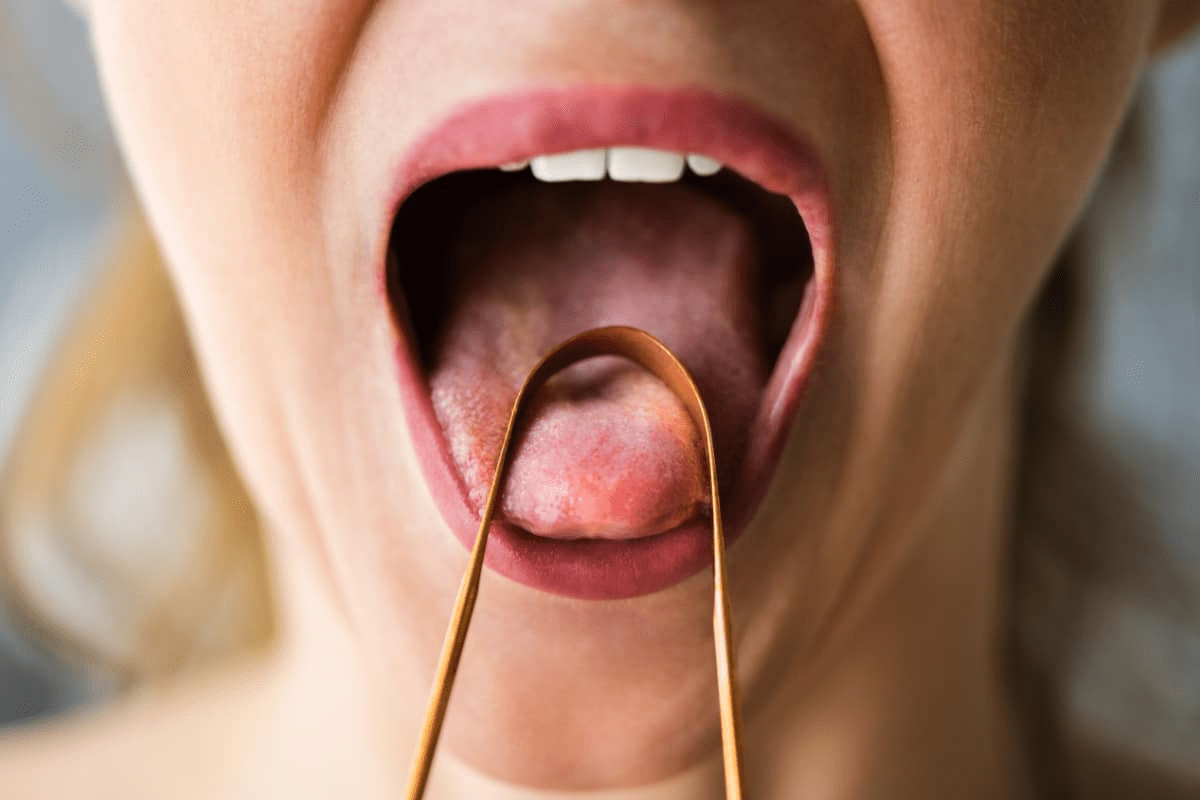
To understand dysphonia, we need to know its medical meaning and how it affects people. Dysphonia is a voice disorder that makes the voice sound different. This can change how it sounds, how loud it is, or how clear it is.
Clinical Definition of Voice Impairment
Dysphonia is when the voice doesn’t sound right. It can affect pitch, loudness, quality, and variability. Many things can cause this, like problems with the larynx.
“The voice is very important for talking,” say voice experts. “Dysphonia can really affect someone’s life.”
Doctors check the voice to see if it’s dysphonia. They look at the vocal cords and how the voice sounds. They also see how it affects daily life.
Dysphonia vs. Hoarseness: Technical Distinctions
Dysphonia and hoarseness are not the same, even though people often mix them up. Hoarseness is when the voice sounds rough or raspy. Dysphonia is a wider term for any voice problem, including changes in pitch, volume, and quality.
“It’s important to know the difference between dysphonia and hoarseness for the right treatment,” say laryngology experts.
In short, knowing about dysphonia’s medical terms is key for doctors and patients. Understanding the difference between dysphonia and hoarseness helps doctors give better care.
Prevalence and Epidemiology of Voice Disorders
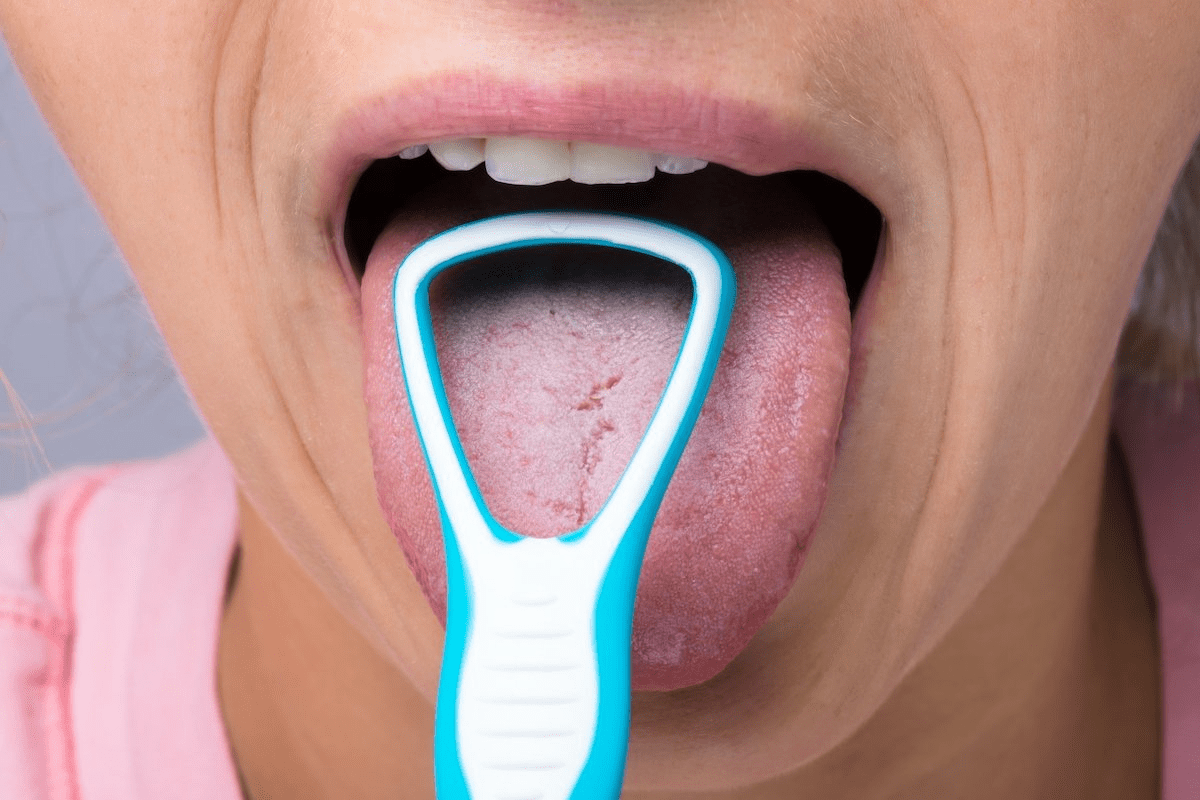
It’s important to know about dysphonia, as it affects about one-third of people at some point. Dysphonia, or voice disorder, makes the voice sound hoarse, rough, or breathy. The number of people affected varies, depending on several factors.
Global Statistics on Dysphonia Occurrence
Worldwide, voice disorders are a big health problem. Research shows that 3% to 9% of people have dysphonia. But, some groups like teachers and singers have it more, up to 30% or more.
“voice disorders are among the most common complaints in the general population, with a significant impact on quality of life.”
This shows why we need to understand and tackle dysphonia.
Demographics: Age, Gender, and Occupational Factors
Dysphonia affects different people in different ways. Older adults often see voice changes due to aging. Women might be more likely to have voice disorders than men. People who use their voice a lot for work are also at higher risk.
Demographic Factor | Prevalence of Dysphonia |
Age: Older Adults | Increased prevalence due to aging |
Gender: Women | Higher risk compared to men |
Occupation: Voice Intensive Professions | Higher prevalence (up to 30% or more) |
Dysphonia is more than just vocal strain. It’s a complex issue influenced by many factors. By understanding these, we can help those affected and work on prevention and treatment.
Clinical Characteristics of a Dysphonic Voice
Dysphonia changes a person’s voice in many ways, affecting their life quality. It’s not just a hoarse or harsh voice. It includes various voice changes and acoustic features that impact how well someone can communicate.
Common Voice Quality Changes
People with dysphonia notice big changes in their voice. These can be:
- Hoarseness: A voice that sounds rough or raspy.
- Breathiness: Air escaping during speech, making it audible.
- Strain: Feeling tense or strained when speaking.
- Voice breaks: Sudden, unexpected changes in pitch.
These changes can affect daily life, making it hard to communicate in personal and work settings.
Acoustic Features: Roughness, Breathiness, and Strain
The sound of a dysphonic voice is key for diagnosis and treatment. Important acoustic features are:
- Roughness: Irregularities in the voice signal, sounding harsh or grating.
- Breathiness: Air escaping because the vocal cords don’t close fully.
- Strain: The effort or tension needed to speak, making the voice sound strained or tight.
Understanding these features helps doctors find the cause of dysphonia and plan treatment.
Voice Breaks and Pitch Alterations
Voice breaks and pitch changes are big parts of dysphonia. Voice breaks are sudden pitch changes that interrupt speech. Pitch changes are shifts in voice pitch, which can be higher or lower than usual.
These issues are tough for those who use their voice for work, like singers or public speakers. It’s important to address these problems to help restore normal voice function.
By looking at the clinical signs of a dysphonic voice, doctors can offer better care and support. This includes understanding common voice changes and acoustic features.
Physiological Basis of Normal and Impaired Voice Production
Understanding how our bodies make sound is key to fixing voice problems. Making sound involves many parts of our body, like the lungs, vocal cords, and mouth.
Normal Laryngeal Function
The larynx is very important for making sound. Normal laryngeal function means the vocal cords move just right. This is thanks to special muscles inside the larynx.
When we make sound, air from our lungs makes the vocal cords vibrate. The way these cords vibrate changes the sound’s pitch and volume. This complex process lets us express ourselves in many ways.
Pathophysiology of Voice Disorders
Voice problems, like dysphonia, happen when our sound-making process goes wrong. These problems can come from inflammation, changes in the body, or nerve issues. The pathophysiology of voice disorders helps us understand how these issues affect our voice.
For example, if the vocal cords get inflamed, our voice might sound hoarse or breathy. Problems like nodules or polyps on the vocal cords can also mess up sound production. Some nerve problems, like spasmodic dysphonia, can make the vocal cords move on their own, causing voice breaks or strain.
“The pathophysiology of voice disorders is complex and multifactorial, requiring a thorough understanding of the underlying causes to develop effective treatment plans.”
Knowing how our bodies make sound helps doctors fix voice problems. This knowledge improves how well patients can speak and live their lives.
Common Causes of Dysphonia
Understanding what causes dysphonia is key to treating voice problems. Dysphonia can come from many sources, like inflammation, voice disorders, or physical issues. We’ll look at the main causes, including inflammation, voice disorders, and physical problems.
Inflammatory Conditions: Acute and Chronic Laryngitis
Inflammation is a big reason for dysphonia. Acute laryngitis, often from viruses, can make your voice hoarse suddenly. Chronic laryngitis, a long-term inflammation, can change your voice for good. Gastroesophageal reflux disease (GERD) is a common cause of chronic laryngitis, where stomach acid hurts the larynx.
- Viral infections leading to acute laryngitis
- GERD causing chronic laryngitis
- Exposure to irritants like smoke or dust
Functional Voice Disorders: Muscle Tension Dysphonia
Muscle tension dysphonia (MTD) is a voice disorder with too much muscle tension in the larynx area. It can make your voice tired and strained. MTD often comes from using your voice too much or from stress. Voice therapy is usually the first treatment for MTD.
“Muscle tension dysphonia is a common condition among individuals who use their voice professionally, such as singers and teachers.”
— Voice and Speech Disorders: A Review
Structural Abnormalities of the Vocal Cords
Structural problems, like nodules, polyps, or cysts, can really affect your voice. These issues can come from using your voice too much or from injuries. Sometimes, surgery is needed to fix these problems, if voice therapy doesn’t work.
Structural Abnormality | Description | Typical Treatment |
Vocal Cord Nodules | Callus-like growths on the vocal cords | Voice therapy, possibly surgery |
Vocal Cord Polyps | Growths on the vocal cords, often due to trauma | Surgical removal |
Vocal Cord Cysts | Fluid-filled sacs on the vocal cords | Surgical removal |
Types and Classifications of Dysphonia
It’s important to know the different types of dysphonia to treat it well. Dysphonia, or a hoarse voice, can come from many causes. We’ll look at these types to understand voice problems better.
Organic Dysphonia
Organic dysphonia happens when the vocal cords change or get damaged. This can be due to things like nodules or cysts. Treatment often involves addressing the underlying physical cause, which may include surgical removal of lesions or voice therapy to improve vocal technique and reduce strain on the vocal cords.
Functional or Psychogenic Dysphonia
Functional dysphonia is when the voice problem doesn’t show up on physical tests. It’s often linked to stress or how we use our voice. Voice therapy is typically the primary treatment approach, focusing on improving vocal technique, reducing muscle tension, and addressing any underlying psychological factors.
Neurological Voice Disorders
Neurological voice disorders come from problems with the nervous system. This can affect how we control our voice. Conditions like Parkinson’s disease or stroke can cause these problems. Treatment may involve a combination of medical management of the underlying neurological condition and voice therapy to improve communication.
Spasmodic Dysphonia
Spasmodic dysphonia is a type of neurological voice disorder. It’s when the vocal cords spasm, making the voice sound strained. Botulinum toxin injections are a common treatment, aimed at reducing the spasms and improving voice quality. Voice therapy may also be beneficial in some cases.
Knowing the different types of dysphonia helps us treat it better. We can tailor our treatment to each patient’s needs. This is key to managing and improving voice disorders.
Diagnosis and Clinical Assessment
Healthcare professionals use many tools to diagnose dysphonia. This process is key to finding the cause of voice problems. It helps in creating a treatment plan.
Initial Evaluation and History Taking
The first step is a detailed medical history and physical exam. We look at the patient’s vocal symptoms and any related factors. This helps us decide what tests to do next.
Laryngoscopy and Stroboscopy
Laryngoscopy lets us see the larynx and check the vocal cords. We use an endoscope for this. Stroboscopy uses a strobe light to slow down the vocal cords’ motion. This shows us any problems like nodules or paralysis.
Voice Analysis and Additional Testing
Voice analysis looks at the voice’s sound quality. We use special software to measure things like pitch and loudness. More tests might include laryngeal EMG and aerodynamic measures to check how well the voice is made.
Diagnostic Test | Description | Clinical Utility |
Laryngoscopy | Visual examination of the larynx using an endoscope | Assesses vocal cord structure and function |
Stroboscopy | Slow-motion visualization of vocal cord vibration | Identifies abnormalities in vocal cord vibration |
Voice Analysis | Acoustic assessment of voice quality and characteristics | Quantifies voice disorders and monitors progress |
By using these methods, we can find the cause of dysphonia. Then, we can make a treatment plan that fits each patient’s needs.
Treatment Approaches for Dysphonia
Dealing with dysphonia needs a team effort. We know that treating it well means using many different methods. Each one is chosen based on what the person needs most.
Voice Therapy Techniques and Interventions
Voice therapy is key for treating dysphonia, mainly for voice problems. Vocal exercises and breathing techniques help make the voice sound better. They also help the voice last longer and feel less strained.
Therapists create special plans for each patient. They might use resonance therapy and teach how to take care of the voice. The goal is to make the voice better and teach how to keep it healthy.
Medical Management Options
When dysphonia comes from health issues like inflammation or infection, medicine is important. Anti-inflammatory medications and antibiotics can help. Sometimes, corticosteroids are used to lessen swelling in the larynx.
Managing health problems like GERD is also part of medical management. Changing how you live and taking medicine can help your voice a lot.
Surgical Interventions for Structural Abnormalities
If dysphonia is caused by growths on the vocal cords, surgery might be needed. Microlaryngoscopic surgery is used to remove these growths. It can help the voice work better again.
Doctors usually try other treatments first. Then, they talk with an ENT specialist about surgery. After surgery, voice therapy is often needed to get the best results and avoid future voice problems.
When to Seek Medical Attention for Voice Changes
If you notice your voice changing a lot or for a long time, it’s time to get help. Voice changes can mean there’s something wrong that needs a doctor’s check-up. We’ll show you the signs to look out for and how to find the right doctor.
Warning Signs and Red Flags
Some symptoms with voice changes are serious and need quick doctor visits. These include:
- Persistent hoarseness lasting more than two weeks.
- Severe pain when speaking or swallowing.
- Difficulty breathing or swallowing.
- Blood in your saliva or sputum.
- A lump in your neck or throat.
Doctors say, “Finding and treating voice problems early can really help.”
“Voice problems can be a sign of a serious underlying condition. Don’t ignore persistent changes in your voice.”
Selecting the Right Specialist
Choosing the right doctor for voice changes is key. An otolaryngologist, or ENT (Ear, Nose, and Throat) specialist, is usually the best choice. They know how to find and fix voice problems.
Before you go, it’s a good idea to:
- Write down your symptoms and when they started.
- Keep track of what makes your symptoms better or worse.
- Make a list of questions for your doctor.
Being ready will help you get the best care for your voice issues.
Impact of Dysphonia on Quality of Life
Dysphonia affects more than just your voice. It changes your daily life and how you feel. It impacts your mental health, social life, and work life.
Psychological and Emotional Effects
Dysphonia can deeply affect your mind and emotions. Struggling to speak can cause:
- Anxiety and Stress: Trying hard to be heard can make you anxious and stressed.
- Low Self-Esteem: A different voice can make you feel less about yourself.
- Depression: Long-term voice issues can make you feel isolated and depressed.
One study found that voice problems can really hurt your mental health. It shows the importance of treating both the physical and mental sides of dysphonia.
“The voice is a critical aspect of personal identity, and its alteration can lead to significant emotional distress.”
Social, Professional, and Economic Consequences
Dysphonia also has big effects on your social, work, and money life. People with dysphonia might:
- Social Withdrawal: Stay away from social events because they’re embarrassed or worried about being understood.
- Professional Challenges: Have trouble doing their job, like teaching or singing, because of their voice.
- Economic Burden: Spend money on treatments, therapy, and might even lose income because they can’t work as much.
It’s important to understand these wide-ranging effects. By treating both the physical and mental sides of dysphonia, doctors can help improve life for those with it.
Conclusion
Understanding dysphonia is key for healthcare providers and those with this voice disorder. We’ve looked at what dysphonia is, how common it is, and its symptoms. We’ve also talked about its causes, like inflammation and structural issues with the vocal cords.
Diagnosing and treating dysphonia needs a team effort. This team includes doctors, speech therapists, and other experts. They work together to create a treatment plan that fits each person’s needs.
In short, knowing about dysphonia is vital. It helps us care for those affected better. By understanding and managing dysphonia, we can improve their lives. This way, they can feel more confident when they speak.
FAQ
What is dysphonia?
Dysphonia is a condition that changes how you sound when you speak. It makes it hard to talk clearly. It can happen for many reasons, like infections, muscle issues, or problems with the vocal cords.
What does dysphonia mean in medical terms?
In medical terms, dysphonia means a voice problem. It makes your voice sound different, like it’s hoarse or too soft. It’s a wide term that includes many voice issues.
What is the difference between dysphonia and hoarseness?
Dysphonia and hoarseness are related but not the same. Hoarseness is when your voice sounds rough. Dysphonia is a bigger term that includes hoarseness and other voice changes.
What are the common causes of dysphonia?
Dysphonia can come from many things. It might be from infections, muscle issues, or problems with the vocal cords. It can also be caused by other health issues.
How is dysphonia diagnosed?
Doctors use many steps to find out if you have dysphonia. They look at your health history and do a physical check. They might also use special tools like laryngoscopy to see your vocal cords.
What are the treatment options for dysphonia?
Treatment for dysphonia depends on what’s causing it. It might include voice therapy, medicine, or surgery. Working with different doctors is often the best way to get better.
When should I seek medical attention for voice changes?
If your voice keeps changing or gets really bad, see a doctor. Signs you should get checked include trouble speaking, feeling tired when you talk, or pain in your throat.
How does dysphonia affect quality of life?
Dysphonia can really affect how you feel and what you can do. It makes talking hard and can hurt your mood and feelings. It can also affect your job and money, so getting help is important.
What is the medical term for hoarseness of voice?
The term for hoarseness is dysphonia. Hoarseness is a sign of dysphonia. They both mean your voice sounds different, like it’s rough.
What is dysphonic voice?
A dysphonic voice is one that’s changed because of dysphonia. It can sound different because of infections, muscle problems, or vocal cord issues.
Reference
Morgenthaler, T. I., Kagramanov, V., Hanak, V., & Decker, P. A. (2006). Complex sleep apnea syndrome: Is it a unique clinical syndrome? Sleep, 29(9), 1203-1209. [https://academic.oup.com/sleep/article/29/9/1203/2708307]



 Departments
 Related Videos
 Our Doctors
 News
News