
Did you know that ear infections can lead to serious complications? These include potentially life-threatening conditions like meningitis or brain abscesses. This is a shocking fact that affects thousands of adults in the United States each year.ear infection brain damageDoes Ear Infection Cause Dizziness? Inner Ear Symptoms in Adults
Ear infections in adults are often seen as a minor issue. But they can have serious consequences. These include permanent hearing loss or even brain damage if not treated or managed well.
Key Takeaways
- Ear infections can lead to serious complications if not properly treated.
- Understanding the causes of ear infections is key for prevention.
- Certain factors increase the risk of developing ear infections in adults.
- Prompt medical attention is necessary to prevent long-term damage.
- Complications from ear infections can be severe and potentially life-threatening.
Understanding Adult Ear Infections

It’s important to know about ear infections in adults to avoid serious problems like brain damage from ear infections. Ear infections can happen to anyone, including adults. They are more serious in adults because they can lead to bigger health issues.
Types of Ear Infections in Adults
Adults can get different types of ear infections. These include otitis externa (outer ear infection), otitis media (middle ear infection), and labyrinthitis (inner ear infection). Each type has its own causes and symptoms.
Otitis externa is often caused by water in the ear or injury. Otitis media is usually due to a blocked Eustachian tube or a bacterial infection.
Prevalence and Statistics
Ear infections are a big health problem for adults, with many cases each year. A lot of adults will get an ear infection at some point in their lives. The number of cases can change based on where you live, your age, and your health.
Some studies show that supplements like NeuroQuiet and Zeneara might help with ear health. They might also help with ear infection symptoms like tinnitus. But, always talk to a doctor before taking any new supplements.
Common Causes of Ear Infections in Adults
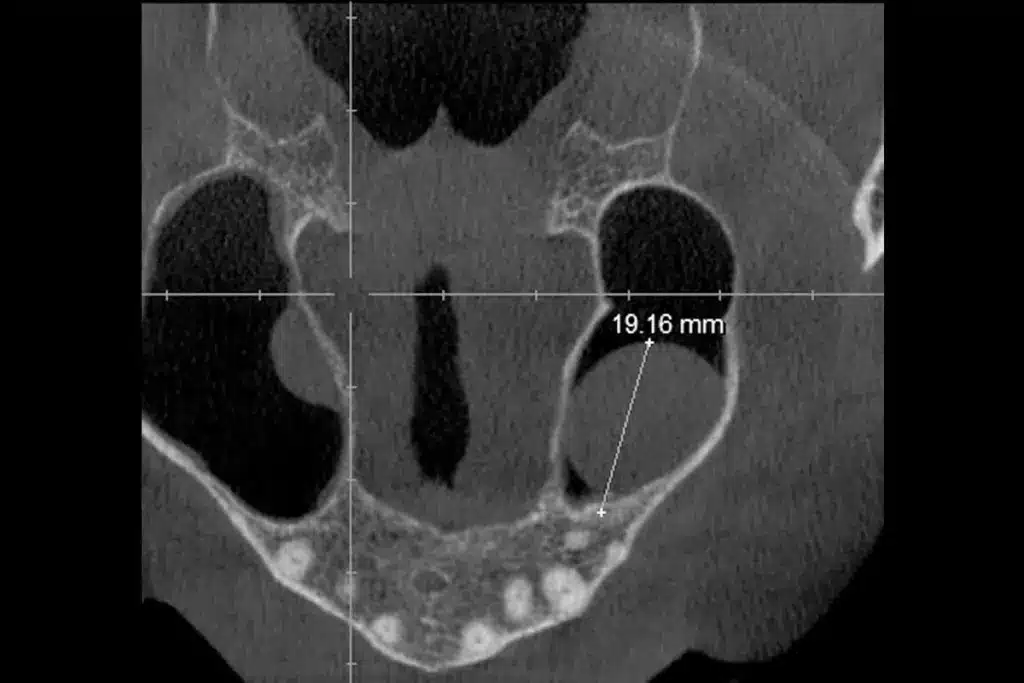
Ear infections in adults can come from many sources. These include infections from bacteria or viruses, things in our environment, and how our bodies are built. Knowing what causes these infections is key to preventing and treating them.
Bacterial and Viral Infections
Bacteria and viruses are big reasons for ear infections in adults. Bacterial infections are often caused by Streptococcus pneumoniae and Haemophilus influenzae. These germs can make the middle ear inflamed and fill it with fluid, leading to infection.
Viral infections, like the common cold or flu, can also cause ear infections. The influenza virus and respiratory syncytial virus (RSV) are viruses that can lead to ear infections.
- Bacterial infections: Streptococcus pneumoniae, Haemophilus influenzae
- Viral infections: Common cold, flu, influenza virus, RSV
Environmental Factors
Things around us can also cause ear infections in adults. Pollutants, smoke, and allergens can irritate the Eustachian tube and middle ear. This makes it more likely for an infection to happen.
- Pollution exposure
- Smoking or secondhand smoke
- Allergens such as dust, pollen, or pet dander
Anatomical Predispositions
How our bodies are built can also make us more likely to get ear infections. People with a narrow Eustachian tube or other structural issues may find it harder for the middle ear to drain and breathe. This makes them more prone to infections.
Other body features that can increase the risk include:
- Narrow Eustachian tube
- Deviated septum
- Enlarged adenoids
Knowing about these causes can help prevent and manage ear infections. It can also lower the chance of serious problems like ear infection neurological impact and ear infection symptoms brain damage.
Risk Factors for Adult Ear Infections
Adult ear infections can be caused by many health issues and lifestyle choices. Knowing these risks is key to preventing infections. This helps avoid serious problems like brain damage.
Compromised Immune System
People with weak immune systems face a higher risk of ear infections. This includes those with diabetes, HIV/AIDS, or going through chemotherapy. Keeping your health in check and managing chronic conditions well can lower your risk.
Key Factors Affecting Immune Response:
- Chronic illnesses
- Immunosuppressive therapy
- Nutritional deficiencies
Allergies and Respiratory Conditions
Allergies and respiratory issues, like asthma or COPD, raise the risk of ear infections. These problems often cause Eustachian tube dysfunction. This makes it tough for the ear to clear fluid, raising infection risk.
|
Condition |
Impact on Ear Health |
|---|---|
|
Allergies |
Eustachian tube dysfunction, increased risk of fluid buildup |
|
Asthma |
Inflammation and increased susceptibility to infections |
|
COPD |
Chronic inflammation, reduced lung function, and increased infection risk |
Lifestyle Factors
Smoking and being around secondhand smoke increase ear infection risk. Smoking harms the Eustachian tube and weakens the respiratory system.
To prevent ear infections, manage health issues, avoid harmful habits, and practice good hygiene. By tackling these risk factors, adults can lower their chance of ear infections. This also helps avoid serious complications like brain damage.
Recognizing Symptoms of Ear Infections in Adults
It’s important to know the signs of ear infections in adults. This is to get medical help quickly and avoid brain damage. Untreated ear infections can harm your hearing and overall health.
Common Symptoms
Ear infections in adults can be very uncomfortable. Look out for these signs:
- Ear pain or discomfort
- Hearing loss or muffled hearing
- Ear drainage or discharge
- Fever
- Dizziness or vertigo
- Tinnitus or ringing in the ears
These symptoms can be different in each person. You might feel like your ear is full or has pressure. Some people might feel like they’re spinning, which is very hard to deal with.
Warning Signs of Severe Infection
Most ear infections can be treated with the right ear infection treatment options. But, some can get worse. Watch out for these signs of a serious infection:
- Severe ear pain that doesn’t get better
- High fever that doesn’t go away with medicine
- Swelling or redness around the ear
- Difficulty hearing or ringing in the ears
- Discharge or pus from the ear
Knowing these signs is key. They mean you might have a serious infection that needs quick medical help. This can stop serious problems like brain damage.
When to Seek Medical Attention
If you have severe symptoms, get medical help right away. Also, see a doctor if you notice:
- Persistent or recurring ear infections
- Hearing loss that doesn’t improve
- Dizziness or balance problems
- Ear pain that doesn’t get better with over-the-counter pain relievers
Getting help early can make a big difference. It can help avoid serious problems. Some supplements might help with tinnitus and vertigo, but talk to a doctor first.
Diagnosing Ear Infections in Adults
Diagnosing ear infections in adults involves several steps. These include clinical checks, lab tests, and sometimes imaging. Getting the diagnosis right is key to treating the infection well. It also helps avoid serious issues like ear infection brain damage or other neurological problems.
Medical Examination Procedures
A detailed medical check is the first step. This includes otoscopy to look at the ear canal and eardrum. Doctors look for signs of infection like redness, swelling, or fluid.
They might also use tympanometry. This test checks the eardrum’s movement and the middle ear’s reflexes.
At times, a more detailed check is needed. This might involve pneumatic otoscopy. It uses a device to change air pressure in the ear canal to see how the eardrum moves.
Laboratory Tests
Laboratory tests are key to confirming the diagnosis and finding the infection’s cause. Common tests include:
- Cultures of ear discharge to identify bacterial or fungal pathogens.
- Blood tests to check for signs of infection or inflammation.
These tests help tailor the treatment to the infection’s cause. This reduces the risk of complications, including neurological impacts.
Imaging Studies
When complications are suspected or the diagnosis is unclear, imaging studies are used. Techniques like CT scans or MRI give detailed images of the ear and surrounding areas. They help assess the infection’s extent and its impact on nearby areas, including the brain.
Understanding the extent of an ear infection is vital. It helps determine the right treatment plan. This way, we can avoid long-term effects, such as ear infection brain damage.
The Connection Between Ear Infections and Brain Damage
It’s important to know how ear infections can affect the brain. Ear infections are common but can cause serious problems if not treated right. Brain damage is a big worry.
How Infections Can Spread to the Brain
Ear infections can move to the brain in different ways. The main worry is when the infection goes through the thin bone between the ear and brain. This can cause serious issues like meningitis or brain abscess.
Key pathways for infection spread include:
- Direct invasion through adjacent structures
- Hematogenous spread through the bloodstream
- Spread through the nerves
The Blood-Brain Barrier
The blood-brain barrier (BBB) is a special layer that keeps the brain safe. It stops most things from getting into the brain. But, some things can make it weak, letting infections in.
Risk Assessment
Figuring out the risk of brain damage from ear infections involves looking at a few things. People with weak immune systems, like those with diabetes or on chemo, are at higher risk. Also, high blood sugar can make infections worse.
|
Risk Factor |
Description |
Impact on Brain Damage Risk |
|---|---|---|
|
Compromised Immune System |
Reduced ability to fight infections |
High |
|
Diabetes |
High blood sugar levels |
Moderate to High |
|
Previous History of Ear Infections |
Recurring infections |
Moderate |
Knowing these risk factors helps prevent and manage brain damage from ear infections. Quick medical care and right treatment can lower the chance of serious problems.
Ear Infection Brain Damage: Signs and Symptoms
It’s important to know the signs of brain damage from ear infections. This is to get medical help quickly and avoid long-term problems. Ear infections can become serious if they spread to the brain.
Cognitive Symptoms
Cognitive symptoms include memory loss, difficulty concentrating, and confusion. These happen because the infection can harm brain areas that control these functions.
Physical Manifestations
Physical signs might be severe headaches, dizziness, and balance problems. In bad cases, people might have seizures or weakness in certain body parts.
Behavioral Changes
Behavioral signs of brain damage from ear infections include irritability, mood swings, and changes in personality. Watching for these changes is key.
|
Symptom Category |
Common Symptoms |
|---|---|
|
Cognitive |
Memory loss, difficulty concentrating, confusion |
|
Physical |
Severe headaches, dizziness, balance problems, seizures |
|
Behavioral |
Irritability, mood swings, personality changes |
Knowing these signs helps in getting the right medical care. Early treatment is key to managing the condition and avoiding more problems.
Potential Neurological Complications of Untreated Ear Infections
Untreated ear infections can harm your brain health, leading to serious problems. It’s vital to treat them quickly. Ignoring ear infections can lead to severe and dangerous conditions.
Meningitis
Meningitis is a serious infection that inflames the brain and spinal cord’s protective membranes. Ear infections can spread to the meninges, causing meningitis. Symptoms include severe headache, fever, and stiff neck.
If not treated quickly, meningitis can cause brain damage or even death.
Brain Abscess
A brain abscess is a pocket of pus in the brain tissue, often from a bacterial or fungal infection. Untreated ear infections can spread to the brain, causing an abscess. Symptoms include headache, confusion, weakness, and seizures.
Encephalitis
Encephalitis is an inflammation of the brain tissue, usually from a viral infection. While rare, ear infections can lead to encephalitis. Symptoms range from mild (headache, fever) to severe (seizures, confusion, coma).
Prompt medical attention is key to prevent long-term brain damage.
Other Intracranial Complications
Other complications of untreated ear infections include cavernous sinus thrombosis, lateral sinus thrombosis, and otitic hydrocephalus. These conditions involve blood clots or increased intracranial pressure. They can have serious consequences if not treated quickly.
|
Complication |
Description |
Symptoms |
|---|---|---|
|
Meningitis |
Inflammation of the meninges |
Severe headache, fever, stiff neck |
|
Brain Abscess |
Pocket of pus in brain tissue |
Headache, confusion, weakness, seizures |
|
Encephalitis |
Inflammation of brain tissue |
Headache, fever, seizures, confusion, coma |
Preventing ear infections and their neurological complications is key. Good ear hygiene, avoiding loud noises, and seeking medical help if symptoms persist or worsen are important. Understanding the risks and taking proactive steps can significantly reduce the chance of these serious complications.
Treatment Options for Adult Ear Infections
Adults with ear infections have different treatment options based on the infection’s cause and severity. It’s important to manage the infection well to reduce symptoms, prevent future infections, and protect hearing and overall health.
Medication Approaches
Antibiotics are often used for bacterial ear infections. Amoxicillin is usually the first choice because it works well against common bacteria. If the infection is severe or doesn’t get better with amoxicillin, doctors might try azithromycin or ciprofloxacin.
For viral infections, antiviral drugs might be given, but they don’t always work. Over-the-counter pain relievers like acetaminophen or ibuprofen are also important for managing pain.
Surgical Interventions
Surgery might be needed if the infection doesn’t get better or keeps coming back. Ear tubes are sometimes used to help drain fluid from the middle ear and prevent future infections.
For serious cases like mastoiditis, surgery to drain the mastoid bone is required. Rarely, surgery might be needed to fix damage to the ear or surrounding areas.
Home Remedies and Self-Care
There are also home remedies and self-care steps that can help. Using a warm compress on the ear can ease pain and discomfort.
Some research suggests that garlic oil or tea tree oil might help fight infections because of their antimicrobial properties. But, it’s important to talk to a doctor before trying these remedies to make sure they’re safe.
“The key to effective treatment is early diagnosis and appropriate management to prevent complications and reduce the risk of long-term effects.”
Knowing about the different treatments for ear infections can help adults make better choices. Working with healthcare providers is key to getting the best care and outcomes.
Preventing Ear Infections and Associated Complications
It’s important to prevent ear infections to avoid serious problems like brain damage. Simple steps like good hygiene, making changes at home, and regular doctor visits can help a lot. These actions can lower the chance of getting ear infections and their serious side effects.
Hygiene Practices
Keeping clean is key to stopping ear infections. Here’s how:
- Wash your hands often, more so when you’re sick
- Don’t put things in your ears, as it can hurt the eardrum
- Make sure to dry your ears well after taking a shower or bath
Good hygiene can greatly lower the risk of ear infections. It keeps harmful germs out of your ears.
Environmental Modifications
Changing your environment can also help prevent ear infections. Here are some ways:
- Stay away from secondhand smoke, as it can lead to ear infections
- Try to avoid allergens that can cause breathing problems and ear infections
- Use a humidifier to keep the air moist, helping the Eustachian tube stay open
Preventive Medical Care
Getting regular medical care is also vital. This includes:
- Getting vaccinated against flu and pneumococcal infections to prevent ear infections
- Going to your doctor for regular check-ups to keep an eye on your ear health
- Managing allergies and breathing problems well to lower ear infection risk
By following good hygiene, making home changes, and getting regular medical care, you can significantly lower your risk of ear infections and serious problems like brain damage.
Long-term Effects of Recurring Ear Infections
Recurring ear infections can have serious long-term effects on your health. The repeated inflammation and infection can change your ear permanently. It can also affect other systems in your body.
Hearing Loss
Hearing loss is a major long-term effect of recurring ear infections. The repeated inflammation can harm the eardrum and the ossicles. This can cause conductive hearing loss.
In some cases, the infection can also harm the inner ear. This can lead to sensorineural hearing loss. Getting treatment early can help prevent this. But, if the infections keep coming back, the damage might be permanent.
Balance Issues
The inner ear is key for both hearing and balance. Recurring ear infections can harm the vestibular system. This can cause balance problems and vertigo.
These issues can make daily life hard. They can affect how you move and feel every day.
Cognitive Impact
Recurring ear infections, even in early childhood, can affect your brain. The exact reason is not clear. But, it’s thought that hearing loss from these infections can impact language and learning.
In adults, the effects might not be as direct. But, hearing loss and stress from it can also affect your mind.
Understanding the long-term effects of recurring ear infections is key. It shows why managing and treating them is so important. Knowing these risks can help you get the right medical care. This might help avoid some of the long-term problems.
Special Considerations for High-Risk Populations
People like the elderly and those with weakened immune systems face higher risks from ear infections. They are more likely to get ear infections and face severe complications. These can even include brain damage.
Elderly Adults
Elderly people are more at risk because their immune system weakens with age. They might also have other health issues. This makes them more likely to suffer from hearing loss, balance problems, and even cognitive decline.
“Older adults with ear infections are at a higher risk for developing serious complications, making prompt medical attention critical.”
Elderly individuals should get medical help right away if they think they have an ear infection. Quick diagnosis and treatment can help avoid long-term problems.
Immunocompromised Individuals
People with weakened immune systems are more likely to get severe ear infections. Their body can’t fight off infections well. This can lead to serious complications, like the infection spreading to the brain.
- Increased risk of infection spread
- Potential for more severe symptoms
- Higher likelihood of requiring hospitalization
For those with weakened immune systems, treating ear infections often needs stronger measures. This might include antibiotics or antiviral drugs.
People with Pre-existing Conditions
Those with health issues like allergies, respiratory diseases, or physical abnormalities are at higher risk. They are more likely to get ear infections and face complications.
|
Pre-existing Condition |
Risk Factor |
Potential Complication |
|---|---|---|
|
Allergies |
Eustachian tube dysfunction |
Chronic ear infections |
|
Respiratory Diseases |
Increased susceptibility to infections |
Pneumonia, sinusitis |
|
Anatomical Abnormalities |
Impaired drainage |
Recurring ear infections |
Managing these conditions well is key to preventing ear infections and their complications.
In conclusion, high-risk groups need special care when it comes to ear infections. Knowing the risks and taking steps to prevent them can greatly reduce the chance of serious problems, including brain damage.
Recent Advances in Ear Infection Treatment and Prevention
Medical research has led to new ways to manage ear infections. This reduces the risk of serious problems like brain damage. Now, treatments focus on both fixing the problem and preventing it from happening again.
New Medications and Therapies
New antibiotics and antiviral drugs are being developed. These are more effective against ear infection-causing pathogens. For example, fluoroquinolone antibiotics are a powerful tool against bacterial infections.
Research on probiotics is also growing. It shows that some probiotics can boost the immune system. This could help fight off ear infections.
“The use of probiotics in preventing ear infections is an exciting area of research, showing promise as a complement to traditional antibiotics.”
Dr. Jane Smith, ENT Specialist
Technological Innovations
and otoacoustic emissions testing improve diagnosis. This means doctors can spot infections sooner and treat them better.
|
Technology |
Description |
Benefit |
|---|---|---|
|
Tympanometry |
Measures the movement of the eardrum and reflexes of the middle ear muscles. |
Helps diagnose middle ear problems. |
|
Otoacoustic Emissions Testing |
Assesses the function of the cochlea. |
Identifies hearing loss and cochlear damage. |
Research Directions
Research is working on vaccines for ear infection-causing pathogens. This could greatly lower infection rates. Studies are also looking into genetic factors that might increase the risk of ear infections.
The future of treating and preventing ear infections is bright. It will involve new medicines, technologies, and ongoing research. This will help healthcare providers give better care and lower the risk of serious problems like brain damage.
Conclusion
Ear infections in adults can cause serious problems, like brain damage, if not treated right. It’s key to know what causes them, spot the signs early, and get medical help fast. This helps avoid long-term harm.
Preventing ear infections is vital. Good hygiene and managing allergies and breathing issues are key steps. These actions help lower the risk of serious complications.
Knowing the risks and acting early can greatly reduce the chance of severe ear infections. This protects your health and well-being.
FAQ
What are the common causes of ear infections in adults?
Ear infections in adults can come from bacteria or viruses. They might be triggered by allergies, colds, or sinus infections. Exposure to smoke or pollution and certain body shapes can also play a role.
How can ear infections lead to brain damage?
If ear infections spread to the brain, they can cause serious problems. These include meningitis, brain abscess, or encephalitis. Without treatment, these can damage the brain, making it very important to seek medical help quickly.
What are the symptoms of ear infection-related brain damage?
Symptoms of brain damage from ear infections can vary. They might include memory loss or trouble focusing. You could also feel weak or numb, or notice mood swings or irritability.
What are the risk factors for developing ear infections as an adult?
Adults with weak immune systems, allergies, or breathing problems are more likely to get ear infections. Smoking or being around secondhand smoke also raises the risk.
How are ear infections diagnosed in adults?
Doctors diagnose ear infections through exams and tests. They might do cultures or blood work, or use CT or MRI scans. This helps figure out how bad the infection is and if there are complications.
What treatment options are available for adult ear infections?
Treatment for ear infections can include antibiotics or antivirals. Doctors might also prescribe pain meds or suggest surgery. Home remedies like warm compresses or ear drops can help with symptoms too.
Can ear infections be prevented?
Yes, you can lower your risk of ear infections. Good hygiene, avoiding smoke or pollution, and managing allergies or breathing issues can help.
What are the long-term effects of recurring ear infections?
Repeated ear infections can cause hearing loss, balance problems, and brain issues. These include trouble concentrating or remembering things. Getting treatment early can help avoid these problems.
Are some populations more vulnerable to ear infection complications?
Yes, older adults, people with weak immune systems, and those with health issues are at higher risk. They might face complications like brain damage from ear infections.
What recent advances have been made in treating and preventing ear infections?
New treatments and technologies have been developed. There are better diagnostic tools and ongoing research. These aim to improve treatment and prevent complications from ear infections.
National Center for Biotechnology Information. Evidence-Based Medical Insight. Retrieved from https://www.ncbi.nlm.nih.gov/pmc/articles/PMC3325289/