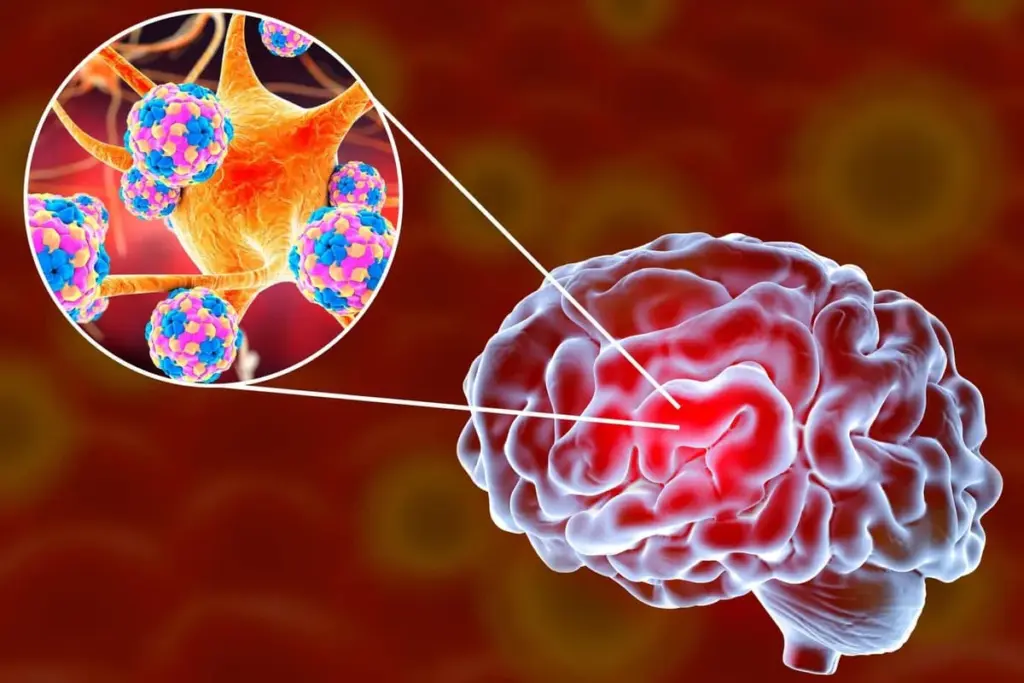
Did you know a severe ear infection can lead to brain damage? This is a serious risk.
This fact shows how important it is to know about ear infections. They can spread to the jaw if not treated right. This can cause big problems.ear infection jaw spreadOuter Ear Infection: Can It Spread to the Jaw?
It’s key to understand what causes ear infections. This helps prevent serious issues. We’ll look into the risks and what can happen if not treated well.
Key Takeaways
- Ear infections can lead to serious complications if not properly treated.
- Understanding the causes of ear infections is key for managing them well.
- Potential complications include brain damage and jaw spread.
- Quick medical help is needed to avoid lasting harm.
- Good treatment can greatly lower the risk of serious problems.
Understanding Ear Infections and Their Potential Complications

Ear infections are more than just a common problem. They can lead to serious health issues if not treated right. These infections affect people of all ages and can have a big impact if not managed well.
Different Types of Ear Infections
There are three main types of ear infections: outer, middle, and inner ear infections. Each type has its own symptoms and risks.
- Outer ear infections cause discomfort, redness, and swelling in the outer ear.
- Middle ear infections lead to fluid buildup, hearing loss, and pain.
- Inner ear infections can cause vertigo, tinnitus, and serious hearing loss.
Why Ear Infections Can Become Dangerous
Ear infections can become serious if not treated. Inner ear infection symptoms are the most dangerous. They can cause permanent hearing loss or balance problems.
Seeking medical help is vital if symptoms get worse or last too long.
The Anatomy of the Ear and Surrounding Structures

Knowing how the ear works is key to understanding infection spread. The ear is a complex system linked to other head structures, like the jaw.
How the Ear Connects to Other Parts of the Head
The ear is tied to the head through nerves, blood vessels, and the Eustachian tube. The Eustachian tube helps balance ear pressure and drains mucus. It can also spread infection to other areas.
The temporomandibular joint (TMJ) is near the ear. It connects the jaw to the skull. This close location means ear infections can spread to the jaw, causing pain.
Pathways for Infection Spread
Infections can move from the ear to nearby areas in several ways. For example, an untreated middle ear infection can reach the mastoid bone or inner ear. This can cause mastoiditis or labyrinthitis.
Infections can also spread through the bloodstream. Bacteria from an ear infection can get into the blood. Then, they can travel to other parts of the body, causing infections elsewhere.
Ear infections have many causes, including bacteria, viruses, and lifestyle factors. Knowing these causes helps prevent and treat ear infections better.
Common Ear Infection Symptoms to Recognize
It’s important to know the signs of ear infections to get help quickly. Ear infections can happen in different parts of the ear. Knowing the symptoms helps you get the right care.
Outer Ear Infection Symptoms
Outer ear infections, or otitis externa, show signs like itching, redness, and swelling in the outer ear canal. You might feel discomfort or pain when touching the ear or chewing.
There could also be a discharge or odor from the ear. Spotting these signs early can stop the infection from getting worse.
Middle Ear Infection Symptoms
Middle ear infections, or otitis media, show symptoms like ear pain, fever, and hearing loss. Kids might pull at their ears because of pain. If the eardrum is broken, you might see fluid drainage.
Seeing a doctor is key to accurately diagnosing a middle ear infection.
|
Symptom |
Description |
|---|---|
|
Ear Pain |
Pain or discomfort in the ear |
|
Fever |
Elevated body temperature, often indicating infection |
|
Hearing Loss |
Temporary or permanent reduction in hearing ability |
Inner Ear Infection Symptoms
Inner ear infections, or labyrinthitis, can cause vertigo, dizziness, and balance problems. Some people might feel nausea or vomiting because of vertigo. There could also be tinnitus or hearing loss with inner ear infections.
It’s vital to see a doctor if symptoms don’t go away or get worse. Inner ear infections can lead to serious problems if not treated.
Primary Causes of Ear Infections
It’s important to know what causes ear infections to prevent and treat them. Ear infections come from different sources. Knowing these causes helps us manage and lessen their effects.
Bacterial Causes
Bacteria are a big reason for ear infections. Streptococcus pneumoniae and Haemophilus influenzae are common culprits. They cause inflammation in the middle ear, leading to infection.
The bacteria get into the ear because the Eustachian tube doesn’t drain well. This tube is key to keeping the middle ear clear.
Viral Causes
Viruses are another main cause of ear infections. Viruses like rhinovirus and influenza virus cause inflammation and fluid buildup. This makes the ear more likely to get infected.
Often, a viral infection comes first. Then, bacteria can take over, making the ear even more vulnerable.
Environmental and Lifestyle Factors
Our environment and lifestyle also affect ear infections. Being around secondhand smoke, having allergies, or having anatomical issues like a deviated septum raises the risk. Lifestyle choices, like bottle feeding in a lying down position, also increase the risk.
By understanding these causes, we can take steps to lower our risk of ear infections. We should also seek treatment when needed.
How Ear Infection Jaw Spread Occurs
It’s important to know how ear infections can move to the jaw. If not treated right, ear infections can cause problems beyond the ear, like jaw issues.
The Mechanism of Spread to the Jaw
The ear and jaw are close, with the TMJ near the ear. Infections can move from the ear to the jaw in different ways. This includes direct spread or through the blood.
The temporomandibular joint can get inflamed because of the infection’s closeness. This can cause jaw pain and make it hard to move the jaw.
Symptoms of Jaw Involvement
When an ear infection reaches the jaw, people might feel jaw pain. They might also hear their jaw click or pop, have trouble chewing, or see swelling in the jaw. The pain can be very bad and might come with a fever and feeling unwell.
The symptoms can change based on how bad the infection is and the person’s health. It’s key to notice these signs early to avoid more problems.
Potential Complications
If the infection gets to the jaw and isn’t treated well, serious issues can happen. These include persistent jaw pain, trouble moving the jaw, and the infection could spread to other places. This could lead to serious problems like meningitis or brain abscesses.
Knowing about these risks shows why it’s vital to see a doctor if symptoms don’t get better or get worse. Quick treatment can stop long-term damage and help you feel better.
Ear Infections That Can Lead to Brain Damage
It’s important to know the risks of ear infections. They can cause brain damage if not treated right. Ear infections can spread to the brain, leading to serious problems.
Mastoiditis: A Serious Complication
Mastoiditis happens when an ear infection reaches the mastoid bone. This bone is behind the ear. Symptoms include fever, headache, and hearing loss.
Symptoms of Mastoiditis:
- Fever and chills
- Headache and ear pain
- Hearing loss and dizziness
Meningitis from Ear Infections
Meningitis is a severe condition that can happen when an ear infection reaches the meninges. These are the protective membranes around the brain and spinal cord. It’s a life-threatening condition if not treated quickly.
Recognizing the symptoms of meningitis is key for early treatment.
Brain Abscesses Related to Ear Infections
Brain abscesses are infections in the brain caused by ear infections. They can damage brain tissue and cause long-term neurological problems.
|
Complication |
Symptoms |
Treatment |
|---|---|---|
|
Brain Abscess |
Headache, fever, confusion |
Antibiotics, surgical drainage |
|
Meningitis |
Fever, headache, stiff neck |
Antibiotics, supportive care |
|
Mastoiditis |
Fever, ear pain, hearing loss |
Antibiotics, possible surgery |
Venous Sinus Thrombosis
Venous sinus thrombosis is a blood clot in the brain’s venous sinuses. It can be caused by an ear infection. Symptoms include severe headache, seizures, and other neurological issues.
It’s vital to spot these complications early to avoid lasting damage. Quick medical help can greatly improve outcomes for those affected.
Warning Signs That an Ear Infection Is Spreading
It’s important to know the signs that an ear infection might be getting worse. If not treated, ear infections can spread and cause serious health problems.
Neurological Symptoms to Watch For
An ear infection spreading can harm the nervous system. This can lead to several neurological symptoms. These include:
- Severe headache: A bad headache can mean the infection is getting worse.
- Dizziness or vertigo: Feeling dizzy or having vertigo might mean the inner ear is involved.
- Confusion or disorientation: In serious cases, the infection can cause confusion or disorientation.
Fever and Systemic Symptoms
Fever and other body-wide symptoms can also show that an ear infection is spreading. These symptoms include:
- High fever: A fever over 102°F (39°C) can signal a spreading infection.
- Chills: Feeling cold and having a fever can mean the body is fighting the infection hard.
- Fatigue: Feeling very tired or weak can mean the body is fighting a tough infection.
|
Symptom |
Description |
|---|---|
|
Severe headache |
Persistent and severe headache |
|
Dizziness or vertigo |
Feeling dizzy or experiencing vertigo |
|
High fever |
Temperature above 102°F (39°C) |
When to Seek Emergency Care
Knowing when to get emergency care for a spreading ear infection is key. If you or someone else has:
- Severe symptoms: Such as trouble breathing, chest pain, or a very bad headache.
- Neurological symptoms: Like confusion, disorientation, or trouble speaking.
- Fever above 103°F (39.4°C): And other severe symptoms.
Getting help right away can stop serious damage and prevent life-threatening problems.
Diagnosing Complicated Ear Infections
Diagnosing complicated ear infections involves several steps. It combines clinical checks and special tools. Getting it right is key to treating the infection well and avoiding serious problems.
Physical Examination Techniques
First, doctors do a detailed check-up. They use otoscopy to look into the ear canal and eardrum. They look for signs like redness, swelling, or holes in the eardrum. It’s important to do this right to know how serious the infection is.
Doctors might also take a sample of fluid from the middle ear. This is to find out what’s causing the infection.
Imaging Studies
Imaging tests are very important for complicated ear infections. Computed Tomography (CT) scans help see how far the infection has spread. They check for problems like mastoiditis or infections in the brain.
In some cases, doctors use Magnetic Resonance Imaging (MRI). It gives detailed pictures of soft tissues. This helps find issues like meningitis or brain abscesses.
Laboratory Tests
Laboratory tests are essential for confirming the diagnosis. Cultures of ear discharge or fluid help find the exact cause of the infection. This guides the choice of antibiotics.
Blood tests are also done. They check for signs of infection or inflammation in the body. This includes looking at white blood cell counts.
“Accurate diagnosis is the cornerstone of effective treatment for complicated ear infections. By combining physical examination techniques, imaging studies, and laboratory tests, healthcare providers can develop a complete understanding of the infection and devise an appropriate treatment plan.”
— Dr. John Smith, ENT Specialist
Knowing how to diagnose complicated ear infections shows why it’s important to see a doctor if symptoms don’t get better. Early treatment can greatly improve outcomes and lower the chance of serious complications.
Treatment Options for Simple Ear Infections
Knowing how to treat simple ear infections is key to feeling better. These infections are usually not serious and can be fixed with the right steps.
Antibiotic Therapy
For bacterial ear infections, antibiotic therapy is often the first choice. The type of antibiotic used depends on the infection’s severity, the patient’s age, and any allergies.
Common antibiotics for ear infections include:
- Amoxicillin
- Azithromycin
- Cefaclor
Pain Management
Managing pain is a big part of treating ear infections. Over-the-counter pain relievers like acetaminophen or ibuprofen can help with ear pain and fever.
|
Pain Relief Option |
Age Recommendation |
Dosage Frequency |
|---|---|---|
|
Acetaminophen |
3 months+ |
Every 4-6 hours |
|
Ibuprofen |
6 months+ |
Every 6-8 hours |
Decongestants and Other Medications
Decongestants can help with nasal congestion from ear infections. But, their use for ear infections is not clear, and they’re not for kids under 6.
Other medicines might include:
- Antihistamines for allergic reactions
- Eardrops for outer ear infections
In summary, treating simple ear infections needs a mix of treatments. This might include antibiotics, pain relief, and other care. Always talk to a healthcare professional for the right treatment plan.
Managing Ear Infection Jaw Pain Relief
Jaw pain from ear infections can be managed with the right treatment. Ear infections can send pain to the jaw, making it hard to do daily tasks. Knowing the treatment options is key to easing this pain.
Over-the-Counter Pain Relief Options
Over-the-counter (OTC) pain meds are often the first choice for jaw pain from ear infections.Acetaminophen and ibuprofenare popular OTC meds that help with pain and swelling. It’s important to take them as directed to avoid side effects.
A study showed ibuprofen works well for ear infection pain. Always check with a doctor before giving kids any medication.
- Acetaminophen (Tylenol)
- Ibuprofen (Advil, Motrin)
Prescription Medications
OTC meds might not be enough for some jaw pain from ear infections.Prescription medslike stronger pain relievers or antibiotics might be needed. It’s important to talk to a healthcare provider to find the right treatment.
A doctor might prescribe amoxicillin or other antibiotics for bacterial infections. For severe jaw pain, stronger pain meds might be given.
- Antibiotics (e.g., amoxicillin)
- Stronger pain relievers
Physical Therapies for Jaw Pain
Physical therapy can help with jaw pain from ear infections.Jaw exercises and stretchescan improve jaw movement and lessen pain. A physical therapist can show you the best exercises.
Also, using warm compresses on the affected area can help with pain and swelling.
Advanced Treatments for Complicated Ear Infections
Complicated ear infections need more than usual treatment. They often require advanced medical care. If an ear infection gets worse or spreads, getting specialized help is key to avoid serious problems.
Intravenous Antibiotics
Intravenous antibiotics are used for severe ear infections. They are given directly into the blood for a stronger effect. This is helpful when oral antibiotics don’t work or when the infection is hard to treat.
Surgical Interventions
Surgical intervention is sometimes needed for ear infection complications. Operations like mastoidectomy or tympanoplasty can help. They remove infected parts or fix the eardrum to improve hearing.
Hospitalization Requirements
People with very severe ear infections or signs of serious problems might need to stay in the hospital. There, they get intravenous antibiotics and close watch. They also get quick care if things get worse.
|
Treatment Option |
Description |
Indications |
|---|---|---|
|
Intravenous Antibiotics |
Direct delivery of antibiotics into the bloodstream |
Severe infections, oral antibiotic failure |
|
Surgical Interventions |
Procedures like mastoidectomy or tympanoplasty |
Complications like mastoiditis or eardrum damage |
|
Hospitalization |
Close monitoring and intravenous treatment |
Severe infections, signs of complications |
It’s important to know the ear infection treatment options for complicated cases. Understanding how to treat ear infection well can greatly improve results. It also helps avoid long-term damage.
Recovery and Long-Term Effects of Severe Ear Infections
Recovering from a severe ear infection takes time and effort. It involves both immediate treatment and ongoing care. Knowing what to expect and how to care for yourself is key.
Neurological Recovery Timeline
The time it takes to recover from a severe ear infection varies. This depends on the infection’s severity, treatment success, and your health.
Typical Recovery Stages:
- Initial Recovery (0-2 weeks): Symptoms start to get better with treatment.
- Intermediate Recovery (2-6 weeks): Hearing and balance slowly improve.
- Long-term Recovery (6 weeks and beyond): Symptoms either fully recover or stabilize.
Potential Permanent Complications
Some people may face permanent issues after an ear infection. These can include hearing loss, tinnitus, and balance problems.
|
Complication |
Description |
Potential Impact |
|---|---|---|
|
Hearing Loss |
Permanent reduction in hearing ability. |
Affects communication and quality of life. |
|
Tinnitus |
Perception of noise or ringing in the ears. |
Can cause discomfort and affect sleep. |
|
Balance Problems |
Difficulty with equilibrium and coordination. |
Increases risk of falls and affects mobility. |
Follow-Up Care Requirements
Regular follow-up care is vital. It helps track your recovery and catch any issues early. This may include doctor visits, hearing tests, and balance assessments.
Key aspects of follow-up care include:
- Monitoring for signs of complications.
- Adjusting treatment plans as necessary.
- Providing supportive care for managing symptoms.
Understanding the recovery process and long-term effects helps you manage your care better. This can lead to better outcomes.
Effective Ear Infection Home Remedies
Medical treatment is key for ear infections. But, some home remedies can help too. They can ease symptoms and support healing.
Warm Compresses and Their Benefits
Warm compresses can ease ear pain. They increase blood flow, helping the area heal. To make one, soak a cloth in warm water, wring it out, and apply it to your ear for a few minutes. Do this several times a day.
Natural Pain Relief Methods
There are natural ways to ease ear pain. Garlic oil fights infection with its antibacterial properties. Tea tree oil is also good, but use it carefully and mix it with a carrier oil. Sleeping with your head raised can also help.
Supportive Care Techniques
Supportive care is important for ear infections. Drinking lots of water helps thin out mucus. Using a humidifier keeps the air moist, easing congestion. Resting helps your body fight the infection.
Adding these home remedies to your routine can help manage symptoms. But, always talk to a doctor for the right treatment.
Preventing Ear Infections and Complications
To prevent ear infections, it’s important to practice good hygiene, get the right vaccinations, and manage your environment. These steps can greatly lower your chance of getting ear infections and their complications.
Hygiene Practices
Good hygiene is key to avoiding ear infections. Washing your hands often, and more during cold and flu season, helps stop viruses and bacteria. Keeping your ears clean and dry also helps prevent infections. But, never put objects in your ears, as it can push wax in and harm your eardrum.
Key Hygiene Practices:
- Wash hands frequently with soap and water.
- Avoid sharing personal items like towels or utensils.
- Keep the ears clean and dry.
- Avoid inserting objects into the ears.
Vaccination Recommendations
Vaccines are vital in preventing infections that can lead to ear infections. The pneumococcal conjugate vaccine (PCV) and the influenza vaccine are key. The PCV fights pneumococcal disease, which can cause ear infections and other serious illnesses. The flu vaccine helps prevent flu, which can also lead to ear infections.
|
Vaccine |
Purpose |
Target Group |
|---|---|---|
|
Pneumococcal Conjugate Vaccine (PCV) |
Protects against pneumococcal disease |
Infants and young children |
|
Influenza Vaccine |
Prevents influenza |
Everyone 6 months and older |
Managing Allergies and Environmental Factors
It’s also important to manage allergies and environmental factors to prevent ear infections. Allergies can cause Eustachian tube problems, leading to ear infections. Using allergy meds or immunotherapy can help. Also, avoiding secondhand smoke and not using pacifiers in kids can lower ear infection risks.
By following these preventive steps, you can greatly reduce your risk of ear infections and their complications. Knowing the causes and how to treat ear infections is essential for keeping your ears healthy.
Special Considerations for Children and Ear Infections
Ear infections in kids can cause serious problems if not treated right. Their ears are more likely to get infected because of smaller Eustachian tubes and growing immune systems.
Why Children Are More Vulnerable
Children get ear infections more often because their Eustachian tubes are shorter and more open. This makes it easier for germs to get into their ears. Also, their immune systems are not fully grown, making it harder for them to fight off infections.
Key factors contributing to vulnerability include:
- Anatomical differences in children’s ears
- Incomplete development of the immune system
- Exposure to pathogens in daycare or school settings
Signs of Serious Infection in Children
It’s important to know the signs of a serious ear infection in kids. Look for severe ear pain, fever, being irritable, and trouble hearing. In bad cases, kids might have discharge from their ear or trouble hearing.
Parents should watch their child closely and get medical help if they see any of these signs:
- High fever
- Severe pain
- Discharge or fluid leakage from the ear
- Signs of hearing difficulty
Long-term Monitoring for Recurring Infections
Kids with recurring ear infections need ongoing care to avoid hearing loss or developmental delays. Regular visits to the doctor are key to managing the condition well.
Strategies for managing recurring infections include:
- Regular ear check-ups
- Use of tympanostomy tubes
- Antibiotic prophylaxis in some cases
Conclusion: Protecting Your Ear Health
It’s important to know the risks of ear infections to keep your health in check. If an ear infection spreads to the jaw, it can get serious. Catching the symptoms early and getting medical help fast can prevent lasting harm.
There are many ways to treat ear infections, from antibiotics to surgery. Knowing these options and talking to a doctor can help you choose the best care.
Keeping your ears healthy means practicing good hygiene and knowing when to see a doctor. By staying alert and informed, you can lower your chance of facing serious ear infection problems.
FAQ
What are the common symptoms of an ear infection?
Ear infection symptoms vary. They include ear pain, fever, and hearing loss. You might also see discharge from the ear. Inner ear infections can cause dizziness and balance issues.
How can ear infections spread to the jaw?
Ear infections can reach the jaw through the TMJ. This is near the ear. It can cause jaw pain and inflammation, making it hard to move your jaw.
What are the possible complications of an untreated ear infection?
Untreated ear infections can lead to serious issues. These include mastoiditis, meningitis, brain abscesses, and venous sinus thrombosis. These can damage the brain and even be deadly if not treated quickly.
How are complicated ear infections diagnosed?
Doctors use a physical exam, imaging like CT or MRI scans, and lab tests to diagnose. They aim to find the infection’s cause.
What are the treatment options for complicated ear infections?
Treatment may include intravenous antibiotics and surgery. Sometimes, you might need to stay in the hospital. The goal is to treat the infection, ease symptoms, and prevent further problems.
Can ear infections be treated at home?
Mild infections can be managed at home. Use warm compresses and natural pain relief. But, if symptoms get worse, see a doctor to avoid complications.
How can ear infections be prevented?
Preventing infections means good hygiene and vaccinations. Also, manage allergies and environmental factors that increase risk.
Are children more vulnerable to ear infections?
Yes, children are more at risk. Their Eustachian tubes are developing, and they’re exposed to more germs. Watch for ear infection signs in kids and get medical help if needed.
What are the long-term effects of severe ear infections?
Severe infections can cause permanent damage. This includes hearing loss, balance problems, and neurological issues. Quick treatment and care can help avoid these long-term effects.
National Center for Biotechnology Information. Evidence-Based Medical Insight. Retrieved from https://pubmed.ncbi.nlm.nih.gov/39877777/