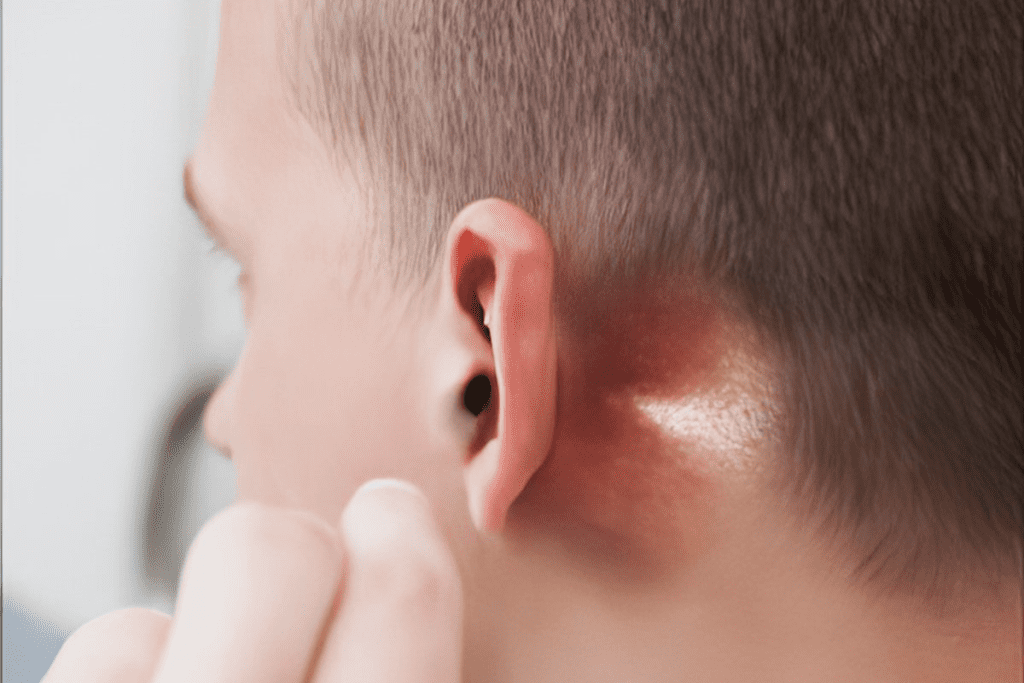
What seems like a simple ear infection can turn into a serious health issue ” especially if ear infection What Bacteria Cause Thalassemia? Understanding Thalassemia and Bacterial Infectionssymptoms are ignored or not treated properly. Knowing when to seek urgent care is vital to avoid serious complications.
Ear infection symptoms such as pain, fever, or temporary hearing loss should never be overlooked. It’s critical to monitor these signs closely and get medical help if they worsen or don’t go away.
Understanding when ear infection symptoms indicate something more serious can protect your long-term health. Untreated infections may lead to lasting problems, so recognizing the warning signs and visiting a doctor right away is essential.
Key Takeaways
- Ear infections can lead to serious complications if left untreated.
- Identifying severe symptoms early is critical for effective treatment.
- Certain individuals, such as those with weakened immune systems, are at higher risk.
- Seeking medical attention is essential if symptoms worsen or persist.
- Understanding the signs of a serious ear infection can help prevent long-term health issues.
Understanding Ear Infections and Their Causes
To understand ear infections, we need to know the different types and what causes them. Ear infections, also known as otitis media, affect millions globally. We’ll look at the types, how they develop, and risk factors.
Different Types of Ear Infections
Ear infections can affect different parts of the ear. The main types are:
- Otitis Media: This is an infection in the middle ear, usually from bacteria or viruses.
- Otitis Externa: This is an infection in the outer ear canal, often called swimmer’s ear.
- Inner Ear Infections: These are less common but can be serious if not treated quickly.
How Infections Develop in the Ear Canal
Otitis externa, or ear canal infections, happen when bacteria or fungi get into the ear. This can be due to moisture, trauma, or other irritants. The ear’s natural defenses can be weakened by:
- Too much moisture, like from swimming or humid weather.
- Putting objects in the ear, which can irritate it or push debris deeper.
- Skin conditions like eczema or psoriasis.
Common Risk Factors for Ear Infections
Some factors can make you more likely to get an ear infection. These include:
- Upper Respiratory Infections: Colds and flu can block the Eustachian tube, leading to middle ear infections.
- Allergies: Seasonal allergies or allergic reactions can also block the Eustachian tube.
- Exposure to Smoke: Being around tobacco smoke, like in children, can raise the risk of ear infections.
- Anatomical Issues: Problems like a deviated septum or big adenoids can affect the Eustachian tube.
Knowing these risk factors and types of ear infections helps in prevention and early detection. If you think you have an ear infection, see a healthcare professional for the right diagnosis and treatment.
The Global Burden of Otitis Media
Otitis media is a big health problem worldwide, hitting children hard. It leads to about 391 million cases globally each year. This makes it a major issue for global health.
The number of cases is very high. Knowing who is most at risk helps us tackle this problem. Let’s look at who is most affected by this condition.
391 Million Cases Annually: Who’s Most at Risk
Young children are hit hard by otitis media. Kids under 5 are the most vulnerable. Several factors make them more likely to get it.
Children’s immune systems are not fully grown. Their Eustachian tube is also different. This can cause fluid buildup in the middle ear, raising the risk of infection.
Knowing these reasons is key to fighting otitis media. We need to think about these points when trying to reduce its global impact.
Common Ear Infection Symptoms and Their Progression
Ear infections show different symptoms, from mild to severe. Knowing these symptoms is important for taking care of yourself. Symptoms can change a lot between kids and adults.
Mild to Moderate Symptoms to Watch For
Ear pain, fever, and hearing changes are common symptoms. Kids might get irritable and pull their ears because of pain.
Ear pain, or otalgia, can be mild or severe. Fever shows the body is fighting an infection.
How Symptoms Differ Between Children and Adults
Kids with ear infections might be fussy, have trouble sleeping, and pull their ears. Adults often report sharp ear pain and hearing loss. Knowing these differences helps doctors diagnose better.
“The clinical presentation of acute otitis media can vary significantly between children and adults, necessitating a nuanced approach to diagnosis and treatment.”
Normal Timeline for Symptom Resolution
Most ear infections get better in a few days to a week. But hearing loss might take longer. It’s key to watch your symptoms and see a doctor if they get worse or don’t go away.
If symptoms don’t get better or get worse, you might need to see a doctor. They might give antibiotics or check for other problems.
Understanding how ear infection symptoms progress helps you manage them better. It also tells you when to see a doctor.
7 Warning Signs That an Ear Infection Is Serious
It’s important to know when an ear infection is serious. Some infections need quick medical help to avoid serious problems. We’ll talk about the signs that show an ear infection is getting worse and needs immediate care.
High Fever Exceeding 102 °F (39 °C)
A high fever means your body is fighting a big infection. If you or your child has a fever over 102 °F (39 °C), it’s a serious sign. Checking temperature often can spot this early.
Severe or Worsening Ear Pain
Severe or getting worse ear pain is a bad sign. This pain can be constant or come and go. But, if it’s too much or stops you from doing daily things, see a doctor. Don’t ignore severe ear pain.
Discharge of Pus or Blood from the Ear
Pus or blood coming out of the ear is a big warning. It might mean the eardrum has burst because of the infection. This needs quick doctor’s help to avoid more problems. Any odd discharge from the ear is serious.
Noticeable Changes in Hearing Ability
Changes in hearing, like muffled sounds or trouble understanding, mean the middle ear is affected. If you notice lasting hearing changes, see a doctor right away.
Knowing these signs can help you or your child get the right medical care fast. If you see any of these symptoms, get medical help right away to avoid serious issues.
Potential Complications of Untreated Ear Infections

Untreated ear infections can lead to serious problems. These issues can affect your hearing and more. While many ear infections get better on their own, ignoring treatment can cause bigger problems.
Temporary vs. Permanent Hearing Loss
One big risk of untreated ear infections is hearing loss. Fluid or damage in the middle ear can cause temporary hearing issues. But, severe or repeated infections can cause permanent hearing loss.
This is very worrying for kids. It can hurt their speech and language skills.
Mastoiditis: When Infection Spreads to Bone
Mastoiditis is a serious issue. It happens when the infection goes to the mastoid bone, behind the ear. It causes severe pain, fever, and swelling and needs quick medical help.
If not treated, mastoiditis can lead to meningitis.
Rare but Serious Complications: Meningitis and Brain Abscess
In rare cases, untreated ear infections can cause serious problems. Meningitis and brain abscess are two such conditions. Meningitis is an infection of the brain and spinal cord. A brain abscess is a pocket of pus in the brain.
Both need emergency care.
Long-term Effects on Children’s Development
Ear infections are common in kids. If not treated, they can harm their development. They can affect speech and language skills, learning abilities, and social development.
Parents should watch their child’s ear health closely. If symptoms don’t get better or get worse, see a doctor.
We stress the need to see a doctor if you think you or your child has an ear infection. This can prevent serious problems and ensure the right treatment.
When to Seek Medical Attention vs. Home Care
Knowing when to see a doctor for an ear infection is key. It helps in treating it right and avoiding serious problems. We’ll show you which symptoms need a doctor and which can be handled at home.
Emergency Situations Requiring Immediate Care
Some symptoms mean you need to see a doctor right away. These include:
- Severe ear pain that doesn’t get better with pain relievers
- High fever over 102 °F (39 °C)
- Discharge of pus or blood from the ear
- Noticeable hearing loss or trouble hearing
- Dizziness or loss of balance
If you or your child has any of these, get medical help fast.
Symptoms Warranting a Scheduled Doctor’s Visit
Other symptoms need a doctor’s visit, even if it’s not an emergency. These include:
- Mild to moderate ear pain that keeps coming back
- Fever that lasts over 48 hours
- Hearing loss or feeling like you can’t hear well
- Recurring ear infections
A doctor can check you out and give the right treatment.
What to Expect During Medical Examination
At a doctor’s visit for an ear infection, they will:
- Look into your ear canal and eardrum with an otoscope
- Check for signs of infection or damage
- Check how well you can hear
- Talk about your symptoms and health history
The doctor might give you antibiotics or other treatments based on what they find.
Safe Home Management Strategies
For mild ear infections, you can take care of it at home. Here’s how:
- Use over-the-counter pain relievers like acetaminophen or ibuprofen
- Apply a warm compress to the affected ear
- Elevate your head to ease discomfort
- Keep an eye on your symptoms
As one expert says,
“Most ear infections are viral and will get better with care at home.”
Make sure to see a doctor if your symptoms get worse or don’t get better.
Treatment Approaches for Serious Ear Infection Symptoms
Treating serious ear infections requires a mix of medical care, pain relief, and sometimes surgery. We know that dealing with severe ear infections is tough. It needs a full care plan.
Medical Interventions and Antibiotic Therapy
For many, the first step is antibiotic therapy. Antibiotics fight bacterial infections, a common cause of ear infections. The right antibiotic and treatment length depend on the infection’s severity, the patient’s age, and health. It’s key to finish all antibiotics to clear the infection.
Antibiotics are key in treating bacterial ear infections. “But, their use must be careful and based on clinical assessment.” This helps avoid antibiotic resistance and ensures treatment works well.
Pain Management Strategies
Managing pain is vital in treating serious ear infections. Over-the-counter pain relievers like acetaminophen or ibuprofen are often suggested to ease otalgia, or ear pain. Sometimes, ear drops are prescribed to numb the ear canal and lessen pain. Always follow the dosage and talk to your doctor before taking any medication.
Surgical Options for Severe or Recurrent Cases
For severe, recurrent, or complicated infections, surgical interventions might be needed. A common surgery is putting in tympanostomy tubes. These tubes drain fluid from the middle ear and lower the chance of future infections. This choice is made after other treatments fail and the infection keeps coming back.
- Tympanostomy tubes help drain fluid and ventilate the middle ear.
- Surgical options are considered for recurrent or complicated ear infections.
- The procedure is generally safe and effective in reducing infection recurrence.
Recovery Timeline and Follow-up Protocol
The time it takes to recover from ear infections varies. It depends on the infection’s severity and the treatment. Usually, patients start feeling better in a few days after starting antibiotics. But, it’s important to follow up with a healthcare provider to make sure the infection is gone and to address any remaining symptoms or worries.
Follow-up care is key in managing ear infections, mainly in children. It helps prevent long-term hearing and development problems.” We suggest making a follow-up appointment as your healthcare provider advises. This helps monitor recovery and adjust treatment if needed.
Conclusion: Protecting Your Ear Health
Keeping your ears healthy is key to avoiding ear infections and their serious side effects. Knowing the causes, signs, and treatments helps you protect your hearing and overall health.
Simple steps can lower your risk of ear infections. Stay away from smoke, keep clean, and get all your shots. Also, take care of your ears when you have a cold or allergies.
Knowing the signs of serious ear infections and getting help fast is important. This way, you can avoid lasting damage and keep your ears in top shape. We urge you to take these steps seriously and talk to a doctor if you’re worried about your ear health.
FAQ
What is an ear infection, and how does it occur?
An ear infection, or otitis media, happens when bacteria or viruses get into the middle ear. This often happens because of problems with the Eustachian tube or upper respiratory infections. Ear infections can be very painful and serious if not treated.
Are ear infections contagious?
Ear infections themselves aren’t contagious. But, the causes like upper respiratory infections can be. It’s good to take steps to stop infections from spreading.
What are the common symptoms of an ear infection?
Symptoms include ear pain, fever, hearing changes, and sometimes discharge. If you or your child has these, see a doctor. Symptoms can differ between kids and adults.
How do I know if my ear infection is serious?
Look out for signs like high fever, severe pain, discharge, or hearing changes. If you see these, get medical help right away. They could mean a serious infection.
Can ear infections cause permanent damage?
Untreated infections can lead to hearing loss, mastoiditis, and rare but serious conditions like meningitis and brain abscess. It’s vital to get medical help quickly to avoid these problems.
How are ear infections treated?
Treatment includes antibiotics, pain relief, and sometimes surgery for severe cases. We’ll create a treatment plan just for you.
Can I manage ear infection symptoms at home?
For mild symptoms, you can try pain relief and watch your symptoms. But, if they get worse or are severe, see a doctor. They could be signs of a serious infection.
How can I prevent future ear infections?
To prevent infections, avoid smoke, manage allergies, and keep good hygiene. These steps can help lower your risk of upper respiratory infections and protect your ears.
What is the typical recovery timeline for an ear infection?
Recovery time depends on the infection’s severity and treatment. We’ll guide you on what to expect and when to follow up with care.
Are there any long-term effects of ear infections on children’s development?
Untreated or frequent ear infections can affect children’s speech and language skills. It’s key to get medical help quickly to avoid these effects.
Reference
- American Academy of Pediatrics. (2013). The diagnosis and management of acute otitis media. Pediatrics, 131(3), e964-e999.https://doi.org/10.1542/peds.2012-3488