


Otorhinolaryngology focuses on the ear, nose, and throat. Learn about the diagnosis and treatment of hearing loss, sinusitis, tonsillitis, and voice disorders.
Overview and definition
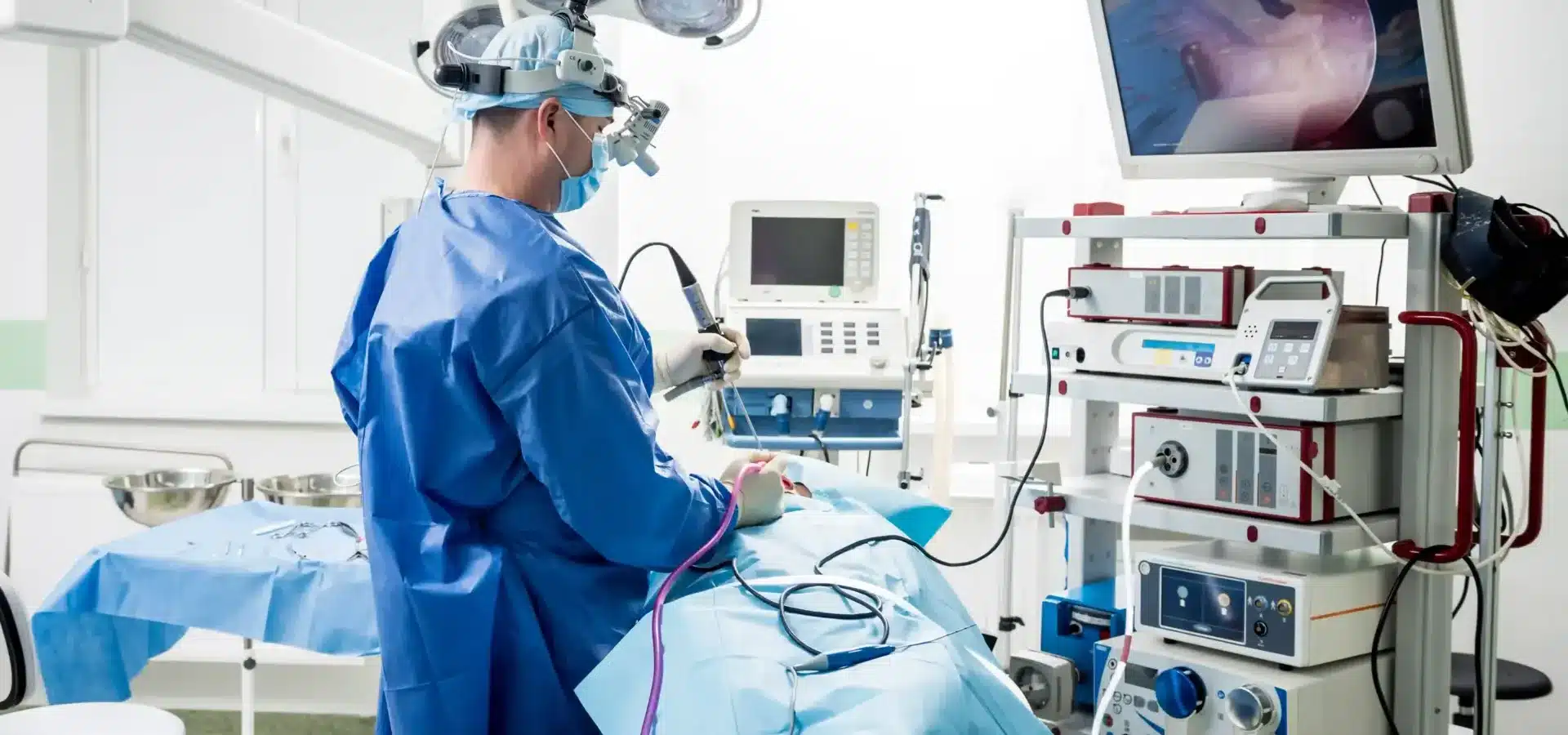
Otorhinolaryngology, commonly known as ENT (Ear, Nose, and Throat), is a medical and surgical specialty focused on the diagnosis and treatment of disorders of the head and neck. This is one of the oldest medical specialties, yet it involves some of the most intricate anatomy in the human body. An Otorhinolaryngologist (or ENT surgeon) is a physician trained to manage conditions affecting the ears, nose, sinuses, larynx (voice box), oral cavity, and upper pharynx (mouth and throat), as well as structures of the neck and face.
The Anatomy of the Head and Neck Region

The regions covered by ENT are interconnected and vital for our ability to communicate, eat, breathe, and perceive the world.
- The Ear (Otology): This sensory organ is responsible for two critical functions: hearing and balance.
- Outer Ear
- Middle Ear
- Inner Ear
- The Nose and Sinuses (Rhinology):
- Nasal Cavity
- Paranasal Sinuses
- The Throat and Larynx (Laryngology):
- Pharynx: The muscular tube that serves as a pathway for both air and food. It houses the tonsils and adenoids, which are part of the immune system.
- Larynx (Voice Box): Contains the vocal cords and is crucial for speech, breathing, and protecting the airway from aspiration of food.
- Esophagus and Trachea: The pathways to the stomach and lungs, respectively.
- Head and Neck: This includes the thyroid and parathyroid glands, the salivary glands, and the neck lymph nodes.
The Scope of ENT Practice

ENT is a unique field because it combines medical management with complex surgical intervention. The scope is vast, ranging from pediatric conditions to oncology.
- Pediatric ENT: Treating common childhood issues like recurrent ear infections, enlarged tonsils/adenoids, and congenital airway anomalies.
- Otology and Neurotology: Focusing on hearing loss, tinnitus, dizziness (vertigo), and surgery of the temporal bone (e.g., cochlear implants).
- Rhinology and Skull Base Surgery: Managing chronic sinusitis, allergies, and nasal polyps, and using endoscopic techniques to remove tumors at the base of the brain through the nose.
- Laryngology and Voice: treating voice disorders (hoarseness), swallowing difficulties (dysphagia), and airway constriction.
- Head and Neck Surgery: The surgical management of benign and malignant tumors of the thyroid, salivary glands, mouth, and throat.
- Facial Plastic and Reconstructive Surgery: Functional and cosmetic surgery of the face, such as rhinoplasty (nose reshaping) and reconstruction after skin cancer removal.
The Impact of ENT Health
Conditions of the ear, nose, and throat can significantly impact quality of life. Hearing loss leads to social isolation; chronic sinusitis causes fatigue and reduced productivity; voice disorders affect communication and careers; and balance disorders can be debilitating. Furthermore, the head and neck region contains vital structures, making specialized care essential to preserve function and appearance.
Symptoms and Causes
Because the ears, nose, and throat are physically connected by a network of tubes and passages, a problem in one area often causes symptoms in another. For example, a sinus infection can cause a toothache, and throat issues can cause ear pain. Recognizing specific symptoms helps differentiate between minor infections and conditions requiring surgical intervention.
Common Symptoms and Warning Signs
Symptoms in ENT can be categorized by the specific organ system affected.
- Ear Symptoms:
- Otalgia (Ear Pain)
- Hearing Loss
- Tinnitus
- Vertigo and Dizziness
- Otorrhea
- Nasal and Sinus Symptoms:
- Nasal Obstruction
- Rhinorrhea
- Epistaxis
- Anosmia/Hyposmia
- Facial Pressure/Pain
- Throat and Neck Symptoms:
- Sore Throat (Pharyngitis)
- Dysphagia
- Hoarseness (Dysphonia)
- Stridor
- Neck Mass
- Snoring and Apnea
Underlying Causes of ENT Disorders
The causes of ENT conditions are diverse, involving environmental triggers, structural anatomy, and pathogens.
- Infections:
- Viral: The common cold (Rhinovirus), Flu, and Mono (Epstein-Barr Virus) are frequent causes of sore throats and congestion.
- Bacterial: Streptococcus (Strep throat), Haemophilus influenzae (ear infections), and Staphylococcus (sinusitis).
- Fungal: Can affect the outer ear (otomycosis) or sinuses in immunocompromised patients.
- Structural Abnormalities:
- Deviated Septum: The cartilage wall between the nostrils is crooked, blocking airflow.
- Adenotonsillar Hypertrophy: Enlarged tonsils and adenoids blocking the airway, common in children.
- Eustachian Tube Dysfunction: Failure of the tube connecting the ear and throat to open, leading to fluid buildup and hearing loss.
- Allergies (Allergic Rhinitis): The immune system overreacts to pollen, dust, or pet dander, leading to inflammation of the nose and throat.
- Environmental Factors:
- Noise Exposure: Prolonged exposure to loud noise can damage the hair cells in the cochlea, leading to permanent hearing loss.
- Smoking: The leading cause of laryngeal (throat) cancer and a major irritant causing chronic laryngitis.
- Acid Reflux (LPR): Stomach acid backing up into the throat (Laryngopharyngeal Reflux) can damage the vocal cords.
- Neurological and Autoimmune: Conditions like Meniere’s disease (inner ear fluid imbalance) or Wegener’s granulomatosis.

Diagnosis and Staging
ENT diagnosis has evolved from simple handheld lights to high-definition endoscopic visualization. Because many ENT structures are hidden deep within bony cavities (like the inner ear or sinuses), advanced technology is required to assess them accurately. At Liv Hospital, our diagnostic pathway is designed to be minimally invasive while providing maximum anatomical detail.
The Clinical Examination
The ENT examination is a systematic evaluation of the head and neck.
- Otoscopy: Using a lighted instrument (otoscope) or a microscope to examine the ear canal and eardrum (tympanic membrane). This helps diagnose infections, perforations (holes), or fluid behind the drum.
- Anterior Rhinoscopy: Using a speculum to look into the front of the nose to check the septum and turbinates.
- Oral and Neck Exam: Palpating the neck for lumps (lymph nodes, thyroid) and examining the mouth and tonsils.
Advanced Endoscopic Diagnostics
When the naked eye cannot see deep enough, fiber-optic technology is used.
- Nasal Endoscopy: A thin, rigid, or flexible telescope with a camera is inserted into the nose. This allows the doctor to view the sinus drainage pathways, look for polyps, and examine the adenoids. It is a painless office procedure.
- Flexible Laryngoscopy: A thin, flexible scope is passed through the nose and down the throat to view the vocal cords in action. This is essential for diagnosing hoarseness, reflux damage, or vocal cord paralysis.
- Videostroboscopy: A specialized scope with a flashing light that simulates “slow motion” video of the vocal cord vibration. It detects subtle stiffness or lesions (like nodules or cysts) that standard scopes miss.

Audiology and Vestibular Testing
Functional testing is critical for the diagnosis of ear disorders.
- Pure Tone Audiometry: The standard “hearing test” in a soundproof booth to measure the quietest sounds a patient can hear at different frequencies.
- Tympanometry: Tests the movement of the eardrum and pressure in the middle ear to diagnose fluid or Eustachian tube problems.
- OAE (Otoacoustic Emissions) and ABR (Auditory Brainstem Response)
- VNG (Videonystagmography)
Imaging and Staging
- CT Scan (Computed Tomography): The gold standard for imaging the sinuses (chronic sinusitis planning) and the temporal bone (ear surgery). It shows fine bony details.
- MRI (Magnetic Resonance Imaging): Used for soft tissue assessment, such as detecting acoustic neuromas (tumors on the hearing nerve) or evaluating neck masses.
- Staging Head and Neck Cancer: The TNM system is used (Tumor size, Node involvement, Metastasis). Diagnosis involves Fine Needle Aspiration Biopsy (FNAB) of neck lumps and PET/CT scans to check for spread.

Treatment Details

ENT treatments are highly varied, ranging from medication management for allergies to intricate microsurgery for hearing restoration. The goal is to preserve the sensory functions (hearing, smell, taste) while curing the disease. At Liv Hospital, we prioritize functional preservation and minimally invasive techniques.
Medical Management
Many ENT conditions resolve with targeted medical therapy.
- Antibiotics and Antifungals: For bacterial sinusitis, tonsillitis, and ear infections.
- Steroids: Nasal sprays for allergies/polyps, or oral steroids for sudden hearing loss and severe vocal swelling.
- Antihistamines and Decongestants: For allergic rhinitis and congestion.
- Anti-Reflux Medication (PPIs): To treat acid reflux which damages the throat.
- Vestibular Rehabilitation: Physical therapy exercises (like the Epley maneuver) to retrain the brain and fix benign positional vertigo (BPPV).
Common Surgical Interventions
- Tonsillectomy and Adenoidectomy: Removal of the tonsils and adenoids. This is performed for recurrent infections or, more commonly, for sleep apnea in children.
- Myringotomy and Tube Placement: Making a tiny incision in the eardrum and placing a ventilation tube. This allows fluid to drain and prevents recurrent ear infections in children.
- Septoplasty: Surgically straightening the deviated nasal septum to improve airflow.
- Functional Endoscopic Sinus Surgery (FESS): Using endoscopes to open the natural drainage pathways of the sinuses and remove polyps. This is done entirely through the nostrils with no external incisions.
Advanced Microsurgery and Implants
- Tympanoplasty: Repairing a perforated eardrum using a graft (tissue patch).
- Mastoidectomy: Removing infected bone cells from the skull behind the ear (mastoid bone), often for cholesteatoma (a skin cyst in the ear).
- Cochlear Implantation: The surgical placement of an electronic device that bypasses the damaged inner ear and directly stimulates the hearing nerve. This provides a sense of sound to patients with profound deafness.
- Stapedectomy: Removing a fixed bone in the ear (stapes) and replacing it with a prosthesis to cure hearing loss caused by otosclerosis.
Head and Neck Surgery
- Thyroidectomy: Removal of all or part of the thyroid gland for nodules, goiter, or cancer. Nerve monitoring is used to protect the voice.
- Parotidectomy: Removal of the parotid salivary gland for tumors.
- Laryngeal Surgery:
- Microlaryngoscopy: Using a microscope and laser to remove vocal cord nodules or polyps with extreme precision to preserve voice quality.
- Laryngectomy: Removal of the voice box for advanced cancer, requiring voice rehabilitation post-surgery.
- Sleep Apnea Surgery: Procedures such as Uvulopalatopharyngoplasty (UPPP) to widen the airway in the throat.
The Medical Center

Disorders of the head and neck affect how we interact with the world, how we hear loved ones, how we speak, and how we taste food. At Liv Hospital, our Otorhinolaryngology Department is dedicated to protecting these vital senses. We combine the precision of microsurgery with a holistic, multidisciplinary approach to rehabilitation.
Why Choose Liv Hospital for ENT Care?
- Advanced Navigation Technology: For sinus and skull-base surgery, we use Surgical Navigation Systems. Similar to GPS, this technology enables the surgeon to track the tip of their instrument in real time during surgery using a 3D CT scan. This significantly increases safety when operating near the eyes and brain.
- The Voice and Swallowing Center: We offer a specialized unit dedicated to professional voice users (singers, teachers). Our laryngologists work alongside speech-language pathologists to provide videostroboscopy and voice therapy, often preventing the need for surgery.
- Cochlear Implant Program: We are a center of excellence for bionic hearing. Our team includes surgeons, audiologists, and rehabilitation specialists who support patients throughout the journey, from surgery to “switching on” the device and learning to hear again.
A Multidisciplinary Approach to Senses
ENT care often requires collaboration.
-
- Pediatric ENT Unit: Children are not just small adults. Our pediatric ENT specialists work with pediatric anesthesiologists to ensure safe surgery for airway and ear conditions in infants and toddlers.
- Skull Base Team: For complex tumors located between the nose and the brain, our ENT surgeons perform “four-handed” surgery alongside neurosurgeons, removing tumors through the nose (Endoscopic Skull Base Surgery) without opening the skull.
- Allergy and Immunology Collaboration: For patients with chronic sinusitis and severe allergies, we collaborate with immunologists to offer desensitization therapy (allergy shots) alongside surgical management.
Patient-Centered Comfort

We understand that ENT procedures can cause anxiety regarding breathing and senses.
- Minimally Invasive Focus: Whenever possible, we use endoscopic and laser techniques that result in less pain, no external scarring, and faster recovery.
- Audiology Support: Our on-site audiology lab offers immediate hearing aid fitting and balance testing, streamlining diagnosis and treatment in a single location.
At Liv Hospital, we are committed to restoring your senses and improving your connection to the world. Whether you need a simple hearing test or complex head and neck surgery, our team provides world-class care with a personal touch.
Symptoms and Causes
Overview and definition
Otorhinolaryngology, commonly known as ENT (Ear, Nose, and Throat), is a medical and surgical specialty focused on the diagnosis and treatment of disorders of the head and neck. This is one of the oldest medical specialties, yet it involves some of the most intricate anatomy in the human body. An Otorhinolaryngologist (or ENT surgeon) is a physician trained to manage conditions affecting the ears, nose, sinuses, larynx (voice box), oral cavity, and upper pharynx (mouth and throat), as well as structures of the neck and face.
The Anatomy of the Head and Neck Region
The regions covered by ENT are interconnected and vital for our ability to communicate, eat, breathe, and perceive the world.
- The Ear (Otology): This sensory organ is responsible for two critical functions: hearing and balance.
- Outer Ear
- Middle Ear
- Inner Ear
- The Nose and Sinuses (Rhinology):
- Nasal Cavity
- Paranasal Sinuses
- The Throat and Larynx (Laryngology):
- Pharynx: The muscular tube that serves as a pathway for both air and food. It houses the tonsils and adenoids, which are part of the immune system.
- Larynx (Voice Box): Contains the vocal cords and is crucial for speech, breathing, and protecting the airway from aspiration of food.
- Esophagus and Trachea: The pathways to the stomach and lungs, respectively.
- Head and Neck: This includes the thyroid and parathyroid glands, the salivary glands, and the neck lymph nodes.
The Scope of ENT Practice
ENT is a unique field because it combines medical management with complex surgical intervention. The scope is vast, ranging from pediatric conditions to oncology.
- Pediatric ENT: Treating common childhood issues like recurrent ear infections, enlarged tonsils/adenoids, and congenital airway anomalies.
- Otology and Neurotology: Focusing on hearing loss, tinnitus, dizziness (vertigo), and surgery of the temporal bone (e.g., cochlear implants).
- Rhinology and Skull Base Surgery: Managing chronic sinusitis, allergies, and nasal polyps, and using endoscopic techniques to remove tumors at the base of the brain through the nose.
- Laryngology and Voice: treating voice disorders (hoarseness), swallowing difficulties (dysphagia), and airway constriction.
- Head and Neck Surgery: The surgical management of benign and malignant tumors of the thyroid, salivary glands, mouth, and throat.
- Facial Plastic and Reconstructive Surgery: Functional and cosmetic surgery of the face, such as rhinoplasty (nose reshaping) and reconstruction after skin cancer removal.
The Impact of ENT Health
Conditions of the ear, nose, and throat can significantly impact quality of life. Hearing loss leads to social isolation; chronic sinusitis causes fatigue and reduced productivity; voice disorders affect communication and careers; and balance disorders can be debilitating. Furthermore, the head and neck region contains vital structures, making specialized care essential to preserve function and appearance.
Symptoms and Causes
Because the ears, nose, and throat are physically connected by a network of tubes and passages, a problem in one area often causes symptoms in another. For example, a sinus infection can cause a toothache, and throat issues can cause ear pain. Recognizing specific symptoms helps differentiate between minor infections and conditions requiring surgical intervention.
Common Symptoms and Warning Signs
Symptoms in ENT can be categorized by the specific organ system affected.
- Ear Symptoms:
- Otalgia (Ear Pain)
- Hearing Loss
- Tinnitus
- Vertigo and Dizziness
- Otorrhea
- Nasal and Sinus Symptoms:
- Nasal Obstruction
- Rhinorrhea
- Epistaxis
- Anosmia/Hyposmia
- Facial Pressure/Pain
- Throat and Neck Symptoms:
- Sore Throat (Pharyngitis)
- Dysphagia
- Hoarseness (Dysphonia)
- Stridor
- Neck Mass
- Snoring and Apnea
Underlying Causes of ENT Disorders
The causes of ENT conditions are diverse, involving environmental triggers, structural anatomy, and pathogens.
- Infections:
- Viral: The common cold (Rhinovirus), Flu, and Mono (Epstein-Barr Virus) are frequent causes of sore throats and congestion.
- Bacterial: Streptococcus (Strep throat), Haemophilus influenzae (ear infections), and Staphylococcus (sinusitis).
- Fungal: Can affect the outer ear (otomycosis) or sinuses in immunocompromised patients.
- Structural Abnormalities:
- Deviated Septum: The cartilage wall between the nostrils is crooked, blocking airflow.
- Adenotonsillar Hypertrophy: Enlarged tonsils and adenoids blocking the airway, common in children.
- Eustachian Tube Dysfunction: Failure of the tube connecting the ear and throat to open, leading to fluid buildup and hearing loss.
- Allergies (Allergic Rhinitis): The immune system overreacts to pollen, dust, or pet dander, leading to inflammation of the nose and throat.
- Environmental Factors:
- Noise Exposure: Prolonged exposure to loud noise can damage the hair cells in the cochlea, leading to permanent hearing loss.
- Smoking: The leading cause of laryngeal (throat) cancer and a major irritant causing chronic laryngitis.
- Acid Reflux (LPR): Stomach acid backing up into the throat (Laryngopharyngeal Reflux) can damage the vocal cords.
- Neurological and Autoimmune: Conditions like Meniere’s disease (inner ear fluid imbalance) or Wegener’s granulomatosis.
Diagnosis and Staging
ENT diagnosis has evolved from simple handheld lights to high-definition endoscopic visualization. Because many ENT structures are hidden deep within bony cavities (like the inner ear or sinuses), advanced technology is required to assess them accurately. At Liv Hospital, our diagnostic pathway is designed to be minimally invasive while providing maximum anatomical detail.
The Clinical Examination
The ENT examination is a systematic evaluation of the head and neck.
- Otoscopy: Using a lighted instrument (otoscope) or a microscope to examine the ear canal and eardrum (tympanic membrane). This helps diagnose infections, perforations (holes), or fluid behind the drum.
- Anterior Rhinoscopy: Using a speculum to look into the front of the nose to check the septum and turbinates.
- Oral and Neck Exam: Palpating the neck for lumps (lymph nodes, thyroid) and examining the mouth and tonsils.
Advanced Endoscopic Diagnostics
When the naked eye cannot see deep enough, fiber-optic technology is used.
- Nasal Endoscopy: A thin, rigid, or flexible telescope with a camera is inserted into the nose. This allows the doctor to view the sinus drainage pathways, look for polyps, and examine the adenoids. It is a painless office procedure.
- Flexible Laryngoscopy: A thin, flexible scope is passed through the nose and down the throat to view the vocal cords in action. This is essential for diagnosing hoarseness, reflux damage, or vocal cord paralysis.
- Videostroboscopy: A specialized scope with a flashing light that simulates “slow motion” video of the vocal cord vibration. It detects subtle stiffness or lesions (like nodules or cysts) that standard scopes miss.
Audiology and Vestibular Testing
Functional testing is critical for the diagnosis of ear disorders.
- Pure Tone Audiometry: The standard “hearing test” in a soundproof booth to measure the quietest sounds a patient can hear at different frequencies.
- Tympanometry: Tests the movement of the eardrum and pressure in the middle ear to diagnose fluid or Eustachian tube problems.
- OAE (Otoacoustic Emissions) and ABR (Auditory Brainstem Response)
- VNG (Videonystagmography)
Imaging and Staging
- CT Scan (Computed Tomography): The gold standard for imaging the sinuses (chronic sinusitis planning) and the temporal bone (ear surgery). It shows fine bony details.
- MRI (Magnetic Resonance Imaging): Used for soft tissue assessment, such as detecting acoustic neuromas (tumors on the hearing nerve) or evaluating neck masses.
- Staging Head and Neck Cancer: The TNM system is used (Tumor size, Node involvement, Metastasis). Diagnosis involves Fine Needle Aspiration Biopsy (FNAB) of neck lumps and PET/CT scans to check for spread.
Treatment Details
ENT treatments are highly varied, ranging from medication management for allergies to intricate microsurgery for hearing restoration. The goal is to preserve the sensory functions (hearing, smell, taste) while curing the disease. At Liv Hospital, we prioritize functional preservation and minimally invasive techniques.
Medical Management
Many ENT conditions resolve with targeted medical therapy.
- Antibiotics and Antifungals: For bacterial sinusitis, tonsillitis, and ear infections.
- Steroids: Nasal sprays for allergies/polyps, or oral steroids for sudden hearing loss and severe vocal swelling.
- Antihistamines and Decongestants: For allergic rhinitis and congestion.
- Anti-Reflux Medication (PPIs): To treat acid reflux which damages the throat.
- Vestibular Rehabilitation: Physical therapy exercises (like the Epley maneuver) to retrain the brain and fix benign positional vertigo (BPPV).
Common Surgical Interventions
- Tonsillectomy and Adenoidectomy: Removal of the tonsils and adenoids. This is performed for recurrent infections or, more commonly, for sleep apnea in children.
- Myringotomy and Tube Placement: Making a tiny incision in the eardrum and placing a ventilation tube. This allows fluid to drain and prevents recurrent ear infections in children.
- Septoplasty: Surgically straightening the deviated nasal septum to improve airflow.
- Functional Endoscopic Sinus Surgery (FESS): Using endoscopes to open the natural drainage pathways of the sinuses and remove polyps. This is done entirely through the nostrils with no external incisions.
Advanced Microsurgery and Implants
- Tympanoplasty: Repairing a perforated eardrum using a graft (tissue patch).
- Mastoidectomy: Removing infected bone cells from the skull behind the ear (mastoid bone), often for cholesteatoma (a skin cyst in the ear).
- Cochlear Implantation: The surgical placement of an electronic device that bypasses the damaged inner ear and directly stimulates the hearing nerve. This provides a sense of sound to patients with profound deafness.
- Stapedectomy: Removing a fixed bone in the ear (stapes) and replacing it with a prosthesis to cure hearing loss caused by otosclerosis.
Head and Neck Surgery
- Thyroidectomy: Removal of all or part of the thyroid gland for nodules, goiter, or cancer. Nerve monitoring is used to protect the voice.
- Parotidectomy: Removal of the parotid salivary gland for tumors.
- Laryngeal Surgery:
- Microlaryngoscopy: Using a microscope and laser to remove vocal cord nodules or polyps with extreme precision to preserve voice quality.
- Laryngectomy: Removal of the voice box for advanced cancer, requiring voice rehabilitation post-surgery.
- Sleep Apnea Surgery: Procedures such as Uvulopalatopharyngoplasty (UPPP) to widen the airway in the throat.
The Medical Center
Disorders of the head and neck affect how we interact with the world, how we hear loved ones, how we speak, and how we taste food. At Liv Hospital, our Otorhinolaryngology Department is dedicated to protecting these vital senses. We combine the precision of microsurgery with a holistic, multidisciplinary approach to rehabilitation.
Why Choose Liv Hospital for ENT Care?
- Advanced Navigation Technology: For sinus and skull-base surgery, we use Surgical Navigation Systems. Similar to GPS, this technology enables the surgeon to track the tip of their instrument in real time during surgery using a 3D CT scan. This significantly increases safety when operating near the eyes and brain.
- The Voice and Swallowing Center: We offer a specialized unit dedicated to professional voice users (singers, teachers). Our laryngologists work alongside speech-language pathologists to provide videostroboscopy and voice therapy, often preventing the need for surgery.
- Cochlear Implant Program: We are a center of excellence for bionic hearing. Our team includes surgeons, audiologists, and rehabilitation specialists who support patients throughout the journey, from surgery to “switching on” the device and learning to hear again.
A Multidisciplinary Approach to Senses
ENT care often requires collaboration.
-
- Pediatric ENT Unit: Children are not just small adults. Our pediatric ENT specialists work with pediatric anesthesiologists to ensure safe surgery for airway and ear conditions in infants and toddlers.
- Skull Base Team: For complex tumors located between the nose and the brain, our ENT surgeons perform “four-handed” surgery alongside neurosurgeons, removing tumors through the nose (Endoscopic Skull Base Surgery) without opening the skull.
- Allergy and Immunology Collaboration: For patients with chronic sinusitis and severe allergies, we collaborate with immunologists to offer desensitization therapy (allergy shots) alongside surgical management.
Patient-Centered Comfort
We understand that ENT procedures can cause anxiety regarding breathing and senses.
- Minimally Invasive Focus: Whenever possible, we use endoscopic and laser techniques that result in less pain, no external scarring, and faster recovery.
- Audiology Support: Our on-site audiology lab offers immediate hearing aid fitting and balance testing, streamlining diagnosis and treatment in a single location.
At Liv Hospital, we are committed to restoring your senses and improving your connection to the world. Whether you need a simple hearing test or complex head and neck surgery, our team provides world-class care with a personal touch.
Diagnosis and Tests
Overview and definition
Otorhinolaryngology, commonly known as ENT (Ear, Nose, and Throat), is a medical and surgical specialty focused on the diagnosis and treatment of disorders of the head and neck. This is one of the oldest medical specialties, yet it involves some of the most intricate anatomy in the human body. An Otorhinolaryngologist (or ENT surgeon) is a physician trained to manage conditions affecting the ears, nose, sinuses, larynx (voice box), oral cavity, and upper pharynx (mouth and throat), as well as structures of the neck and face.
The Anatomy of the Head and Neck Region
The regions covered by ENT are interconnected and vital for our ability to communicate, eat, breathe, and perceive the world.
- The Ear (Otology): This sensory organ is responsible for two critical functions: hearing and balance.
- Outer Ear
- Middle Ear
- Inner Ear
- The Nose and Sinuses (Rhinology):
- Nasal Cavity
- Paranasal Sinuses
- The Throat and Larynx (Laryngology):
- Pharynx: The muscular tube that serves as a pathway for both air and food. It houses the tonsils and adenoids, which are part of the immune system.
- Larynx (Voice Box): Contains the vocal cords and is crucial for speech, breathing, and protecting the airway from aspiration of food.
- Esophagus and Trachea: The pathways to the stomach and lungs, respectively.
- Head and Neck: This includes the thyroid and parathyroid glands, the salivary glands, and the neck lymph nodes.
The Scope of ENT Practice
ENT is a unique field because it combines medical management with complex surgical intervention. The scope is vast, ranging from pediatric conditions to oncology.
- Pediatric ENT: Treating common childhood issues like recurrent ear infections, enlarged tonsils/adenoids, and congenital airway anomalies.
- Otology and Neurotology: Focusing on hearing loss, tinnitus, dizziness (vertigo), and surgery of the temporal bone (e.g., cochlear implants).
- Rhinology and Skull Base Surgery: Managing chronic sinusitis, allergies, and nasal polyps, and using endoscopic techniques to remove tumors at the base of the brain through the nose.
- Laryngology and Voice: treating voice disorders (hoarseness), swallowing difficulties (dysphagia), and airway constriction.
- Head and Neck Surgery: The surgical management of benign and malignant tumors of the thyroid, salivary glands, mouth, and throat.
- Facial Plastic and Reconstructive Surgery: Functional and cosmetic surgery of the face, such as rhinoplasty (nose reshaping) and reconstruction after skin cancer removal.
The Impact of ENT Health
Conditions of the ear, nose, and throat can significantly impact quality of life. Hearing loss leads to social isolation; chronic sinusitis causes fatigue and reduced productivity; voice disorders affect communication and careers; and balance disorders can be debilitating. Furthermore, the head and neck region contains vital structures, making specialized care essential to preserve function and appearance.
Symptoms and Causes
Because the ears, nose, and throat are physically connected by a network of tubes and passages, a problem in one area often causes symptoms in another. For example, a sinus infection can cause a toothache, and throat issues can cause ear pain. Recognizing specific symptoms helps differentiate between minor infections and conditions requiring surgical intervention.
Common Symptoms and Warning Signs
Symptoms in ENT can be categorized by the specific organ system affected.
- Ear Symptoms:
- Otalgia (Ear Pain)
- Hearing Loss
- Tinnitus
- Vertigo and Dizziness
- Otorrhea
- Nasal and Sinus Symptoms:
- Nasal Obstruction
- Rhinorrhea
- Epistaxis
- Anosmia/Hyposmia
- Facial Pressure/Pain
- Throat and Neck Symptoms:
- Sore Throat (Pharyngitis)
- Dysphagia
- Hoarseness (Dysphonia)
- Stridor
- Neck Mass
- Snoring and Apnea
Underlying Causes of ENT Disorders
The causes of ENT conditions are diverse, involving environmental triggers, structural anatomy, and pathogens.
- Infections:
- Viral: The common cold (Rhinovirus), Flu, and Mono (Epstein-Barr Virus) are frequent causes of sore throats and congestion.
- Bacterial: Streptococcus (Strep throat), Haemophilus influenzae (ear infections), and Staphylococcus (sinusitis).
- Fungal: Can affect the outer ear (otomycosis) or sinuses in immunocompromised patients.
- Structural Abnormalities:
- Deviated Septum: The cartilage wall between the nostrils is crooked, blocking airflow.
- Adenotonsillar Hypertrophy: Enlarged tonsils and adenoids blocking the airway, common in children.
- Eustachian Tube Dysfunction: Failure of the tube connecting the ear and throat to open, leading to fluid buildup and hearing loss.
- Allergies (Allergic Rhinitis): The immune system overreacts to pollen, dust, or pet dander, leading to inflammation of the nose and throat.
- Environmental Factors:
- Noise Exposure: Prolonged exposure to loud noise can damage the hair cells in the cochlea, leading to permanent hearing loss.
- Smoking: The leading cause of laryngeal (throat) cancer and a major irritant causing chronic laryngitis.
- Acid Reflux (LPR): Stomach acid backing up into the throat (Laryngopharyngeal Reflux) can damage the vocal cords.
- Neurological and Autoimmune: Conditions like Meniere’s disease (inner ear fluid imbalance) or Wegener’s granulomatosis.
Diagnosis and Staging
ENT diagnosis has evolved from simple handheld lights to high-definition endoscopic visualization. Because many ENT structures are hidden deep within bony cavities (like the inner ear or sinuses), advanced technology is required to assess them accurately. At Liv Hospital, our diagnostic pathway is designed to be minimally invasive while providing maximum anatomical detail.
The Clinical Examination
The ENT examination is a systematic evaluation of the head and neck.
- Otoscopy: Using a lighted instrument (otoscope) or a microscope to examine the ear canal and eardrum (tympanic membrane). This helps diagnose infections, perforations (holes), or fluid behind the drum.
- Anterior Rhinoscopy: Using a speculum to look into the front of the nose to check the septum and turbinates.
- Oral and Neck Exam: Palpating the neck for lumps (lymph nodes, thyroid) and examining the mouth and tonsils.
Advanced Endoscopic Diagnostics
When the naked eye cannot see deep enough, fiber-optic technology is used.
- Nasal Endoscopy: A thin, rigid, or flexible telescope with a camera is inserted into the nose. This allows the doctor to view the sinus drainage pathways, look for polyps, and examine the adenoids. It is a painless office procedure.
- Flexible Laryngoscopy: A thin, flexible scope is passed through the nose and down the throat to view the vocal cords in action. This is essential for diagnosing hoarseness, reflux damage, or vocal cord paralysis.
- Videostroboscopy: A specialized scope with a flashing light that simulates “slow motion” video of the vocal cord vibration. It detects subtle stiffness or lesions (like nodules or cysts) that standard scopes miss.
Audiology and Vestibular Testing
Functional testing is critical for the diagnosis of ear disorders.
- Pure Tone Audiometry: The standard “hearing test” in a soundproof booth to measure the quietest sounds a patient can hear at different frequencies.
- Tympanometry: Tests the movement of the eardrum and pressure in the middle ear to diagnose fluid or Eustachian tube problems.
- OAE (Otoacoustic Emissions) and ABR (Auditory Brainstem Response)
- VNG (Videonystagmography)
Imaging and Staging
- CT Scan (Computed Tomography): The gold standard for imaging the sinuses (chronic sinusitis planning) and the temporal bone (ear surgery). It shows fine bony details.
- MRI (Magnetic Resonance Imaging): Used for soft tissue assessment, such as detecting acoustic neuromas (tumors on the hearing nerve) or evaluating neck masses.
- Staging Head and Neck Cancer: The TNM system is used (Tumor size, Node involvement, Metastasis). Diagnosis involves Fine Needle Aspiration Biopsy (FNAB) of neck lumps and PET/CT scans to check for spread.
Treatment Details
ENT treatments are highly varied, ranging from medication management for allergies to intricate microsurgery for hearing restoration. The goal is to preserve the sensory functions (hearing, smell, taste) while curing the disease. At Liv Hospital, we prioritize functional preservation and minimally invasive techniques.
Medical Management
Many ENT conditions resolve with targeted medical therapy.
- Antibiotics and Antifungals: For bacterial sinusitis, tonsillitis, and ear infections.
- Steroids: Nasal sprays for allergies/polyps, or oral steroids for sudden hearing loss and severe vocal swelling.
- Antihistamines and Decongestants: For allergic rhinitis and congestion.
- Anti-Reflux Medication (PPIs): To treat acid reflux which damages the throat.
- Vestibular Rehabilitation: Physical therapy exercises (like the Epley maneuver) to retrain the brain and fix benign positional vertigo (BPPV).
Common Surgical Interventions
- Tonsillectomy and Adenoidectomy: Removal of the tonsils and adenoids. This is performed for recurrent infections or, more commonly, for sleep apnea in children.
- Myringotomy and Tube Placement: Making a tiny incision in the eardrum and placing a ventilation tube. This allows fluid to drain and prevents recurrent ear infections in children.
- Septoplasty: Surgically straightening the deviated nasal septum to improve airflow.
- Functional Endoscopic Sinus Surgery (FESS): Using endoscopes to open the natural drainage pathways of the sinuses and remove polyps. This is done entirely through the nostrils with no external incisions.
Advanced Microsurgery and Implants
- Tympanoplasty: Repairing a perforated eardrum using a graft (tissue patch).
- Mastoidectomy: Removing infected bone cells from the skull behind the ear (mastoid bone), often for cholesteatoma (a skin cyst in the ear).
- Cochlear Implantation: The surgical placement of an electronic device that bypasses the damaged inner ear and directly stimulates the hearing nerve. This provides a sense of sound to patients with profound deafness.
- Stapedectomy: Removing a fixed bone in the ear (stapes) and replacing it with a prosthesis to cure hearing loss caused by otosclerosis.
Head and Neck Surgery
- Thyroidectomy: Removal of all or part of the thyroid gland for nodules, goiter, or cancer. Nerve monitoring is used to protect the voice.
- Parotidectomy: Removal of the parotid salivary gland for tumors.
- Laryngeal Surgery:
- Microlaryngoscopy: Using a microscope and laser to remove vocal cord nodules or polyps with extreme precision to preserve voice quality.
- Laryngectomy: Removal of the voice box for advanced cancer, requiring voice rehabilitation post-surgery.
- Sleep Apnea Surgery: Procedures such as Uvulopalatopharyngoplasty (UPPP) to widen the airway in the throat.
The Medical Center
Disorders of the head and neck affect how we interact with the world, how we hear loved ones, how we speak, and how we taste food. At Liv Hospital, our Otorhinolaryngology Department is dedicated to protecting these vital senses. We combine the precision of microsurgery with a holistic, multidisciplinary approach to rehabilitation.
Why Choose Liv Hospital for ENT Care?
- Advanced Navigation Technology: For sinus and skull-base surgery, we use Surgical Navigation Systems. Similar to GPS, this technology enables the surgeon to track the tip of their instrument in real time during surgery using a 3D CT scan. This significantly increases safety when operating near the eyes and brain.
- The Voice and Swallowing Center: We offer a specialized unit dedicated to professional voice users (singers, teachers). Our laryngologists work alongside speech-language pathologists to provide videostroboscopy and voice therapy, often preventing the need for surgery.
- Cochlear Implant Program: We are a center of excellence for bionic hearing. Our team includes surgeons, audiologists, and rehabilitation specialists who support patients throughout the journey, from surgery to “switching on” the device and learning to hear again.
A Multidisciplinary Approach to Senses
ENT care often requires collaboration.
-
- Pediatric ENT Unit: Children are not just small adults. Our pediatric ENT specialists work with pediatric anesthesiologists to ensure safe surgery for airway and ear conditions in infants and toddlers.
- Skull Base Team: For complex tumors located between the nose and the brain, our ENT surgeons perform “four-handed” surgery alongside neurosurgeons, removing tumors through the nose (Endoscopic Skull Base Surgery) without opening the skull.
- Allergy and Immunology Collaboration: For patients with chronic sinusitis and severe allergies, we collaborate with immunologists to offer desensitization therapy (allergy shots) alongside surgical management.
Patient-Centered Comfort
We understand that ENT procedures can cause anxiety regarding breathing and senses.
- Minimally Invasive Focus: Whenever possible, we use endoscopic and laser techniques that result in less pain, no external scarring, and faster recovery.
- Audiology Support: Our on-site audiology lab offers immediate hearing aid fitting and balance testing, streamlining diagnosis and treatment in a single location.
At Liv Hospital, we are committed to restoring your senses and improving your connection to the world. Whether you need a simple hearing test or complex head and neck surgery, our team provides world-class care with a personal touch.
Treatment Options
Overview and definition
Otorhinolaryngology, commonly known as ENT (Ear, Nose, and Throat), is a medical and surgical specialty focused on the diagnosis and treatment of disorders of the head and neck. This is one of the oldest medical specialties, yet it involves some of the most intricate anatomy in the human body. An Otorhinolaryngologist (or ENT surgeon) is a physician trained to manage conditions affecting the ears, nose, sinuses, larynx (voice box), oral cavity, and upper pharynx (mouth and throat), as well as structures of the neck and face.
The Anatomy of the Head and Neck Region
The regions covered by ENT are interconnected and vital for our ability to communicate, eat, breathe, and perceive the world.
- The Ear (Otology): This sensory organ is responsible for two critical functions: hearing and balance.
- Outer Ear
- Middle Ear
- Inner Ear
- The Nose and Sinuses (Rhinology):
- Nasal Cavity
- Paranasal Sinuses
- The Throat and Larynx (Laryngology):
- Pharynx: The muscular tube that serves as a pathway for both air and food. It houses the tonsils and adenoids, which are part of the immune system.
- Larynx (Voice Box): Contains the vocal cords and is crucial for speech, breathing, and protecting the airway from aspiration of food.
- Esophagus and Trachea: The pathways to the stomach and lungs, respectively.
- Head and Neck: This includes the thyroid and parathyroid glands, the salivary glands, and the neck lymph nodes.
The Scope of ENT Practice
ENT is a unique field because it combines medical management with complex surgical intervention. The scope is vast, ranging from pediatric conditions to oncology.
- Pediatric ENT: Treating common childhood issues like recurrent ear infections, enlarged tonsils/adenoids, and congenital airway anomalies.
- Otology and Neurotology: Focusing on hearing loss, tinnitus, dizziness (vertigo), and surgery of the temporal bone (e.g., cochlear implants).
- Rhinology and Skull Base Surgery: Managing chronic sinusitis, allergies, and nasal polyps, and using endoscopic techniques to remove tumors at the base of the brain through the nose.
- Laryngology and Voice: treating voice disorders (hoarseness), swallowing difficulties (dysphagia), and airway constriction.
- Head and Neck Surgery: The surgical management of benign and malignant tumors of the thyroid, salivary glands, mouth, and throat.
- Facial Plastic and Reconstructive Surgery: Functional and cosmetic surgery of the face, such as rhinoplasty (nose reshaping) and reconstruction after skin cancer removal.
The Impact of ENT Health
Conditions of the ear, nose, and throat can significantly impact quality of life. Hearing loss leads to social isolation; chronic sinusitis causes fatigue and reduced productivity; voice disorders affect communication and careers; and balance disorders can be debilitating. Furthermore, the head and neck region contains vital structures, making specialized care essential to preserve function and appearance.
Symptoms and Causes
Because the ears, nose, and throat are physically connected by a network of tubes and passages, a problem in one area often causes symptoms in another. For example, a sinus infection can cause a toothache, and throat issues can cause ear pain. Recognizing specific symptoms helps differentiate between minor infections and conditions requiring surgical intervention.
Common Symptoms and Warning Signs
Symptoms in ENT can be categorized by the specific organ system affected.
- Ear Symptoms:
- Otalgia (Ear Pain)
- Hearing Loss
- Tinnitus
- Vertigo and Dizziness
- Otorrhea
- Nasal and Sinus Symptoms:
- Nasal Obstruction
- Rhinorrhea
- Epistaxis
- Anosmia/Hyposmia
- Facial Pressure/Pain
- Throat and Neck Symptoms:
- Sore Throat (Pharyngitis)
- Dysphagia
- Hoarseness (Dysphonia)
- Stridor
- Neck Mass
- Snoring and Apnea
Underlying Causes of ENT Disorders
The causes of ENT conditions are diverse, involving environmental triggers, structural anatomy, and pathogens.
- Infections:
- Viral: The common cold (Rhinovirus), Flu, and Mono (Epstein-Barr Virus) are frequent causes of sore throats and congestion.
- Bacterial: Streptococcus (Strep throat), Haemophilus influenzae (ear infections), and Staphylococcus (sinusitis).
- Fungal: Can affect the outer ear (otomycosis) or sinuses in immunocompromised patients.
- Structural Abnormalities:
- Deviated Septum: The cartilage wall between the nostrils is crooked, blocking airflow.
- Adenotonsillar Hypertrophy: Enlarged tonsils and adenoids blocking the airway, common in children.
- Eustachian Tube Dysfunction: Failure of the tube connecting the ear and throat to open, leading to fluid buildup and hearing loss.
- Allergies (Allergic Rhinitis): The immune system overreacts to pollen, dust, or pet dander, leading to inflammation of the nose and throat.
- Environmental Factors:
- Noise Exposure: Prolonged exposure to loud noise can damage the hair cells in the cochlea, leading to permanent hearing loss.
- Smoking: The leading cause of laryngeal (throat) cancer and a major irritant causing chronic laryngitis.
- Acid Reflux (LPR): Stomach acid backing up into the throat (Laryngopharyngeal Reflux) can damage the vocal cords.
- Neurological and Autoimmune: Conditions like Meniere’s disease (inner ear fluid imbalance) or Wegener’s granulomatosis.
Diagnosis and Staging
ENT diagnosis has evolved from simple handheld lights to high-definition endoscopic visualization. Because many ENT structures are hidden deep within bony cavities (like the inner ear or sinuses), advanced technology is required to assess them accurately. At Liv Hospital, our diagnostic pathway is designed to be minimally invasive while providing maximum anatomical detail.
The Clinical Examination
The ENT examination is a systematic evaluation of the head and neck.
- Otoscopy: Using a lighted instrument (otoscope) or a microscope to examine the ear canal and eardrum (tympanic membrane). This helps diagnose infections, perforations (holes), or fluid behind the drum.
- Anterior Rhinoscopy: Using a speculum to look into the front of the nose to check the septum and turbinates.
- Oral and Neck Exam: Palpating the neck for lumps (lymph nodes, thyroid) and examining the mouth and tonsils.
Advanced Endoscopic Diagnostics
When the naked eye cannot see deep enough, fiber-optic technology is used.
- Nasal Endoscopy: A thin, rigid, or flexible telescope with a camera is inserted into the nose. This allows the doctor to view the sinus drainage pathways, look for polyps, and examine the adenoids. It is a painless office procedure.
- Flexible Laryngoscopy: A thin, flexible scope is passed through the nose and down the throat to view the vocal cords in action. This is essential for diagnosing hoarseness, reflux damage, or vocal cord paralysis.
- Videostroboscopy: A specialized scope with a flashing light that simulates “slow motion” video of the vocal cord vibration. It detects subtle stiffness or lesions (like nodules or cysts) that standard scopes miss.
Audiology and Vestibular Testing
Functional testing is critical for the diagnosis of ear disorders.
- Pure Tone Audiometry: The standard “hearing test” in a soundproof booth to measure the quietest sounds a patient can hear at different frequencies.
- Tympanometry: Tests the movement of the eardrum and pressure in the middle ear to diagnose fluid or Eustachian tube problems.
- OAE (Otoacoustic Emissions) and ABR (Auditory Brainstem Response)
- VNG (Videonystagmography)
Imaging and Staging
- CT Scan (Computed Tomography): The gold standard for imaging the sinuses (chronic sinusitis planning) and the temporal bone (ear surgery). It shows fine bony details.
- MRI (Magnetic Resonance Imaging): Used for soft tissue assessment, such as detecting acoustic neuromas (tumors on the hearing nerve) or evaluating neck masses.
- Staging Head and Neck Cancer: The TNM system is used (Tumor size, Node involvement, Metastasis). Diagnosis involves Fine Needle Aspiration Biopsy (FNAB) of neck lumps and PET/CT scans to check for spread.
Treatment Details
ENT treatments are highly varied, ranging from medication management for allergies to intricate microsurgery for hearing restoration. The goal is to preserve the sensory functions (hearing, smell, taste) while curing the disease. At Liv Hospital, we prioritize functional preservation and minimally invasive techniques.
Medical Management
Many ENT conditions resolve with targeted medical therapy.
- Antibiotics and Antifungals: For bacterial sinusitis, tonsillitis, and ear infections.
- Steroids: Nasal sprays for allergies/polyps, or oral steroids for sudden hearing loss and severe vocal swelling.
- Antihistamines and Decongestants: For allergic rhinitis and congestion.
- Anti-Reflux Medication (PPIs): To treat acid reflux which damages the throat.
- Vestibular Rehabilitation: Physical therapy exercises (like the Epley maneuver) to retrain the brain and fix benign positional vertigo (BPPV).
Common Surgical Interventions
- Tonsillectomy and Adenoidectomy: Removal of the tonsils and adenoids. This is performed for recurrent infections or, more commonly, for sleep apnea in children.
- Myringotomy and Tube Placement: Making a tiny incision in the eardrum and placing a ventilation tube. This allows fluid to drain and prevents recurrent ear infections in children.
- Septoplasty: Surgically straightening the deviated nasal septum to improve airflow.
- Functional Endoscopic Sinus Surgery (FESS): Using endoscopes to open the natural drainage pathways of the sinuses and remove polyps. This is done entirely through the nostrils with no external incisions.
Advanced Microsurgery and Implants
- Tympanoplasty: Repairing a perforated eardrum using a graft (tissue patch).
- Mastoidectomy: Removing infected bone cells from the skull behind the ear (mastoid bone), often for cholesteatoma (a skin cyst in the ear).
- Cochlear Implantation: The surgical placement of an electronic device that bypasses the damaged inner ear and directly stimulates the hearing nerve. This provides a sense of sound to patients with profound deafness.
- Stapedectomy: Removing a fixed bone in the ear (stapes) and replacing it with a prosthesis to cure hearing loss caused by otosclerosis.
Head and Neck Surgery
- Thyroidectomy: Removal of all or part of the thyroid gland for nodules, goiter, or cancer. Nerve monitoring is used to protect the voice.
- Parotidectomy: Removal of the parotid salivary gland for tumors.
- Laryngeal Surgery:
- Microlaryngoscopy: Using a microscope and laser to remove vocal cord nodules or polyps with extreme precision to preserve voice quality.
- Laryngectomy: Removal of the voice box for advanced cancer, requiring voice rehabilitation post-surgery.
- Sleep Apnea Surgery: Procedures such as Uvulopalatopharyngoplasty (UPPP) to widen the airway in the throat.
The Medical Center
Disorders of the head and neck affect how we interact with the world, how we hear loved ones, how we speak, and how we taste food. At Liv Hospital, our Otorhinolaryngology Department is dedicated to protecting these vital senses. We combine the precision of microsurgery with a holistic, multidisciplinary approach to rehabilitation.
Why Choose Liv Hospital for ENT Care?
- Advanced Navigation Technology: For sinus and skull-base surgery, we use Surgical Navigation Systems. Similar to GPS, this technology enables the surgeon to track the tip of their instrument in real time during surgery using a 3D CT scan. This significantly increases safety when operating near the eyes and brain.
- The Voice and Swallowing Center: We offer a specialized unit dedicated to professional voice users (singers, teachers). Our laryngologists work alongside speech-language pathologists to provide videostroboscopy and voice therapy, often preventing the need for surgery.
- Cochlear Implant Program: We are a center of excellence for bionic hearing. Our team includes surgeons, audiologists, and rehabilitation specialists who support patients throughout the journey, from surgery to “switching on” the device and learning to hear again.
A Multidisciplinary Approach to Senses
ENT care often requires collaboration.
-
- Pediatric ENT Unit: Children are not just small adults. Our pediatric ENT specialists work with pediatric anesthesiologists to ensure safe surgery for airway and ear conditions in infants and toddlers.
- Skull Base Team: For complex tumors located between the nose and the brain, our ENT surgeons perform “four-handed” surgery alongside neurosurgeons, removing tumors through the nose (Endoscopic Skull Base Surgery) without opening the skull.
- Allergy and Immunology Collaboration: For patients with chronic sinusitis and severe allergies, we collaborate with immunologists to offer desensitization therapy (allergy shots) alongside surgical management.
Patient-Centered Comfort
We understand that ENT procedures can cause anxiety regarding breathing and senses.
- Minimally Invasive Focus: Whenever possible, we use endoscopic and laser techniques that result in less pain, no external scarring, and faster recovery.
- Audiology Support: Our on-site audiology lab offers immediate hearing aid fitting and balance testing, streamlining diagnosis and treatment in a single location.
At Liv Hospital, we are committed to restoring your senses and improving your connection to the world. Whether you need a simple hearing test or complex head and neck surgery, our team provides world-class care with a personal touch.
Recovery and Care
Overview and definition
Otorhinolaryngology, commonly known as ENT (Ear, Nose, and Throat), is a medical and surgical specialty focused on the diagnosis and treatment of disorders of the head and neck. This is one of the oldest medical specialties, yet it involves some of the most intricate anatomy in the human body. An Otorhinolaryngologist (or ENT surgeon) is a physician trained to manage conditions affecting the ears, nose, sinuses, larynx (voice box), oral cavity, and upper pharynx (mouth and throat), as well as structures of the neck and face.
The Anatomy of the Head and Neck Region
The regions covered by ENT are interconnected and vital for our ability to communicate, eat, breathe, and perceive the world.
- The Ear (Otology): This sensory organ is responsible for two critical functions: hearing and balance.
- Outer Ear
- Middle Ear
- Inner Ear
- The Nose and Sinuses (Rhinology):
- Nasal Cavity
- Paranasal Sinuses
- The Throat and Larynx (Laryngology):
- Pharynx: The muscular tube that serves as a pathway for both air and food. It houses the tonsils and adenoids, which are part of the immune system.
- Larynx (Voice Box): Contains the vocal cords and is crucial for speech, breathing, and protecting the airway from aspiration of food.
- Esophagus and Trachea: The pathways to the stomach and lungs, respectively.
- Head and Neck: This includes the thyroid and parathyroid glands, the salivary glands, and the neck lymph nodes.
The Scope of ENT Practice
ENT is a unique field because it combines medical management with complex surgical intervention. The scope is vast, ranging from pediatric conditions to oncology.
- Pediatric ENT: Treating common childhood issues like recurrent ear infections, enlarged tonsils/adenoids, and congenital airway anomalies.
- Otology and Neurotology: Focusing on hearing loss, tinnitus, dizziness (vertigo), and surgery of the temporal bone (e.g., cochlear implants).
- Rhinology and Skull Base Surgery: Managing chronic sinusitis, allergies, and nasal polyps, and using endoscopic techniques to remove tumors at the base of the brain through the nose.
- Laryngology and Voice: treating voice disorders (hoarseness), swallowing difficulties (dysphagia), and airway constriction.
- Head and Neck Surgery: The surgical management of benign and malignant tumors of the thyroid, salivary glands, mouth, and throat.
- Facial Plastic and Reconstructive Surgery: Functional and cosmetic surgery of the face, such as rhinoplasty (nose reshaping) and reconstruction after skin cancer removal.
The Impact of ENT Health
Conditions of the ear, nose, and throat can significantly impact quality of life. Hearing loss leads to social isolation; chronic sinusitis causes fatigue and reduced productivity; voice disorders affect communication and careers; and balance disorders can be debilitating. Furthermore, the head and neck region contains vital structures, making specialized care essential to preserve function and appearance.
Symptoms and Causes
Because the ears, nose, and throat are physically connected by a network of tubes and passages, a problem in one area often causes symptoms in another. For example, a sinus infection can cause a toothache, and throat issues can cause ear pain. Recognizing specific symptoms helps differentiate between minor infections and conditions requiring surgical intervention.
Common Symptoms and Warning Signs
Symptoms in ENT can be categorized by the specific organ system affected.
- Ear Symptoms:
- Otalgia (Ear Pain)
- Hearing Loss
- Tinnitus
- Vertigo and Dizziness
- Otorrhea
- Nasal and Sinus Symptoms:
- Nasal Obstruction
- Rhinorrhea
- Epistaxis
- Anosmia/Hyposmia
- Facial Pressure/Pain
- Throat and Neck Symptoms:
- Sore Throat (Pharyngitis)
- Dysphagia
- Hoarseness (Dysphonia)
- Stridor
- Neck Mass
- Snoring and Apnea
Underlying Causes of ENT Disorders
The causes of ENT conditions are diverse, involving environmental triggers, structural anatomy, and pathogens.
- Infections:
- Viral: The common cold (Rhinovirus), Flu, and Mono (Epstein-Barr Virus) are frequent causes of sore throats and congestion.
- Bacterial: Streptococcus (Strep throat), Haemophilus influenzae (ear infections), and Staphylococcus (sinusitis).
- Fungal: Can affect the outer ear (otomycosis) or sinuses in immunocompromised patients.
- Structural Abnormalities:
- Deviated Septum: The cartilage wall between the nostrils is crooked, blocking airflow.
- Adenotonsillar Hypertrophy: Enlarged tonsils and adenoids blocking the airway, common in children.
- Eustachian Tube Dysfunction: Failure of the tube connecting the ear and throat to open, leading to fluid buildup and hearing loss.
- Allergies (Allergic Rhinitis): The immune system overreacts to pollen, dust, or pet dander, leading to inflammation of the nose and throat.
- Environmental Factors:
- Noise Exposure: Prolonged exposure to loud noise can damage the hair cells in the cochlea, leading to permanent hearing loss.
- Smoking: The leading cause of laryngeal (throat) cancer and a major irritant causing chronic laryngitis.
- Acid Reflux (LPR): Stomach acid backing up into the throat (Laryngopharyngeal Reflux) can damage the vocal cords.
- Neurological and Autoimmune: Conditions like Meniere’s disease (inner ear fluid imbalance) or Wegener’s granulomatosis.
Diagnosis and Staging
ENT diagnosis has evolved from simple handheld lights to high-definition endoscopic visualization. Because many ENT structures are hidden deep within bony cavities (like the inner ear or sinuses), advanced technology is required to assess them accurately. At Liv Hospital, our diagnostic pathway is designed to be minimally invasive while providing maximum anatomical detail.
The Clinical Examination
The ENT examination is a systematic evaluation of the head and neck.
- Otoscopy: Using a lighted instrument (otoscope) or a microscope to examine the ear canal and eardrum (tympanic membrane). This helps diagnose infections, perforations (holes), or fluid behind the drum.
- Anterior Rhinoscopy: Using a speculum to look into the front of the nose to check the septum and turbinates.
- Oral and Neck Exam: Palpating the neck for lumps (lymph nodes, thyroid) and examining the mouth and tonsils.
Advanced Endoscopic Diagnostics
When the naked eye cannot see deep enough, fiber-optic technology is used.
- Nasal Endoscopy: A thin, rigid, or flexible telescope with a camera is inserted into the nose. This allows the doctor to view the sinus drainage pathways, look for polyps, and examine the adenoids. It is a painless office procedure.
- Flexible Laryngoscopy: A thin, flexible scope is passed through the nose and down the throat to view the vocal cords in action. This is essential for diagnosing hoarseness, reflux damage, or vocal cord paralysis.
- Videostroboscopy: A specialized scope with a flashing light that simulates “slow motion” video of the vocal cord vibration. It detects subtle stiffness or lesions (like nodules or cysts) that standard scopes miss.
Audiology and Vestibular Testing
Functional testing is critical for the diagnosis of ear disorders.
- Pure Tone Audiometry: The standard “hearing test” in a soundproof booth to measure the quietest sounds a patient can hear at different frequencies.
- Tympanometry: Tests the movement of the eardrum and pressure in the middle ear to diagnose fluid or Eustachian tube problems.
- OAE (Otoacoustic Emissions) and ABR (Auditory Brainstem Response)
- VNG (Videonystagmography)
Imaging and Staging
- CT Scan (Computed Tomography): The gold standard for imaging the sinuses (chronic sinusitis planning) and the temporal bone (ear surgery). It shows fine bony details.
- MRI (Magnetic Resonance Imaging): Used for soft tissue assessment, such as detecting acoustic neuromas (tumors on the hearing nerve) or evaluating neck masses.
- Staging Head and Neck Cancer: The TNM system is used (Tumor size, Node involvement, Metastasis). Diagnosis involves Fine Needle Aspiration Biopsy (FNAB) of neck lumps and PET/CT scans to check for spread.
Treatment Details
ENT treatments are highly varied, ranging from medication management for allergies to intricate microsurgery for hearing restoration. The goal is to preserve the sensory functions (hearing, smell, taste) while curing the disease. At Liv Hospital, we prioritize functional preservation and minimally invasive techniques.
Medical Management
Many ENT conditions resolve with targeted medical therapy.
- Antibiotics and Antifungals: For bacterial sinusitis, tonsillitis, and ear infections.
- Steroids: Nasal sprays for allergies/polyps, or oral steroids for sudden hearing loss and severe vocal swelling.
- Antihistamines and Decongestants: For allergic rhinitis and congestion.
- Anti-Reflux Medication (PPIs): To treat acid reflux which damages the throat.
- Vestibular Rehabilitation: Physical therapy exercises (like the Epley maneuver) to retrain the brain and fix benign positional vertigo (BPPV).
Common Surgical Interventions
- Tonsillectomy and Adenoidectomy: Removal of the tonsils and adenoids. This is performed for recurrent infections or, more commonly, for sleep apnea in children.
- Myringotomy and Tube Placement: Making a tiny incision in the eardrum and placing a ventilation tube. This allows fluid to drain and prevents recurrent ear infections in children.
- Septoplasty: Surgically straightening the deviated nasal septum to improve airflow.
- Functional Endoscopic Sinus Surgery (FESS): Using endoscopes to open the natural drainage pathways of the sinuses and remove polyps. This is done entirely through the nostrils with no external incisions.
Advanced Microsurgery and Implants
- Tympanoplasty: Repairing a perforated eardrum using a graft (tissue patch).
- Mastoidectomy: Removing infected bone cells from the skull behind the ear (mastoid bone), often for cholesteatoma (a skin cyst in the ear).
- Cochlear Implantation: The surgical placement of an electronic device that bypasses the damaged inner ear and directly stimulates the hearing nerve. This provides a sense of sound to patients with profound deafness.
- Stapedectomy: Removing a fixed bone in the ear (stapes) and replacing it with a prosthesis to cure hearing loss caused by otosclerosis.
Head and Neck Surgery
- Thyroidectomy: Removal of all or part of the thyroid gland for nodules, goiter, or cancer. Nerve monitoring is used to protect the voice.
- Parotidectomy: Removal of the parotid salivary gland for tumors.
- Laryngeal Surgery:
- Microlaryngoscopy: Using a microscope and laser to remove vocal cord nodules or polyps with extreme precision to preserve voice quality.
- Laryngectomy: Removal of the voice box for advanced cancer, requiring voice rehabilitation post-surgery.
- Sleep Apnea Surgery: Procedures such as Uvulopalatopharyngoplasty (UPPP) to widen the airway in the throat.
The Medical Center
Disorders of the head and neck affect how we interact with the world, how we hear loved ones, how we speak, and how we taste food. At Liv Hospital, our Otorhinolaryngology Department is dedicated to protecting these vital senses. We combine the precision of microsurgery with a holistic, multidisciplinary approach to rehabilitation.
Why Choose Liv Hospital for ENT Care?
- Advanced Navigation Technology: For sinus and skull-base surgery, we use Surgical Navigation Systems. Similar to GPS, this technology enables the surgeon to track the tip of their instrument in real time during surgery using a 3D CT scan. This significantly increases safety when operating near the eyes and brain.
- The Voice and Swallowing Center: We offer a specialized unit dedicated to professional voice users (singers, teachers). Our laryngologists work alongside speech-language pathologists to provide videostroboscopy and voice therapy, often preventing the need for surgery.
- Cochlear Implant Program: We are a center of excellence for bionic hearing. Our team includes surgeons, audiologists, and rehabilitation specialists who support patients throughout the journey, from surgery to “switching on” the device and learning to hear again.
A Multidisciplinary Approach to Senses
ENT care often requires collaboration.
-
- Pediatric ENT Unit: Children are not just small adults. Our pediatric ENT specialists work with pediatric anesthesiologists to ensure safe surgery for airway and ear conditions in infants and toddlers.
- Skull Base Team: For complex tumors located between the nose and the brain, our ENT surgeons perform “four-handed” surgery alongside neurosurgeons, removing tumors through the nose (Endoscopic Skull Base Surgery) without opening the skull.
- Allergy and Immunology Collaboration: For patients with chronic sinusitis and severe allergies, we collaborate with immunologists to offer desensitization therapy (allergy shots) alongside surgical management.
Patient-Centered Comfort
We understand that ENT procedures can cause anxiety regarding breathing and senses.
- Minimally Invasive Focus: Whenever possible, we use endoscopic and laser techniques that result in less pain, no external scarring, and faster recovery.
- Audiology Support: Our on-site audiology lab offers immediate hearing aid fitting and balance testing, streamlining diagnosis and treatment in a single location.
At Liv Hospital, we are committed to restoring your senses and improving your connection to the world. Whether you need a simple hearing test or complex head and neck surgery, our team provides world-class care with a personal touch.
FREQUENTLY ASKED QUESTIONS
What is cancer, and what does an oncologist do?
Cancer is a group of diseases characterized by abnormal cells growing out of control and spreading to other body parts. An oncologist is a doctor who specializes in diagnosing, treating, and caring for people with cancer, leading their overall treatment plan.
What conditions does oncology treat?
Oncology treats all cancers that originate in any part of the body, including common ones like breast, lung, prostate, and colon cancer, as well as blood cancers like leukemia and lymphoma.
What are the main types of cancer?
The main categories of cancer are carcinomas (starting in the skin or lining of organs), sarcomas (starting in connective tissues like bone and muscle), leukemias (blood cancers), and lymphomas (immune system cancers).
When should I see an oncologist?
You should see an oncologist if you have been diagnosed with cancer, as they will create your specific treatment plan. You may also be referred to one if your primary care doctor suspects cancer after finding an abnormal lump or test result.
What is the difference between oncology and surgery?
Oncology is the overall branch of medicine covering all cancer diagnosis and treatment (medication, radiation, and surgery). Surgery, or specifically surgical oncology, is one part of cancer treatment that focuses on removing the tumor physically.
Cancer is a group of diseases characterized by abnormal cells growing out of control and spreading to other body parts. An oncologist is a doctor who specializes in diagnosing, treating, and caring for people with cancer, leading their overall treatment plan.
Oncology treats all cancers that originate in any part of the body, including common ones like breast, lung, prostate, and colon cancer, as well as blood cancers like leukemia and lymphoma.
The main categories of cancer are carcinomas (starting in the skin or lining of organs), sarcomas (starting in connective tissues like bone and muscle), leukemias (blood cancers), and lymphomas (immune system cancers).
You should see an oncologist if you have been diagnosed with cancer, as they will create your specific treatment plan. You may also be referred to one if your primary care doctor suspects cancer after finding an abnormal lump or test result.
Oncology is the overall branch of medicine covering all cancer diagnosis and treatment (medication, radiation, and surgery). Surgery, or specifically surgical oncology, is one part of cancer treatment that focuses on removing the tumor physically.


