
Recovery from tympanostomy tube insertion is often quicker than expected. Most children can go back to their normal activities just a day after. They usually feel very little pain. We know that any surgery can seem scary, but ear tube surgery is common and not very painful. Most kids recover from ear tube surgery in just 24 hours. Learn the best tips to ensure a fast, painless healing process for your child.
The fast recovery time is a big plus of this procedure. It’s made to help drain fluid from the middle ear. This reduces the chance of infections and hearing loss. At our place, we focus on making sure our patients are comfortable and well cared for every step of the way.
Key Takeaways
- Most patients can return to normal activities within a day after ear tube surgery.
- The procedure is known for its minimal discomfort and quick recovery time.
- Tympanostomy tubes help in reducing the risk of infections and hearing loss.
- Our institution is committed to providing complete care and support throughout the treatment process.
- Patients and their families can expect a smooth and supportive recovery experience.
Understanding Ear Tubes and Their Purpose
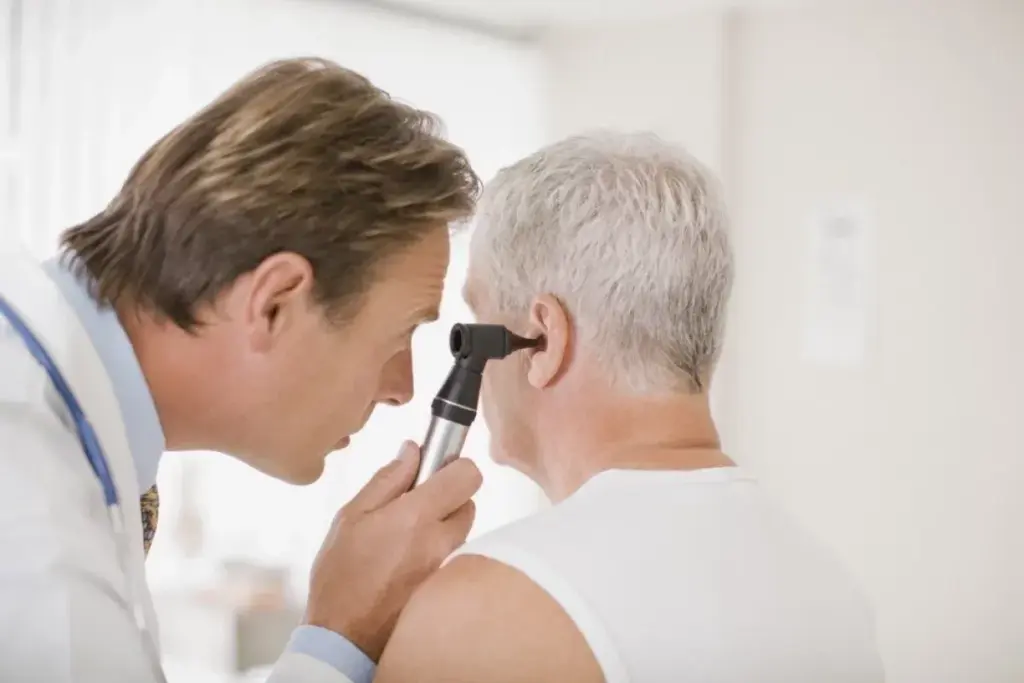
Ear tubes, also known as tympanostomy tubes or grommets, are key in treating middle ear problems. These small tubes are put into the eardrum. They help by letting air into the middle ear, easing issues with drainage.
What Are Ear Tubes?
Ear tubes are small devices made from either plastic or metal. They are put into the eardrum during surgery. Their main job is to ventilate the middle ear, letting air in and draining fluid. This helps prevent ear infections and their complications.
Why Ear Tubes Are Placed
Doctors often suggest ear tubes for kids with frequent ear infections or fluid in the middle ear. says ear tube surgery can greatly improve life for those with chronic ear problems.
Common Conditions Requiring Ear Tubes
Several conditions might need ear tubes, including:
|
Condition |
Description |
|---|---|
|
Recurrent Ear Infections |
Frequent infections that can cause hearing loss and discomfort. |
|
Persistent Fluid Buildup |
Fluid accumulation in the middle ear that can affect hearing. |
|
Eustachian Tube Dysfunction |
A condition where the tube that regulates middle ear pressure doesn’t function properly. |
Knowing about ear tubes helps people understand treatment options for middle ear issues. Ear tubes are a proven solution, improving ear health and lowering the risk of complications.
Ear Tube Surgery: Procedure Overview
Ear tube placement surgery is done by an otolaryngologist. It’s a quick procedure that greatly improves patients’ lives. It’s often needed for those with frequent ear infections or fluid buildup.
Preparation for Surgery
Before surgery, a thorough check-up by an ENT specialist is required. Pre-operative instructions are given. These include fasting and avoiding certain medications.
Preparing for surgery can be scary, even for kids. It’s important to follow all instructions and talk to your doctor about any worries.
What Happens During the Procedure
The surgery is short, lasting 5 to 15 minutes. The surgeon makes a small cut in the eardrum and puts in the ear tube. This lets air and fluid drain out. The surgery is done under anesthesia to keep the patient comfortable.
Anesthesia Options for Different Age Groups
Anesthesia choices depend on the patient’s age and the surgeon’s choice. Kids usually get general anesthesia to stay calm and comfortable. Adults might get local anesthesia, depending on their case.
We talk about anesthesia options with patients. This ensures they know what to expect during their surgery.
Immediate Post-Operative Recovery
After ear tube surgery, the first few days are key for healing. It’s a time of worry for patients and their families. Knowing what to expect can help ease these concerns.
First 24 Hours After Surgery
In the first day, most patients feel little pain. This can be managed with over-the-counter pain medications. Always follow your doctor’s advice on how much to take and when.
It’s important to keep the ear dry and avoid hard activities. Some might feel their ear is full or hear differently. These feelings usually go away by themselves. But if they don’t, or get worse, .
Managing Discomfort and Pain
Dealing with pain after surgery is easy. Use over-the-counter pain relievers as your doctor says. Sometimes, you might need stronger medicine for more pain.
Try a warm compress on the ear to ease discomfort. But make sure to do it the right way, as your doctor advises.
Normal vs. Concerning Symptoms
It’s important to know the difference between normal and serious symptoms. Normal signs include some ear drainage, feeling full, or slight hearing changes. But if you have severe pain, heavy bleeding, or a high fever, get medical help right away.
Watch for signs of infection like more redness, swelling, or discharge. If you see these, call your doctor for advice.
Understanding what to expect in the first days after surgery helps you heal better. It ensures your ear tube surgery is successful.
Recovery Timeline for Children
Knowing how kids recover after ear tube surgery is key for parents. It helps ensure a smooth healing process. We’ll show you what to expect and how to support your child.
Day of Surgery Recovery
After surgery, kids often feel sleepy from the anesthesia. Keep them quiet and comfortable. Give them lots of fluids to help them recover.
Most kids can go back to normal activities a few hours later. But some might sleep more than usual.
First Week After Ear Tube Placement
In the first week, kids might have ear drainage or discomfort. Use over-the-counter pain meds as your doctor says. Keep the ear dry and avoid water until it’s okay.
Return to School and Normal Activities
Most kids can go back to school or activities the next day. But always follow your doctor’s advice. Some kids might need more time.
Talk to teachers or caregivers about the surgery. They might need special help or precautions.
By knowing the recovery timeline and following care instructions, parents can help kids heal well. If you’re worried or have questions, always ask your healthcare provider.
Recovery Timeline for Adults
Adults who get ear tube surgery usually recover quickly, just like kids. This surgery is more common in kids, but adults can also benefit. They might have ear infections or hearing problems because of Eustachian tube issues.
Differences in Adult Recovery
Adults recovering from ear tube surgery face unique challenges. They often understand post-op instructions better, making recovery smoother. But, adults might have other health issues that could make recovery harder.
Some key differences in adult recovery include:
- Fewer post-operative behavioral changes, as adults can follow instructions more easily
- Potential for less post-operative pain due to better pain management strategies
- Possibility of quicker return to normal activities, depending on the nature of their work and daily routines
Returning to Work and Daily Activities
Most adults can get back to their usual activities in a few days after surgery. The exact time depends on their health, job, and how fast they heal from any discomfort.
Here are some general guidelines for returning to various activities:
- Desk work: Usually possible within 1-2 days post-surgery
- Manual labor or strenuous activities: May require 3-7 days off to ensure proper healing
- Swimming and water activities: Typically restricted for 1-2 weeks post-surgery, or as advised by the surgeon
Long-term Recovery Considerations
While the initial recovery from ear tube surgery is quick, there are long-term things to think about. These include the chance of ear tube falling out, needing follow-up visits, and possibly facing ear problems again if the cause isn’t fixed.
Adults should follow their surgeon’s advice on care after surgery. They should also go to all scheduled follow-up appointments. This helps ensure the best results from their ear tube surgery.
Managing Ear Drainage After Surgery
Ear drainage after ear tube surgery is common but can be managed with care. Ear tubes help drain fluid or air from the eardrum. Knowing how to handle this drainage is key for a quick recovery.
Normal Drainage Patterns
Drainage is normal after ear tube surgery. You might see clear, yellow, or bloody discharge. This is a sign the ear is adjusting to the tube.
Drainage is usually more in the first days and then gets less. Knowing what’s normal helps you spot any issues.
When Drainage Indicates a Problem
While some drainage is okay, other signs might mean trouble. Thick, persistent, or bloody discharge with fever, pain, or bad smell could mean an infection. “
Look out for heavy, constant, or bloody drainage. If you see these, get medical help to check for complications.
Proper Cleaning Techniques
Cleaning your ear after surgery is vital. Gently wipe the outer ear with a clean cloth. But, don’t put anything in your ear canal to avoid damage or pushing debris in.
Recommended cleaning steps:
- Gently wipe the outer ear with a clean, dry cloth.
- Avoid using cotton swabs or inserting any objects into the ear canal.
- If needed, use ear drops as your doctor suggests to clear out debris.
By following these tips and knowing what’s normal, you can manage ear drainage after surgery. This helps you recover faster.
Pain Management During Recovery
Managing pain well is key to a smooth recovery after ear tube surgery. We know that pain is a big concern for those going through this. Here, we’ll talk about ways to handle pain during recovery.
Over-the-Counter Pain Relief Options
For most, over-the-counter (OTC) pain meds work well after ear tube surgery. Acetaminophen and ibuprofen are top choices. They help with pain and can lower fever, making recovery easier.
It’s important to take the right amount of medication and talk to your doctor first. This is true for kids and adults. Also, tell your doctor about any other health issues or meds you’re on to avoid bad reactions.
When Prescription Pain Management Is Needed
Sometimes, OTC meds aren’t enough, and you might need prescription pain meds. This is more likely for adults or if the surgery was complex. Your doctor will check your situation and prescribe the right pain meds if needed.
It’s vital to take the meds as directed to avoid side effects or getting too used to them. We keep a close eye on your pain and adjust your treatment as needed.
Non-Medication Pain Relief Strategies
There are also ways to manage pain without meds. These include:
- Using a warm compress on the ear or around it to ease pain
- Keeping your head up while sleeping to reduce pain
- Following your doctor’s advice on ear drops to soothe your ear
- Resting and avoiding hard activities that might make pain worse
By using these methods and the right pain meds, you can manage your pain well. We’re here to support you every step of the way, making sure you heal comfortably.
Water Precautions After Ear Tube Surgery
After ear tube surgery, it’s important to know about water precautions. Water can cause infections or other problems. We’ll cover the steps to take and guidelines for water activities.
Swimming Guidelines
Swimming is usually okay after about a week. But, this time can change based on your surgeon’s advice and how you heal.
Always listen to your doctor’s specific advice. They know your situation best and can give you the right guidance.
Bathing and Showering Recommendations
Bathing and showering need care after surgery. Try to keep your ears dry. Use earplugs or a shower cap to block water.
Protective Devices for Water Activities
For swimming or other water fun, use protective gear. Swimmer’s earplugs can keep your ears dry. There are many types, including custom ones for a better fit.
Here’s a table showing what to do for different water activities:
|
Activity |
Recommendation |
Timing |
|---|---|---|
|
Swimming |
Wait for surgeon’s approval |
Typically 1 week |
|
Bathing/Showering |
Keep ears dry, use earplugs or shower cap |
Immediate |
|
Water Activities |
Use protective earplugs |
After healing |
By following these tips and using the right gear, you can stay safe from water problems after surgery.
Follow-Up Care and Appointments
Recovery after ear tube surgery is more than just the surgery. It includes detailed follow-up care. These appointments are key to watching the healing and making sure the tubes work right.
Typical Follow-Up Schedule
The timing of follow-up visits can change based on the case and the doctor’s advice. Usually, a visit is set a few weeks post-surgery to check the tube’s position and healing. More visits might be needed every 6 to 12 months until the tubes fall out naturally.
|
Visit Timing |
Purpose of Visit |
|---|---|
|
Initial Follow-Up |
Check tube placement and initial healing |
|
6 Months |
Monitor tube functionality and ear health |
|
12 Months or Until Extrusion |
Final check before tube extrusion or further planning |
What to Expect at Follow-Up Visits
At follow-up visits, the doctor will look at the ears. They’ll check the ear tubes’ position and how they’re working. They’ll also check the eardrum and middle ear’s health. These visits are vital for catching any early problems.
Key aspects checked during follow-up visits include:
- The proper placement and functioning of the ear tubes
- Signs of infection or other complications
- The condition of the eardrum and middle ear
- Any issues related to hearing or ear discomfort
Signs That Warrant Immediate Medical Attention
Some symptoms need quick medical help, even with scheduled visits. Look out for ongoing ear pain, discharge, or infection signs. Also, any odd hearing changes are a red flag.
Being watchful of your or your child’s recovery is key. Don’t delay seeking medical help if you notice concerning symptoms.
How Long Do Ear Tubes Stay in Place?
Knowing how long ear tubes stay in the ear is key to managing what to expect after surgery. Ear tubes, also known as tympanostomy tubes or grommets, help the middle ear breathe. They do this by reducing ear infections.
Average Duration of Different Tube Types
The ear tubes duration changes based on the type. Usually, they stay in for 6 to 18 months before falling out. There are short-term and long-term tubes, each lasting differently.
Short-term tubes, made of plastic or metal, fall out in 6 to 12 months. Long-term tubes, often silicone, can last 2 years or more.
Natural Extrusion Process
The natural extrusion process is how ear tubes move out of the eardrum over time. This is a normal part of healing. As the tube moves, it eventually falls out, usually without pain or needing a doctor.
Things like the tube type, healing speed, and complications can affect how fast it falls out. Usually, the body pushes the tube out as the eardrum heals.
When Removal Might Be Necessary
While most ear tubes fall out naturally, sometimes they need to be removed. If a tube stays in too long or causes problems, a doctor might need to take it out.
Signs it’s time to remove the tube include ongoing discharge, blockage, or if it gets stuck. A simple procedure can remove it, often done under local anesthesia.
Potential Complications During Recovery
Ear tube surgery is usually safe, but complications can happen during recovery. It’s important for patients and caregivers to know about these risks. This way, they can ensure a safe and smooth recovery.
Common Minor Complications
After ear tube surgery, some minor issues might occur. These include:
- Ear drainage or discharge
- Mild ear pain or discomfort
- Temporary hearing loss or muffled hearing
These symptoms are usually short-lived and can be managed with care and medication. For example, might help prevent some of these issues.
Rare but Serious Complications
Though rare, serious complications can happen. These include:
- Persistent ear infection or chronic otorrhea
- Perforation of the eardrum that doesn’t heal
- Cholesteatoma, a cyst in the middle ear
It’s vital to watch the child’s condition closely. Seek medical help if any concerning symptoms appear.
Reducing Complication Risks
To lower the risk of complications, follow these tips:
- Keep the ear dry, avoiding water during bathing or swimming
- Use earplugs or earmuffs for water activities
- Take prescribed medications as directed
Understanding complications and taking steps to prevent them can greatly reduce risks. Regular visits to an ear, nose, and throat (ENT) specialist are also key. They help monitor the condition and address any problems quickly.
Effectiveness of Ear Tubes in Reducing Infections
Ear tubes, or tympanostomy tubes, are very effective in lowering ear infection rates in kids and adults. They let air into the middle ear. This helps prevent fluid buildup, a common cause of infections.
Statistical Improvements in Infection Rates
Research shows a big drop in ear infections after getting ear tubes. A 2022 study found a 75% drop in ear infections in adults six months after tube placement. Kids also see a big decrease in ear infection frequency and severity.
These findings highlight how well ear tubes work against recurring ear infections. They help keep people healthier and cut down on antibiotic use.
Quality of Life Improvements
Ear tubes lead to better lives for both kids and adults. They mean less ear infection trouble. This results in better sleep, focus, and overall happiness.
For kids, it means fewer days off school and less worry about ear pain. Adults enjoy fewer missed workdays and less stress from infections. Ear tubes make daily life better and happier.
Long-term Health Benefits
Ear tubes offer more than just quick relief from infections. They help prevent serious problems like hearing loss and eardrum damage. They’re key in managing chronic ear issues, possibly avoiding bigger surgeries later.
By tackling ear infections early, people can enjoy better ear health for years. This reduces the chance of serious complications.
Special Considerations for Infants and Toddlers
Recovering from ear tube surgery is different for very young kids. Parents need to know how to help. Young children have special needs that parents must pay attention to after surgery.
Unique Recovery Challenges in Very Young Children
Young kids might show signs of discomfort or problems after surgery. They could pull at their ears, be cranky, or have trouble sleeping. It’s important for parents to watch for these signs and talk to their doctor if they see anything unusual.
Monitoring Techniques for Parents
Parents can use several ways to check on their child’s recovery. They should look for signs of infection, manage pain, and make sure the child rests enough. It’s also key to check the child’s temperature and watch for any unusual ear discharge.
Daycare and Childcare Considerations
If a child goes to daycare or childcare, tell the caregivers about the surgery. Give them clear instructions on how to care for the child and what to watch for. Some parents might need to find other care if the daycare can’t meet the child’s needs while they recover.
|
Monitoring Aspect |
Signs to Watch For |
Action to Take |
|---|---|---|
|
Infection |
Fever, discharge, increased irritability |
Contact healthcare provider |
|
Pain |
Fussiness, ear tugging |
Administer prescribed pain relief |
|
Rest and Recovery |
Changes in appetite or sleep patterns |
Ensure adequate rest, monitor feeding |
By knowing the special needs and taking the right steps, parents can help their young children recover well from ear tube surgery.
Ear Infection Statistics and Demographics
It’s important to know about ear infections to prevent and treat them. Ear infections, or otitis media, are a big health issue, mainly for kids.
Prevalence in Children
Ear infections are very common in kids. About 80% of children get at least one ear infection before they’re three. This makes ear infections a top reason for doctor visits in young kids.
The risk of ear infections is highest between six months and two years. Kids’ immune systems are not fully grown during this time. Also, their Eustachian tube, which helps with ear pressure, is not fully developed. This makes it easier for germs to cause infections.
Risk Factors for Recurrent Ear Infections
Some kids are more likely to get ear infections again. This is because of several risk factors. These include:
- Age: Kids under three are at higher risk.
- Family History: If your family has a history of ear infections, you’re more likely to get them.
- Cold or Allergies: Having colds or allergies often can lead to more ear infections.
- Daycare Attendance: Kids in daycare are exposed to more germs, raising the risk of infections.
- Smoking Exposure: Being around smoke can also increase the risk of ear infections.
Knowing these risk factors early can help manage and possibly lower the chance of ear infections.
When Ear Tubes Become Necessary
For kids with many ear infections, ear tubes might be needed. Ear tubes help drain fluid from the ears. They also reduce infection frequency and improve hearing.
Doctors usually suggest ear tubes when:
- Ear infections keep coming back and happening often.
- Fluid stays in the ear for a long time.
- Hearing loss is caused by fluid in the ear.
Ear tubes are a common and effective treatment. They help many kids feel better and live a better life despite frequent ear infections.
Treatment at Specialized Facilities Like Livhospital.com
At Livhospital.com, we’re all about top-notch care for ear tube procedures. We stick to the latest research and care standards. This means our patients get the best treatment possible.
Academic Protocols and Quality Care Pathways
Our ear tube surgery follows the latest research and guidelines. This makes sure our patients get safe and effective care. We have a detailed care plan that includes careful checks before surgery, precise surgery, and full care after.
Key aspects of our quality care include:
- Personalized treatment plans tailored to each patient’s needs
- State-of-the-art surgical facilities and equipment
- A team of experienced ENT specialists and support staff
- Continuous monitoring and improvement of patient outcomes
In-Office vs. Surgical Center Procedures
At Livhospital.com, we offer flexible ear tube surgery options. You can choose between in-office procedures or our surgical center. Our team will help you decide what’s best for you.
“The flexibility in choosing the surgical setting is a significant advantage for our patients, allowing us to tailor the experience to their specific needs.”Livhospital.com ENT Specialist
Continuous Improvement in Patient Experience
We’re always working to improve your experience at Livhospital.com. We listen to feedback, train our staff, and use new technologies. Our aim is to make your ear tube surgery as smooth and comfortable as possible.
Choosing Livhospital.com for your ear tube surgery means you’re in good hands. Our team is dedicated to excellence and making sure you’re happy with your care.
Conclusion: What to Expect on Your Ear Tube Journey
Ear tube surgery is a common procedure that can greatly improve ear health and quality of life. We’ve covered the main points of ear tube placement, from preparation to recovery. It also helps in reducing ear infections.
The recovery is usually quick, with most people going back to their usual activities soon after surgery. Knowing what to expect during recovery helps manage ear health and avoid complications.
At places like Livhospital.com, patients get full care and support throughout their ear tube journey. Our skilled medical team aims to provide top-notch healthcare and the best results for our patients.
Choosing ear tube surgery is a proactive step towards better ear health and less risk of ear infections. We’re here to support you from the first consultation to aftercare and beyond.
FAQ
What is the purpose of ear tubes?
Ear tubes, also known as tympanostomy tubes or grommets, are small tubes inserted into the eardrum. They provide ventilation to the middle ear. This helps to drain fluid and reduce the risk of ear infections.
How long does ear tube surgery take?
Ear tube surgery is a quick procedure. It takes around 15-30 minutes per ear. It’s often done on an outpatient basis.
What can I expect during the recovery period after ear tube surgery?
After surgery, you might feel some discomfort and ear drainage. You might also notice some hearing changes. Most people can get back to normal activities in a few days. But, it’s important to follow the post-operative instructions carefully.
How do I manage ear drainage after ear tube surgery?
Ear drainage is normal after surgery. It’s important to keep the outer ear clean and dry. Gently wiping the outer ear with a cotton ball or soft cloth can help manage drainage. Avoid inserting anything into the ear canal.
Can I swim or bathe after ear tube surgery?
It’s best to avoid submerging your ears in water for a while after surgery. When bathing or showering, keep your ears dry. For swimming, some doctors recommend using earplugs or earmuffs to protect your ears.
How long do ear tubes typically stay in place?
Ear tubes can last from 6 to 18 months before falling out naturally. Some tubes may need to be removed if they don’t extrude on their own.
What are the benefits of ear tubes in reducing ear infections?
Ear tubes can greatly reduce ear infections. They provide ventilation to the middle ear, helping to drain fluid. This reduces the risk of recurrent infections, improving your quality of life.
Are there any potentially complications associated with ear tube surgery?
While generally safe, ear tube surgery can have complications. These include infection, persistent ear drainage, tube blockage, or the tube falling out too quickly. Rare but serious complications can occur. It’s important to follow post-operative care instructions.
How often are follow-up appointments needed after ear tube surgery?
Follow-up appointments are needed to check the ear tubes and monitor healing. The frequency of these visits can vary based on individual needs.
Can ear tubes be used in adults?
Yes, ear tubes can be used in adults. They are used for recurrent ear infections, persistent fluid buildup, or other conditions that benefit from middle ear ventilation. They are more commonly associated with pediatric care, though.
REFERENCES
https://www.healthdirect.gov.au/heart-failure