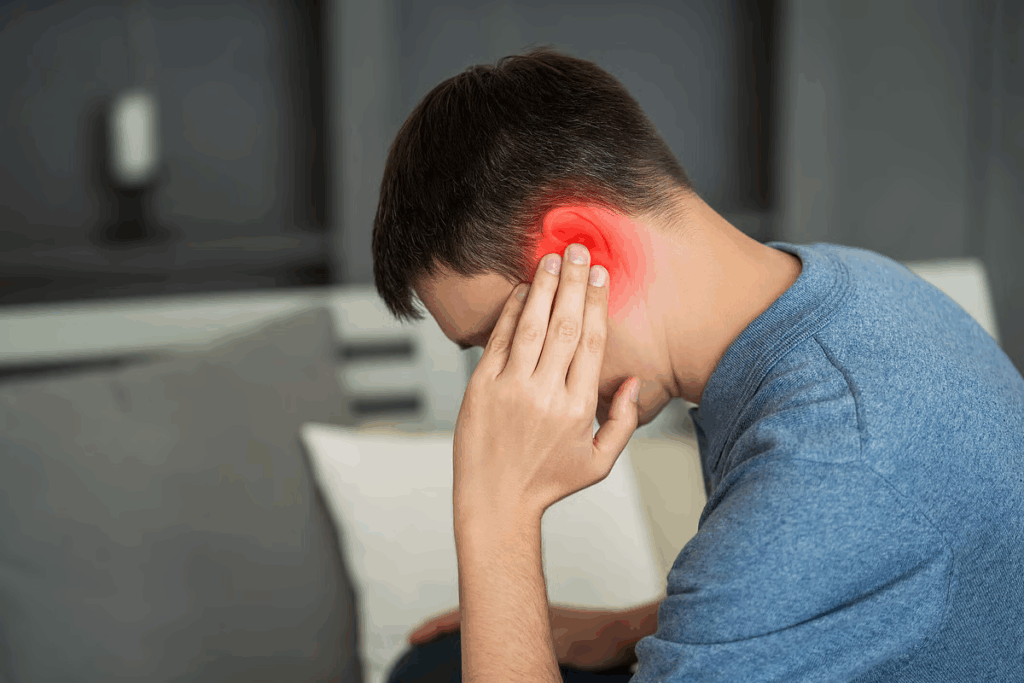
Ear pain after a tonsillectomy can be unexpected and scary. But, it’s a common post-surgical side effect many face during recovery.
Unlike serious complications, ear pain after tonsillectomy happens naturally. It’s because your throat and ears share nerve pathways. This makes it a temporary but manageable part of healing.
At Liv Hospital, we specialize in caring for tonsillectomy patients. We use proven methods and focus on the patient’s needs. This ensures a smooth and comfortable recovery for everyone.
How to ease severe earache post tonsillectomy using pain medication and jaw-stretching exercises.
Key Takeaways
- Ear pain after tonsillectomy is a common and temporary side effect.
- The shared nerve pathways between the throat and ears cause referred ear pain.
- Effective management strategies can ease ear pain during recovery.
- Liv Hospital provides expert care with evidence-based protocols.
- Understanding the connection between throat surgery and ear pain is key for a comfortable recovery.
Understanding Post-Tonsillectomy Ear Pain
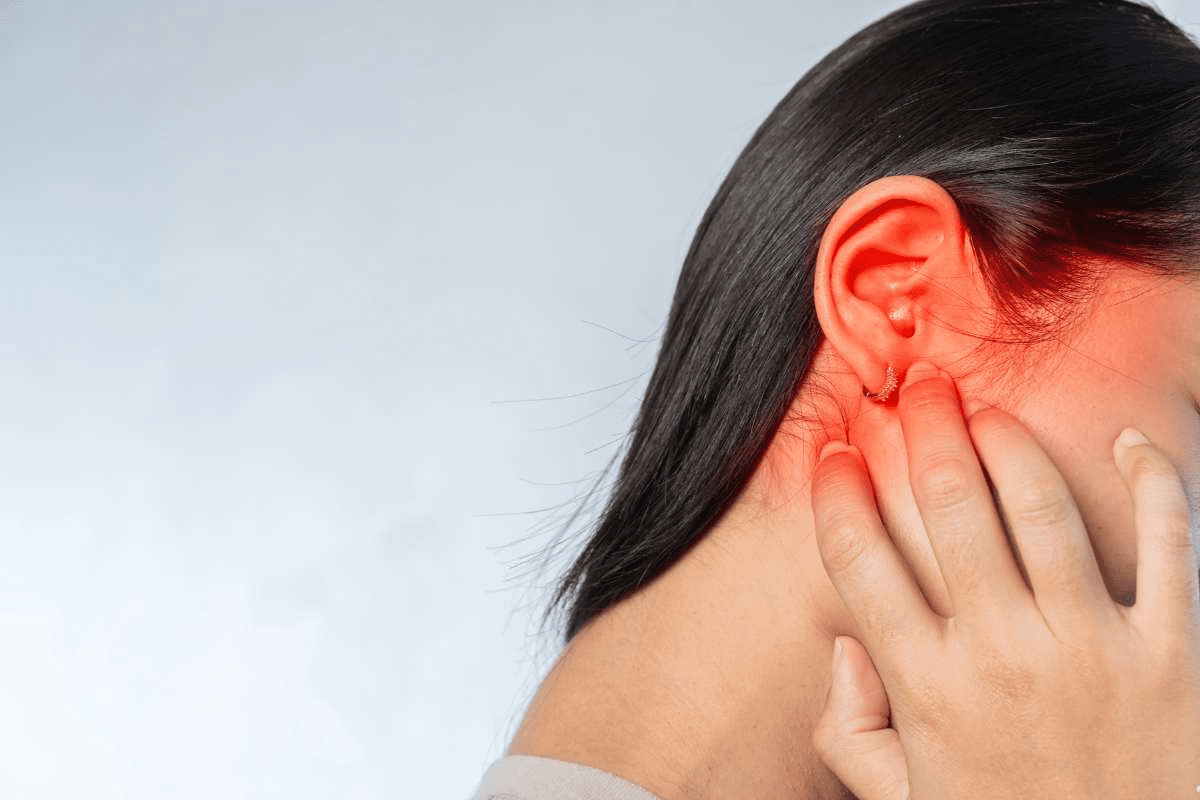
Ear pain after tonsil removal surgery is common. It can make recovery harder. Knowing why it happens and how to deal with it is key.
What is Post-Tonsillectomy Otalgia?
Ear pain after tonsillectomy is called otalgia. It happens because of how the throat and ear are connected. This can cause referred pain in the ear after throat surgery.
Prevalence Statistics and Risk Factors
Many patients get ear pain after tonsillectomy. About 0.4% of patients have ear problems. Factors like age, surgery method, and ear health before surgery can increase this risk.
Risk Factor | Description | Impact on Otalgia |
Age | Patients under 12 years | Higher incidence of otalgia |
Surgical Technique | Use of cautery or laser | Increased risk due to tissue damage |
Pre-existing Ear Conditions | History of ear infections or Eustachian tube dysfunction | Greater likelihood of experiencing otalgia |
Normal vs. Abnormal Ear Pain Symptoms
It’s important to know the difference between normal and abnormal ear pain. Normal pain is mild and goes away in a few days. But, severe pain, pain that gets worse, or pain with fever or trouble swallowing is not normal.
Understanding these differences helps manage patient expectations and care during recovery.
The Science Behind Earache Post Tonsillectomy

Earache after a tonsillectomy is common. It happens because of referred pain. This is when pain from one part of the body feels like it’s coming from another.
Mechanism of Referred Pain
Referred pain is complex. It happens when nerves from different parts of the body mix together. After a tonsillectomy, pain from the throat can feel like it’s in the ear.
Specific nerves carry pain from the throat to the ear. This is why throat pain can feel like ear pain.
Role of Glossopharyngeal and Vagus Nerves
The glossopharyngeal and vagus nerves are key in earache after a tonsillectomy. The glossopharyngeal nerve is important because it connects the throat and ear.
- The glossopharyngeal nerve sends pain signals from the throat.
- The vagus nerve also helps with pain in the throat and ear.
Knowing about these nerves helps us understand ear pain after a tonsillectomy. It shows how throat healing is connected to ear pain.
Connection Between Throat Healing and Ear Pain
Throat healing and ear pain are linked through nerves. When the throat heals, pain signals can cause ear discomfort.
Things that affect how bad and long ear pain lasts include:
- How much trauma there was during the surgery.
- How fast and well you heal.
- If there are any complications or infections.
Understanding these points helps doctors manage ear pain better after a tonsillectomy.
Timeline and Duration of Post-Tonsillectomy Ear Pain
Knowing when ear pain after a tonsillectomy starts and how long it lasts is key. It helps patients manage their recovery better. Ear pain is common after a tonsillectomy, but knowing the timeline can ease worries.
When Ear Pain Typically Begins
Ear pain usually starts a few days after surgery. Most patients feel ear pain 3 to 7 days after the surgery. This is because of the nerves in the throat and ear causing the pain.
Peak Pain Periods and Patterns
The pain’s intensity can differ from person to person. But, the pain usually peaks in the first week to ten days. During this time, the pain can be worse, mainly when swallowing or yawning.
How Long Does Ear Pain Last After Tonsillectomy?
The length of ear pain after a tonsillectomy varies. But, most people see their pain lessen or go away in 2 weeks. As the throat heals and inflammation goes down, the pain gets better.
Timeline | Ear Pain Characteristics |
0-3 days post-surgery | Minimal to no ear pain |
3-7 days post-surgery | Ear pain begins, gradually increasing |
7-10 days post-surgery | Peak pain period |
10-14 days post-surgery | Ear pain starts to decrease |
After 14 days post-surgery | Significant reduction or complete resolution of ear pain |
Understanding ear pain after a tonsillectomy helps patients prepare for their recovery. While everyone’s experience is different, knowing what to expect can make recovery easier and less stressful.
Prescription and OTC Medications for Relief
After a tonsillectomy, pain can be quite a challenge. Knowing about prescription and OTC pain relief is key. It’s important to mix professional advice with home care to manage ear pain well.
Pain Medications Commonly Prescribed
Doctors often give pain meds after a tonsillectomy. These include:
- Acetaminophen with Codeine: Good for moderate to severe pain.
- Hydrocodone: Prescribed for more severe pain.
- Oxycodone: For severe pain, but only under strict supervision.
These meds are given for a short time to avoid addiction and side effects.
Over-the-Counter Pain Relief Options
OTC pain relief is also important for ear pain after a tonsillectomy. Common ones are:
Medication | Dosage | Frequency |
Acetaminophen (Tylenol) | 325-650 mg | Every 4-6 hours |
Ibuprofen (Advil, Motrin) | 200-400 mg | Every 4-6 hours |
Always follow the dosage and talk to a doctor before mixing meds.
Topical Treatments and Throat Sprays
Topical treatments and throat sprays can help with ear pain from tonsillectomy. They include:
- Anesthetic Sprays: Like benzocaine, they numb the throat.
- Throat Lozenges: They soothe the throat and help with ear pain.
- Warm Salt Water Gargles: Not a drug, but gargling with warm salt water can ease throat pain.
Using these treatments with other pain relief methods can make recovery more comfortable.
Effective Home Remedies for Severe Earache After Tonsillectomy
Ear pain after a tonsillectomy can be really tough. But, there are home remedies that can help. These self-care strategies can ease ear pain and help you recover.
Temperature Therapy Applications
Temperature therapy is a simple way to ease ear pain. Warm compresses can relax muscles around the ear and throat. This reduces pain and discomfort.
To use a warm compress, soak a cloth in warm water, wring it out, and place it on your ear and cheek. Do this for a few minutes, as often as you need.
On the other hand, some people find relief with cold compresses. Cold can numb pain and reduce swelling. Make sure to wrap the ice pack in a cloth to avoid skin irritation or frostbite.
Hydration and Dietary Strategies
Drinking plenty of water is key for healing and easing ear pain. It keeps your throat moist and aids in recovery. Aim for 8-10 glasses of water a day, unless your doctor tells you differently.
Changing your diet can also help. Eat soft, bland foods that are easy to swallow. This reduces throat irritation and ear pain. Try to avoid spicy, acidic, or sharp foods during recovery.
Humidification and Environmental Adjustments
Keeping your environment comfortable can help with recovery and ear pain. A humidifier adds moisture to the air, soothing your throat and ears. Dry air can make discomfort worse, so humidifying your space is helpful.
Also, try to avoid irritants like smoke, dust, and strong smells. These can irritate your throat and ears. Make sure your recovery area is quiet and comfortable to help with relaxation and healing.
By using these home remedies, you can manage ear pain after a tonsillectomy. They support your healing process too.
Positioning and Physical Techniques to Reduce Ear Pain
Changing how you sit and use certain physical methods can help lessen ear pain after a tonsillectomy. Try different approaches to see what works best for you.
Optimal Sleeping Positions After Tonsillectomy
Choosing the right sleeping position is key to feeling less pain. Try sleeping on your back with a pillow under your knees. This helps ease neck and throat strain.
A medical expert says, “The way you sleep after a tonsillectomy can greatly impact your recovery and level of discomfort.”
“Proper resting positions can alleviate some of the pressure on the throat and surrounding areas, including the ears.”
Head Elevation Techniques
Head elevation is another good way to lessen ear pain. Use extra pillows or a wedge pillow to lift your head. This helps reduce swelling and aids in healing.
Technique | Description | Benefit |
Extra Pillows | Using additional pillows to elevate the head | Reduces swelling |
Wedge Pillow | A specially designed pillow for head elevation | Promotes healing and reduces discomfort |
Gentle Jaw and Neck Exercises
Doing gentle jaw and neck exercises can help ease tension and pain in your ears. Simple actions like tilting your head or opening and closing your mouth can help.
Remember to be gentle and avoid any movements that hurt. As you get better, you can slowly do more.
By using these positioning techniques and gentle exercises, you can manage ear pain after a tonsillectomy.
Special Considerations for Different Age Groups
Different age groups have unique needs for managing ear pain after tonsillectomy. The approach to easing this discomfort must be tailored to the individual’s age. This ensures effective relief and minimizes complications.
Managing Ear Pain in Children After Tonsillectomy
Children need special care for ear pain after tonsillectomy. Dosage and administration of pain medication must be carefully managed based on the child’s weight and age. It’s also important to keep an eye on their hydration, as they can dehydrate quickly.
Soft, cold foods like ice cream or popsicles can help soothe the throat without causing discomfort. Parents should watch for signs of severe pain or complications, such as difficulty swallowing or breathing. Reassurance and emotional support are vital, as children may become distressed due to their discomfort.
Adult-Specific Concerns and Solutions
Adults experiencing ear pain after tonsillectomy may have different concerns, such as the impact on their daily activities and work. Pain management strategies for adults may include a combination of prescribed medications and over-the-counter pain relievers. Adults should be encouraged to maintain a soft diet and stay hydrated.
Adults can also benefit from relaxation techniques such as deep breathing or meditation to help manage stress and discomfort. It’s essential for adults to follow post-operative instructions carefully to avoid complications.
Elderly Patients and Post-Tonsillectomy Ear Pain
Elderly patients may face unique challenges when recovering from tonsillectomy, including managing ear pain. Careful monitoring of medication is necessary to avoid interactions with other medications they may be taking. Elderly patients should be closely monitored for signs of dehydration and possible complications.
It’s also important to consider any pre-existing conditions that may affect their recovery, such as heart disease or diabetes. Support from caregivers can be invaluable in helping elderly patients manage their recovery and alleviate ear pain.
When to Contact Your Doctor About Ears Hurting After Tonsils Removed
It’s important to know when ear pain after a tonsillectomy means you need to see a doctor right away. Some pain is normal, but other signs can mean serious problems.
Warning Signs of Complications
Keep an eye on your symptoms after a tonsillectomy. Warning signs of complications include:
- Increasing pain or swelling
- Difficulty swallowing or breathing
- Fever above 101.5°F (38.6°C)
- Bleeding or discharge from the surgical site
- Severe ear pain that radiates to other areas
If you notice any of these, call your doctor fast.
Severe Pain That Doesn’t Respond to Treatment
Ear pain after a tonsillectomy can sometimes be severe and persistent. If your pain doesn’t get better with medicine, or if you have side effects, tell your doctor.
Emergency Situations Requiring Immediate Care
Some situations are emergencies. These emergency situations include:
- Heavy bleeding from the mouth or throat
- Difficulty breathing or shortness of breath
- Severe chest pain or coughing up blood
- Fever that doesn’t respond to medication
In emergencies, don’t wait. Go to the emergency room or call emergency services.
Knowing the warning signs and when to get help can greatly improve your recovery after a tonsillectomy.
Conclusion
Managing ear pain after a tonsillectomy requires a mix of medical treatments and home remedies. We’ve covered the causes, how long it lasts, and ways to ease the pain. This gives you a full guide to handle this common issue after surgery.
Knowing about referred pain and the nerves involved helps in recovery. We suggest using medicines, home treatments like temperature therapy and staying hydrated. Also, try sleeping right and doing gentle jaw exercises.
It’s key to manage ear pain well for a smooth recovery. Be on the lookout for signs of complications and reach out to your doctor if needed. Being proactive and informed can reduce discomfort and help you heal faster.
In summary, dealing with ear pain after a tonsillectomy is doable with the right steps. We urge patients to team up with their healthcare team. Together, you can create a plan to manage pain and get through the recovery smoothly.
FAQ
What is post-tonsillectomy otalgia?
Post-tonsillectomy otalgia is ear pain after having your tonsils removed. It’s a common issue. The pain often comes from the throat and goes to the ear.
How long does ear pain last after tonsillectomy?
Ear pain after a tonsillectomy can last a while. It usually starts a few days after surgery. It gets worse around 3-5 days and can last up to two weeks.
What are the causes of ear pain after tonsillectomy?
The main cause of ear pain after a tonsillectomy is referred pain. This pain comes from the throat and travels to the ear through nerves.
How can I manage ear pain after tonsillectomy?
To manage ear pain, try prescription and over-the-counter pain meds. Home remedies like temperature therapy and staying hydrated help too. Also, try sleeping right and doing gentle exercises.
What are some effective home remedies for severe earache after tonsillectomy?
For a severe earache, try temperature therapy and stay hydrated. Using a humidifier and making your environment comfortable also helps.
When should I contact my doctor about ear pain after tonsillectomy?
Call your doctor if the pain is too much and doesn’t get better. Also, if you see warning signs of complications or have an emergency like trouble breathing or a lot of bleeding.
Are there any specific considerations for managing ear pain in different age groups?
Yes, managing ear pain after a tonsillectomy depends on your age. There are special tips for kids, adults, and the elderly.
Can I use over-the-counter pain relief options for ear pain after tonsillectomy?
Yes, you can use over-the-counter pain meds for ear pain. But, always follow the dosage and talk to your doctor if you need to.
How can I reduce ear pain while sleeping after tonsillectomy?
To reduce ear pain while sleeping, try sleeping with your head up and on your side. This can help.
Are there any gentle exercises that can help alleviate ear pain after tonsillectomy?
Yes, doing gentle jaw and neck exercises can help. They promote healing and reduce tension in the area.
References
- MedlinePlus. (n.d.). Tonsillectomy – adult. Retrieved from https://medlineplus.gov/ency/article/002930.htm