

It’s important to spot the early signs of lung disease symptoms to get help fast. We often miss the subtle warning signs of serious health issues.
At Liv Hospital, we stress the need for early detection and prevention. Studies show that breathing issues and other symptoms are key signs of lung health.
Common symptoms include a chronic cough, shortness of breath, and chest pain. By catching these signs early, patients can greatly improve their lung health and overall health.
Key Takeaways
- Spotting early signs of lung cancer and other lung diseases is key for quick medical help.
- Common symptoms include a chronic cough, shortness of breath, and chest pain.
- Liv Hospital is dedicated to top-notch healthcare with full support for international patients.
- Early detection and prevention can greatly improve patient results.
- Understanding and tackling breathing issues can lead to better lung health.
Understanding Respiratory Health and Lung Function
Keeping our respiratory health in top shape is key to feeling good. It all begins with knowing how our lungs work. These vital organs help us breathe by bringing oxygen into our body and taking out carbon dioxide.
Normal Lung Anatomy and Respiratory Mechanics
The lungs sit inside the chest, safe under the rib cage. They’re split into parts, with the right lung having three and the left two. The trachea, or windpipe, splits into bronchi, one for each lung. These then branch into smaller bronchioles, ending at alveoli, where gas exchange happens.
The diaphragm, a muscle, helps us breathe by expanding and deflating the lungs. Breathing is both automatic and something we can control. It involves many muscles and nerves working together. Air moves from the nose or mouth, through the throat, and into the lungs.
It then goes down the trachea and bronchi to the alveoli. Here, oxygen gets into the blood, and carbon dioxide is removed.
How Healthy Lungs Process Oxygen and Remove Carbon Dioxide
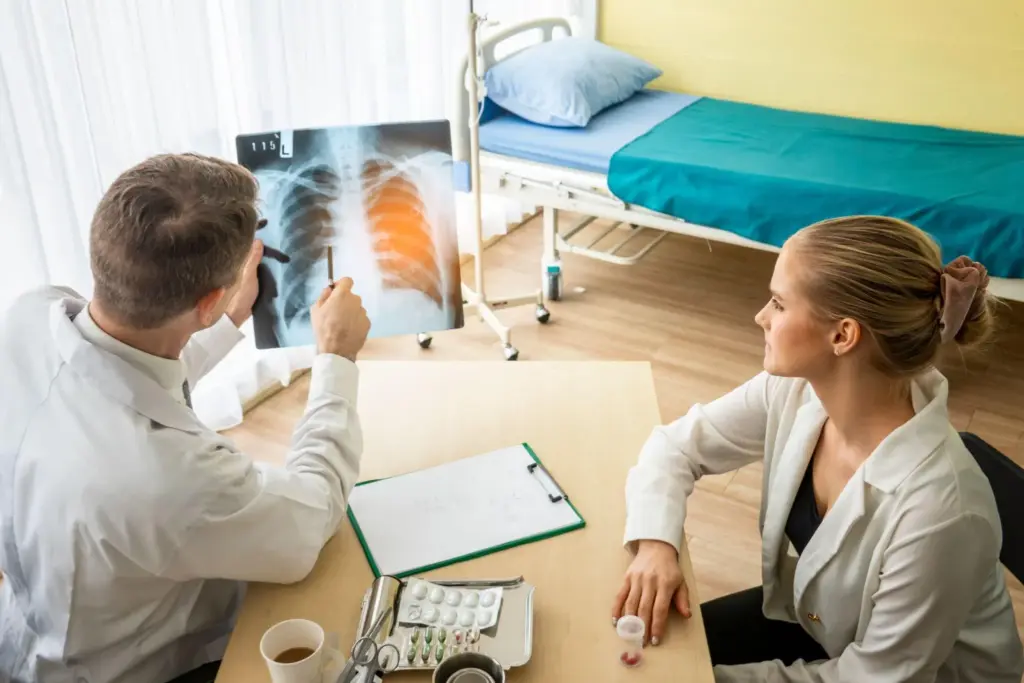
In the alveoli, oxygen from the air binds to hemoglobin in red blood cells. At the same time, carbon dioxide, a byproduct of our body’s work, is carried back to the lungs. It’s then exhaled out.
- Efficient Gas Exchange: Healthy lungs make sure oxygen gets into the blood and carbon dioxide is removed.
- Airway Patency: Clear airways are key for smooth airflow, allowing for effective gas exchange.
- Immune Defense: The lungs protect us from infections and damage with their immune system.
Knowing how our lungs function shows why keeping them healthy is so important. By understanding how they work, we can spot problems early and take care of our breathing.
The Prevalence of Respiratory Symptoms in America
A lot of adults in the U.S. have respiratory symptoms. These symptoms can show that lung function is getting worse. It’s a big health issue, affecting many people. We’ll look at how common these symptoms are and their link to lung function decline.
Statistics on Respiratory Complaints in the General Population
About 21% of adults have respiratory symptoms. These symptoms are common, showing we need to be aware and take steps to prevent them. The number of people with symptoms can change based on age, environment, and health conditions.
How Common Symptoms Correlate with Declining Lung Function
Respiratory symptoms often mean lung function is getting worse. Signs like chronic cough, wheezing, and shortness of breath can point to serious lung problems. It’s key to understand how these symptoms relate to lung function decline to act early.
We should watch our respiratory health closely. If symptoms show up, it’s important to see a doctor right away. This can help avoid bigger health issues.
Knowing about respiratory symptoms and their effect on lung health helps us stay healthy. We can reduce risks, take preventive steps, and get medical help when needed.
Chronic Cough: A Primary Warning Sign
A chronic cough is more than just a minor annoyance. It affects a big part of lung cancer patients. This cough lasts for eight weeks or more in adults. It can make life uncomfortable, disrupt sleep, and cause anxiety.
A chronic cough is not just a simple respiratory issue. It’s a sign of a possible health problem. Knowing the causes and implications of a persistent cough is key to proper care.
Why 34% of Lung Cancer Patients Report Persistent Cough
Studies show that about 34% of lung cancer patients have a chronic cough. This symptom can be caused by tumors in the airways. Tumors can block or irritate the airways, leading to coughing.
The link between chronic cough and lung cancer is complex. While coughing can be a lung cancer symptom, it’s also common in other conditions. Understanding the cough’s context and characteristics is vital.
|
Characteristics of Cough |
Possible Indications |
|---|---|
|
Persistent, dry cough |
Irritation of the airways, potentially due to tumor or inflammation |
|
Cough with mucus production |
Infection, chronic bronchitis, or other respiratory conditions |
|
Cough accompanied by other symptoms like weight loss or fatigue |
Potential sign of lung cancer or other serious conditions |
Distinguishing Between Benign Coughs and Those Requiring Medical Attention

Not all chronic coughs are serious. Many are caused by benign issues like postnasal drip or acid reflux. But, it’s important to tell the difference between benign and serious coughs.
See a doctor if the cough is severe, like coughing up blood, or if it doesn’t get better with treatment. A doctor can do tests to find out why you’re coughing.
“A chronic cough is a symptom that should not be ignored. It is a signal that something is amiss, and it warrants a thorough investigation to determine its cause.”
In conclusion, a chronic cough is a serious symptom that can mean different things. Understanding the cough and getting medical help are key steps in managing it and finding the cause.
Shortness of Breath (Dyspnea) as an Early Indicator
Lung cancer often shows up with small symptoms, like shortness of breath in about 27% of cases. Shortness of breath, or dyspnea, means it’s hard to breathe or feel like you’re not getting enough air. This symptom is scary and often points to serious lung problems.
Prevalence of Breathing Difficulties in Lung Cancer
Breathing problems are a big worry for lung cancer patients. Dyspnea affects a lot of patients, due to many reasons. These include where the tumor is, how big it is, and the health of the lungs.
Activities That Shouldn’t Normally Cause Breathlessness
Activities that are usually easy can be hard for people with dyspnea. Walking short distances, climbing a few stairs, or simple tasks like dressing can make you feel out of breath. If you get winded during these tasks, it might mean you need to see a doctor.
|
Activity |
Normal Response |
Response with Dyspnea |
|---|---|---|
|
Walking 100 meters |
Minimal to no shortness of breath |
Noticeable shortness of breath |
|
Climbing one flight of stairs |
Mild increase in breathing rate |
Significant increase in breathing rate, possible discomfort |
|
Dressing or simple household chores |
No significant change in breathing |
Feeling winded or short of breath |
Seeing shortness of breath as an early sign is key to catching lung problems, like lung cancer. If you’re having trouble breathing, even when you shouldn’t be, see a doctor right away.
Chest Pain and Discomfort Patterns
Chest discomfort is a common complaint that can signal early lung impairment if persistent. We will examine the different patterns of chest pain and discomfort. We will distinguish between lung-related pain and other types of chest pain.
Characteristics of Lung-Related Pain vs. Other Chest Pains
Lung-related chest pain often presents differently than pain caused by other conditions. For instance, pleuritic chest pain, associated with the pleura (the lining surrounding the lungs), tends to worsen with deep breathing or coughing. In contrast, cardiac-related chest pain may feel like pressure or tightness and is not necessarily affected by respiratory movements.
To differentiate between these types of pain, consider the following characteristics:
|
Pain Characteristic |
Lung-Related Pain |
Other Types of Chest Pain |
|---|---|---|
|
Nature of Pain |
Sharp, stabbing, or pleuritic |
Dull, aching, or pressure-like |
|
Triggers or Relievers |
Worsens with deep breathing or coughing |
May be triggered by exertion or stress |
|
Location |
Often localized to one side |
Can be central or radiate to arms, back, etc. |
How Chronic Chest Pain Signals Early Lung Impairment
Chronic chest pain can be an early indicator of lung impairment. According to research available on PubMed Central, persistent symptoms like chest pain should not be ignored. They can precede more severe lung conditions.
Early signs of lung impairment may include:
- Recurring or persistent chest pain
- Difficulty breathing or shortness of breath
- Coughing or wheezing
It’s important to seek medical attention if you experience any of these symptoms. Early diagnosis can significantly impact the management and treatment of lung conditions.
Wheezing and Abnormal Respiratory Sounds
Wheezing is a high-pitched sound from air moving through tight airways. It’s a key sign of lung health issues. We need to look into what causes it and why it matters.
Mechanism Behind Wheezing
Wheezing happens when airways get blocked. This blockage can be due to swelling, mucus, or changes in the airway walls. In the early stages of lung diseases, wheezing is a warning sign that you should see a doctor.
Let’s dive into the reasons behind wheezing:
- Airway inflammation: Swelling in the airways can narrow them, causing wheezing.
- Mucus accumulation: Too much mucus can block airflow, making wheezing sounds.
- Structural changes: Diseases like asthma or COPD can change the airway structure, leading to wheezing.
Different Types of Respiratory Sounds
There are many types of respiratory sounds, each pointing to different lung issues. Knowing these sounds helps doctors diagnose diseases.
|
Respiratory Sound |
Description |
Possible Indication |
|---|---|---|
|
Wheezing |
High-pitched sound during breathing |
Asthma, COPD, or other obstructive airway diseases |
|
Crackles |
Fine or coarse sounds heard during auscultation |
Pneumonia, pulmonary fibrosis, or heart failure |
|
Rhonchi |
Low-pitched sounds, often clearing with cough |
Bronchitis or other chronic respiratory infections |
Understanding different respiratory sounds helps doctors make better diagnoses. This leads to more effective treatments.
Changes in Mucus and Phlegm Production
It’s important to know when mucus and phlegm production changes. These substances help keep our lungs clean by trapping dust and germs. They are made by the mucous membranes in our respiratory tract.
Normal vs. Pathological Sputum Characteristics
Normal sputum is usually clear or white and thin. But, if it turns yellow, green, or bloody, it might mean there’s an infection or inflammation. Pathological sputum characteristics include changes in color, thickness, or volume.
“The color and consistency of sputum can provide valuable clues about the presence of respiratory disease,” says a pulmonology expert. “For instance, yellow or green sputum often indicates the presence of an infection, as it contains pus.”
What Color, Consistency, and Volume Changes Indicate
Changes in mucus and phlegm color, consistency, and volume are important signs of lung health. For example:
- Yellow or green sputum may indicate a bacterial infection.
- Bloody sputum can be a sign of serious conditions such as lung cancer or tuberculosis.
- Thick, sticky sputum may suggest dehydration or chronic respiratory conditions.
- An increase in sputum volume can indicate chronic bronchitis or other respiratory infections.
Watching for these changes and seeing a doctor if you notice anything different is key. Being aware of any changes in mucus and phlegm production is important. If you have concerns, don’t hesitate to seek medical advice.
Early Signs of Lung Cancer That Shouldn’t Be Ignored
Knowing the early signs of lung cancer is key to better treatment. Lung cancer often doesn’t show symptoms until it’s advanced. But, there are early signs that can hint at its presence.
Subtle Symptoms Often Mistaken for Other Conditions
Early lung cancer signs can be hard to spot and are often mistaken for other issues. For example, a long-lasting cough or slight breathing changes might seem like a cold or flu. But, if these symptoms don’t go away or get worse, they could be a sign of something serious.
Some of these subtle symptoms include:
- Persistent Cough: A cough that doesn’t go away or gets worse over time.
- Chest Pain: Pain or discomfort in the chest, shoulder, or back that worsens with deep breathing, coughing, or laughing.
- Breathlessness: Feeling winded or short of breath even when doing simple tasks.
- Changes in Voice: Hoarseness or changes in the voice.
Gender Differences in Early Lung Cancer Presentation
Studies show gender differences in lung cancer symptoms. For instance, women are more likely to get non-small cell lung cancer. They often have different symptoms than men.
It’s important to know these differences to catch lung cancer early. Women might experience symptoms like:
- Fatigue: Feeling unusually tired or weak.
- Loss of Appetite: A decrease in appetite or unintended weight loss.
Being aware of lung cancer signs and symptoms can lead to early diagnosis. This can improve treatment outcomes. It’s vital for people, and those at high risk, to watch their health closely. If they notice any unusual or persistent symptoms, they should see a doctor right away.
Recognizing Early COPD and Emphysema Symptoms
Spotting the first signs of COPD and emphysema is key to starting the right treatment. This can greatly improve a person’s life. We’ll look at how knowing these early signs can help patients do better.
The Progressive Nature of Symptoms
COPD and emphysema get worse over time if not treated. Early symptoms include trouble breathing when active, a long-lasting cough, and more mucus. As the disease gets worse, these problems get even harder to handle.
It’s important to know how COPD and emphysema progress. The World Health Organization says acting early can really help slow the disease. This can lead to better results for patients.
How Early Intervention Can Slow Disease Progression
Early action in COPD and emphysema means making lifestyle changes, taking medicine, and doing pulmonary rehab. Starting early can slow the disease, lower the chance of serious problems, and make life better for patients.
- Changing your lifestyle, like quitting smoking and staying away from harmful air, can really help.
- Medicines like bronchodilators and corticosteroids help control symptoms and slow the disease.
- Pulmonary rehab programs can boost lung health and overall well-being.
By using these methods, people with COPD and emphysema can see big improvements in their health and life quality. We stress the need for early detection and action to manage these serious lung diseases well.
Signs of Respiratory Infections and Inflammation
Knowing the signs of respiratory infections is key to catching lung problems early. These infections can show up in many ways, from mild to severe. It’s important to recognize these signs to get medical help when needed.
Acute vs. Chronic Lung Infections
Lung infections can be either acute or chronic. Acute lung infections come on fast and are usually caused by germs or viruses. They show symptoms like coughing, fever, and trouble breathing right away. In contrast, chronic lung infections last longer and can be due to ongoing germs or fungi.
Telling the difference between acute and chronic infections is important for the right treatment. Acute infections might need quick medical care. Chronic infections often need ongoing management.
When Recurring Infections Suggest Underlying Lung Disease
Having the same lung infections over and over can mean there’s a bigger issue. If we keep getting lung infections, it could mean we have a lung problem that needs fixing. Chronic obstructive pulmonary disease (COPD), asthma, and other lung issues can make infections come back more often.
Here are some signs that might mean we have a lung disease:
- Persistent coughing
- Recurring pneumonia
- Chronic sinusitis
- Bronchiectasis
|
Signs |
Possible Indications |
|---|---|
|
Persistent Cough |
Chronic bronchitis, COPD |
|
Recurring Pneumonia |
Immunodeficiency, structural lung abnormalities |
|
Chronic Sinusitis |
Allergic conditions, immune disorders |
Spotting these signs and knowing what they mean can help us get medical help fast. If we keep getting lung infections, seeing a doctor is a must to find out why.
Systemic Symptoms Associated with Lung Problems
Systemic symptoms linked to lung issues can be subtle but very telling. They often show up beyond just breathing problems, affecting your overall health.
Unexplained Weight Loss, Fatigue, and Their Connection to Lung Disease
Unexplained weight loss and fatigue are signs that can point to lung disease. The body uses energy to fight off the disease, like infections or cancer. Unexplained weight loss is a red flag, showing the disease might be serious.
Fatigue, or feeling tired all the time, can really lower your quality of life. It comes from the body’s fight against disease, inflammation, or not getting enough oxygen because of lung problems.
Fever Patterns and Night Sweats in Respiratory Conditions
Fever patterns and night sweats can be signs of lung issues, like infections or cancers. Recurring fevers or long-lasting fevers suggest chronic lung infections or inflammation.
Night sweats, often with fever, can mean lung disease, like tuberculosis or lymphoma. These signs are the body’s way of saying it’s fighting something serious and needs help.
Spotting these symptoms early is key to treating lung problems. If you’re losing weight without trying, feeling tired all the time, getting fevers, or sweating a lot at night, see a doctor. They can find out what’s going on.
Diagnostic Approaches for Suspected Lung Problems
Diagnosing lung conditions involves several steps. At Liv Hospital, we use advanced techniques to ensure accurate diagnosis. This helps us provide the best care for each patient’s lung issues.
Initial Assessment and Physical Examination Findings
The first step is a detailed initial assessment and physical exam. We look at the patient’s medical history and symptoms. We also check their overall health to spot lung disease signs.
During the physical exam, we listen for abnormal sounds with auscultation. This helps us find lung problems.
Key components of the initial assessment include:
- Detailed medical history to identify risk factors and symptoms
- Physical examination techniques, such as auscultation and percussion
- Evaluation of overall health and presence of systemic symptoms
Imaging and Pulmonary Function Testing
Imaging and pulmonary function testing are key in diagnosing lung conditions. We use chest X-rays, CT scans, and PET scans to see the lungs. This helps us find any abnormalities.
|
Imaging Modality |
Use in Lung Diagnosis |
|---|---|
|
Chest X-ray |
Initial assessment of lung abnormalities, such as infiltrates or masses |
|
CT Scan |
Detailed imaging of lung structure, useful for detecting nodules and assessing disease extent |
|
PET Scan |
Evaluation of metabolic activity in lung tissues, helpful in assessing malignancy |
Pulmonary function testing, like spirometry, helps us check lung function. It’s useful for diagnosing COPD and asthma.
Advanced Diagnostic Techniques for Definitive Diagnosis
We use advanced techniques for a clear diagnosis. This includes bronchoscopy and biopsy. Bronchoscopy lets us see the airways, and biopsy takes tissue samples for analysis.
Advanced diagnostic techniques offer several benefits:
- Direct visualization of airway abnormalities
- Collection of tissue samples for histopathological analysis
- Guidance for targeted therapies and treatment plans
By combining these methods, we can accurately diagnose lung problems. This helps us create effective treatment plans for each patient.
Risk Factors That Increase Susceptibility to Lung Disease
Lung disease risk is shaped by both things we can change and things we can’t. Knowing these factors helps us prevent and catch lung disease early.
Modifiable Risk Factors
There are many things we can change to lower our risk of lung disease. These include:
- Smoking: Smoking is a big risk for lung diseases like COPD and lung cancer.
- Environmental Exposures: Pollutants like particulate matter, radon, and asbestos can harm our lungs.
- Occupational Hazards: Jobs that expose us to harmful substances, like silica dust, can cause lung disease.
Changing these risk factors can greatly lower our chance of getting lung disease. For example, quitting smoking can cut down the risk of lung cancer and COPD a lot.
Non-Modifiable Risk Factors
There are also things we can’t change that affect our risk of lung disease. These include:
- Genetics: Our genes can influence the risk of some lung conditions.
- Age: As we get older, the risk of lung diseases goes up, making older people more at risk.
- Pre-existing Conditions: Having other health issues can make us more likely to get lung disease.
Even though we can’t change these risk factors, knowing them helps us watch for lung disease signs early. This way, we can act fast if needed.
Understanding both the things we can and can’t change helps us fight lung disease better. It’s a complete approach to lowering lung disease rates and effects.
When to Seek Medical Attention for Respiratory Symptoms
It’s important to know when to get medical help for breathing problems. Symptoms can be mild or severe. Knowing when to act is key to managing them well.
Red Flag Symptoms Requiring Immediate Care
Some symptoms need quick medical help. These red flag symptoms include:
- Severe difficulty breathing or shortness of breath at rest
- Chest pain or tightness that worsens with deep breathing or coughing
- Coughing up blood or rust-colored mucus
- Severe wheezing or stridor (a high-pitched sound while breathing)
- Confusion or altered mental state
If you or someone you know has these symptoms, get medical help right away.
|
Symptom |
Description |
Action |
|---|---|---|
|
Severe difficulty breathing |
Feeling winded even when sitting or doing light activities |
Seek immediate medical attention |
|
Coughing up blood |
Presence of blood or rust-colored mucus in coughed-up material |
Seek immediate medical attention |
|
Chest pain |
Pain or discomfort that worsens with deep breathing or coughing |
Seek medical evaluation |
Guidelines for Monitoring Less Urgent Symptoms
Some symptoms need quick action, but others can be watched. It’s important to track any changes in symptoms. If they get worse or new ones appear, see a doctor.
“Monitoring your symptoms and understanding when to seek medical help can significantly impact your health outcomes. It’s always better to err on the side of caution when it comes to respiratory health.”
— A Pulmonologist
For less urgent symptoms, follow these guidelines:
- Keep a symptom diary to track the frequency, severity, and duration of respiratory symptoms.
- Note any triggers that worsen or improve symptoms.
- Follow up with your healthcare provider if symptoms persist or worsen over time.
Being proactive and informed helps manage respiratory health. It ensures getting medical help when needed.
Prevention Strategies and Proactive Lung Health Maintenance
Using evidence-based prevention strategies is vital for keeping lungs healthy. At Liv Hospital, we stress the need for early detection and prevention. This helps in maintaining lung health.
Evidence-Based Approaches to Preserving Lung Function
There are several ways to keep lung function strong. These include staying away from pollutants, living a healthy lifestyle, and managing chronic conditions well.
- Avoiding Pollutants: Cutting down on exposure to tobacco smoke, industrial pollutants, and indoor air pollution can greatly lower lung disease risks.
- Healthy Lifestyle: Regular exercise and a diet full of antioxidants can boost lung health.
- Managing Chronic Conditions: It’s key to manage conditions like asthma and COPD with the right meds and lifestyle changes.
Screening Recommendations for High-Risk Individuals
Screening for lung diseases is very important for those at high risk. This includes people who have smoked or been exposed to harmful substances. Early detection through screening can lead to timely intervention and better outcomes.
|
Risk Factor |
Screening Recommendation |
|---|---|
|
History of Smoking |
Annual low-dose CT scan for individuals aged 50-74 with a 20-pack-year smoking history |
|
Exposure to Harmful Substances |
Regular check-ups and lung function tests for those exposed to asbestos, radon, etc. |
|
Family History of Lung Disease |
Consult a healthcare provider for personalized screening recommendations |
By using these prevention strategies and following screening guidelines, people can greatly lower their risk of lung problems. This helps in maintaining better overall health.
Conclusion
Early detection and prevention are key to keeping lungs healthy. Spotting signs like chronic cough, shortness of breath, and changes in mucus early can greatly help. Liv Hospital is dedicated to top-notch healthcare, helping international patients with advanced treatments.
Knowing the risks for lung disease helps people protect their lungs. Avoiding smoking and harmful environments is important. Liv Hospital’s team offers proven ways to keep lungs healthy, ensuring patients get the best care.
We stress the need for early action and prevention to better patient outcomes. Choosing Liv Hospital means patients get top-quality, all-around care for their lung health. Our goal is to provide outstanding healthcare and improve our patients’ lives.
FAQ
What are the early signs of lung problems?
Early signs of lung problems include chronic cough, shortness of breath, and chest pain. Wheezing and changes in mucus production are also signs. These symptoms can point to lung cancer, COPD, and respiratory infections.
How do healthy lungs function?
Healthy lungs take in oxygen and get rid of carbon dioxide. Knowing how they work helps spot problems.
What is the prevalence of respiratory symptoms in the American population?
Respiratory symptoms are common in the U.S. Many people experience them as their lung function declines.
Why is chronic cough a primary warning sign for lung problems?
Chronic cough is a key warning sign, like in lung cancer. It’s important to know when a cough needs medical help.
What are the signs of lung cancer that shouldn’t be ignored?
Lung cancer can show as shortness of breath, chest pain, and wheezing. Recognizing these signs early is vital.
How can I recognize early COPD and emphysema symptoms?
Early signs of COPD and emphysema include shortness of breath and wheezing. A chronic cough is also a sign. Knowing these symptoms early can help slow disease progress.
What are the signs of respiratory infections and inflammation?
Signs of respiratory infections include cough, fever, and changes in mucus. Knowing the difference between acute and chronic infections is important.
What systemic symptoms are associated with lung problems?
Systemic symptoms of lung problems include unexplained weight loss and fatigue. Fever patterns and night sweats are also signs. These symptoms need a thorough medical check-up.
How are lung problems diagnosed?
Doctors use several methods to diagnose lung problems. These include initial checks, imaging, and tests to find the exact cause.
What are the risk factors that increase susceptibility to lung disease?
Risk factors for lung disease include smoking and environmental exposures. Genetics, age, and pre-existing conditions also play a role. Managing these risks is key.
When should I seek medical attention for respiratory symptoms?
Seek immediate care for severe shortness of breath or chest pain. For less urgent symptoms, stay proactive about your health.
What are the prevention strategies for maintaining lung health?
To keep lungs healthy, avoid smoking and reduce environmental exposures. Screening high-risk groups is also important. These steps help prevent lung disease.
Why is early detection of lung problems important?
Finding lung problems early can greatly improve treatment outcomes. Timely diagnosis is critical for effective care.
References:
• Alhazzani, A. A., & Alshahrani, H. S. (2019). Early symptoms and sensations as predictors of lung cancer: A machine learning model. Nature. https://www.nature.com/articles/s41598-019-52915-x