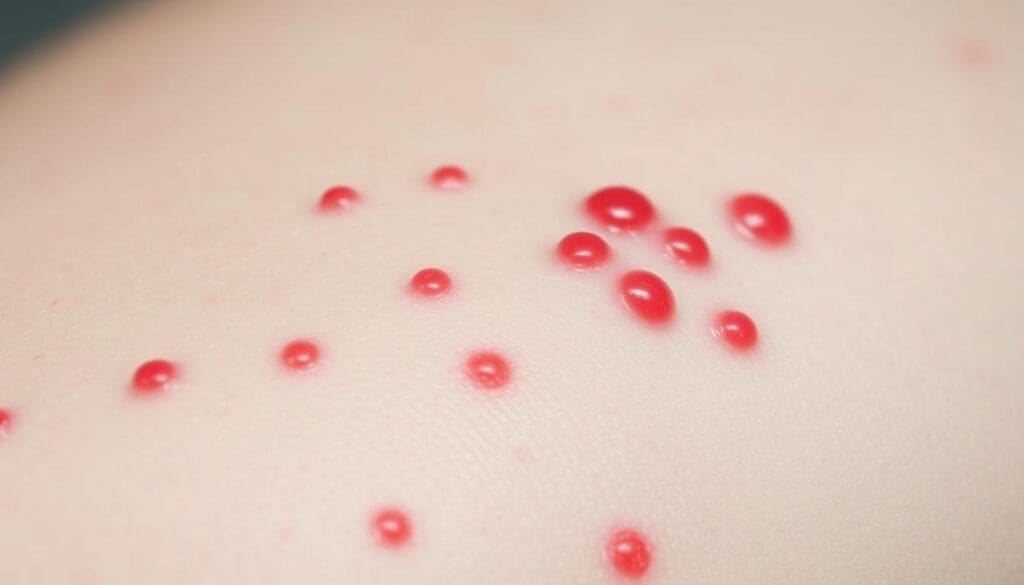
Spotting the early warning signs of leukemia is key to getting help fast. Tiny red spots on the skin, called petechiae, are often missed. Discover early stage leukemia tiny red spots on skin, their appearance, and signs to watch for in adults.
At Liv Hospital, we know how vital it is to catch these signs. We aim to offer top-notch healthcare and support for patients from abroad.
Petechiae are tiny, pinpoint spots on the skin from small blood vessel bleeding. They can signal leukemia among other things.
This article will dive into what petechiae look like and their link to leukemia. We’ll help you know what to watch for and when to see a doctor.
Key Takeaways
- Understanding the early signs of leukemia can lead to timely medical care.
- Petechiae are small red or purple spots that can appear on the skin.
- These spots are caused by bleeding from small blood vessels.
- Petechiae can be an indicator of leukemia among other conditions.
- Liv Hospital provides extensive care for international patients.
The Relationship Between Leukemia and Skin Manifestations
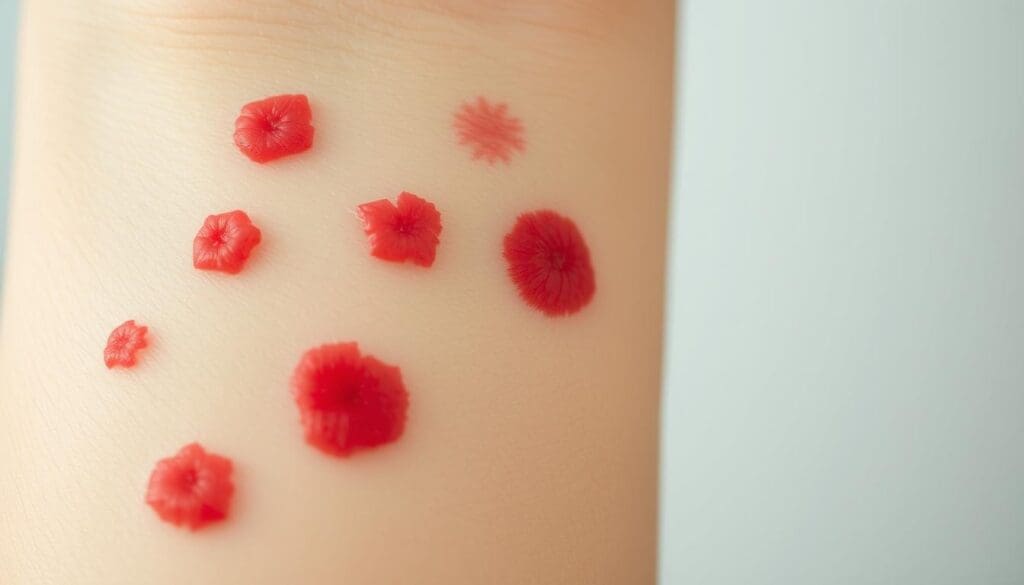
Skin changes are often the first signs of leukemia. This cancer affects the blood and bone marrow. It can cause red spots, petechiae, and other skin symptoms that are alarming.
How Blood Cancer Affects the Skin
Leukemia impacts the skin in several ways. It mainly affects blood cells and platelets. When leukemia cells fill the bone marrow, they push out normal blood cells.
This leads to low platelet count, or thrombocytopenia. Without enough platelets, the body can’t form blood clots. This results in bleeding under the skin, showing up as petechiae or purpura.
We will explore how leukemia causes skin changes. We’ll look at the role of platelet count and how leukemia cells affect the skin.
Why Skin Changes Often Serve as Early Warning Signs
Skin manifestations are often the first signs of leukemia. Seeing unexplained red spots or petechiae can make people seek medical help. This can lead to an early diagnosis.
It’s important to recognize these skin changes early. By understanding the link between leukemia and skin symptoms, we can be more alert for signs of this blood cancer.
| Skin Manifestation | Description | Association with Leukemia |
| Petechiae | Small, pinpoint red spots | Often associated with low platelet count due to leukemia |
| Purpura | Larger patches of red or purple discoloration | Can be a sign of bleeding disorders related to leukemia |
| Ecchymoses | Large areas of bruising | May indicate severe thrombocytopenia or coagulopathy in leukemia |
By recognizing these skin manifestations and understanding their connection to leukemia, we can facilitate earlier diagnosis and potentially improve treatment outcomes.
Early Stage Leukemia Tiny Red Spots on Skin: Appearance and Characteristics
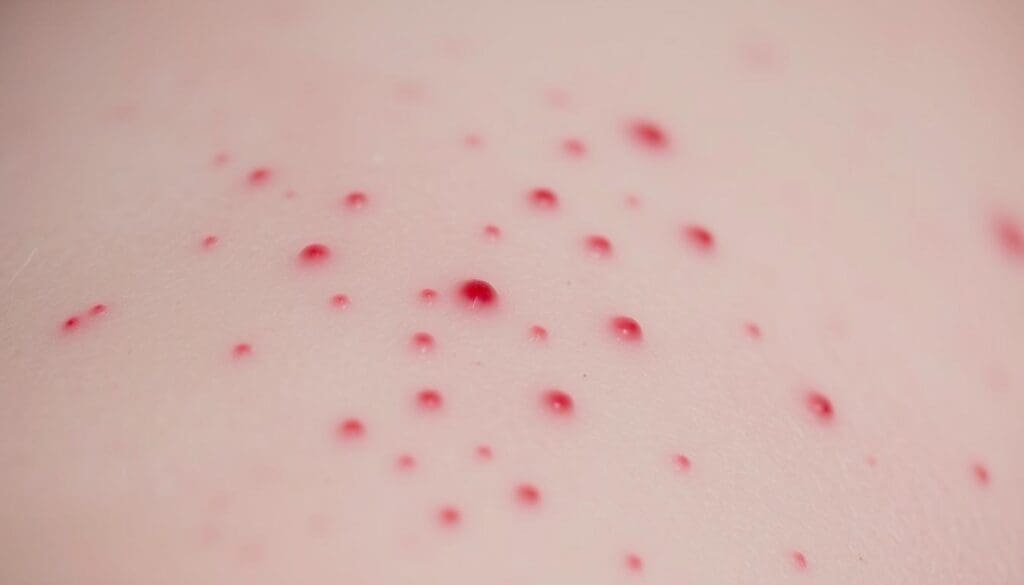
Leukemia can show up on the skin in many ways, like tiny red spots called petechiae. These spots are often an early sign of leukemia. They can help doctors understand how the disease is growing.
Physical Characteristics of Leukemia Dots
Petechiae are small, pinpoint spots that show up on the skin because of tiny capillary bleeding. They are usually less than two millimeters in diameter and are flat. This makes them easy to tell apart from other skin issues.
Size, Color, and Texture of Petechiae
Petechiae are very small, usually under 2 mm. They are often red or purple because of the blood inside. Their texture is flat and smooth, blending in with the skin around them. Unlike other rashes, they don’t change color when pressed.
Difference Between Petechiae, Purpura, and Ecchymoses
Petechiae are small and pinpoint, while purpura are larger patches of bleeding under the skin. Ecchymoses are even bigger bruises. Knowing the differences is key for making a correct diagnosis. Here’s a table that shows these differences:
| Characteristic | Petechiae | Purpura | Ecchymoses |
| Size | Less than 2 mm | 2 mm to 1 cm | Larger than 1 cm |
| Appearance | Pinpoint spots | Patches | Large bruises |
| Cause | Bleeding from capillaries | Bleeding under the skin | Significant bleeding under the skin |
It’s important for doctors to know these differences. This helps them diagnose and manage leukemia better.
Common Locations Where Leukemia Skin Spots Typically Appear
Leukemia skin spots, known as petechiae, are a key symptom. They can show up anywhere but often in certain spots. Knowing where these spots usually appear can help spot the disease early.
Legs and Ankles: Primary Sites for Petechiae
The legs and ankles are common places for petechiae in leukemia patients. The skin here is more likely to show these spots. This is because of increased pressure and fragile blood vessels.
Trunk, Arms, and Other Body Areas Affected
Petechiae can also show up on the trunk, arms, and other body parts. Where they appear can differ from person to person. This depends on the leukemia’s specific traits.
How Distribution Patterns Can Indicate Disease Progression
The way petechiae spread can tell us about leukemia’s progress. As the disease gets worse, the spots may grow in number and spread. This could mean the treatment needs to change.
| Body Region | Frequency of Petechiae | Characteristics |
| Legs and Ankles | High | Often appear due to increased pressure and blood vessel fragility |
| Trunk | Moderate | Can be widespread, indicating disease progression |
| Arms | Moderate | May appear in conjunction with other symptoms like fatigue |
It’s important to remember that petechiae can pop up anywhere. But if they show up with other symptoms, you should see a doctor.
The Medical Science Behind Leukemia-Related Skin Changes
It’s important to understand the science behind leukemia’s skin changes for early diagnosis and treatment. Leukemia, a blood cancer, can show in different ways, like skin changes. Tiny red spots, or petechiae, are often seen in leukemia patients.
The Role of Platelets in Blood Clotting
Platelets are key in blood clotting, stopping bleeding when a vessel is hurt. They gather at the injury site, forming a plug to seal it. This keeps the body balanced between bleeding and clotting. In leukemia, the bone marrow may not make enough platelets, causing low counts.
How Thrombocytopenia Leads to Petechiae
Thrombocytopenia, or low platelet count, is common in leukemia. It makes blood clotting hard, leading to petechiae. These spots are tiny hemorrhages in the skin, caused by blood leaking from small vessels.
Petechiae often appear in areas under pressure, like the legs and ankles.
Cellular Mechanisms in Leukemia That Affect the Skin
Leukemia affects the skin through different ways. Leukemic cells in the bone marrow can stop normal platelet production. They can also enter the skin, changing its look and function.
Understanding these mechanisms helps doctors diagnose and treat leukemia-related skin changes better.
By knowing the science behind these changes, healthcare providers can give more accurate diagnoses and treatments. This improves patient outcomes.
Distinguishing Leukemia Spots from Other Skin Conditions
It’s important to tell the difference between leukemia spots and other skin issues. Petechiae, small red dots, can be linked to leukemia but also other things. Knowing the difference helps in making the right diagnosis.
The Blanching Test: A Key Diagnostic Indicator
The blanching test checks if a skin spot changes color when pressed.
- Petechiae linked to leukemia usually don’t change color when pressed.
- But, spots from allergic reactions might change color when pressed.
Common Conditions That Mimic Leukemia Spots
Some skin issues look like leukemia spots, including:
- Vasculitis, which is inflammation of blood vessels.
- Allergic purpura, a bleeding under the skin condition.
- Infections like meningococcemia that cause petechiae.
When Petechiae Are Likely Not Related to Leukemia
Petechiae can be caused by many things not related to leukemia, such as:
- Straining or coughing hard.
- Long-term pressure on the skin.
- Viral infections.
Always see a doctor for a correct diagnosis.
Additional Symptoms That May Accompany Leukemia Skin Manifestations
Leukemia symptoms like red spots on the skin often come with other signs that need medical help. Understanding leukemia’s many ways of showing itself is key. This includes more than just the skin spots.
Systemic Symptoms of Early Leukemia
In the early stages, leukemia can cause a variety of symptoms. These signs are important because they show the disease is present. Some common symptoms include:
- Fatigue: Feeling very tired or weak, even after resting.
- Fever: Having fevers that keep coming back without an infection.
- Weight Loss: Losing weight without trying, often with less hunger.
- Swollen Lymph Nodes: Lymph nodes getting bigger in the neck, armpits, or groin.
- Bone Pain: Feeling pain or tenderness in bones or joints.
Progressive Skin Changes as Leukemia Advances
As leukemia gets worse, skin symptoms can change or get worse. Some people might see:
- Increased Bruising: Bruising or bleeding easily because of low platelets.
- Petechiae Progression: More petechiae appearing or getting bigger.
- Skin Infiltration: Leukemia cells getting into the skin, causing lesions or nodules.
The Timeline of Symptom Development
How fast symptoms show up in leukemia can differ a lot. The disease goes through stages, with symptoms changing over time. Knowing this timeline helps catch the disease early.
- Early Stage: Symptoms start off mild and not clear, making it hard to diagnose early.
- Progression: As the disease gets worse, symptoms get stronger and skin symptoms can get more serious.
- Advanced Stage: At this point, symptoms are severe and can really hurt the body’s functions.
It’s important to know all the symptoms of leukemia, including skin and body signs. This helps get medical help and treatment on time.
When to Seek Medical Attention for Suspicious Red Spots
Noticing tiny red spots on your skin can be a worry. They might be a sign of something serious like leukemia. It’s important to know when to see a doctor.
Warning Signs That Require Immediate Evaluation
Some red spots need quick medical attention. Look out for these signs:
- Rapid appearance or spread of the spots
- Presence of fever, fatigue, or weight loss alongside the skin spots
- Spots that are accompanied by bleeding gums, nosebleeds, or easy bruising
- Red spots that are painful or itchy
If you see any of these, get medical help fast.
What to Document Before Your Doctor’s Appointment
Before you see your doctor, write down details about the red spots. This can help a lot:
| Characteristic | Description |
| Location | Note where on your body the spots appeared |
| Size and Shape | Record the size and shape of the spots |
| Color | Describe the color of the spots |
| Timing | Document when you first noticed the spots and if they’ve changed over time |
Questions Your Healthcare Provider May Ask
Your doctor will ask you questions to figure out what’s going on. They might ask:
- Have you recently traveled or been exposed to new environments?
- Do you have a family history of blood disorders or cancer?
- Have you noticed any other symptoms like fatigue, fever, or weight loss?
- What medications are you currently taking?
Being ready to answer these questions can make your visit more helpful.
Diagnostic Process for Suspected Leukemia-Related Petechiae
Diagnosing leukemia-related petechiae is a detailed process. It starts with a full medical check-up. When petechiae symptoms appear, doctors look for many possible causes. They aim to find out if leukemia is the main issue.
Initial Evaluation and Physical Examination
The first step is a detailed medical history and physical exam. We check the patient’s overall health for signs of leukemia. This includes looking for fatigue, weight loss, or frequent infections.
Also, we examine the skin closely to see how many and what kind of petechiae there are.
Blood Tests and Complete Blood Count Analysis
Blood tests, like a Complete Blood Count (CBC), are key in diagnosing leukemia. A CBC shows the counts of different blood cells. If these counts are off, it could mean leukemia.
For example, low platelet counts often lead to petechiae. This is a common sign of leukemia.
| Blood Component | Normal Range | Potential Indication in Leukemia |
| White Blood Cells (WBC) | 4,500 – 11,000 cells/μL | Abnormal or elevated counts |
| Red Blood Cells (RBC) | 4.32 – 5.72 million cells/μL (varies by gender) | Anemia or abnormal morphology |
| Platelets | 150,000 – 450,000 cells/μL | Thrombocytopenia (low platelet count) |
Advanced Diagnostic Procedures
If blood tests and initial checks suggest leukemia, we do more tests. These include bone marrow biopsies, imaging like CT or PET scans, and molecular tests. These help confirm the diagnosis and plan treatment.
Knowing how to diagnose leukemia-related petechiae is key. It helps catch the disease early and manage it well. By using clinical checks, lab tests, and advanced tests, doctors can accurately diagnose and treat leukemia.
Conclusion: The Importance of Early Recognition and Intervention
Spotting leukemia symptoms early, like tiny red spots on the skin, is key. At Liv Hospital, we stress knowing these signs. They can signal the start of the disease.
Knowing the early signs of leukemia helps doctors start treatment quickly. This can lead to better health outcomes. Our goal is to use the latest medical knowledge to help our patients.
By watching for skin changes and getting medical help when needed, people can get diagnosed and treated early. We aim to give top-notch care to all our patients. This includes those from abroad, who get the support and kindness they need during their treatment.
FAQ
What are leukemia dots or petechiae?
Leukemia dots, also known as petechiae, are tiny red spots on the skin. They can be an early sign of leukemia. These spots happen because of bleeding under the skin due to low platelet count.
How do I distinguish leukemia spots from other skin conditions?
To tell leukemia spots from other skin issues, try a blanching test. Leukemia spots don’t fade when pressed. Other skin problems like allergic reactions might. Always see a doctor for a correct diagnosis.
Where do leukemia skin spots typically appear?
Leukemia spots usually show up on the legs, ankles, trunk, and arms. Where they appear can show how the disease is growing.
What is the medical science behind leukemia-related skin changes?
Skin changes like petechiae in leukemia are due to low platelet count. Platelets help blood clot. Without enough, bleeding under the skin happens.
Can red dots on the skin be a sign of cancer?
Yes, red dots on the skin, or petechiae, can mean leukemia or other cancers. But not all red dots are cancer. A doctor’s check is needed to know for sure.
What are the additional symptoms that may accompany leukemia skin manifestations?
Along with skin changes, leukemia can cause fatigue, weight loss, and fever. As the disease gets worse, skin changes can get more severe.
When should I seek medical attention for suspicious red spots?
See a doctor right away if you notice red spots, with fever, fatigue, or weight loss. Take pictures of the spots and any symptoms before your visit.
What is the diagnostic process for suspected leukemia-related petechiae?
First, a doctor will check you and do blood tests. They’ll also do a complete blood count. More tests might be needed to confirm leukemia.
Are leukemia red spots on the skin painful?
Leukemia red spots, or petechiae, are usually not painful. But they can mean you need to see a doctor.
Can leukemia spots appear on other parts of the body beside the legs and trunk?
Yes, leukemia spots can show up on arms and face too. Where they appear can change based on the disease’s progress.
References
National Cancer Institute. (2024, May 22). Leukemia—Patient version. National Institutes of Health.https://www.cancer.gov/types/leukemia