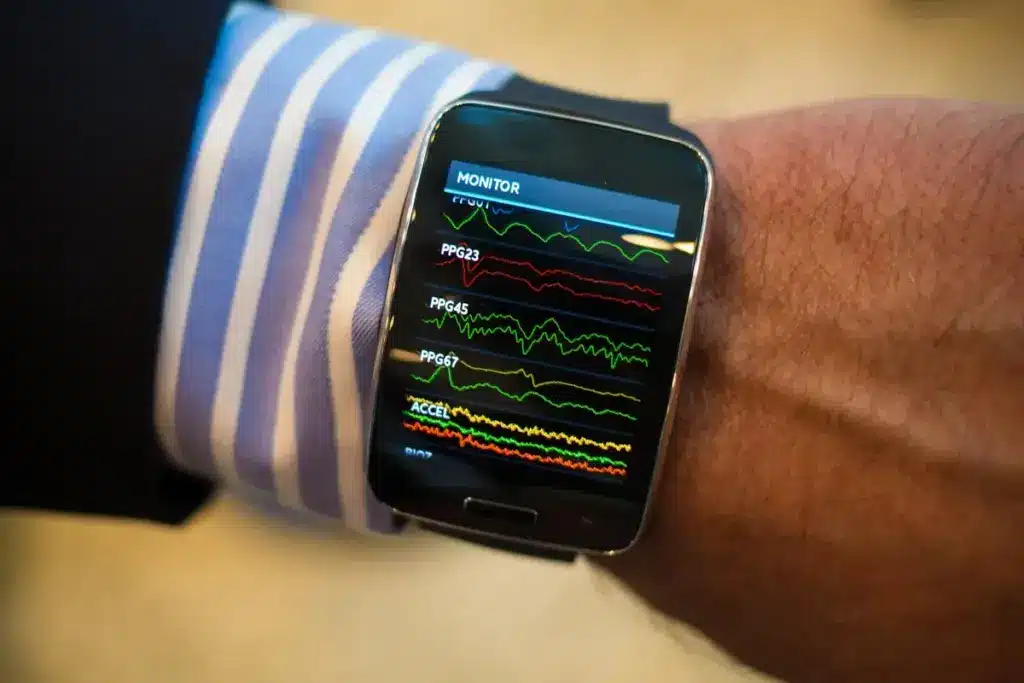
Did you know that over 400,000 users joined a study on heart health in just six months? They used wearable devices like the Apple Watch.
We are seeing a big change in how we check our heart health. The Apple Watch’s EKG feature is leading this change. It lets users check their heart health on their own. But, can it really find heart problems?
As heart health worries grow worldwide, knowing if these devices are accurate is key. An echocardiogram cardiac test, or transthoracic echo, is a common way to check the heart. We’ll see if the Apple Watch EKG can be as good as a traditional heart ultrasound.
Key Takeaways
- The Apple Watch EKG feature has shown promise in detecting irregular heart rhythms.
- Understanding its accuracy is key for medical use.
- It’s important to compare it with traditional heart monitoring methods.
- Wearable technology is playing a bigger role in healthcare.
- Users need to know what their devices can and can’t do.
Understanding Apple Watch’s ECG Feature
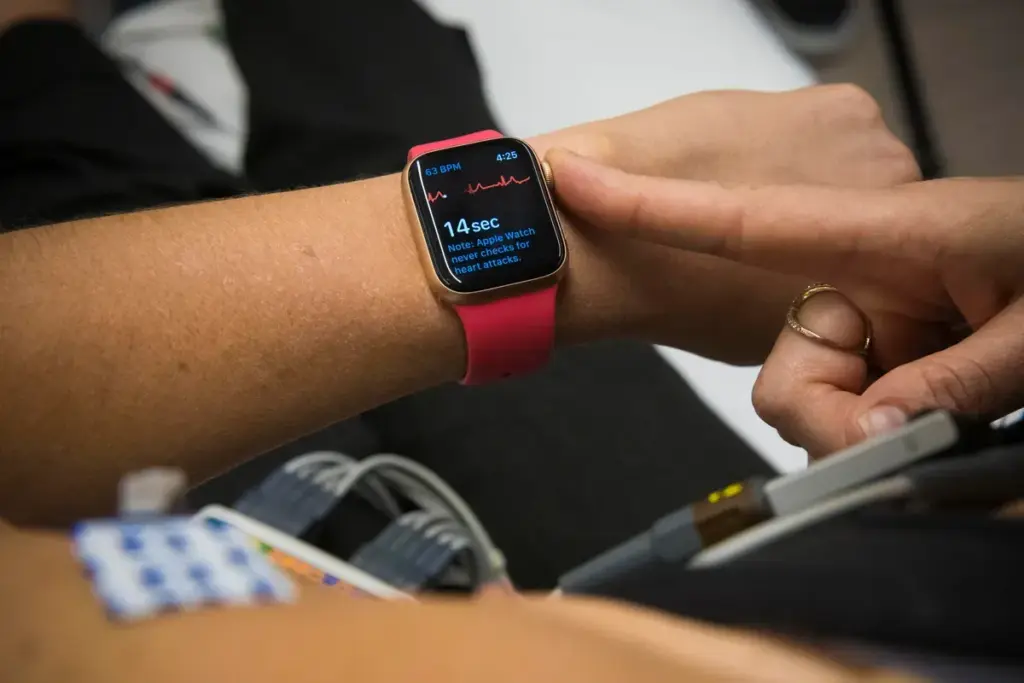
The ECG feature on the Apple Watch is a big step forward in tech. It lets users check their heart’s electrical activity easily. This helps them spot any heart issues and talk to doctors if needed.
What is ECG and how does it work?
An electrocardiogram (ECG) tests the heart’s electrical activity over time. It uses electrodes on the skin to catch the heart’s tiny electrical changes. The Apple Watch ECG does the same thing, giving users a detailed report.
Unlike an echocardiogram, which uses sound waves to see the heart, an ECG looks at the heart’s electrical signals. An echocardiogram shows the heart’s shape and how it works. But an ECG is all about checking the heart’s rhythm and finding any problems.
|
Feature |
ECG |
Echocardiogram |
|---|---|---|
|
Purpose |
Measures heart’s electrical activity |
Creates images of heart’s structure |
|
Method |
Electrodes detect electrical changes |
Ultrasound waves create images |
|
Information Provided |
Heart rhythm, irregularities |
Heart structure, function |
Is the ECG feature available on all Apple Watches?
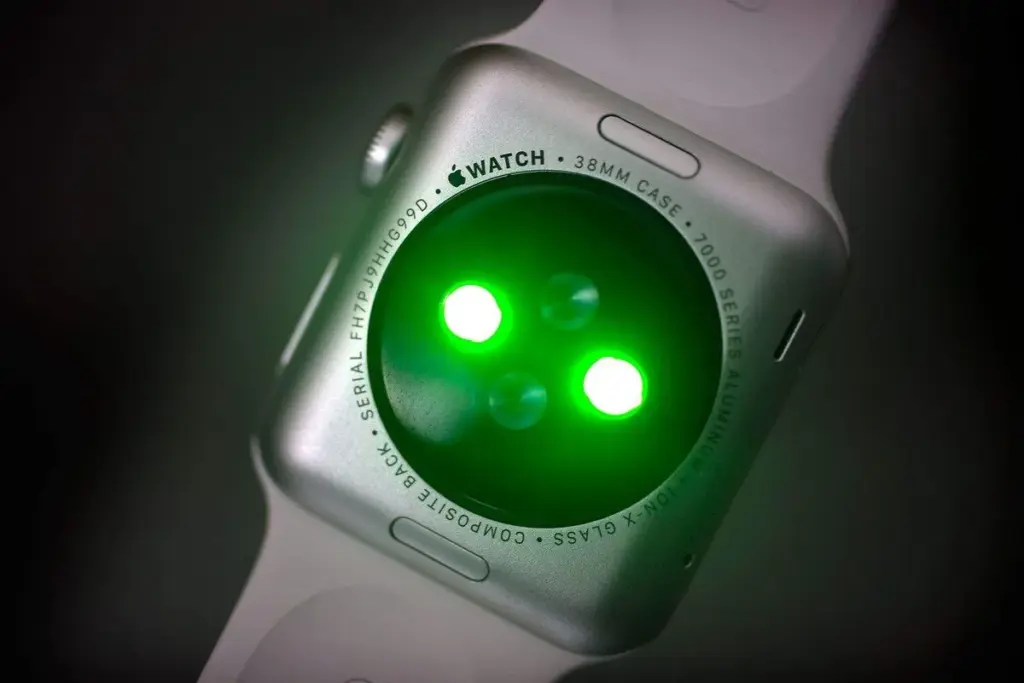
The ECG feature is only on Apple Watch Series 4 and later. If you have an older model, you won’t have this feature. To see if your watch has ECG, go to Settings, find the “ECG” or “Heart” section, and check if it’s there.
How to access the ECG app on your Apple Watch
To use the ECG app on your Apple Watch, follow these steps:
- Make sure your Apple Watch is up to date.
- Open the ECG app on your Apple Watch.
- Follow the on-screen instructions to set up the ECG feature.
- Place your finger on the Digital Crown to take a reading.
- The ECG app will tell you if your heart rhythm is normal or if there’s a problem.
Knowing how to use the ECG feature well can help you get the most out of your Apple Watch. It’s a great way to keep an eye on your heart health.
Accuracy of the Apple Watch ECG
The Apple Watch ECG has caught a lot of attention for its heart health monitoring. But how good is it? Let’s dive into the tech behind it and what makes it accurate.
Clinical Studies Comparing Apple Watch ECG to Traditional Methods
Many studies have looked at how the Apple Watch ECG stacks up against traditional ECGs. A study in the Journal of the American Heart Association showed it’s very good at spotting atrial fibrillation (AFib). This study shows wearable tech can really help with heart rhythm checks.
“The results of our study indicate that the Apple Watch ECG can be a reliable tool for detecting AFib, providing a valuable option for individuals to monitor their heart health.”
Lead Researcher
Another study compared the Apple Watch Series 4 ECG to a standard 12-lead ECG. It found they match up pretty well. These studies help prove the Apple Watch ECG is good for heart health checks.
Limitations of the Apple Watch ECG
Even with its good results, the Apple Watch ECG has some downsides. It’s not meant to officially diagnose heart issues but to hint at irregular rhythms. Don’t just rely on it for medical diagnoses. Also, how you use it and external factors can mess with the readings.
- Incomplete or inaccurate data due to user error
- Interference from external factors
- Limitations in detecting certain heart conditions
Factors That Affect ECG Accuracy
Several things can mess with the Apple Watch ECG’s accuracy. This includes how you use it, the device’s quality, and the environment. Knowing how to use it right and keeping it updated is key for good readings. Regular updates and care can improve its performance.
In short, the Apple Watch ECG is a useful tool for heart health. But knowing its strengths and weaknesses is important. By looking at studies and understanding what can go wrong, users can make better health choices.
Benefits of Using the Apple Watch ECG
The Apple Watch ECG is great for those worried about their heart health. It lets users easily check their heart, helping them stay healthy.
Early Detection of Heart Conditions
The Apple Watch ECG is good at finding heart problems early. It checks heart rhythms often. This can spot issues like atrial fibrillation early.
Spotting problems early is key. It means users can get help fast. This can prevent serious heart issues.
Convenience and Accessibility of Monitoring
The Apple Watch ECG is easy to use. It’s a wearable device that tracks your heart all day. This is great for those who need to watch their heart closely.
It’s also easy to use anywhere. This makes it simple to check your heart health, even when you’re busy.
Integration with Health Apps and Data
The Apple Watch ECG works well with health apps. It lets users track their heart health over time. This is helpful for doctors to see how your heart is doing.
|
Feature |
Benefit |
Impact on Heart Health |
|---|---|---|
|
Early Detection |
Identifies irregular heart rhythms |
Enables timely medical intervention |
|
Convenience |
Continuous monitoring throughout the day |
Reduces need for frequent healthcare visits |
|
Integration |
Syncs with health apps and records |
Provides a comprehensive view of heart health |
Limitations of Apple Watch ECG
The Apple Watch ECG is a groundbreaking tool for monitoring heart health. Yet, it has its limits. It offers insights into heart rhythm but has certain constraints.
Not a Replacement for Professional Medical Assessment
The Apple Watch ECG is not meant to replace a doctor’s evaluation. It’s important to see it as a tool for monitoring, not diagnosing. Users should not rely solely on the Apple Watch ECG for diagnosing heart conditions. It’s meant to spot issues that need more medical attention.
“The Apple Watch ECG is a supplementary tool that can provide valuable insights, but it is not a substitute for a complete medical evaluation.” – A statement from a leading cardiologist.
What the Apple Watch ECG Cannot Detect
The Apple Watch ECG has its limits. It can’t diagnose complex heart conditions like an abnormal echocardiogram or an echo tte. It also misses certain heart problems not related to rhythm.
|
Condition |
Detectable by Apple Watch ECG |
Requires Professional Diagnosis |
|---|---|---|
|
Atrial Fibrillation |
Yes |
No |
|
Abnormal Echocardiogram |
No |
Yes |
|
Heart Valve Issues |
No |
Yes |
Potential for False Positives and Negatives
The Apple Watch ECG is not perfect. It can show false positives or negatives. This means it might say there’s a problem when there isn’t, or miss a real issue. Users need to be aware of these risks.
To avoid these issues, use the Apple Watch ECG as part of a larger health monitoring plan. Regular check-ups with doctors are key. This way, users can get the most out of the Apple Watch ECG while understanding its limits.
User Experience with Apple Watch ECG
Apple Watch users can now check their heart rhythm right from their wrist. This new feature makes it easier and more convenient to monitor heart health.
Ease of Use
The ECG feature on Apple Watch is easy to use. Just open the ECG app, touch your finger to the digital crown, and wait for 30 seconds. It’s simple enough for anyone to use, even those who aren’t tech-savvy.
Ease of interpretation is also a big plus. The app shows clear instructions and categorizes heart rhythm results. This makes it easier for users to understand their heart health.
User Testimonials and Feedback
Many users love the Apple Watch ECG feature. It’s convenient and gives them peace of mind. Some users found out about irregular heart rhythms they didn’t know about before. One user said, “I was surprised to see my heart rhythm was irregular during a stressful period, and it prompted me to visit my doctor.”
“The ECG feature on my Apple Watch has been a game-changer. It’s given me and my doctor valuable insights into my heart health.”
– A satisfied Apple Watch user
Users also feel emotionally reassured by this feature. It makes them more connected to their health and more proactive in managing it.
Common Issues Faced by Users
Even though many like the Apple Watch ECG, some face problems. Issues include getting unclear readings due to wrong finger placement or external interference. Some also get inconclusive results, which can be frustrating.
- Inaccurate readings due to improper use
- Difficulty in understanding the results without medical background
- Occasional software glitches
Apple offers detailed guides and support to help with these issues. Users are also advised to talk to healthcare professionals if they have concerns about their ECG readings or heart health.
Comparison with Other Wearable ECG Devices
The Apple Watch has competitors in the wearable ECG market. It’s important to know the features, prices, and uses of these devices. This helps people choose the best one for their health needs.
Features of Competing ECG Devices
Many devices offer ECG monitoring, each with its own special features. For example, Fitbit and Garmin track heart rates continuously and can spot irregular heartbeats. They also track other health metrics like blood oxygen and stress levels.
When comparing these devices, think about their operating system compatibility and app integration. The Apple Watch ECG works well with the iPhone’s Health app. Other devices might work with more platforms.
- Fitbit: Offers ECG monitoring and integrates well with its own health and fitness tracking features.
- Garmin: Provides advanced heart rate monitoring and is popular among athletes.
- Samsung: Offers ECG capabilities on some models, with integration into the Samsung Health ecosystem.
Price Comparison: Apple Watch vs. Other Wearables
Pricing is key when picking a wearable ECG device. The Apple Watch is a premium product, costing between $250 and over $1,000. This depends on the model and features.
Other devices offer different price points.
|
Device |
Price Range |
ECG Feature |
|---|---|---|
|
Apple Watch |
$250 – $1,000 |
Yes |
|
Fitbit |
$70 – $300 |
Yes |
|
Garmin |
$200 – $800 |
Yes |
Which Device is Best for Specific Needs?
The right wearable ECG device depends on your needs. If you’re in the Apple ecosystem, the Apple Watch might be the best choice. It integrates well with iPhones. Others might prefer Fitbit or Garmin for their flexibility or specific features.
For example, athletes might like Garmin for its advanced tracking. Those looking for a cheaper option might choose Fitbit or Samsung.
Choosing the right device should involve comparing features, prices, and compatibility. This ensures the device meets your health monitoring needs.
Guidelines for Interpreting ECG Results
Understanding your ECG results from the Apple Watch is key. It shows your heart’s electrical activity. This is important for spotting irregular heart rhythms.
Understanding Your ECG Report: Key Indicators
When you use your Apple Watch for an ECG, it checks your heart rhythm. A normal echocardiogram means your heart is beating right. But remember, the Apple Watch ECG is just a first check. It might show you need more tests.
The report can also show if your heart rate is too high or too low. These signs are important to look at with your health and any symptoms you have.
When to Seek Medical Advice from Your ECG Results
If your ECG shows an irregular rhythm or other signs, see a doctor. They can do more tests, like a tee cardiac test.
Even if your ECG looks fine, symptoms like palpitations or dizziness mean you should see a doctor. They can figure out what’s wrong and suggest treatment.
Importance of Context in ECG Interpretation
Looking at ECG results isn’t just about numbers. It’s about understanding the situation. Your health, any medicines, and how you’re standing can affect the results.
Echo images and echo views from an echocardiogram add more to your heart’s story. Together, they help you understand your heart better.
By knowing your ECG results and thinking about your health, you can make better choices. Work with your doctor to keep your heart healthy.
Future of ECG Technology in Wearables
ECG technology in wearables is changing fast. We’re seeing big improvements in how these devices work. The Apple Watch is leading the way, getting better at tracking heart health.
Innovations on the Horizon for the Apple Watch
The Apple Watch has already made big steps in ECG tech. Future updates will make it even better. Here’s what we might see:
- Advanced algorithms for more accurate readings
- Integration with other health metrics for a more complete view of heart health
- Enhanced user interfaces for easier ECG data interpretation
These improvements will come from ongoing research in wearable tech and cardiology. For example, adding echocardiography purpose and echo with doppler could give us deeper insights into heart function.
Potential Advancements in ECG Accuracy and Features
Future ECG tech in wearables will bring many benefits. Here are some:
- Increased accuracy through better signal processing and noise reduction
- Expanded feature sets, like detecting more heart conditions
- Better integration with healthcare systems for easier data sharing
These changes will make wearables more useful for tte with doppler complete assessments. They could even help detect echo for heart failure.
The Role of AI in Future ECG Monitoring
Artificial intelligence (AI) will be key in future ECG monitoring. AI can analyze ECG data faster and more accurately than before. This means we’ll get real-time insights into heart health. AI will likely:
- Improve ECG monitoring’s predictive power, catching heart issues early
- Make ECG monitoring more personal, with alerts and advice based on your health
- Make ECG data easier to understand, helping users grasp their heart health better
As AI gets better, ECG monitoring in wearables will become even more valuable. They’ll be essential for keeping our hearts healthy.
Conclusion: Is the Apple Watch ECG Right for You?
Thinking about the Apple Watch ECG? It’s key to look at your health needs and how it can help. The Apple Watch ECG is great for checking heart health easily. But, it’s important to know its limits and what it can do.
Assessing Health Needs
Before using the Apple Watch ECG, think about your heart health. If you have serious heart issues, like murmurs or failure, you might need a full check-up. An echocardiogram gives a detailed look at your heart. The Apple Watch ECG is not a full replacement for a doctor’s check.
Making Informed Choices
Choosing a health device like the Apple Watch? Look at how easy it is to use and if it works with health apps. If you’re worried about heart failure, an echocardiogram is a good choice. Knowing about the echo procedure can show you the importance of detailed medical tests.
Reliability and Future Developments
The Apple Watch ECG is good at finding heart problems, but it’s not perfect. As tech gets better, we’ll see more accurate ECGs. When picking a device like the Apple Watch, think about what it offers and talk to doctors to find the best fit for you.
FAQ
What is the Apple Watch ECG feature, and how does it work?
The Apple Watch ECG is a tool that checks your heart’s electrical activity. It uses electrodes on the watch to capture the heart’s electrical signals. Then, it analyzes this data to give insights into your heart’s rhythm and function.
Is the ECG feature available on all Apple Watch models?
No, the ECG feature is only on certain Apple Watch models, starting from Series 4. To see if your Apple Watch has ECG, check Apple’s official site or the Watch app on your iPhone.
How accurate is the Apple Watch ECG compared to traditional ECG methods?
Studies show the Apple Watch ECG is usually good at spotting certain heart issues, like atrial fibrillation. But, its accuracy can change based on how you use it and the watch’s quality.
What are the benefits of using the Apple Watch ECG?
The Apple Watch ECG has many benefits. It can spot heart problems early, monitor your heart continuously, and work with other health apps. It’s great for people with heart issues or those at risk.
Can the Apple Watch ECG replace a professional medical assessment?
No, the Apple Watch ECG is not a replacement for a doctor’s check-up. It gives valuable heart health insights but should be used with, not instead of, medical advice.
What can the Apple Watch ECG not detect?
The Apple Watch ECG can’t find all heart problems. It’s mainly for spotting irregular heart rhythms, like atrial fibrillation. Other issues might need more detailed tests.
How do I interpret my ECG results from the Apple Watch?
When looking at your ECG results, watch for heart rate and rhythm. If you see anything odd or are worried, talk to a doctor for the right advice.
Can I use the Apple Watch ECG if I have a history of heart conditions?
If you’ve had heart problems, the Apple Watch ECG can help keep an eye on your heart. But, it’s important to talk to your doctor about how it fits into your care plan.
How does the Apple Watch ECG compare to other wearable ECG devices?
The Apple Watch ECG is among several wearable ECG devices. When comparing, look at features, price, and what each device is best for. Some might offer more or be better for certain needs.
What is the future of ECG technology in wearables like the Apple Watch?
ECG tech in wearables is looking bright, with new advancements coming. We might see better accuracy, more features, and AI to improve monitoring. These changes could make wearables even more useful for health tracking.
Are there any potentially risks or false results associated with the Apple Watch ECG?
Yes, like any medical test, the Apple Watch ECG can have false positives and negatives. It’s key to understand these risks and get a doctor’s advice if you’re concerned.
References
National Center for Biotechnology Information. Evidence-Based Medical Insight. Retrieved from https://pubmed.ncbi.nlm.nih.gov/30729329/