
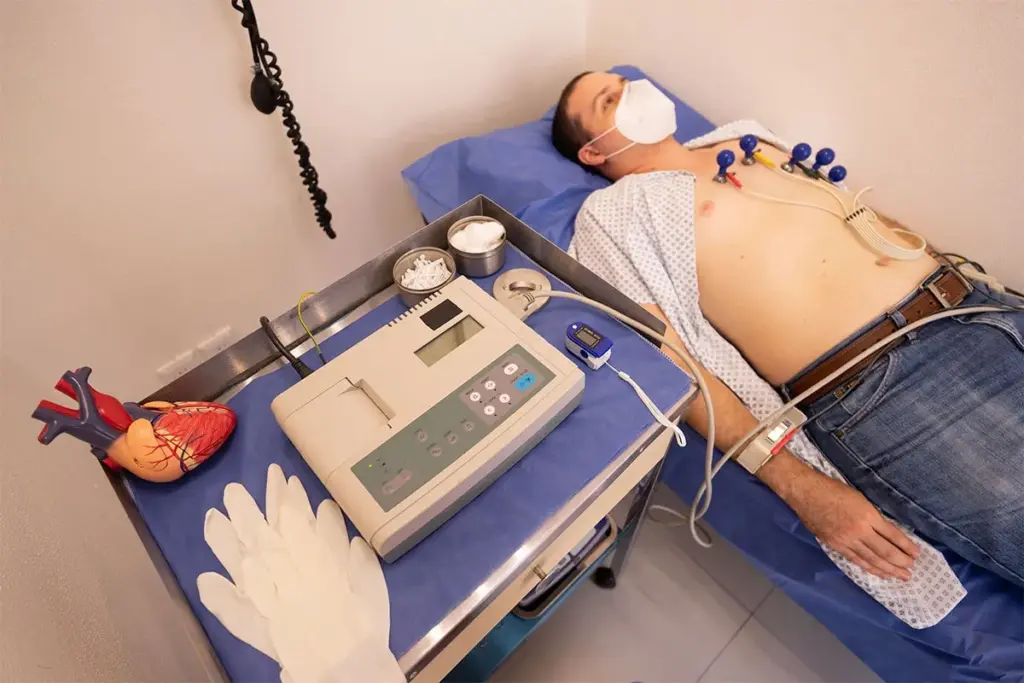
A Fib EKG: 4 Key ECG FeaturesECG vs EKG: Which is better? Get the best blockage detection tips. Learn if these electrical tests can see physical clogs effectively.
Did you know millions of people worldwide get heart tests every year? These tests, like the electrocardiogram (ECG or EKG), check the heart’s electrical activity. Even though they’re often used the same way, there are small differences in how they’re used.
We will look into the history and use of these tests. This will help you see how important they are for heart health. Both ECG and EKG give key info about the heart’s work. They help doctors find and treat heart problems.
Key Takeaways
- ECG and EKG are terms often used interchangeably for heart tests.
- The primary difference lies in the historical and regional usage of the terms.
- Both tests are critical for diagnosing heart conditions.
- Understanding the difference can help patients better comprehend their diagnostic results.
- These tests are part of a complete heart health assessment.
What Are ECG and EKG?

ECG and EKG are often used the same way in medicine. They measure the heart’s electrical activity. This is done by placing electrodes on the skin to capture the heart’s signals over time.
To understand these tests, let’s first define them individually.
Definition of ECG
An Electrocardiogram (ECG) is a test that records the heart’s electrical activity. It uses electrodes on the skin to detect the heart’s electrical changes. These changes happen when the heart muscle depolarizes and repolarizes with each beat.
Definition of EKG
The term Electrocardiogram is often shortened to ECG. But in some places, like the United States, it’s called EKG. The difference is mainly in how people say it, with both tests being the same. The “EKG” name comes from German and other European languages, where “K” is used instead of “C” for “Cardio”.
Historical Context
The ECG/EKG technology started in the early 20th century. Willem Einthoven, a Dutch doctor, created the first practical electrocardiograph in 1903. His work changed cardiology forever. Today, ECG/EKG is key in diagnosing heart problems.
To show how important ECG/EKG is in cardiology, let’s look at other tests.
|
Diagnostic Test |
Purpose |
Procedure |
|---|---|---|
|
ECG/EKG |
Measures heart’s electrical activity |
Electrodes placed on the skin |
|
Angiography |
Visualizes blood vessels and heart chambers |
Involves injecting contrast dye into blood vessels |
|
CT Coronary Angiogram |
Images coronary arteries |
Uses CT scanner and contrast dye |
This comparison shows ECG/EKG’s unique role in diagnosing heart issues. It’s different from but works with other tests like angiography and CT coronary angiogram.
How ECG and EKG Work
An ECG or EKG captures the heart’s electrical signals. This is done by placing electrodes on the body. It’s a non-invasive test that shows how well the heart is working.
The Electrical Activity of the Heart
The heart’s electrical activity is complex. It involves the generation and transmission of electrical impulses. These impulses control the heartbeat, ensuring blood is pumped efficiently.
The electrical activity starts with the sinoatrial (SA) node, the heart’s natural pacemaker. The impulse travels through the atria, causing them to contract. Then, it moves to the ventricles, prompting them to contract and pump blood out to the body.
How Readings Are Taken
To take readings, electrodes are placed on the chest, arms, and legs. These electrodes are connected to an electrocardiograph machine. The machine records the heart’s electrical activity. The process is painless, and patients are asked to lie quietly for accurate readings.
Types of Tests
There are different types of ECG and EKG tests. A resting ECG is taken while the patient is at rest. It provides a baseline measurement of the heart’s electrical activity. A stress test ECG monitors the heart’s activity during physical exertion.
Holter monitoring involves wearing a portable device. It records the heart’s activity over 24 to 48 hours. This helps detect intermittent heart rhythm disturbances that might not show up in shorter tests.
ECG and EKG tests are key for diagnosing heart conditions. But, tests like CT scan angiography of coronary arteries offer more information. They show the heart’s structure and any blockages. Knowing about CT scans helps patients understand the range of diagnostic options available.
Purpose of ECG and EKG Tests
ECG and EKG tests are key in cardiology for diagnosing heart issues. They show the heart’s electrical activity. This helps doctors diagnose and manage heart conditions well.
Diagnosing Heart Conditions
ECG and EKG tests are mainly for diagnosing heart conditions. They can spot arrhythmias and coronary artery disease. Doctors use these tests to find irregularities and plan treatment.
An ECG can spot a heart attack by showing heart muscle damage. An EKG checks the heart’s rhythm. It finds arrhythmias that need medical help.
Monitoring Heart Health
ECG and EKG tests also monitor heart health in patients with heart conditions. Regular tests help doctors check if treatments are working. They make changes if needed.
Patients with heart disease have regular EKG tests. These tests check the heart’s function and spot early problems.
Evaluating Risks
ECG and EKG tests help evaluate heart disease risks. They analyze the heart’s electrical activity. This helps doctors find risk factors and suggest prevention.
A CT angio or CTA might be used with an ECG or EKG. They give a detailed view of the heart’s blood vessels. This helps find blockages. Knowing the difference between an angiogram and angioplasty is important. An angiogram shows blood vessels, while angioplasty opens blocked arteries.
Using these tests together, doctors get a full picture of a patient’s heart health. They can then plan an effective treatment.
Common Indicators: What ECG and EKG Detect
It’s important to know what ECG and EKG tests show. They help us understand the heart’s electrical activity. This is key for managing heart health.
Arrhythmias
ECG and EKG tests are great for finding arrhythmias, or irregular heartbeats. These can be mild or serious and show other heart problems. These tests check if the heartbeat is off-beat.
Heart Attacks
These tests are also vital for spotting heart attacks. A heart attack damages the heart muscle because of blood flow issues. They show where the heart is affected, helping doctors act fast.
Other Cardiac Issues
ECG and EKG tests can also find other heart problems. This includes cardiac ischemia and conduction disorders. These issues might not show symptoms but can be caught early through these tests.
Even though ECG and EKG tests aren’t about “ct vs cta,” “ct angiogram chest,” or “coronary ct angiography,” they’re vital. They work with other tests to give a full picture of heart health.
The Role of EKG in Blocked Arteries
Understanding EKG’s role in diagnosing blocked arteries is key for heart health. Blocked arteries can lead to heart attacks. EKG shows signs that might mean blockages are present.
Explanation of Blocked Arteries
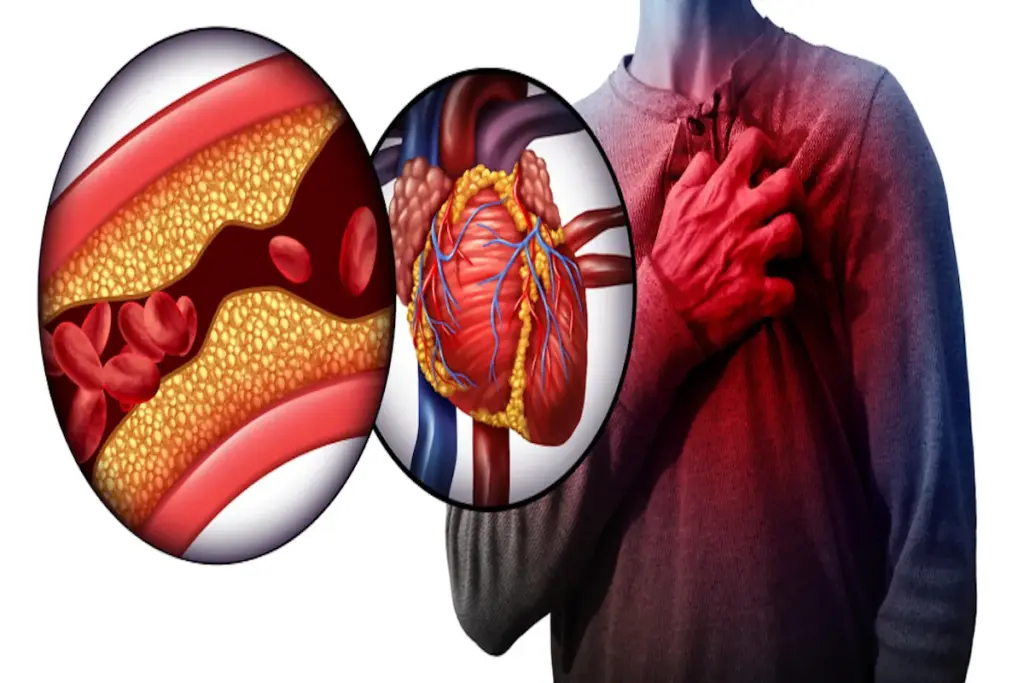
Blocked arteries happen when plaque builds up in the coronary arteries. This can reduce blood flow to the heart. It’s a big risk for heart attacks and other heart problems. Tests like EKG, stress tests, and ct angiography heart or cta with contrast help diagnose this.
How EKG Identifies Blockages
EKG can spot signs of blocked arteries, like ST-segment changes. These changes might mean the heart is not getting enough blood. EKG is a first step in checking heart health. But, tests like ct angiografi are needed to confirm blockages.
Limitations of EKG in Detection
EKG is good for spotting heart problems but can’t directly measure blockages. It gives a hint about heart health. More tests are needed to fully understand the heart’s condition.
We know EKG is just one part of diagnosing blocked arteries. For those at risk, combining EKG, imaging tests, and a doctor’s evaluation is key. This approach helps get an accurate diagnosis and plan treatment.
Comparing ECG and EKG Tests
ECG and EKG tests are often used the same way, but there are times when one is better than the other. It’s important to know that both are tools to check the heart’s health.
Similarities
ECG and EKG tests both aim to measure the heart’s electrical activity. They use electrodes on the skin to capture the heart’s signals. This helps doctors understand how the heart is working.
These tests help find heart problems like irregular heartbeats and heart attacks. In many places, ECG and EKG are used the same way. The choice might depend on what equipment is available or local customs. For example, a ct angiogram heart test might be used with an ECG or EKG for a full view of the heart.
Key Differences
The terms ECG and EKG are often mixed up, but they have a small difference. ECG comes from the Greek words for “heart” and “something written.” EKG comes from the German term “Elektrokardiogramm.” The main difference is where they come from, with ECG more common in English-speaking countries.
From a doctor’s point of view, both tests give the same information. But, the choice between ECG and EKG might depend on the situation or the doctor’s preference. For example, a ccta scan or ct angiography for coronary artery disease might be suggested with an ECG or EKG for a detailed diagnosis.
When to Use Each Type
Choosing between ECG and EKG depends on many things, like local medical practices and what the doctor needs. Both tests help check the heart, find heart problems, and see the risk of heart disease.
We suggest talking to your doctor to figure out the best test for you. Sometimes, tests like a ct angiogram heart are needed to fully understand the heart’s health.
Who Should Get Tested?
Some people are more likely to have heart problems. Getting an ECG or EKG test early can really help. It’s a good idea for those at risk to get tested.
At-Risk Populations
Those with heart disease in their family should get tested. Also, people with high blood pressure, diabetes, or high cholesterol should think about it. Smoking and obesity can also increase the need for these tests.
Knowing the difference between angiogram vs angiography is important. Both are used to see inside blood vessels, but they’re often confused.
Routine Checkups
Regular checkups are key for heart health. Doctors might suggest ECG or EKG tests during these visits. This is true for people getting older or with heart problems.
A CT angiogram with contrast shows blood vessels clearly. An ECG or EKG does the same for the heart. Knowing the difference between cat scan and ct scan helps understand these tests better.
Symptoms Prompting a Test
Some symptoms mean you should get an ECG or EKG right away. These include chest pain, shortness of breath, dizziness, or palpitations. If you have these, see a doctor fast.
Sometimes, symptoms mean you need more tests. Knowing when to use a ct angiogram with contrast is very important in emergencies.
Preparing for an ECG or EKG Test
An ECG or EKG test is a key tool for doctors. Knowing how to prepare can make it easier. We’ll show you how to get ready, what to expect, and what happens after.
What to Expect During the Test
You’ll sit or lie down for the test. Electrodes will be placed on your chest, arms, and legs. These electrodes track your heart’s electrical signals.
The test is quick and painless, lasting about 10 minutes. You’ll need to stay calm and breathe normally.
Tips for Patients
Here are some tips to make the test go smoothly:
- Arrive early: Get there a few minutes before your test to fill out paperwork.
- Wear comfortable clothing: Pick clothes that let you move easily.
- Don’t use lotions or oils on your skin that day. They can mess with the electrodes.
Tell your doctor about any medicines you’re taking. Also, share any worries you have about the test.
After the Test: What Happens Next
After the test, the electrodes are taken off. A healthcare professional will look at the data. Your doctor will talk to you about the results later.
Your doctor might compare your test with others. They might talk about needing more tests, like a coronary CT angiography or an angioplasty vs angiogram. It’s important to understand your results and what comes next for your heart health.
If you have questions about your results, ask your doctor. They’re there to help and make sure you get the care you need.
Interpreting Your Results
Understanding your ECG or EKG test results can be tough. But it’s a key part of taking care of your heart. We’re here to help you through it.
Understanding the Readout
Your ECG or EKG test shows your heart’s electrical activity. Key parts include heart rate, rhythm, and intervals. These are important for spotting heart problems.
Your doctor will look for any heart rhythm or electrical activity issues. This can help find problems like arrhythmias or other heart issues.
Common Terms Explained
Knowing common ECG and EKG terms is important. Some key terms are:
- Arrhythmia: An irregular heartbeat that can be too fast, too slow, or irregular.
- Bradycardia: A slower than normal heart rate.
- Tachycardia: A faster than normal heart rate.
Understanding these terms helps you grasp your diagnosis and treatment plan better.
Follow-up Consultation
After getting your ECG or EKG results, seeing your doctor again is key. This meeting helps you understand your results and what to do next.
You might talk about more tests like ct angio coronary or cardiac angio ct scans. These can give more insight into your heart health.
|
Diagnostic Test |
Purpose |
Key Benefits |
|---|---|---|
|
ECG/EKG |
Measures heart’s electrical activity |
Quick, non-invasive, and cost-effective |
|
CT Angio Coronary |
Visualizes coronary arteries and possible blockages |
Provides detailed images of heart structure |
|
Cardiac Angio CT |
Checks heart structure and function |
Helps in diagnosing complex heart conditions |
By understanding your ECG or EKG results and talking to your doctor, you can manage your heart health better.
Final Thoughts: Choosing Between ECG and EKG
It’s important to know about heart health tests. ECG and EKG are key for checking the heart. But, it’s important to know when to use each.
Guidance for Patients
Always talk to your doctor about heart tests. They might suggest ECG or EKG, or even advanced tests like cardiac computerized tomography. These tests help check your heart health fully.
Heart Health Monitoring
Keeping an eye on your heart is vital, more so if you’re at risk. Knowing the difference between ct and cat scans can also help in some cases. By staying informed and working with your doctor, you can keep your heart healthy.
The choice between ECG and EKG depends on your health needs and your doctor’s advice. Regular check-ups are key to avoiding heart problems.
FAQ
What is the difference between ECG and EKG?
ECG and EKG are the same test to measure the heart’s electrical activity. The main difference is in how they are called. ECG is used more worldwide, while EKG is common in the U.S.
How do ECG and EKG tests work?
These tests record the heart’s electrical activity through skin electrodes. This data is then shown as a tracing to help diagnose heart issues.
What is the purpose of an ECG or EKG test?
These tests help find and track heart problems like arrhythmias and heart attacks. They also check for heart disease risk and monitor heart health.
Can EKG detect blocked arteries?
An EKG might suggest blocked arteries, but it’s not a sure way to tell. More tests, like stress tests, might be needed to confirm.
Who should undergo ECG or EKG testing?
People at risk for heart disease, with heart history in their family, or with symptoms like chest pain should get tested. Routine check-ups also include EKGs as a preventive step.
How should I prepare for an ECG or EKG test?
To get ready, avoid skin lotions, wear loose clothes, and be ready to stay calm during the test. Your doctor will give you specific instructions.
What happens after an ECG or EKG test?
After the test, your doctor will explain the results to you. They might suggest more tests or treatment based on what they find.
How do I understand my ECG or EKG results?
To understand your results, know about the P wave, QRS complex, and T wave. Your doctor will explain any odd findings.
What is the importance of regular heart health monitoring?
Regular checks are key to spotting and managing heart issues early. They help prevent serious problems. Regular visits with your doctor are important for your heart’s health.
Is a CT angiogram related to ECG or EKG?
A CT angiogram is a different test that uses CT tech to see the heart’s arteries. It’s not directly linked to ECG or EKG but might be used together for a full heart health view.
What is the difference between a CT scan and a CT angiogram?
A CT scan is a general test using CT tech to see inside the body. A CT angiogram is a specific scan for blood vessels and vascular conditions.
How does a CT angiogram work?
A CT angiogram uses a CT scanner to show blood vessel images after a contrast agent is given. It helps spot artery blockages.
Reference
National Center for Biotechnology Information. Evidence-Based Medical Insight. Retrieved from https://pubmed.ncbi.nlm.nih.gov/15557636/