
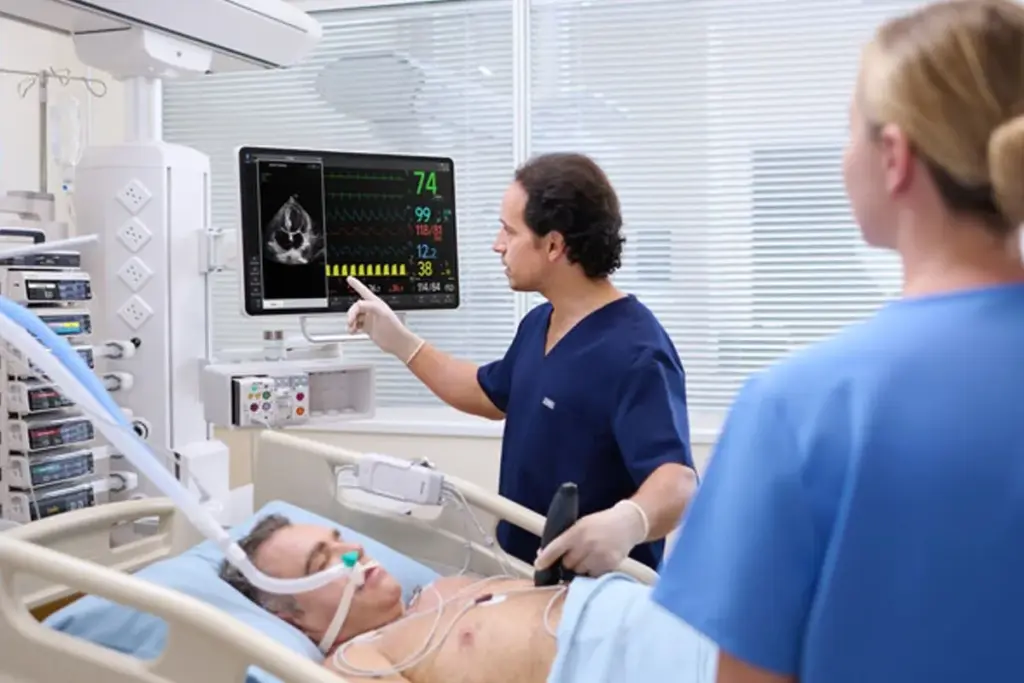
Is it perfect? Get echo test top pros and cons insights. Understand the limitations of ultrasound in diagnosing specific issues now.
Nearly 1 in 5 adults in the United States get an echo test each year. It’s a common way to check heart health. But, like any medical test, echocardiograms have their downsides.
It’s important to know the disadvantages of echocardiograms. We should think about the risks, limits, and cost of this test. This helps us make better choices about our health care.
Key Takeaways
- Echocardiograms may have limitations in detecting certain heart conditions.
- The procedure can be operator-dependent, affecting accuracy.
- There are potentially risks associated with echocardiogram procedures.
- Financial implications of echocardiograms can be significant.
- Understanding the disadvantages is key for making informed healthcare decisions.
Understanding Echocardiograms
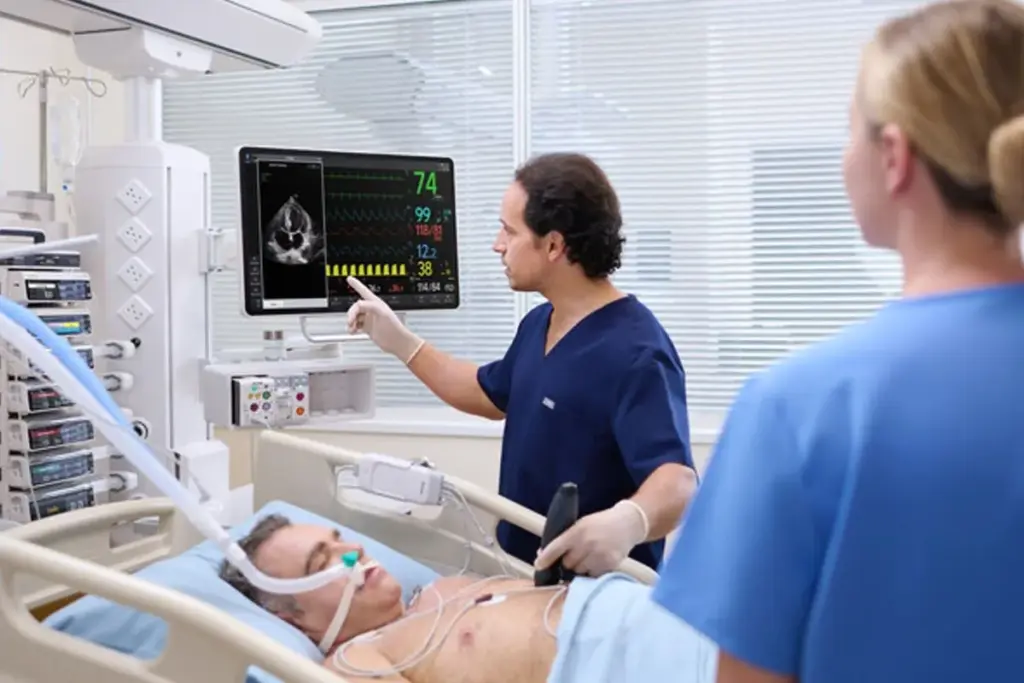
Echocardiography has changed cardiology by letting us see the heart without surgery. It helps us find and watch heart problems. This makes it a key part of caring for patients.
What is an Echocardiogram?
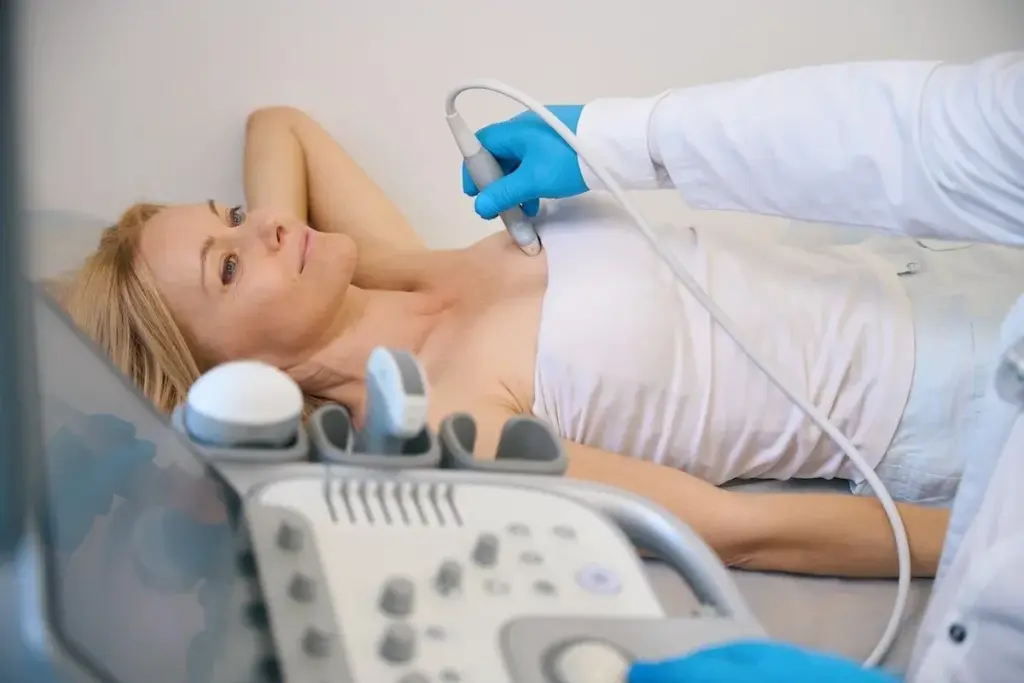
An echocardiogram uses sound waves to show the heart. It’s a safe test that can spot heart issues like valve problems and heart failure. A technician or doctor puts gel on your chest and uses a probe to get heart images.
The pictures from an echocardiogram tell us a lot about the heart. They help us see how well the heart pumps and check the valves. They also help find any heart problems.
How Echocardiograms Work
Echocardiograms use ultrasound technology. They send high-frequency sound waves into the body. These sound waves bounce off the heart and are caught by the probe, making detailed heart images.
The steps to get an echocardiogram are:
- The patient lies on an exam table.
- A gel is put on the chest to help sound waves move.
- A probe is placed on the chest to send and get sound waves.
- The sound waves are turned into heart images.
Knowing how echocardiograms work helps us understand their limits. Things like hydration levels and blood pressure can change how clear the images are.
|
Factors Affecting Echocardiogram Quality |
Description |
Impact on Image Quality |
|---|---|---|
|
Hydration Levels |
Being well-hydrated is key for good images. |
Not drinking enough water can make images poor. |
|
Blood Pressure |
Blood pressure affects how the heart works. |
High or low blood pressure can make the test less accurate. |
|
Patient Positioning |
Being in the right position is important for clear images. |
Being in the wrong position can lead to bad images. |
Common Types of Echocardiograms
Echocardiography has many types, each used for different needs. These tests are key in cardiology, helping doctors see how the heart works and its shape.
Transthoracic Echocardiogram
A Transthoracic Echocardiogram (TTE) uses an ultrasound probe on the chest. It’s easy and safe, giving doctors a clear view of the heart’s health.
Transesophageal Echocardiogram
A Transesophageal Echocardiogram (TEE) puts a probe in the esophagus. It gives detailed pictures of the heart’s back side, which is hard to see.
Doppler Echocardiogram
A Doppler Echocardiogram shows how blood moves through the heart. It helps find problems like blocked or leaking valves.
|
Echocardiogram Type |
Description |
Primary Use |
|---|---|---|
|
Transthoracic Echocardiogram (TTE) |
Non-invasive, external ultrasound |
General heart function assessment |
|
Transesophageal Echocardiogram (TEE) |
Invasive, internal ultrasound via esophagus |
Detailed assessment of heart structures, specially posterior |
|
Doppler Echocardiogram |
Measures blood flow using Doppler effect |
Diagnosing blood flow abnormalities, stenosis, or regurgitation |
Knowing about the different echocardiograms helps doctors pick the best test for each patient. This improves care and treatment.
Limitations of Echocardiographic Imaging
Echocardiograms are very useful for diagnosing heart issues. Yet, they have some big limitations. The quality of the images can be affected by many things, making them not always reliable.
Image Quality Issues
One big problem with echocardiograms is the quality of the images. Things like the patient’s body type or lung diseases can make it hard to get clear pictures. For example, people who are overweight or have COPD might have trouble getting good images because of their body or lungs.
Improving image quality can be tricky. Sometimes, changing how the test is done can help. But, even with these changes, the images might not always be clear.
Operator Dependency
Echocardiography relies a lot on the person doing the test. The quality of the images and how well the heart is checked depend on the operator’s skill. An experienced operator can get better images and make more accurate diagnoses.
This means that training and keeping up with new skills are very important. If operators are not well-trained, the results can vary a lot. This can lead to different opinions on what the images mean.
Potential Risks Involved
It’s important for patients and healthcare providers to know about the risks of echocardiograms. These tests are very useful but can have some dangers. We must understand these risks to use them safely and effectively.
Allergic Reactions to Contrast
One risk is allergic reactions to contrast agents used in echocardiograms. Allergic reactions to these agents can occur, though they are rare. Symptoms can range from mild to severe. It’s key for patients to tell their doctors about any allergies before the test.
Radiation Exposure
Many think echocardiograms involve radiation because they’re like X-rays or CT scans. Echocardiograms, though, use ultrasound and don’t emit radiation. This makes them safer for pregnant women and others. But, some contrast agents have special guidelines or precautions.
In summary, echocardiograms are mostly safe, but knowing the risks is vital. Understanding these risks helps patients prepare and talk to their doctors about any worries.
Patient Preparation Challenges
When patients prepare for an echocardiogram, they face several challenges. These include scheduling conflicts and fasting requirements. These issues can make it hard for patients to get ready for the test.
Schedule Conflicts
Scheduling an echocardiogram can be tricky because of other appointments or work. Flexibility in scheduling is key to meet different patient needs. It’s important for patients to tell their healthcare provider about any scheduling issues to make the appointment smoother.
Also, advance planning can help avoid scheduling problems. Patients should book their echocardiogram well in advance to avoid last-minute issues.
Fasting and Medication Restrictions
Some echocardiograms require patients to fast or change their medication before the test. Fasting requirements can be tough, like for patients with diabetes. It’s vital for patients to follow their healthcare provider’s instructions to stay safe and ensure the test’s success.
- Patients should ask any questions about fasting or medication changes with their healthcare provider.
- Knowing why these restrictions are in place can help patients follow them better.
- Patients should also be mindful of dehydration or low blood pressure risks from fasting and take steps to prevent them.
By understanding these challenges and taking steps early, patients can better prepare for an echocardiogram. Our healthcare team is here to support and guide patients through this process.
Financial Disadvantages
Getting an echocardiogram can cost a lot. We look at how it affects patients and healthcare providers financially.
High Costs of Procedures
Echocardiograms have many expenses. These include the cost of equipment, the skills of technicians, and cardiologists’ interpretations. All these add up, making it hard for many to afford.
Breaking down the costs: The price of the equipment, upkeep, and the people needed for the test all add to the cost.
Insurance Coverage Variability
How much insurance covers echocardiograms varies a lot. This can lead to surprise bills for patients.
Understanding insurance nuances: Patients face a tough time figuring out what their insurance covers. It can be a long and confusing process.
Timing and Access Issues
Getting to echocardiogram services is key in heart care, but timing and location can be big hurdles. These issues can really affect how well patients do and the quality of care they get.
Wait Times for Appointments
Waiting for an echocardiogram can take a long time. This is because many people need these tests and there aren’t enough places to do them. Long wait times can mean patients get their diagnoses and treatments late. This can make their health problems worse, which is a big worry for those with urgent heart issues.
Availability in Rural Areas
In rural areas, getting to echocardiograms is even harder. Many rural places don’t have access to these tests. We need to fix this to make sure everyone gets the care they need, no matter where they live.
Interpretation and Accuracy Challenges
Getting accurate results from echocardiograms is key, but it’s not always easy. These tests help us understand heart health. Yet, figuring out what they mean is complex.
Misinterpretation Concerns
Wrongly reading echocardiogram results can cause bad diagnoses and treatments. The quality of images, the skill of the technician, and the doctor’s knowledge matter a lot. For example, dehydration can mess up image quality, leading to mistakes.
Additional Diagnostic Procedures
At times, echocardiograms don’t give clear answers or show the need for more tests. This might mean more imaging or even invasive tests. Waiting for these tests can slow down getting a diagnosis and treatment.
To get better at reading echocardiograms, we need to look at the big picture. This includes things like high blood pressure, which can affect the heart. A full view helps us make more accurate diagnoses.
|
Factor |
Influence on Interpretation |
Potential Outcome |
|---|---|---|
|
Image Quality |
Poor quality can lead to misinterpretation |
Inaccurate diagnosis |
|
Technician Skill |
Skilled technicians produce better images |
More accurate diagnosis |
|
Physician Expertise |
Experienced physicians interpret results more accurately |
Better patient outcomes |
|
Patient Condition |
Conditions like dehydration or high blood pressure can affect results |
Potential for misdiagnosis if not considered |
By tackling these challenges head-on and taking a detailed approach to echocardiogram reading, we can boost accuracy. This leads to better care for patients.
Psychological Impact on Patients
Echocardiograms are key for diagnosing heart issues but can deeply affect patients’ minds. The test isn’t just about the physical check-up. It also touches on emotional and psychological aspects.
Anxiety Related to Testing
The wait and worry before an echocardiogram can make patients very anxious. This anxiety comes from not knowing what will happen, fears about the test, or worries about what the results might show.
We, as healthcare workers, know how important it is to help with these worries. We do this by being kind and explaining everything clearly. This helps ease some of the anxiety patients feel.
Fear of Diagnosis
One big worry for patients getting echocardiograms is the fear of diagnosis. The thought of finding out they have a serious heart problem can be very scary.
“The fear of the unknown can be as daunting as the diagnosis itself. Supportive care and clear communication are key in helping patients face these challenges.”
We aim to give not just the right diagnosis but also the support and advice patients need. This includes talking about treatment plans, how to change their lifestyle, and the need for ongoing care.
|
Aspect |
Impact on Patients |
Healthcare Provider Response |
|---|---|---|
|
Anxiety Related to Testing |
Increased stress and apprehension |
Clear communication, compassionate care |
|
Fear of Diagnosis |
Fear, apprehension about the future |
Supportive care, guidance on treatment and management |
Understanding how echocardiograms affect patients’ minds helps us give better care. This caring approach is vital for top-notch healthcare.
Alternatives to Echocardiograms
Echocardiograms are important for checking the heart. But, there are other ways to look at heart health too. We’ll look at these options to help patients and doctors manage heart health better.
Diagnostic Options Beyond Echocardiography
Cardiac MRI or CT scans can give detailed heart images. They’re good when echocardiograms don’t show enough. These tests help find heart problems more clearly.
Lifestyle Modifications for Heart Health
Changing your lifestyle is also key for heart health. Drinking enough water and controlling blood pressure through diet and exercise helps a lot. These simple steps can greatly improve heart health.
By trying these alternatives and living a healthy lifestyle, patients can actively care for their heart. They can work with their doctors to find the best plan for their heart health.
FAQ
What is an echocardiogram and how does it work?
An echocardiogram is a test that uses sound waves to see the heart. It helps doctors check how well the heart is working.
What are the different types of echocardiograms?
There are several types of echocardiograms. Transthoracic, transesophageal, and Doppler echocardiograms each have their own use.
What are the limitations of echocardiographic imaging?
Echocardiograms can have poor image quality. This can make it hard to get accurate results.
Are there any risks associated with echocardiograms?
Echocardiograms are usually safe. But, some people might have allergic reactions or feel anxious.
How do I prepare for an echocardiogram?
You might need to fast or adjust your meds before an echocardiogram. Always follow your doctor’s instructions.
How much does an echocardiogram cost?
The cost of an echocardiogram varies. It depends on the type, location, and insurance. Talk to your doctor and insurance about costs.
How long does it take to get an echocardiogram appointment?
Wait times for echocardiograms vary. It depends on where you are and how busy they are. Plan ahead to get an appointment.
Can dehydration affect blood pressure?
Yes, dehydration can lower or raise blood pressure. Drinking enough water is key to keeping blood pressure healthy.
Does drinking water lower blood pressure?
Drinking water can lower blood pressure in some cases. But, it depends on many factors. Staying hydrated is important for blood pressure.
Are there alternatives to echocardiograms?
Yes, there are other ways to check heart health. Talk to your doctor about what’s best for you.
How can I manage anxiety related to echocardiogram testing?
To manage anxiety, talk to your doctor. Practice relaxation techniques and get support from loved ones.
What should I expect during an echocardiogram?
During an echocardiogram, a doctor will use a probe to take heart images. You might need to change positions or hold your breath.
Reference
National Center for Biotechnology Information. Evidence-Based Medical Insight. Retrieved from https://pubmed.ncbi.nlm.nih.gov/25557673/