
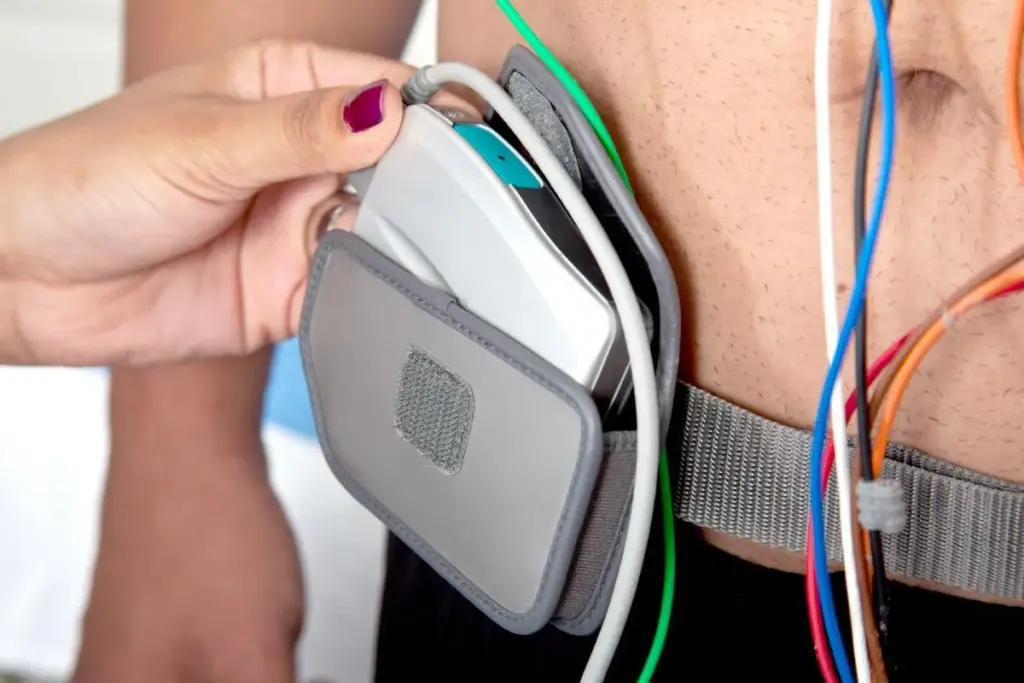
Heart disease is a big problem worldwide. Tools like the echocardiogram are key in checking heart health. This non-invasive test looks at the heart’s structure and function. It helps find and manage heart issues.
So, what is an echo test, and how does it work? An echocardiogram, or echo test, uses sound waves to make heart images. Doctors can then see the heart’s chambers, valves, and blood vessels.
In this article, we’ll look at the different echocardiography types, how long it takes, and what to expect during an echocardiogram test.
Key Takeaways
- An echocardiogram is a non-invasive test that uses sound waves to create heart images.
- The test helps doctors diagnose and manage heart conditions.
- The test’s length varies based on the type and patient needs.
- Echocardiography is vital for checking heart health and spotting problems early.
- Understanding the echocardiogram process helps reduce anxiety and prepares patients better.
Definition and Purpose of an Echocardiogram
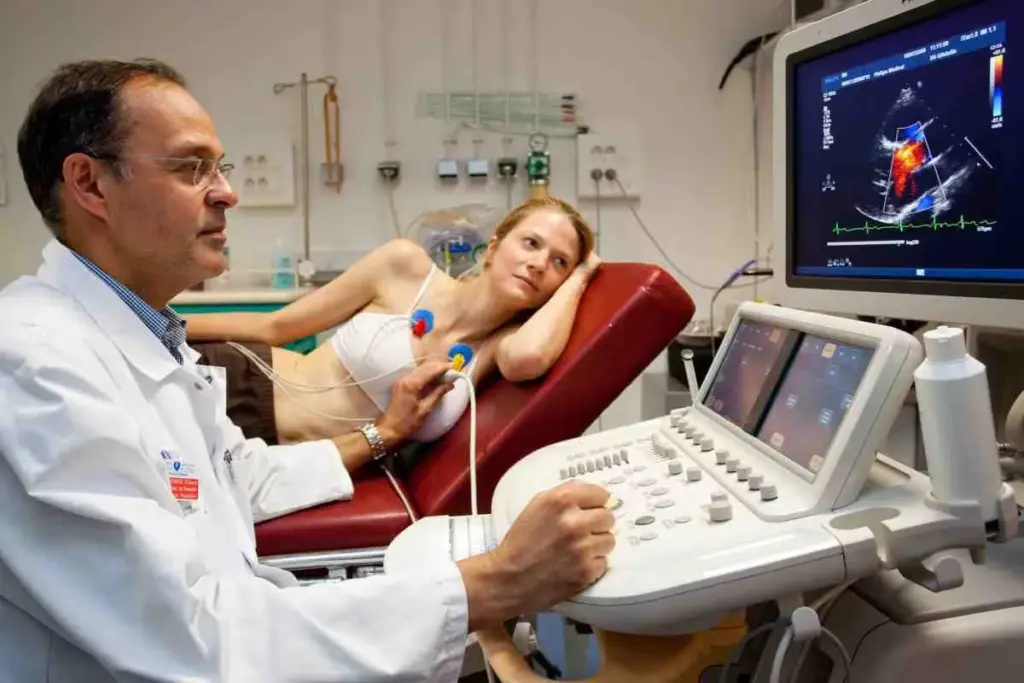
An echocardiogram, or echo, is a test that looks at the heart. It uses sound waves to create images of the heart. This helps doctors see how well the heart is working.
This test checks the heart’s chambers, valves, and walls. It gives a full view of the heart’s health. It’s key for finding and tracking heart problems.
What Does an Echocardiogram Measure?

An echocardiogram looks at several important heart health areas. These include:
- The size and thickness of the heart’s chambers and walls
- The functioning of the heart valves
- The movement of the heart walls
- The flow of blood through the heart and its valves
Doctors use this test to spot issues like valve problems and heart failure. It’s also good for checking the heart’s ejection fraction. This shows how well the heart pumps blood.
|
Measurement |
Description |
Clinical Significance |
|---|---|---|
|
Chamber Size |
Assesses the dimensions of the heart’s chambers |
Helps diagnose conditions like heart failure |
|
Valve Function |
Evaluates the functioning of heart valves |
Identifies valve stenosis or regurgitation |
|
Wall Motion |
Analyzes the movement of the heart walls |
Detects abnormalities in heart wall motion |
Who Needs an Echocardiogram?
People with heart disease symptoms should get an echocardiogram. This includes shortness of breath, chest pain, or palpitations. It’s also for those with heart conditions or at risk.
The American Heart Association says echocardiograms are great for checking heart function.
“Echocardiography is a key diagnostic tool for evaluating heart function and structure, providing critical information for the management of patients with cardiovascular disease.”
American Heart Association
Doctors might also suggest an echocardiogram before surgery. Or to see if treatments are working.
Types of Echocardiograms
Echocardiography includes several tests like transthoracic, transesophageal, and stress echocardiograms. Each test offers unique insights into the heart’s function and structure. This helps doctors diagnose and manage heart conditions well.
Transthoracic Echocardiogram
A transthoracic echocardiogram (TTE) is the most common type. It uses a transducer on the chest to get heart images. This test is simple and effective for checking heart function.
During a TTE, the transducer sends ultrasound waves that bounce off the heart. These waves create detailed images on a monitor. It can spot many heart problems, like valve issues and heart failure. The CPT code for a complete TTE with Doppler is 93306.
Transesophageal Echocardiogram
A transesophageal echocardiogram (TEE) gives a closer look at the heart. It involves putting a special transducer into the esophagus. This test is great for looking at the heart’s back parts and checking for conditions like atrial fibrillation.
TEE is used when detailed images are needed, like before some heart surgeries. Patients are usually sedated to make the procedure comfortable.
Stress Echocardiogram
A stress echocardiogram, or stress echo, checks how the heart works under stress. Stress is usually caused by exercise or medicine. This test helps find coronary artery disease and see how the heart reacts to stress.
The CPT code for a stress echocardiogram is 93350. Images of the heart are taken before and after stress. This lets doctors see how the heart works differently under stress.
|
Type of Echocardiogram |
Description |
CPT Code |
|---|---|---|
|
Transthoracic Echocardiogram |
Non-invasive test using a transducer on the chest |
93306 |
|
Transesophageal Echocardiogram |
Involves inserting a transducer into the esophagus |
– |
|
Stress Echocardiogram |
Evaluates heart function under stress |
93350 |
Knowing about the different echocardiograms and their uses is key for both doctors and patients. Choosing the right test helps get accurate diagnoses and effective treatments for heart issues.
The Echocardiogram Procedure
Many people find the idea of an echocardiogram scary, but knowing what to expect can help. An echocardiogram, or echo test, is a non-invasive way to check the heart’s health. It shows how well the heart works and its structure.
Preparation for the Test
Getting ready for an echocardiogram is easy. Patients are usually asked to wear loose, comfortable clothing. They might need to take off jewelry or other items that could get in the way. Wearing a two-piece outfit is also a good idea to make it easier to access the chest.
In some cases, you might get special instructions. For example, you might be told not to eat or drink certain things before the test. But these instructions are more common with other tests, not echocardiograms.
What to Expect During the Procedure
During the test, you’ll lie on an examination table, usually on your back or side. A gel is applied to your chest to help sound waves work better. The sonographer then uses a transducer to capture images of the heart, which are shown on a monitor in real-time.
The test is usually painless, but you might feel a little uncomfortable because of the pressure. The room is quiet and controlled to get the best images.
“Echocardiography has revolutionized the field of cardiology by providing a non-invasive means to assess heart function and structure.”
— Cardiologist
Post-Procedure Considerations
After the test, the gel is wiped off, and you can go back to your normal activities right away. There’s no need for special care because the test is non-invasive and doesn’t require rest.
You’ll get your results either right away or a little later, depending on the test’s complexity and the facility’s rules. It’s important to talk to your healthcare provider about the results and what comes next.
Duration of an Echocardiogram
Knowing how long an echocardiogram takes is key for planning your day. The test’s length can change based on the type and your health.
Average Time for Different Types
Each echocardiogram type has its own time frame. A transthoracic echocardiogram usually lasts 30 to 60 minutes. This includes getting ready and the actual test.
A transesophageal echocardiogram (TEE) takes longer, about 60 to 90 minutes. This is because it needs sedation and more setup.
A stress echocardiogram also lasts around 60 to 90 minutes. It involves exercising or using medicine to stress the heart.
Factors Influencing Test Duration
Many things can change how long an echocardiogram lasts. Your health and the heart condition’s complexity play a big role.
If you have a complex heart issue, the doctor might need more time. They need to get all the images needed.
As one cardiologist said,
“The more experienced the sonographer, the more efficiently they can conduct the test, potentially reducing the overall duration.”
Benefits of an Echocardiogram
An echocardiogram is a powerful tool for diagnosing heart issues. It gives detailed images of the heart’s structure and function. This helps doctors assess heart health fully.
Accurate Diagnosis of Heart Conditions
One key benefit of an echocardiogram is its ability to accurately diagnose heart conditions. It allows us to:
- Check the heart’s chambers and valves for problems
- See how well the heart pumps
- Spot issues like valve disease, heart failure, and congenital defects
This accuracy is vital for creating effective treatment plans for each patient.
Non-Invasive Nature of the Test
Echocardiograms are non-invasive, meaning they don’t require inserting instruments into the body. This makes them appealing to patients who fear invasive tests. The test is also safe for many patients, reducing the risk of complications.
Monitoring Heart Health
Echocardiograms are also key for monitoring heart health over time. They help track changes in heart function for patients with heart conditions. This ongoing monitoring is critical for managing chronic heart conditions and improving patient outcomes.
Risks and Considerations
It’s important for patients to know about the risks of echocardiograms. These tests are valuable for checking heart health. But, they do come with some risks.
Potential Side Effects
Echocardiograms are usually safe, but some people might feel minor side effects. These can include:
- Mild discomfort from the pressure of the transducer on the chest.
- Dizziness or lightheadedness during or after, more so with stress echocardiograms.
- Allergic reactions to the contrast agent used in some tests.
Patients should talk to their doctor about any worries or allergies before the test.
When to Avoid an Echocardiogram
Not everyone needs an echocardiogram. Some situations make them not recommended or require caution. These include:
- Severe respiratory distress: It’s hard to stay calm and lie down when breathing is very hard.
- Recent chest trauma: The pressure from the transducer might make discomfort or injury worse.
- Known allergic reactions to contrast agents: If a contrast agent is needed, past allergic reactions might mean it’s not safe.
Patients should tell their doctor about any health issues or concerns. This helps make sure the echocardiogram is done safely.
Interpreting Echocardiogram Results
Getting your echocardiogram results can be both a relief and a curiosity about your heart health. We know it can be complex, so we’re here to help. We’ll guide you through understanding the readings and common terms in echocardiography reports.
Understanding the Readings
Echocardiogram results give a detailed look at your heart’s structure and function. The report shows measurements of your heart’s chambers, the state of your heart valves, and how well your heart pumps blood. Key components of the report may include:
- Ejection Fraction (EF): Measures how much blood your heart pumps out with each beat.
- Left Ventricular Size and Function: Assesses the size and pumping ability of the heart’s main chamber.
- Valve Function: Evaluates the condition and operation of your heart valves.
Understanding these components is key to knowing your heart’s health. For example, an ejection fraction below normal may show your heart isn’t pumping well. This could be a sign of heart failure or other issues.
Common Terminology Explained
Echocardiogram reports use specialized terms that can be confusing. Here, we clarify some common ones:
|
Term |
Explanation |
|---|---|
|
Echogenicity |
Refers to the brightness or echo density seen on the echocardiogram, which can indicate tissue characteristics. |
|
Hypokinesis |
Describes reduced movement of a part of the heart muscle, potentially indicating a problem with blood flow or heart damage. |
|
Regurgitation |
A condition where blood leaks backward through a heart valve, which can lead to heart failure if severe. |
By knowing these terms, you’ll better understand your echocardiogram results. You can then discuss them with your healthcare provider.
Interpreting echocardiogram results involves understanding the technical aspects and the conditions it can show. We’re committed to helping you through this process. We want to support you in making informed decisions about your heart health.
Follow-Up After an Echocardiogram
After your echocardiogram, your healthcare team will talk about the results with you. They will also tell you what to do next. This is important to handle any heart issues found during the test.
Next Steps Depending on Results
The results of your echocardiogram will guide what happens next. If everything looks good, you might need regular heart checks. But if there are problems, like valve issues or heart failure, your doctor will talk about treatment options with you.
Potential next steps may include:
- More tests to learn about your heart condition
- Medicine to help with symptoms or treat problems
- Changes in diet and exercise to improve heart health
- Seeing a specialist for more focused care
Importance of Regular Cardiovascular Check-ups
Regular heart checks are key to keeping your heart healthy. The American Heart Association says, “Prevention is key to reducing the risk of heart disease, and regular check-ups play a vital role in this effort.”
“Prevention is key to reducing the risk of heart disease, and regular check-ups play a vital role in this effort.” – American Heart Association
By keeping an eye on your heart health, you can lower the risk of serious problems. It’s important to work with your doctor to create a care plan that’s right for you.
Cost of an Echocardiogram
When thinking about an echocardiogram, cost is a big worry for patients. Medical tests can be expensive, and knowing what to expect is key.
The price of an echocardiogram changes based on a few things. These include the type of test, where it’s done, and who does it. We’ll look at these factors to help you understand the costs.
Factors Affecting the Price
Several things can change how much an echocardiogram costs:
- Type of Echocardiogram: Different tests, like transthoracic or stress echocardiograms, cost differently. This is because of the complexity and the equipment needed.
- Location and Facility: Prices can vary based on where the test is done. This includes hospitals, outpatient facilities, or private clinics. Costs differ due to operational and billing practices.
- Healthcare Provider’s Fees: The fees for doctors or healthcare professionals also play a role. These fees can affect the total cost.
Insurance Coverage Considerations
Insurance coverage for echocardiograms depends on if the test is medically necessary. It’s a good idea to check with your insurance to know what’s covered and what you might have to pay out of pocket.
For those with insurance, knowing the CPT codes for echocardiograms can help. These codes are important for figuring out how much insurance will pay. Common codes include those for transthoracic, transesophageal, and stress echocardiograms.
Understanding what affects the cost of an echocardiogram and knowing your insurance can help you manage the financial side of this test.
Frequently Asked Questions about Echocardiograms
We’ve talked about echocardiograms, and now we answer some common questions. Knowing these answers can help you feel better and make smart choices about your heart.
Frequency of Echocardiograms
How often you need an echocardiogram varies. It depends on your heart health. Talk to your doctor to figure out the best schedule for you.
Detecting Heart Problems
An echocardiogram is a great tool for checking the heart. But, it might not catch every problem. We use it with other tests to get a full picture of your heart’s health.
Pain and Discomfort
Echocardiograms are usually painless. Some people might feel a bit uncomfortable because of the pressure or staying very quiet. But, it’s not painful.
FAQ
What is an echocardiogram?
An echocardiogram is a test that uses sound waves to see the heart. It helps doctors check how well the heart works.
How long does an echocardiogram take?
An echocardiogram can take 30 minutes to an hour. This time can vary based on the test type.
What are the different types of echocardiograms?
There are several types, like transthoracic and transesophageal echocardiograms. Each has its own use and benefits.
Is an echocardiogram painful?
Most people find an echocardiogram not painful. But, some might feel a bit uncomfortable, mainly with transesophageal tests.
Can an echocardiogram detect all heart problems?
An echocardiogram is very helpful but can’t find every heart issue. It can spot many problems, like valve issues and heart failure.
How often should you get an echocardiogram?
How often you need an echocardiogram depends on your health. Your doctor will tell you how often it’s needed.
What should I expect during an echocardiogram procedure?
You’ll lie on a table and a technician will put gel on your chest. Then, they’ll use a probe to take heart images.
Are there any risks associated with an echocardiogram?
Echocardiograms are safe but might cause some discomfort or allergic reactions to the gel.
How do I prepare for an echocardiogram?
You might need to avoid eating or drinking before the test. Wear loose, comfy clothes.
What do echocardiogram results show?
Results show the heart’s structure, function, and blood flow. This helps doctors diagnose and monitor heart health.
How do I understand my echocardiogram results?
Your doctor will explain the results. You can ask them to clarify any confusing terms or results.
Will my insurance cover the cost of an echocardiogram?
Insurance coverage varies. Check with your provider to see what’s covered.
References
New England Journal of Medicine. Evidence-Based Medical Insight. Retrieved from https://www.nejm.org/doi/full/10.1056/NEJMra2110308