Heart disease is a big problem worldwide. Worldwide, about 17.9 million people die from heart diseases each year. Doctors use a key tool, the heart ultrasound, or echocardiography, to check heart health.
An echocardiogram shows the heart’s details. It helps find problems early. This test uses sound waves to see the heart without surgery. It helps doctors spot issues like valve problems or heart failure.
Key Takeaways
- An echocardiogram is a key tool for checking heart health.
- It gives a detailed look at the heart’s structure and function.
- Doctors use it to find many heart problems.
- The test is safe and uses sound waves.
- Early diagnosis can stop serious heart issues.
Understanding Echocardiograms: An Overview
An echocardiogram is a non-invasive test that uses ultrasound technology. It creates detailed images of the heart. This tool is key for checking heart function and spotting problems.
What is an echocardiogram?
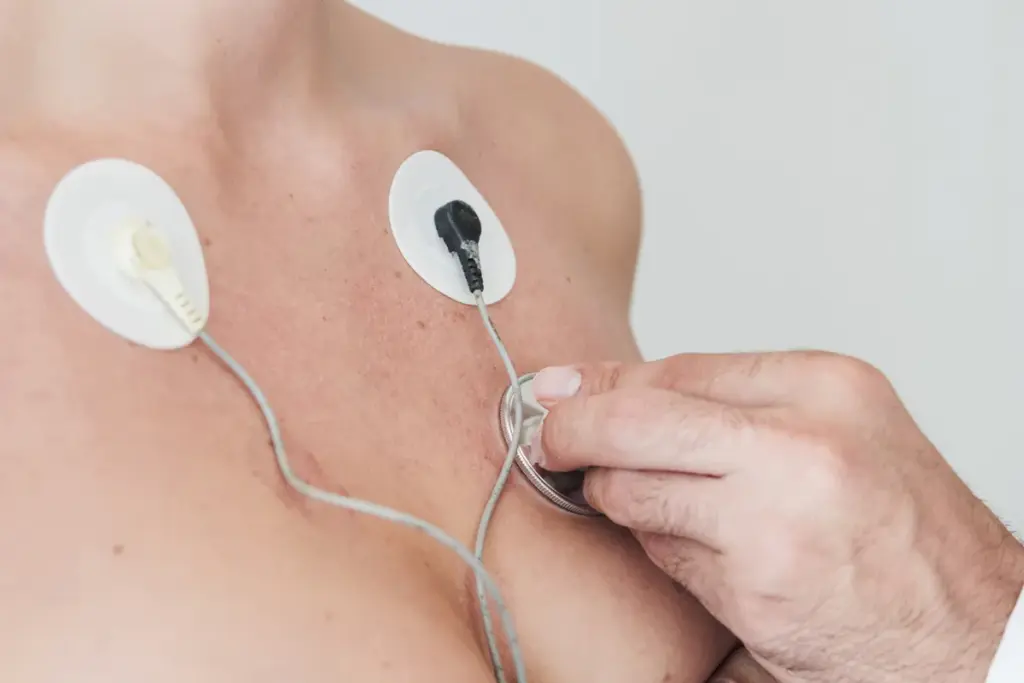
An echocardiogram, or “echo test,” uses ultrasound waves to show the heart’s images. Doctors can see the heart’s valves, chambers, and walls with it.
A trained technician or cardiologist does the test. They use a transducer to send and receive ultrasound waves. These waves reflect off the heart, showing images on a monitor.
Types of echocardiograms
There are different echocardiograms for various needs:
- Transthoracic Echocardiogram (TTE): The most common, where the transducer is on the chest.
- Transesophageal Echocardiogram (TEE): A special transducer is inserted into the esophagus for a closer look at the heart.
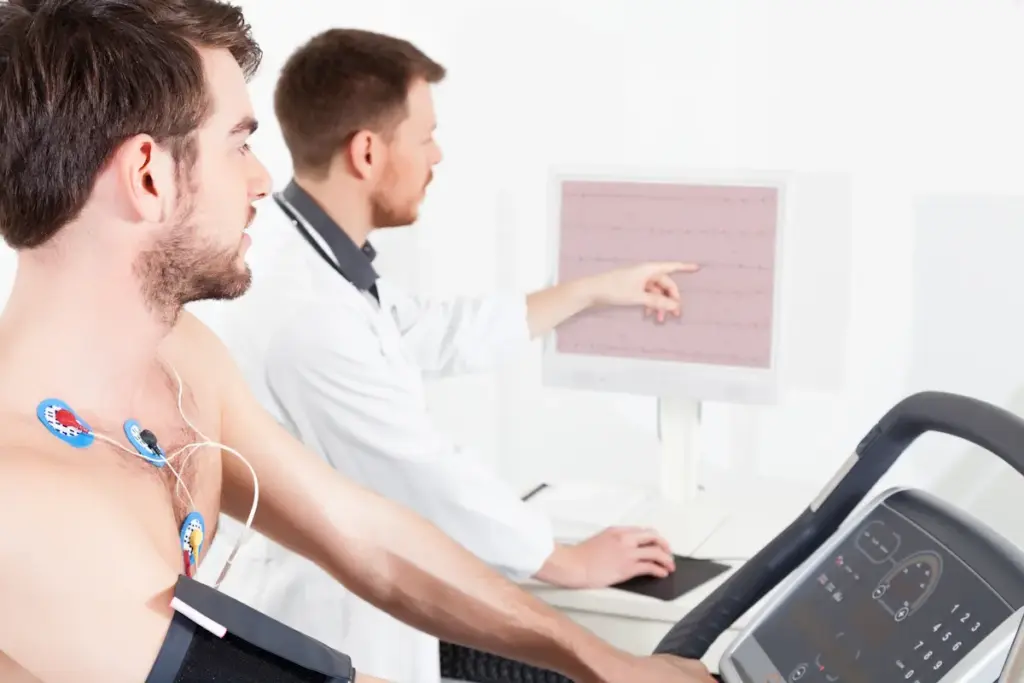
- Stress Echocardiogram: Done before and after stressing the heart, usually through exercise or medicine.
How echocardiograms work

Echocardiograms use ultrasound technology. High-frequency sound waves are sent by the transducer. These waves go through the chest and hit the heart, then come back as echoes.
The machine turns these echoes into real-time images of the heart. This lets doctors check the heart’s function and structure.
Indications for an Echocardiogram
Healthcare providers use echocardiograms to understand a patient’s heart health better. This non-invasive test uses sound waves to create heart images. Doctors can then check the heart’s structure and function.
Assessing Heart Function
Doctors often order echocardiograms to assess heart function. This test shows how well the heart pumps blood and checks for valve or chamber problems. It helps spot issues like reduced ejection fraction or valve dysfunction early.
During the test, we see the heart moving in real-time. This lets us check its performance. Knowing this helps us choose the best treatment for heart conditions.
Diagnosing Heart Conditions
Echocardiograms help diagnose heart conditions like valve problems, heart failure, and cardiomyopathy. They let us see the heart’s structure and function. This helps us find what’s causing symptoms.
- Valve problems, such as stenosis or regurgitation
- Heart failure, where the heart is not pumping efficiently
- Cardiomyopathy, a disease of the heart muscle
Spotting these conditions early means we can start treatment sooner. This can lead to better outcomes for patients.
Monitoring Existing Heart Disease
For those with heart disease, echocardiograms help monitor the disease’s progression and treatment success. Regular tests let us see how heart function changes. This helps us adjust treatment plans as needed.
By keeping a close eye on heart disease, we can act fast if it gets worse. This can prevent serious problems and improve patients’ lives.
Symptoms That May Lead to an Echocardiogram
Symptoms like chest pain and shortness of breath can lead to an echocardiogram. These signs often point to heart problems that need to be checked.
Chest Pain and Discomfort
Chest pain is a serious symptom. It can feel sharp, dull, or just uncomfortable in the chest. Doctors take it seriously because it can mean different heart issues, like coronary artery disease or pericarditis.
The pain’s feel can change. For example, pain from coronary artery disease gets worse when you move and better when you rest. But pericarditis pain is sharp and gets better when you sit up and lean forward.
- Sharp or dull chest pain
- Pain that radiates to the arms, back, or jaw
- Discomfort that worsens with exertion
Shortness of Breath
Shortness of breath, or dyspnea, can also lead to an echocardiogram. It happens when the heart doesn’t pump well, causing fluid in the lungs. We look at how bad the shortness of breath is and what triggers it.
Shortness of breath that happens when you’re not moving or with little effort might mean serious heart problems. Doctors will look into why it’s happening, which could be heart valve issues or heart failure.
- Shortness of breath during physical activity
- Difficulty breathing at rest
- Waking up with shortness of breath
Abnormal Heart Rhythms
Abnormal heart rhythms, or arrhythmias, can also be checked with an echocardiogram. These can feel like palpitations, skipped beats, or a racing heart. Echocardiograms help see if the heart’s structure and function are okay, helping find arrhythmia causes.
Some arrhythmias are harmless, but others can mean serious heart disease. Doctors will look at the type and how bad the arrhythmia is to decide what to do next.
- Palpitations or irregular heartbeats
- Skipped beats or extra beats
- A rapid or slow heart rate
The Role of Echocardiograms in Preventative Care
Echocardiograms are a vital tool in preventative care. They help check heart health and spot problems early. This early detection can greatly improve treatment results.
Screening for Heart Diseases
Echocardiograms play a big role in finding heart diseases. They help find issues like coronary artery disease and heart valve problems. Early detection through echocardiography lets doctors start treatment early, which can stop heart disease from getting worse.
We suggest getting an echocardiogram if you have a family history of heart disease. It’s also good for those with risk factors like high blood pressure or diabetes. And for anyone showing signs of heart disease.
Evaluating Risk Factors
Heart disease risk factors include age, family history, smoking, high blood pressure, and high cholesterol. Echocardiograms help in evaluating these risk factors by showing detailed images of the heart.
- Assessing left ventricular function
- Identifying valve abnormalities
- Detecting possible congenital heart defects
Importance of Early Detection
Finding heart disease early is key for good management and treatment. Through regular echocardiograms, people at risk can be watched closely. This allows for quick action if any problems show up.
|
Benefits of Early Detection |
Description |
|---|---|
|
Improved Treatment Outcomes |
Early action can make treatment much more effective. |
|
Reduced Healthcare Costs |
Stopping disease from getting worse can save money on healthcare. |
|
Enhanced Quality of Life |
Managing heart disease early can greatly improve a patient’s life. |
Different Types of Echocardiograms Explained
There are many types of echocardiograms, each looking at the heart in its own way. We use them to learn about the heart’s function and shape. This helps us find and treat heart problems well.
Transthoracic Echocardiogram (TTE)
A Transthoracic Echocardiogram (TTE) is the most common. It uses a probe on the chest to see the heart. This test is easy, painless, and gives us important info about the heart.
- Checks how well heart valves work
- Looks at heart chamber size and function
- Shows how blood flows through the heart
TTE is often the first test for many heart issues because it’s simple and works well.
Transesophageal Echocardiogram (TEE)
A Transesophageal Echocardiogram (TEE) uses a probe through the esophagus for detailed heart images. It’s great for looking at the heart’s back parts.
TEE is used when we need clearer images, like for some heart valve problems or blood clots in the left atrium.
“TEE gives a closer look at the heart’s shape, which is key before heart surgery.” –
A cardiologist’s perspective
Stress Echocardiogram
A Stress Echocardiogram is done at rest and under stress (like exercise or medicine). It checks how the heart works when it’s under more pressure.
It’s good for:
- Finding coronary artery disease
- Seeing if treatments for heart issues work
- Checking heart function in people with heart disease
By comparing rest and stress images, doctors can spot heart areas that might not get enough blood.
Each echocardiogram type has its own use and benefits. The choice depends on the patient’s situation and what doctors need to know.
Preparing for an Echocardiogram
Getting ready for your echocardiogram? Knowing what to do beforehand can ease your worries. We’re here to help you feel informed and at ease.
Pre-test Guidelines
Before your test, there are a few things to keep in mind. For a transthoracic echocardiogram (TTE), you don’t need to fast or change clothes. But, make sure to:
- Wear comfy clothes that let you move easily.
- Avoid big meals before the test.
- Tell your doctor about any meds you’re on.
- Inform them about any health issues, like a pacemaker.
What to Expect During the Procedure
During the echocardiogram, you’ll lie on a table. Here’s what happens next:
- A technician will put gel on your chest for better sound waves.
- They’ll use a probe to take pictures of your heart.
- You might need to move or hold your breath for clearer images.
The test is safe and won’t hurt. You should feel no pain.
Duration of the Echocardiogram
The time it takes for an echocardiogram varies. A standard TTE usually lasts 30 to 60 minutes.
|
Type of Echocardiogram |
Typical Duration |
|---|---|
|
Transthoracic Echocardiogram (TTE) |
30-60 minutes |
|
Transesophageal Echocardiogram (TEE) |
60-90 minutes (including preparation) |
|
Stress Echocardiogram |
60-90 minutes |
Knowing what to expect can make a big difference. If you have questions, talk to your doctor.
Understanding Echocardiogram Results
Getting your echocardiogram results can be a big moment. It gives you a clear view of your heart’s health. It might feel overwhelming to understand these results, but it’s a key step. It helps you know your heart’s condition and what to do next.
Reading Your Echocardiogram Report
Your echocardiogram report is a detailed document. It shows what your echocardiogram found about your heart. It talks about your heart’s size, shape, and how it moves. It’s very important to talk about this report with your doctor to understand what it means.
Your report will likely talk about:
- The size and thickness of your heart’s chambers
- The working of your heart valves
- How well your heart pumps
- Any problems, like leaks or narrow valves
Common Findings Explained
Echocardiogram results can tell you a lot about your heart. You might see things like:
|
Finding |
Description |
Implication |
|---|---|---|
|
Normal Heart Function |
Your heart is pumping well, and everything looks normal. |
Usually, you don’t need to do anything right away, but you might need to keep an eye on it. |
|
Valve Regurgitation |
One or more of your heart valves are leaking, letting blood go backward. |
You might need to watch it closely or get treatment, depending on how bad it is. |
|
Left Ventricular Hypertrophy |
The muscle wall of your left ventricle is thicker than it should be. |
This could mean you have high blood pressure or another heart issue that needs attention. |
Implications of Results on Heart Health
The results of your echocardiogram can really affect your heart health. Your doctor might suggest more tests, treatment, or changes in your lifestyle. Knowing your results helps you make smart choices about your care.
If your echocardiogram shows heart valve disease, your doctor might talk about surgery or medicine. If everything looks good, they might tell you how to keep your heart healthy.
We’re here to help you understand your echocardiogram results and what they mean for your heart. By working with your healthcare team, you can take steps to keep your heart healthy.
The Role of a Cardiologist in Echocardiograms
Cardiologists are experts in understanding heart function. They play a key role in analyzing echocardiogram results. This helps them provide insights into heart health and guide treatment.
When to Consult a Cardiologist
If you have symptoms like chest pain or shortness of breath, see a cardiologist. They can check your condition and suggest an echocardiogram if needed.
Interpreting Echocardiogram Results
Cardiologists are skilled in reading echocardiogram data. They look at images to spot any heart issues.
They check:
- Ejection fraction
- Valve function
- Any abnormalities like tumors or clots
Ongoing Care Based on Echocardiogram Findings
After reviewing the results, cardiologists create a care plan. This might include medication, lifestyle changes, or more tests.
The aim is to manage heart health well and avoid future problems.
|
Echocardiogram Finding |
Possible Implication |
Ongoing Care |
|---|---|---|
|
Reduced Ejection Fraction |
Heart failure or cardiomyopathy |
Medication, lifestyle changes |
|
Valve Dysfunction |
Need for valve repair or replacement |
Surgical consultation, monitoring |
|
Presence of Clots |
Risk of stroke or embolism |
Anticoagulation therapy |
Knowing how cardiologists interpret echocardiograms and manage care helps patients value their role in heart health.
Risks Associated with Echocardiograms
Echocardiograms are generally safe, but knowing their risks is key. They are non-invasive and have a low risk profile. Yet, like any medical test, they carry some risk.
Safety Profile
Echocardiograms are seen as safe. They don’t use radiation, making them safe for pregnant women and kids. The test is painless and doesn’t need to insert anything into the body, except for a probe on the chest or down the esophagus for TEE.
Key aspects of echocardiogram safety include:
- No radiation exposure
- Non-invasive nature (except for TEE)
- Painless procedure
Potential Complications
Though rare, some complications can happen, mainly with certain echocardiograms. For example, TEE might cause:
- Discomfort during the procedure
- Rarely, esophageal injury or bleeding
Stress echocardiograms might face risks from the stress test, not the echocardiogram. These can include:
- Abnormal heart rhythms
- Chest pain or angina
- Rarely, heart attack or other serious cardiac events
An expert says, “The benefits of echocardiography far outweigh the risks for most patients, but it’s vital to know the possible complications for informed consent.”
“Echocardiography is a cornerstone of cardiac diagnosis, giving insights into heart function and structure without significant risk to the patient.”
Comparing Risks to Benefits
It’s important to weigh the risks of echocardiograms against their benefits. They provide vital information about heart health, helping diagnose conditions early and accurately. This can lead to timely interventions, potentially saving lives and improving outcomes.
The benefits of echocardiograms include:
- Accurate diagnosis of heart conditions
- Monitoring of existing heart disease
- Guidance for treatment plans
- Non-invasive and relatively low-cost
In conclusion, while echocardiograms are not completely risk-free, their safety profile and benefits make them a valuable tool in cardiology. Understanding both risks and benefits helps patients and healthcare providers make informed decisions.
Advances in Echocardiogram Technology
Echocardiography is evolving fast, thanks to new tech that boosts accuracy and helps patients. These changes are transforming how we diagnose and treat heart issues.
Innovations in Imaging Techniques
New imaging methods are changing echocardiography. Three-dimensional (3D) echocardiography offers a clearer view of the heart. It helps doctors see complex heart structures better.
Contrast echocardiography also makes heart images clearer. It’s great for patients with hard-to-see heart areas, making diagnoses more accurate.
Effects of Technology on Diagnostic Accuracy
New tech has made echocardiography more accurate. Artificial intelligence (AI) and machine learning help spot heart problems that might be missed. This leads to better care for patients.
Also, strain imaging can catch heart issues early. This means doctors can act quickly, improving patient results.
Future Trends in Echocardiography
Future developments in echocardiography look promising. We’ll see more portable and handheld echocardiography devices. These will make getting heart scans easier, even in far-off places.
There’s also a rise in using telemedicine with echocardiography. This will let doctors consult remotely, making specialist care more accessible. These changes will make echocardiograms even more useful in healthcare.
Cost and Accessibility of Echocardiograms
Patients often think about the cost of an echocardiogram and if their insurance covers it. The cost and insurance coverage are big concerns for many.
Average Costs in the US
The cost of an echocardiogram in the US varies a lot. It depends on where you are, the facility, and your insurance. A transthoracic echocardiogram (TTE) usually costs between $800 and $1,600. A transesophageal echocardiogram (TEE) can be more, from $1,000 to $3,000.
Here’s a simple table to show the average costs for different echocardiograms:
|
Type of Echocardiogram |
Range | |
|---|---|---|
|
Transthoracic Echocardiogram (TTE) |
$800 – $1,600 | |
|
Transesophageal Echocardiogram (TEE) |
$1,000 – $3,000 | |
|
Stress Echocardiogram |
$1,000 – $2,500 |
Insurance Coverage for Echocardiograms
Most insurance plans cover echocardiograms when they’re needed. But, how much they cover can change. It depends on your insurance and plan. Always check with your insurance to know what you’ll pay.
Key factors that influence insurance coverage include:
- The type of echocardiogram performed
- The medical necessity of the procedure as determined by a healthcare provider
- The patient’s insurance plan and provider
Availability of Echocardiography Services
Echocardiography services are easy to find in hospitals, clinics, and centers across the US. Where you live can affect how many options you have. Cities usually have more choices than rural areas.
Patients seeking echocardiography services can consider the following:
- Hospitals and medical centers with cardiology departments
- Specialized diagnostic imaging centers
- Private cardiology practices
Knowing about costs, insurance, and where to get echocardiograms helps patients plan better.
Conclusion: The Importance of Echocardiograms
Echocardiograms are key in checking and managing heart health. They are non-invasive tests that give insights into the heart’s function. This helps doctors spot problems early.
Key Takeaways
Echocardiograms are important for checking heart function and finding heart issues. They help doctors understand heart conditions and monitor heart disease. Knowing about different echocardiograms helps patients see their value in heart health.
Proactive Heart Health
Regular echocardiograms can find heart problems before symptoms show. This early detection allows for quick treatment. It’s a key step in keeping the heart healthy and preventing serious issues.
The Role of Echocardiograms in Healthcare
Echocardiograms play a big role in healthcare. They give important info for treatment plans and ongoing care. As technology improves, echocardiograms will become even more vital for quality patient care.
FAQ
What is an echocardiogram?
An echocardiogram is a test that uses sound waves to see the heart. It helps doctors check how well the heart works.
Why would a doctor order an echocardiogram?
Doctors use echocardiograms to check the heart’s health. They look for heart problems and track disease progress. This helps them care for patients better.
What are the different types of echocardiograms?
There are several types, like the transthoracic echocardiogram (TTE) and the transesophageal echocardiogram (TEE). Each has its own use and way of being done.
How long does an echocardiogram take?
An echocardiogram usually takes 30-60 minutes. This time can vary.
What can an echocardiogram show?
It shows the heart’s size, shape, and how it works. It can also find problems like valve issues or heart murmurs.
Is an echocardiogram safe?
Yes, it’s safe. It uses sound waves and doesn’t use harmful radiation or procedures.
How do I prepare for an echocardiogram?
You might need to not eat or drink for a few hours before. Also, remove any jewelry or clothes that could get in the way.
What are the risks associated with echocardiograms?
While safe, there are risks. These include discomfort during some tests and rare allergic reactions to contrast agents.
How much does an echocardiogram cost?
Costs vary by location, insurance, and type of test. In the US, it can cost between $200 and $1,000 or more.
Will my insurance cover the cost of an echocardiogram?
Many plans cover echocardiograms. But, check with your provider to see what’s covered and what you might pay out of pocket.
What is the difference between an echocardiogram and an electrocardiogram (ECG or EKG)?
An echocardiogram shows the heart’s structure and function. An electrocardiogram (ECG or EKG) measures the heart’s electrical activity. They provide different but useful information about heart health.
Can an echocardiogram detect heart disease?
Yes, it can find heart conditions like coronary artery disease and heart valve problems. This allows for early treatment.
How often should I have an echocardiogram?
How often depends on your health and risk factors. Talk to your doctor to decide the best schedule for you.
References
National Center for Biotechnology Information. Evidence-Based Medical Insight. Retrieved from https://pubmed.ncbi.nlm.nih.gov/25559473/