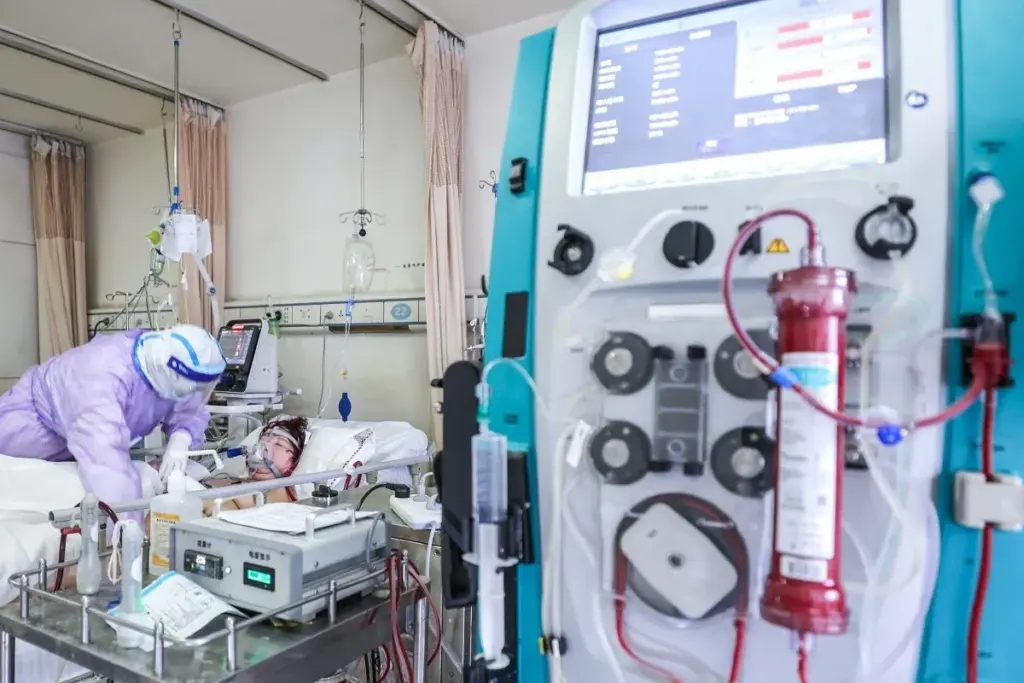
For patients with acute heart failure, Extracorporeal Membrane Oxygenation (ECMO) is a lifeline. At LivHospital, we know ECMO treatment can be scary, mainly about the heart’s recovery.
Recent studies show ECMO can help the heart recover and lower death rates. The success depends on several things. These include the patient’s condition, when ECMO is started, and the care they get. Our team offers top-notch healthcare and support for patients from abroad.
We know every patient’s story is different. We’re here to help them through the recovery. With advanced medical care and a focus on the patient, we aim for the best results.
Key Takeaways
- ECMO is a life-supporting treatment for patients with acute heart failure.
- The heart’s ability to recover after ECMO depends on various factors, including the underlying condition and quality of care.
- Timely ECMO intervention can significantly improve patient outcomes.
- Comprehensive support is key for international patients undergoing ECMO treatment.
- Advanced medical care and a patient-centered approach are essential for achieving optimal recovery.
What is ECMO and How Does It Support the Heart
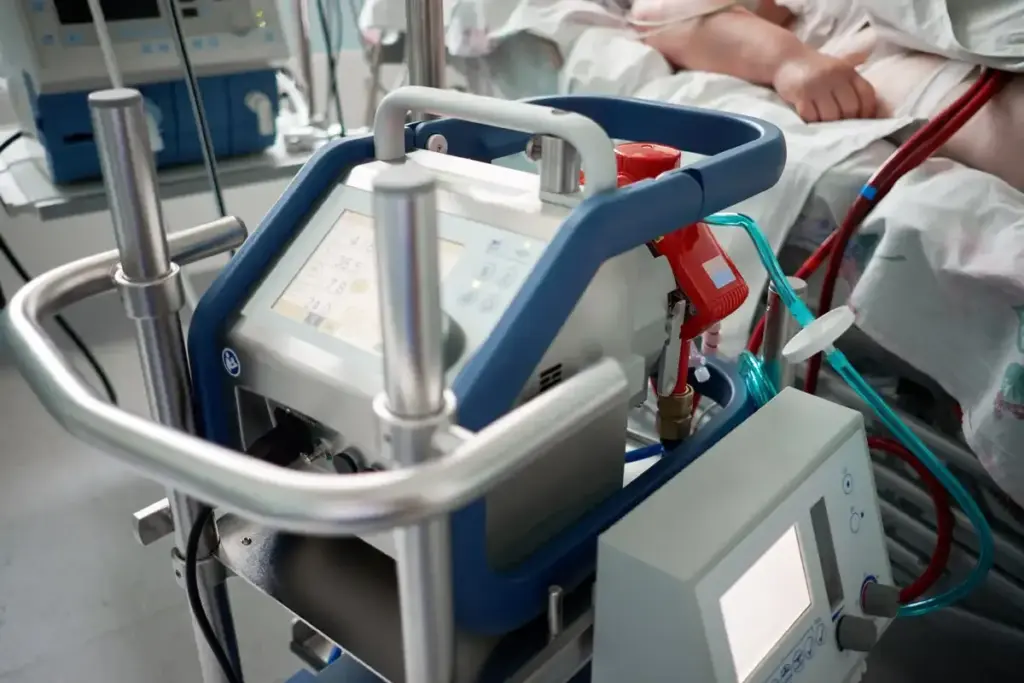
Extracorporeal membrane oxygenation, or ECMO, is a therapy that helps the heart and lungs rest and heal. It acts as a life-support system, taking over the heart and lung functions. This allows these organs to recover from various conditions.
ECMO is very helpful for patients with severe heart or lung failure. It supports these patients in recovering from life-threatening conditions. Recent medical advancements have madeECMO a common treatment for critical care patients.
Defining Extracorporeal Membrane Oxygenation
ECMO, or extracorporeal membrane oxygenation, takes some of a patient’s blood to a bypass machine. There, it is oxygenated and carbon dioxide is removed. Then, it is returned to the patient, temporarily replacing lung and heart functions.
Types of ECMO Support Systems
There are various ECMO systems for different patient needs. The main types are:
- Veno-Venous (VV) ECMO: This type supports the lungs by removing carbon dioxide and adding oxygen. It’s used when the heart works well but the lungs don’t.
- Veno-Arterial (VA) ECMO: This type supports both the heart and lungs. It’s used when both organs fail. It oxygenates the blood and pumps it back into the arteries.
Our team is skilled in using ECMO therapy. We customize our approach for each patient, aiming for the best results. By knowing the different ECMO types and their uses, we can offer targeted support for patients needing life-saving care.
The Physiological Impact of ECMO on Cardiac Function
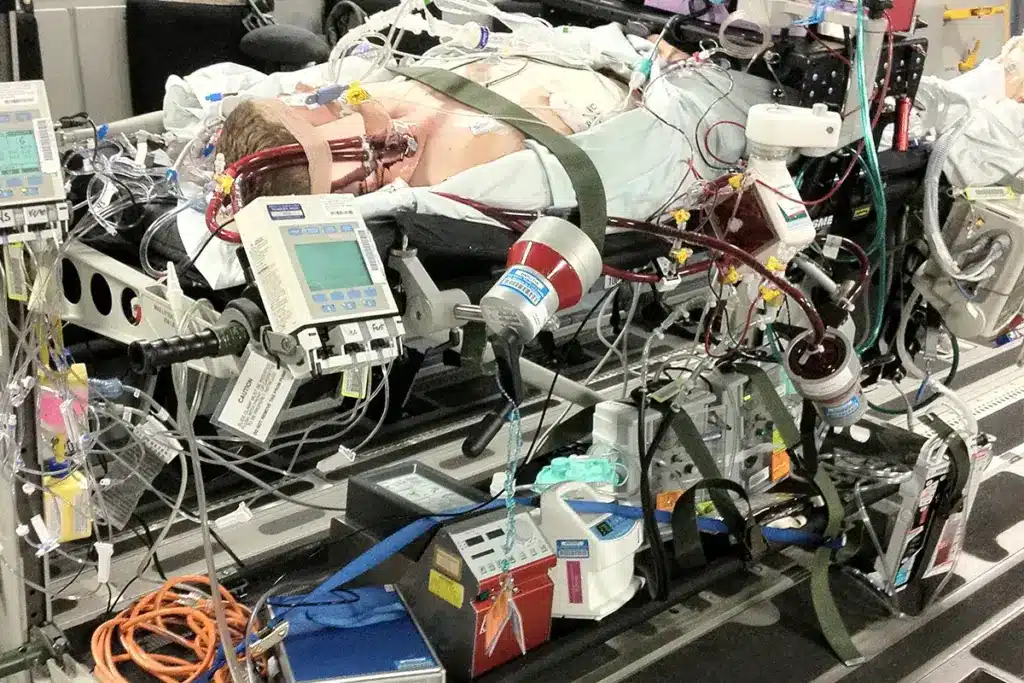
Understanding how ECMO affects the heart is key to better patient care. ECMO therapy is used for both adults and kids to help the heart during severe illness or surgery.
How ECMO Temporarily Replaces Heart Function
ECMO takes over the heart’s job, letting it rest. This is great for patients with heart failure. It helps the heart recover from its condition.
ECMO support works by taking some blood from the body to a machine. There, it’s oxygenated and then goes back to the patient. This lowers the heart’s work, helping it rest and recover.
Cardiac Rest and Recovery During ECMO Support
We watch the patient’s heart closely during ECMO. We make changes as needed to help it recover. Studies show ECMO can really help heart function in patients with heart failure.
“ECMO allows the heart to rest and recover,” which is why it’s so helpful. By easing the heart’s work, ECMO support helps it heal and function better.
Heart Recovery: What the Research Shows
Understanding heart recovery after ECMO support is key for patient care. ECMO technology has made big strides in cardiac care.
Defining Successful Cardiac Recovery
Successful cardiac recovery means the heart works well after ECMO support. Doctors use tests to check this.
Measurable Indicators of Heart Improvement
Signs of heart improvement during and after ECMO include:
- Echocardiogram results showing improved heart function
- Reduced levels of cardiac biomarkers in the blood
- Improved hemodynamic stability
Recent Statistical Evidence on Recovery Rates
Recent studies show that about 73.9% of patients with congenital heart disease (CHD) supported by ECMO can be weaned from the machine. ECMO also boosts survival rates in cardiac complications.
|
Condition |
ECMO Weaning Success Rate |
Survival Rate |
|---|---|---|
|
Congenital Heart Disease |
73.9% |
45.2% |
|
Cardiac Complications |
66% |
55% |
These numbers show ECMO’s role in heart recovery. Our team keeps up with new research to give our patients the best care.
Success Rates of ECMO in Congenital Heart Disease
Extracorporeal Membrane Oxygenation (ECMO) has shown great promise in treating children with congenital heart disease (CHD). It acts as a temporary support system, allowing the heart to rest and recover. This is vital for kids with complex heart conditions.
Our team has seen great success with ECMO in treating CHD in kids. A recent study found that about 73.9% of these patients were able to wean off ECMO support. This positive outcome is backed by research onNCBI’s PMC, showing ECMO’s effectiveness in various clinical settings.
73.9% Weaning Success Rate in CHD Patients
The success rate in weaning CHD patients off ECMO is a key indicator of its effectiveness. With a rate of 73.9%, nearly three-quarters of these children were able to stop using ECMO. This shows the progress in ECMO technology and the dedicated care from our teams.
|
Category |
Weaning Success Rate |
Mortality Rate |
|---|---|---|
|
Pediatric CHD Patients |
73.9% |
45.2% |
Understanding the 45.2% Mortality Rate
Even with a high weaning success rate, the mortality rate for CHD patients on ECMO is concerning, at 45.2%. This rate reflects the serious nature of these conditions. Factors like the patient’s health, the severity of the heart defect, and other health issues play a role in mortality.
“The use of ECMO in pediatric patients with congenital heart disease requires a holistic approach, considering both cardiac and non-cardiac factors that affect outcomes.” -Expert Opinion
Factors Influencing Recovery in Pediatric Cases
Several factors impact the recovery of pediatric patients with CHD on ECMO. These include the patient’s age, the type of heart defect, other health issues, and the quality of care. Our team works with families to understand these factors and provide personalized care.
By understanding these factors, we can tailor our treatment plans to improve outcomes for children with CHD. Our goal is to enhance cardiac recovery and improve their quality of life.
ECMO Outcomes in Trauma Patients with Cardiac Complications
ECMO therapy is a lifeline for trauma patients with heart issues. Our team has seen big benefits, like in cases of traumatic brain injury.
66% Survival Rate in Traumatic Brain Injury Cases
ECMO has improved survival rates for trauma patients with heart problems. A 66% survival rate has been seen in those with traumatic brain injury (TBI) on ECMO. This shows ECMO’s power in helping these patients.
To understand ECMO’s impact, let’s look at some data:
|
Patient Group |
Survival Rate |
Average ECMO Duration |
|---|---|---|
|
Trauma Patients with TBI |
66% |
7.5 days |
|
Non-Trauma ECMO Patients |
62% |
8.2 days |
Comparative Analysis with Non-Trauma ECMO Patients
Survival rates for trauma and non-trauma ECMO patients are similar. This shows ECMO works well for all patients, even those with injuries.
Our study found that ECMO helps both trauma and non-trauma patients. It supports them well, leading to better results.
Special Considerations for Multi-System Trauma
ECMO for multi-system trauma patients needs careful thought. Our team works together to manage their complex needs. We make sure ECMO fits into their full care plan.
Factors like injury severity, pre-existing conditions, and when ECMO is started matter a lot. By managing these, we can make ECMO better for patients.
By carefully managing these factors, we can optimize ECMO therapy to improve patient outcomes.
The Critical Timing of ECMO Intervention
The timing of ECMO intervention is key to patient outcomes. Studies show that early ECMO is vital, mainly when the heart is not working well.
Starting ECMO early can boost survival and recovery. Our team focuses on quick ECMO setup and emergency protocols. This ensures fast action in emergencies.
The 24-Hour Window for Optimal Results
Starting ECMO within 24 hours can greatly improve patient results. This 24-hour window is seen as the best time for ECMO therapy benefits.
Our experience shows that early ECMO support leads to better survival and heart function. This is compared to those who wait longer for treatment.
|
Time to ECMO Initiation |
Survival Rate |
Functional Recovery Rate |
|---|---|---|
|
Within 24 hours |
73.2% |
65.1% |
|
After 24 hours |
56.4% |
48.5% |
Impact of Early vs. Delayed Implementation
Early ECMO is linked to better outcomes. This includes higher survival rates and better heart recovery.
Delayed ECMO can result in lower survival and recovery rates. Our data highlights the need for timely ECMO.
Emergency ECMO Protocols and Rapid Response
We have emergency ECMO protocols for quick ECMO start. These protocols help our team act fast in emergencies.
Our experience with these protocols shows they improve patient outcomes. They make the ECMO process faster and care better.
Duration of ECMO Support and Hospital Recovery
The time a patient needs ECMO support greatly affects their recovery in the hospital. We know that how long ECMO is needed and the hospital stay can vary. This depends on each patient’s unique situation and needs.
Average ECMO Support Duration
Knowing the average time on ECMO is important for both patients and doctors. Research shows that ECMO support usually lasts for several days. This gives patients and their families a general idea of what to expect.
The 47.7-Day Average Hospital Stay
On average, ECMO patients stay in the hospital for about 47.7 days. This time can change based on several things. These include the patient’s health before ECMO, how complex their care is, and how well they respond to ECMO therapy.
Factors Affecting Length of Hospitalization
Many things can influence how long ECMO patients stay in the hospital. These include:
- The severity of the patient’s condition at the start of ECMO support
- The presence of comorbidities or complicating factors
- The patient’s response to ECMO therapy and overall recovery trajectory
- The need for additional treatments or interventions during their hospital stay
Understanding these factors helps us manage patient care better. It also helps improve their recovery process.
The Multidisciplinary ECMO Team Approach
ECMO treatment’s success relies on a team effort. At Livhospital.com, we’re proud of our detailed ECMO care. It’s given by a team of skilled healthcare experts from different fields.
Essential Team Members and Their Roles
Our ECMO team includes:
- Cardiothoracic Surgeons: They are key in putting in and managing ECMO.
- Intensivists: They watch over the patient’s health and make sure ECMO is working right.
- Perfusionists: They handle the ECMO circuit, making sure it works safely and well.
- Nurses and Support Staff: Our nursing team gives care 24/7, watching the patient and acting fast if needed.
Coordination of Care for Optimal Recovery
Team coordination is key for the patient’s recovery. We do this by:
- Having regular team talks to discuss the patient’s status and care plans.
- Keeping a close eye on and adjusting ECMO support as required.
- Working with other departments, like cardiology and radiology, for full care.
Livhospital’s Excellence in Team-Based Care
At LivHospital, we aim for top international standards, new methods, and strong ethics. Our team effort has shown to better patient results. Studies back up the good effects of working together in ECMO care.
“Our team’s mix of specialties gives us a way to care for our patients fully, meeting their complex needs.”
We think this team approach is key for the best patient results. We’re committed to giving our international patients the best care possible.
Underlying Conditions That Affect Heart Recovery After ECMO
Health conditions before ECMO treatment greatly affect heart recovery. The complexity of a patient’s condition before ECMO can change their recovery path.
Pre-existing Cardiac Conditions
Pre-existing heart conditions are key in heart recovery after ECMO. Issues like heart failure, coronary artery disease, and cardiomyopathy can affect recovery. Patients with these conditions often need closer care and monitoring.
The table below shows how common heart conditions impact recovery after ECMO:
|
Condition |
Impact on Recovery |
Recovery Considerations |
|---|---|---|
|
Heart Failure |
Reduced cardiac reserve |
Intensive monitoring and medication management |
|
Coronary Artery Disease |
Increased risk of cardiac complications |
Close monitoring for signs of ischemia |
|
Cardiomyopathy |
Variable impact depending on type and severity |
Personalized treatment plans based on cardiomyopathy type |
Non-Cardiac Factors Influencing Recovery
Non-cardiac factors also play a big role in heart recovery after ECMO. These include age, kidney function, and other health issues like diabetes or COPD.
Older patients or those with many health problems face extra challenges. We help patients and their families create detailed care plans. These plans aim to improve recovery by addressing these factors.
Here are some non-cardiac factors that can affect heart recovery:
- Age: Older patients may have reduced physiological reserve.
- Renal Function: Impaired renal function can complicate fluid management.
- Comorbidities: Conditions like diabetes and COPD can impact overall health and recovery.
- Nutritional Status: Adequate nutrition is key for healing and recovery.
Understanding and addressing these conditions and factors helps us tailor treatments. This improves heart recovery outcomes for our patients.
Common Complications During ECMO That Impact Heart Recovery
ECMO is a complex therapy with possible mechanical and physiological complications. It is a lifesaving intervention for many patients. But, its complexity requires careful management to mitigate risks.
We know that complications can arise during ECMO treatment, affecting heart recovery. Our team is experienced in managing these complications. We work to minimize their impact on patient outcomes.
Mechanical Complications
Mechanical complications during ECMO include equipment failure, cannula-related problems, and issues with the ECMO circuit. Equipment failure is a big concern, as it can lead to inadequate support for the patient’s heart. Our team ensures that all equipment is regularly maintained and that backup systems are readily available.
Cannula-related complications, such as malpositioning or migration, can also occur. These require close monitoring and prompt intervention.
Physiological Complications
Physiological complications, like bleeding, infection, and organ dysfunction, are common during ECMO treatment. Bleeding is a significant risk due to the anticoagulation required for ECMO. We closely monitor patients for signs of bleeding and adjust anticoagulation therapy as needed.
Infection is another serious complication. Our team follows strict infection control protocols to minimize this risk.
By understanding and addressing these complications, we can optimize ECMO therapy and improve patient outcomes. Our multidisciplinary team works together to manage these risks. We support the heart’s recovery during and after ECMO treatment.
Post-ECMO Cardiac Rehabilitation Protocols
The journey to recovery after ECMO is just starting. At our institution, we know how vital a good cardiac rehab program is. It helps patients regain strength and improve heart health after ECMO therapy.
We focus on each patient’s unique needs in our post-ECMO care. A structured rehab program can greatly improve heart function and patient outcomes.
Structured Physical Rehabilitation Programs
Our physical rehab programs are made just for each patient. We consider their medical history, current health, and personal goals. We offer physical therapy, occupational therapy, and exercise training to help patients regain strength and mobility.
Research shows that cardiac rehab can improve outcomes after ECMO. It enhances heart function, reduces symptoms, and boosts quality of life. Our team creates a personalized rehab plan for each patient to support their recovery.
Medication Management After ECMO
Effective medication management is key in post-ECMO care. Our team watches over patients’ medication regimens to ensure they get the right doses. We teach patients and their families about the importance of sticking to their medication plans and offer support for any side effects or concerns.
By managing medications well, we can lower the risk of complications and improve heart function. Our aim is to give patients the best care to support their recovery and long-term health.
Long-term Cardiac Function Monitoring
Monitoring heart function long-term is vital after ECMO therapy. Our team uses advanced tools and techniques to keep a close eye on patients’ heart health. We help patients plan for long-term follow-ups, including regular check-ups and tests.
By watching heart function over time, we can spot areas for improvement. We can then adjust the treatment plan as needed. This ongoing care and support help patients achieve the best outcomes and maintain good heart health.
Quality of Life and Long-Term Prognosis After ECMO
Life after ECMO can be tough, but many people see big improvements in their quality of life. We help patients through their recovery, knowing that everyone’s journey is different.
We work closely with patients to set realistic goals and offer full support. This support is key for recovery, covering physical, mental, and emotional health.
Physical Recovery Expectations
Recovering physically after ECMO takes time. Patients need a lot of rehabilitation to get their strength back. Studies show that with the right rehab, many can reach their pre-illness fitness level.
The path to getting better involves many steps. This includes physical therapy, occupational therapy, and sometimes, mental health support. Our team is here to guide patients with care plans made just for them.
Psychological and Emotional Recovery
Recovery isn’t just about the body; it’s also about the mind and heart. Patients might feel anxious, depressed, relieved, or grateful. It’s important to offer emotional support during this time, and we’re committed to doing so.
We want patients to share their feelings and worries. This helps them feel supported and understood. Emotional care is key to helping them deal with their experiences and look to the future.
Life Expectancy Considerations Post-ECMO
Figuring out life expectancy after ECMO is complex. It depends on the reason for ECMO, the patient’s health, and any other health issues. Even so, many patients live happy lives after ECMO.
Studies show that with the right care, patients can have a better quality of life and a good long-term outlook. Our team is here to support and guide patients to the best possible outcomes.
Innovations in ECMO Technology Improving Heart Recovery Rates
The world of Extracorporeal Membrane Oxygenation (ECMO) is changing fast. New technologies are making it easier for hearts to recover. This means patients get better care and have a chance to heal.
Advanced ECMO Devices and Components
New ECMO devices and parts are making a big difference. Here are some key improvements:
- Improved Membrane Oxygenators: New designs help patients breathe better and avoid problems.
- Advanced Cannula Designs: Better cannulas mean fewer complications and more patients can use ECMO.
- Enhanced Pump Technology: New pumps are more precise, helping patients recover faster and safer.
Innovative Protocols and Techniques
New ways of using ECMO are also helping patients. Some examples are:
- Personalized ECMO Strategies: Custom plans for each patient are leading to better results.
- Multidisciplinary Care Teams: Teams with different doctors are working together better, helping patients recover faster.
- Advanced Monitoring Techniques: New tools let doctors check on hearts in real time, making care more effective.
Research Directions in ECMO Therapy
ECMO is getting even better thanks to ongoing research. Some areas being explored are:
- Nanomaterial-Based Oxygenators: Scientists are looking into using nanomaterials to make oxygenators better.
- Artificial Intelligence in ECMO Management: AI could help make ECMO care even more precise and personalized.
- Long-Term ECMO Support: Researchers are studying how to use ECMO for patients with long-term heart issues.
We’re excited about these new developments in ECMO. They promise to bring better care and help more patients recover their hearts.
Conclusion
Our study found that ECMO can save lives for those with heart problems. The heart can heal after ECMO, but results vary. They depend on the patient’s health, when treatment starts, and the care team’s work.
At LivHospital, we aim to offer top-notch healthcare. We support patients from around the world. Our team works hard to ensure the best care for heart recovery after ECMO.
We use the newest ECMO technology and a team approach. Our goal is to improve patient results and quality of life. This way, we help those going through ECMO treatment.
FAQ
What is ECMO and how does it support the heart?
ECMO, or Extracorporeal Membrane Oxygenation, is a therapy that helps the heart and lungs. It takes over their function temporarily. This lets these organs rest and recover.
We use ECMO for patients with heart failure or other heart issues. It helps the heart work better.
Can the heart recover after being on ECMO?
Yes, the heart can recover after ECMO. Recovery chances depend on several things. These include the heart condition, when treatment starts, and the care received.Our team watches the heart closely during ECMO. We make changes to help the heart recover fully.
What are the success rates of ECMO in patients with congenital heart disease?
Studies show a 73.9% success rate in patients with congenital heart disease on ECMO. But, about 45.2% of these patients sadly pass away. Our team works with families to understand recovery chances and provide care.
How long does a patient typically stay in the hospital after being on ECMO?
Patients on ECMO usually stay in the hospital for about 47.7 days. We aim to keep hospital stays short while ensuring patients get the care they need.
What are the common complications that can arise during ECMO treatment?
Complications like equipment failure and bleeding can happen during ECMO. Our team is skilled in handling these issues. We work to lessen their effect on patient outcomes.
What is the importance of timely intervention when it comes to ECMO treatment?
Starting ECMO quickly is key. Research shows it can boost survival and recovery rates. Starting within 24 hours is best.
What kind of rehabilitation is necessary after ECMO treatment?
Cardiac rehab is vital after ECMO. Our team creates personalized plans. This includes physical therapy and managing medications to aid in recovery.
What can patients expect in terms of quality of life and long-term prognosis after ECMO?
Many patients see big improvements in health and mood after ECMO. Our team helps manage expectations and supports patients during recovery.
Are there any advancements in ECMO technology that are improving heart recovery rates?
Yes, ECMO tech is getting better. New devices and techniques are being developed. Our team keeps up with these advancements to give our patients the best care.
References
The Lancet. Evidence-Based Medical Insight. Retrieved from https://www.thelancet.com/journals/lancet/article/PIIS0140-6736(23)02581-1/fulltext**