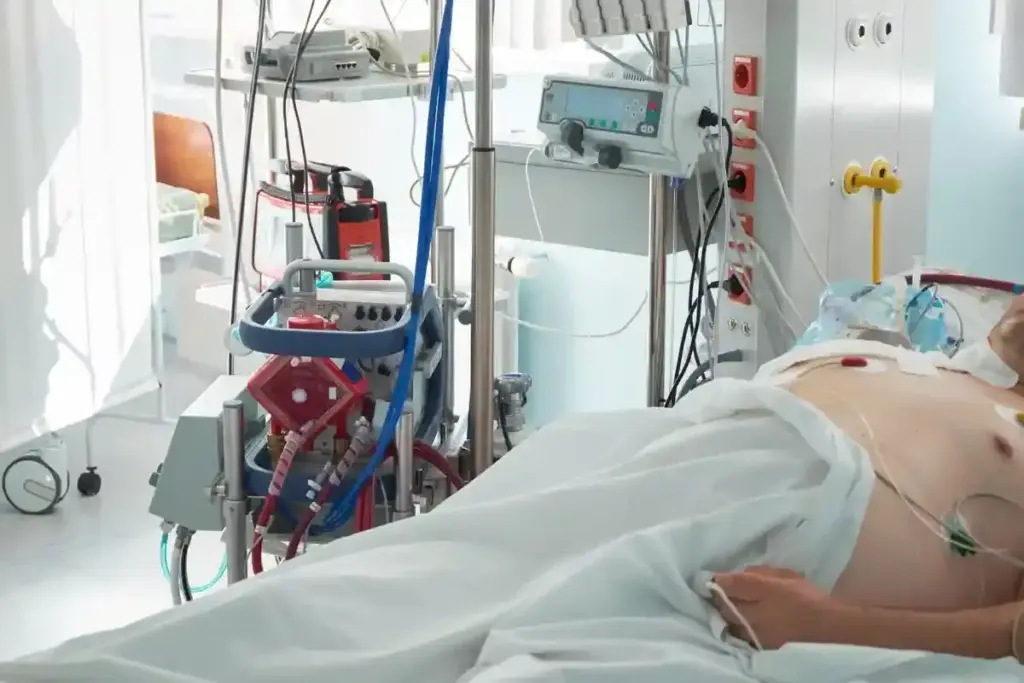
When patients are on Extracorporeal Membrane Oxygenation (ECMO), a technology that helps their lungs, many wonder if they can breathe on their own.
ECMO is used when lungs can’t oxygenate blood well. But what happens to normal breathing during this time?
Studies show that more than 60% of ECMO patients can breathe normally again once their lungs heal. This means they usually don’t breathe by themselves while on ECMO. The machine helps their lungs work.
Key Takeaways
- ECMO is a life-saving technology for patients with severe respiratory failure.
- Patients on ECMO typically do not breathe independently.
- The ECMO machine temporarily takes over lung function.
- Over 60% of patients can be weaned off ECMO once their lungs recover.
- ECMO support allows lungs to rest and recover.
The Fundamentals of ECMO Technology
ECMO, or extracorporeal membrane oxygenation, is a complex medical technology. It provides life-support for patients with failing organs. This therapy is used when a patient’s heart or lungs are not functioning properly.
What is Extracorporeal Membrane Oxygenation?
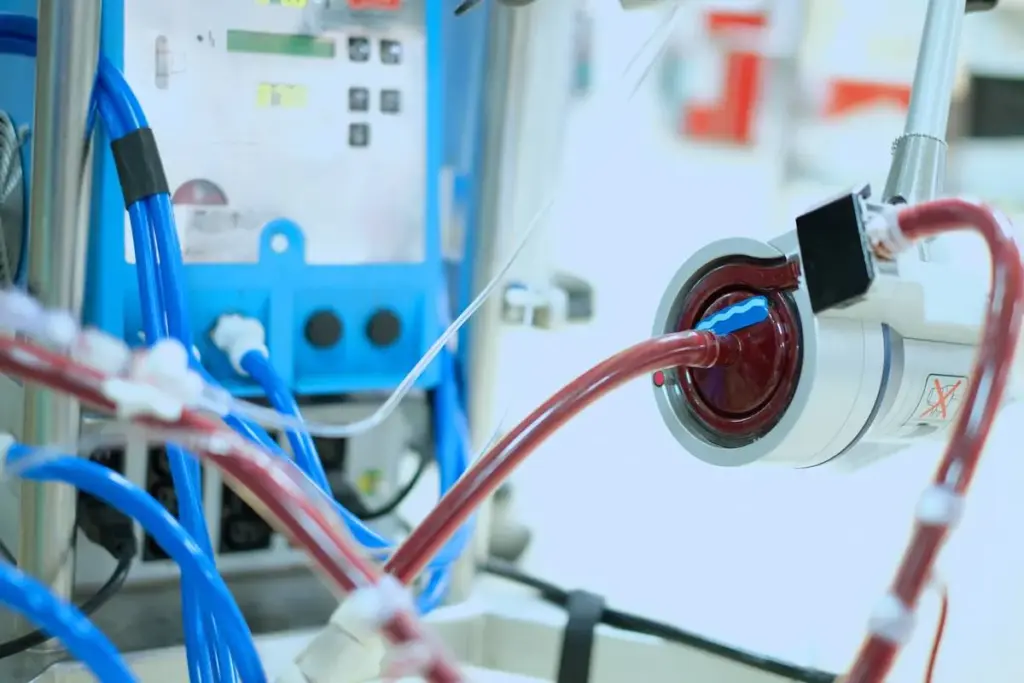
Extracorporeal membrane oxygenation (ECMO) is a life-support therapy. It involves diverting some of a patient’s blood to a bypass machine. This machine, called an ECMO machine, oxygenates and clears the blood of carbon dioxide before returning it to the patient.
This process allows the lungs to rest and recover. It gives them time to heal from injury or infection.
Historical Development of ECMO Therapy
The development of ECMO dates back several decades. There have been significant advancements in technology. These improvements have made ECMO more effective and safer over time.
Initially used primarily for neonatal patients, ECMO therapy now supports patients of all ages. The historical development of ECMO shows the progress made in critical care medicine. It offers new hope to patients with life-threatening conditions.
Types of ECMO Support Systems
There are two main types of ECMO support systems: veno-venous (VV) ECMO and veno-arterial (VA) ECMO. VV ECMO is primarily used for patients with respiratory failure. It supports the lungs by oxygenating the blood outside the body.
VA ECMO is used for patients with cardiac failure. It not only oxygenates the blood but also provides cardiac support by bypassing the heart. The choice between VV and VA ECMO depends on the patient’s specific condition and the underlying cause of their organ failure.
The Respiratory Process During ECMO Support<SEP-9200_image_3>
Understanding how ECMO affects breathing is key for good patient care. ECMO changes how oxygen gets into the body.
Normal Breathing Physiology
Normally, we breathe in air, which goes to our lungs. There, oxygen moves into the blood, and carbon dioxide leaves. This keeps our body’s tissues oxygenated.
How ECMO Alters Respiratory Function
ECMO takes over blood oxygenation outside the body. This reduces lung work. It lets lungs rest and heal from injury or disease.
The ECMO machine oxygenates the blood, which is then returned to the body. This changes how patients on ECMO breathe.
Blood Oxygenation Outside the Body
The ECMO circuit has an oxygenator for oxygen and carbon dioxide exchange. This is vital for blood oxygen levels without lung work.
ECMO reduces lung strain, helping them heal. This is great for patients with severe breathing problems.
Breathing Patterns of Patients on ECMO
Patients on ECMO often see changes in how they breathe. This can worry both patients and their families. It’s key to understand how ECMO affects breathing patterns.
Is Natural Breathing Possible?
Many wonder if patients can breathe naturally on ECMO. The answer varies based on several factors. Some patients might breathe naturally, while others cannot.
Studies have shown that some patients on ECMO can breathe on their own. But this is not common. Breathing naturally depends on muscle strength, lung health, and ECMO support levels.
Spontaneous Breathing Occurrences
Healthcare experts are interested in when patients on ECMO breathe on their own. Research shows some patients can breathe naturally, which helps their recovery. But this doesn’t happen to everyone.
The ECMO procedure might allow for natural breathing in some cases. When a patient’s condition gets better, they might start breathing naturally again. Doctors watch these changes closely to adjust the ECMO and ventilator support.
Patient Experiences and Sensations
Patients on ECMO have different experiences with breathing. Some feel like they’re breathing naturally, while others don’t. How patients feel about breathing is important for their comfort and well-being.
It’s vital to understand patient experiences for better care. Healthcare teams try to reduce discomfort and make ECMO therapy work best for each patient. This helps improve their recovery and quality of life.
ECMO and Mechanical Ventilation: A Complex Relationship
Using ECMO with mechanical ventilation has its ups and downs. It’s key to manage the ventilator settings well. This helps prevent lung damage in ECMO patients.
Ventilator Settings During ECMO Treatment
When on ECMO, we adjust the ventilator to protect the lungs. We aim for some inflation and gas exchange. Studies show using lung-protective strategies is best.
Lung-protective ventilation is vital to avoid lung injury from the ventilator. Lowering tidal volume and keeping plateau pressure low helps a lot.
Lung-Protective Approaches
Our goal in ECMO therapy is to rest the lungs. This lets them heal from injury or disease. We adjust the ventilator and manage the patient’s care carefully.
- Reducing tidal volume to minimize lung stress
- Maintaining lower plateau pressures to prevent overdistension
- Using positive end-expiratory pressure (PEEP) to keep alveoli open
Minimizing Ventilator-Induced Lung Injury
Reducing VILI is crucial in ECMO management. Lung-protective ventilation helps avoid more lung damage.
|
Ventilation Strategy |
Conventional Ventilation |
Lung-Protective Ventilation |
|---|---|---|
|
Tidal Volume (mL/kg) |
6-8 |
4-6 |
|
Plateau Pressure (cmH2O) |
<30 |
<25 |
|
PEEP (cmH2O) |
5-10 |
10-15 |
Understanding ECMO and mechanical ventilation helps us better care for patients. This leads to better outcomes.
Medical Indications for ECMO Procedure
ECMO is used for severe respiratory or cardiac failure that can be fixed. It acts as a bridge to recovery. This therapy is key in critical care when usual support fails.
Severe Respiratory Failure Scenarios
Severe respiratory failure is a main reason for ECMO. It happens when lungs can’t get enough oxygen or remove carbon dioxide. ECMO helps the lungs rest and heal.
Common causes of severe respiratory failure include:
- Acute Respiratory Distress Syndrome (ARDS)
- Pneumonia
- Influenza
- Trauma
|
Cause |
Description |
ECMO Benefit |
|---|---|---|
|
ARDS |
Inflammation causing fluid buildup in lungs |
Reduces lung injury from mechanical ventilation |
|
Pneumonia |
Infection inflaming lung tissue |
Supports oxygenation while antibiotics work |
|
Influenza |
Viral infection causing severe respiratory distress |
Provides oxygenation support during viral replication |
Cardiac Support Indications
ECMO is also for heart support when it can’t pump enough blood. This includes post-cardiotomy shock or severe myocarditis.
Key cardiac indications for ECMO include:
- Post-cardiotomy cardiogenic shock
- Myocarditis
- Cardiac arrest unresponsive to conventional CPR
Emergency Situations Requiring ECMO
In emergencies like cardiac arrest or severe trauma, ECMO is quickly started. It’s called Extracorporeal Cardiopulmonary Resuscitation (ECPR).
Benefits of ECMO in emergencies include:
- Rapid provision of circulatory and respiratory support
- Bridge to further treatment or recovery
- Potential to improve outcomes in otherwise fatal conditions
The ECMO Machine: How It Replaces Lung Function
The ECMO machine is a high-tech device that helps patients with lung failure. It works by adding oxygen to the blood outside the body. This technology is a game-changer for critically ill patients, offering a chance to recover when usual treatments fail.
Cannulation Process and Circuit Setup
Starting ECMO therapy begins with cannulation. Large tubes are put into major blood vessels to move blood to the ECMO circuit. These tubes are usually in the veins or sometimes in the artery.
Next, the ECMO circuit is set up. It includes the tubes, a pump, and an oxygenator for gas exchange. The circuit is filled with a blood-compatible solution, and air bubbles are avoided to prevent harm.
Oxygenator Function and Efficiency
The oxygenator is key in the ECMO circuit. It swaps oxygen and carbon dioxide between the blood and a sweep gas. Today’s oxygenators are very good at this, without harming the blood.
The oxygenator’s performance depends on several things. These include the surface area for gas exchange, blood flow rate, and the sweep gas. Adjusting these can improve oxygenation and carbon dioxide removal for the patient.
Pump Systems and Blood Flow Management
The pump system in the ECMO circuit moves blood through the circuit. There are different pumps, like centrifugal and roller pumps, each with its own benefits and challenges.
Managing blood flow is critical. It ensures tissues get enough oxygen and prevents problems like blood clots or damage. The flow rate is adjusted based on the patient’s condition and needs.
|
Component |
Function |
Key Considerations |
|---|---|---|
|
Cannulas |
Divert blood from the body to the ECMO circuit |
Size, placement, and securement |
|
Oxygenator |
Exchange oxygen and carbon dioxide |
Efficiency, surface area, and gas composition |
|
Pump System |
Generate blood flow through the circuit |
Type of pump, flow rate, and pressure |
Duration of ECMO Therapy: What to Expect
Knowing how long ECMO treatment lasts is key for patients and their families. The time on ECMO varies a lot. It depends on the condition being treated and how well the patient responds.
Typical Treatment Timeframes
ECMO treatment can last from a few days to weeks or even months. For those with acute respiratory distress syndrome (ARDS), it might last 1-2 weeks. If it’s for heart support, the time can vary based on how fast the heart recovers.
Factors Influencing ECMO Duration
- Underlying Condition: The type and severity of the condition greatly affect how long ECMO is needed.
- Patient Response: How well the patient does with ECMO and other treatments also plays a big role.
- Complications: Having complications can make ECMO support last longer.
Factors Affecting Duration
Many things can change how long ECMO therapy lasts. These include the patient’s age, health, and any other health issues. Also, how well other treatments work with ECMO can affect the duration.
|
Factor |
Description |
Impact on ECMO Duration |
|---|---|---|
|
Age |
Older patients may have longer recovery times. |
Potentially longer ECMO duration |
|
Comorbidities |
Presence of other health conditions. |
May complicate recovery, extending ECMO duration |
|
Treatment Response |
How well the patient responds to ECMO and other treatments. |
Positive response can shorten ECMO duration |
Extended ECMO Support Considerations
When ECMO support goes beyond usual times, careful thought is needed. Patients on ECMO for a long time need close care to avoid problems like infections and blood clots.
We know ECMO therapy is tough, but our team is here to help. We provide full care and support during the treatment.
Weaning from ECMO: Resuming Natural Breathing
Helping patients move from ECMO to breathing on their own is key. Weaning from ECMO is complex. It needs careful planning to make sure the lungs can breathe without help.
Assessment of Lung Recovery
First, we check if the lungs are ready to breathe again. We use tests like chest X-rays and blood gas analysis. These help us see if the lungs are strong enough.
- Chest X-rays to evaluate lung expansion and consolidation
- Blood gas analysis to assess oxygenation and ventilation
- Lung function tests to measure lung mechanics and capacity
The Weaning Process Step-by-Step
We slowly take away ECMO support. This lets the lungs do the breathing. We do this carefully to make sure the patient can handle it.
- Initial Reduction: We start by reducing the ECMO flow rate, gradually decreasing the level of support.
- Monitoring: The patient’s vital signs and blood gas levels are closely monitored during the weaning process.
- Adjustments: Based on the patient’s response, further adjustments are made to the ECMO settings.
Transitioning to Independent Respiration
Our goal is to get the patient breathing on their own. We keep reducing ECMO support until they can breathe without it.
We watch the patient closely during this time. We make changes as needed to help them breathe freely.
Success Rates and Survival Statistics for ECMO Treatment
Knowing how well ECMO works is key for both patients and doctors. We look at survival rates to see how effective ECMO is. These rates can change a lot based on different things.
Global ECMO Outcome Data
Looking at ECMO results worldwide gives us a big picture. It shows how well it works for different people. ECMO can save lives for those with severe heart or lung problems.
Age-Related Survival Rates
Age really matters when it comes to ECMO success. Younger people usually do better than older ones. But, how well someone does also depends on their health and why they need ECMO.
Condition-Specific Prognosis
How well someone does on ECMO depends on their specific problem. For example, people with problems that can get better tend to do better. Those with long-term or serious issues might not do as well.
|
Condition |
Age Group |
Survival Rate (%) |
|---|---|---|
|
Respiratory Failure |
0-18 years |
65 |
|
Cardiac Failure |
19-64 years |
55 |
|
Respiratory Failure |
65+ years |
40 |
|
Cardiac Arrest |
0-18 years |
50 |
|
Respiratory Failure |
19-64 years |
60 |
Potential Complications of ECMO Therapy
ECMO therapy is a critical care intervention with inherent risks. It is a life-saving therapy for severe cardiac or respiratory failure. However, it comes with both mechanical and physiological complications.
Mechanical Complications
Mechanical issues with ECMO include circuit component failure, air embolism, and pump malfunction. These problems can cause serious harm if not quickly fixed. A study in the National Center for Biotechnology Information stresses the need to watch ECMO circuits for mechanical failures.
Physiological Complications
Physiological complications are a big worry for ECMO patients. These include bleeding, infection, and organ dysfunction. The risk of bleeding is high because of anticoagulation therapy. ECMO also leads to muscle atrophy and pressure sores due to prolonged immobilization.
Long-Term Effects on Respiratory Function
The long-term effects of ECMO on lungs are still being studied. Some patients may face lung injury or fibrosis after ECMO. But, many can regain lung function after ECMO. Knowing these effects is key for proper follow-up care.
Understanding ECMO complications is vital for effective patient care. Healthcare providers can reduce these risks and improve outcomes by being aware of them.
Patient Care and Management During ECMO Support
Managing ECMO patients requires a team effort. This includes specialized nursing, physical therapy, and psychological support. It’s all about giving these critically ill patients the best care possible.
Specialized Nursing Requirements
Nurses play a key role in ECMO care. They need to understand the ECMO circuit, patient management, and possible complications. Nurses watch over the patient, manage the ECMO circuit, and give medications.
Key nursing responsibilities include:
- Continuous monitoring of the patient’s vital signs and ECMO circuit parameters
- Administering anticoagulation therapy and managing its complications
- Providing wound care for cannula sites and managing bleeding risks
- Coordinating with the multidisciplinary team to optimize patient care
|
Nursing Task |
Frequency |
Importance Level |
|---|---|---|
|
Vital sign monitoring |
Continuous |
High |
|
ECMO circuit check |
Hourly |
High |
|
Wound care |
Daily |
Medium |
Physical Therapy Considerations
Physical therapy is vital for ECMO patients. It helps prevent muscle loss, keeps joints moving, and aids in recovery. Therapists create custom exercise plans that are safe and effective.
Benefits of physical therapy during ECMO include:
- Improved muscle strength and endurance
- Enhanced respiratory function
- Better overall physical recovery
- Increased patient comfort and reduced anxiety
Psychological Support for Patients and Families
ECMO therapy can be scary for patients and their families. It’s important to offer psychological support to help them deal with the emotional challenges.
Key aspects of psychological support include:
- Clear and compassionate communication about the patient’s condition and treatment plan
- Emotional support and counseling for patients and families
- Encouraging family involvement in patient care
- Addressing fears and anxieties related to ECMO therapy
By focusing on the medical, physical, and psychological needs of ECMO patients, healthcare providers can improve outcomes and quality of life.
Advances in ECMO Benefits and Technology
The field of ECMO is growing fast, with new tech and practices improving patient care. It’s key to keep up with the latest in ECMO benefits and tech.
Recent Innovations in Equipment
New ECMO equipment is making therapy safer and more effective. Oxygenators, for example, are now better at exchanging gases.
Key Features of Modern ECMO Equipment:
- Advanced membrane technology for better gas exchange
- Improved pump systems for more precise blood flow management
- Enhanced cannula designs for reduced complications
These changes are helping patients get better and are making ECMO useful in more places.
Evidence-Based Practice Updates
New guidelines for ECMO are also important. They help make sure ECMO is used right and safely.
|
Guideline Update |
Description |
Impact |
|---|---|---|
|
Optimized Ventilator Settings |
New guidelines recommend lung-protective ventilation strategies during ECMO |
Reduced risk of ventilator-induced lung injury |
|
Anticoagulation Management |
Updated protocols for anticoagulation therapy to minimize bleeding risks |
Improved safety profile for ECMO patients |
Future Directions in ECMO Care
We’re expecting more progress in ECMO care. This includes better, more portable systems and new ways to monitor patients. We’ll also see treatments tailored to each patient’s needs.
As we look to the future, we need to keep finding new ways to improve ECMO therapy.
Conclusion
ECMO therapy is a complex treatment that helps patients breathe. It takes over the lungs’ job, letting them rest and heal. We’ve looked at how ECMO works, its history, and the different types available.
Patients on ECMO often can’t breathe on their own. But, it’s key for their survival and recovery, especially when they have severe lung or heart problems. Knowing how ECMO affects breathing is crucial for caring for these patients.
As we keep improving ECMO technology and care, it’s clear it’s a vital part of critical care. By understanding ECMO and its effects on breathing, we can better help patients. This helps improve their chances of getting better.
FAQ
What is ECMO and how does it work?
ECMO, or extracorporeal membrane oxygenation, is a medical technology. It provides life-support by oxygenating a patient’s blood outside their body. This allows the lungs to rest and recover from illness or injury.
Can patients breathe naturally while on ECMO?
Generally, patients on ECMO do not breathe independently. The ECMO machine takes over the oxygenation process. However, some patients may experience spontaneous breathing occurrences.
What are the different types of ECMO support available?
There are two main types of ECMO support. Veno-venous ECMO and veno-arterial ECMO. Each is used for different medical conditions and patient needs.
How does ECMO alter normal respiratory function?
ECMO changes the normal respiratory process. It oxygenates the blood outside the body. This reduces the workload on the lungs, allowing them to rest and recover.
What is the relationship between ECMO and mechanical ventilation?
Using ECMO with mechanical ventilation requires careful management. This is to prevent lung injury. Strategies are used to minimize ventilator-induced lung injury and optimize lung-protective ventilation.
What are the medical indications for ECMO?
ECMO is used in various life-threatening conditions. This includes severe respiratory failure and cardiac arrest. It is beneficial when conventional treatments are not effective.
How long does ECMO therapy typically last?
The duration of ECMO therapy varies. It depends on factors like the underlying condition, patient response, and complications.
How is a patient weaned off ECMO?
Weaning a patient off ECMO requires careful assessment. It involves a gradual step-by-step process to transition them to independent breathing.
What are the potential complications of ECMO therapy?
ECMO therapy is associated with mechanical and physiological complications. It also has long-term effects on respiratory function. These are carefully managed by healthcare professionals.
What kind of care and management do patients on ECMO require?
Patients on ECMO require a multidisciplinary approach to care. This includes specialized nursing, physical therapy, and psychological support for both patients and their families.
What are the survival rates and outcome statistics for ECMO treatment?
The success of ECMO treatment is measured by survival rates and other outcome metrics. These vary depending on factors like age, underlying condition, and complications.
What advancements have been made in ECMO technology and benefits?
The field of ECMO is continually evolving. Advances in technology and evidence-based practice are improving patient care and outcomes. Future directions in ECMO care are being explored.
References
NIH https://www.ncbi.nlm.nih.gov/books/NBK576426/